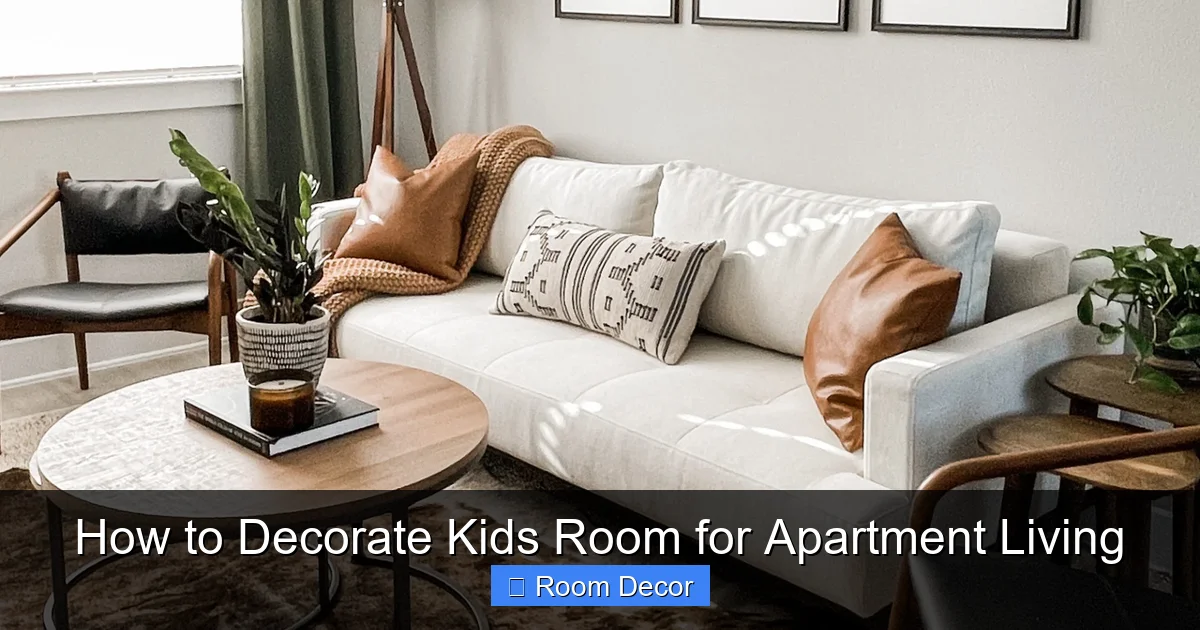
Decorating a kids’ room in an apartment presents unique challenges, primarily limited space and rental restrictions. This guide offers practical, creative solutions to help you design a fun, functional, and safe environment for your child. Learn how to maximize vertical space, choose multi-functional furniture, and incorporate landlord-friendly decor that reflects your child’s personality without permanent changes.
How to Decorate Kids Room for Apartment Living
Decorating a kids’ room is an exciting journey, filled with dreams of whimsical themes, vibrant colors, and functional spaces. However, when you live in an apartment, this journey often comes with a unique set of challenges: limited square footage, landlord restrictions on permanent changes, and the constant battle against clutter. But don’t worry! Creating a magical, functional, and inspiring space for your child in an apartment is entirely possible.
This comprehensive guide will walk you through every step of decorating a kids’ room for apartment living. We’ll explore clever space-saving strategies, rental-friendly decor ideas, smart storage solutions, and essential safety tips. You’ll learn how to transform even the smallest room into a creative haven where your child can play, sleep, learn, and grow, all while respecting your lease and maximizing every inch of available space. Let’s get started and make your child’s apartment room truly special!
Key Takeaways
- Embrace Vertical Space: Look up! Walls, bunk beds, and tall shelving are your best friends for maximizing storage and play areas in a small apartment room.
- Choose Multi-Functional Furniture: Invest in pieces that serve multiple purposes, like a bed with built-in drawers, an ottoman that doubles as storage, or a desk that folds away.
- Prioritize Non-Permanent Decor: Use removable wallpaper, Command hooks, picture ledges, and temporary lighting to add personality without risking your security deposit.
- Create Defined Zones: Even in a small room, use rugs, clever furniture placement, or color blocking to define separate areas for sleeping, playing, and studying.
- Implement Smart, Accessible Storage: Utilize bins, baskets, under-bed storage, and wall-mounted organizers to keep toys, books, and clothes tidy and easily accessible for your child.
- Design for Adaptability: Select decor and furniture that can grow with your child, opting for neutral bases and interchangeable accents rather than overly themed designs.
- Focus on Safety First: Always secure furniture to walls, choose non-toxic materials, and ensure all decor is age-appropriate and free of hazards, especially in a compact space.
1. Understand Your Apartment’s Limitations and Opportunities
Before you even pick out a paint swatch or a piece of furniture, it’s crucial to assess the unique aspects of your apartment. This foundational step will save you time, money, and potential headaches down the line.
Evaluate the Room’s Size and Layout
First, take accurate measurements of the room. Don’t just measure the walls; measure any indentations, doorways, and windows. Pay attention to ceiling height, as vertical space is your secret weapon in apartment living. Sketch out the room’s layout, noting fixed elements like radiators, built-in closets, or awkward corners. This helps you visualize what will fit and where.
Review Your Lease for Landlord Restrictions
This is a critical step many people overlook. Before you start dreaming of bold paint colors or drilling holes for shelves, check your lease. Landlord restrictions often include:
- Painting: Is it allowed? Do you need to use a specific type of paint or return the walls to their original color upon moving out?
- Wall fixtures: Are you allowed to hang heavy items, drill holes, or use nails? Many leases prefer Command strips or picture rails.
- Flooring: Are there restrictions on rugs or temporary flooring?
- Alterations: Any structural changes are almost certainly off-limits.
If you’re unsure, have a direct conversation with your landlord. It’s better to ask permission than to beg forgiveness (and lose your security deposit!).
Set a Realistic Budget
Decorating, especially for kids, can add up quickly. Decide how much you’re willing to spend. This budget will influence your choices, from furniture quality to the extent of decorative items. Remember to factor in not just furniture and decor, but also potential tools, installation costs, and even moving expenses if you anticipate needing to store items later.
2. Maximizing Space with Smart Furniture Choices
In an apartment, every piece of furniture needs to pull its weight. Opting for multi-functional and space-saving furniture is key to creating a comfortable and practical kids’ room.
Embrace Vertical Living with Bunk Beds or Loft Beds
If you have more than one child or even just one who loves sleepovers, a bunk bed is a game-changer. It frees up significant floor space. For a single child, a loft bed creates an amazing under-bed area that can be used for a desk, a reading nook, or extra play space. Many loft beds come with built-in desks or storage already integrated.
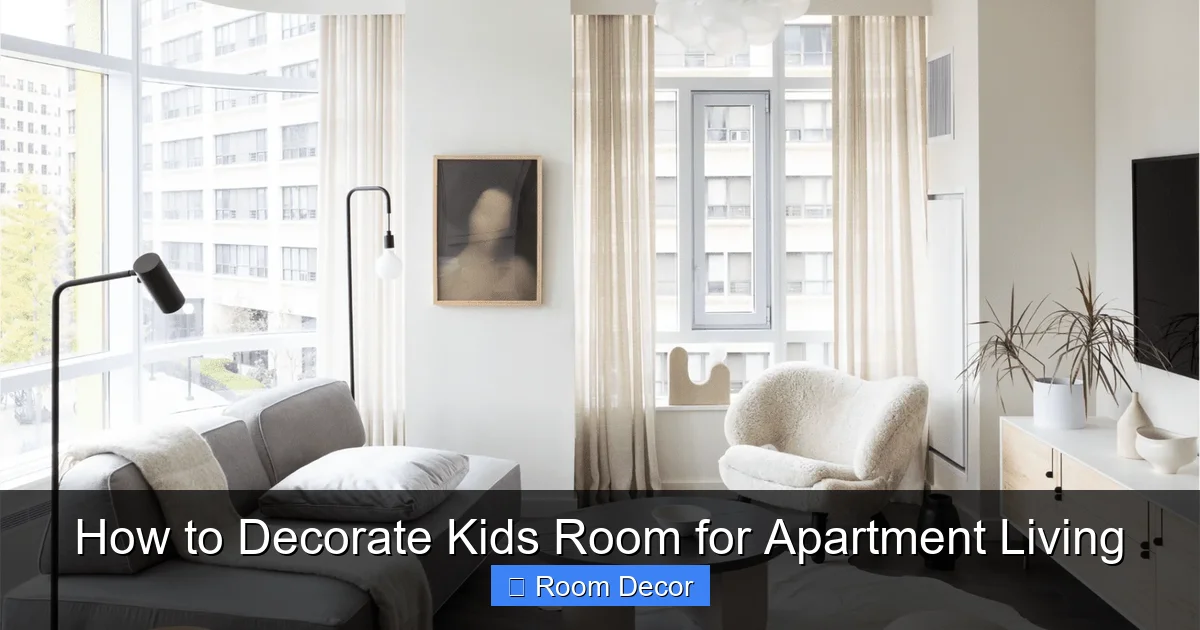
Visual guide about How to Decorate Kids Room for Apartment Living
Image source: thespruce.com
Choose Multi-Functional Furniture Pieces
Think about items that can do double duty:
- Storage Ottomans: A comfy seat that opens up for toy storage.
- Daybeds with Trundles or Drawers: A sofa during the day, a bed at night, often with extra sleeping space or drawers underneath.
- Bookshelves with Cabinets: Open shelves for display, closed cabinets for clutter.
- Folding Desks: A desk that can be folded away when not in use is perfect for small study areas.
Select Appropriately Sized Furniture
Resist the urge to buy adult-sized furniture if it’s not necessary. Kids’ furniture is often scaled down, making it perfect for smaller rooms. A smaller dresser, a kid-sized table and chairs, or a slender wardrobe will make a room feel less cramped and more proportionate to its inhabitants.
3. Creating Zones for Play, Sleep, and Study
Even in a tiny room, defining distinct zones helps organize activities and creates a sense of order. This is crucial for a child’s development and for maintaining a tidy space.
Define the Sleeping Zone
The bed is the anchor of this zone. Place it strategically to allow for other activities. Use soft lighting, comforting textiles, and perhaps a small, calming piece of art above the headboard. A rug under the bed can also help define this area and add warmth.
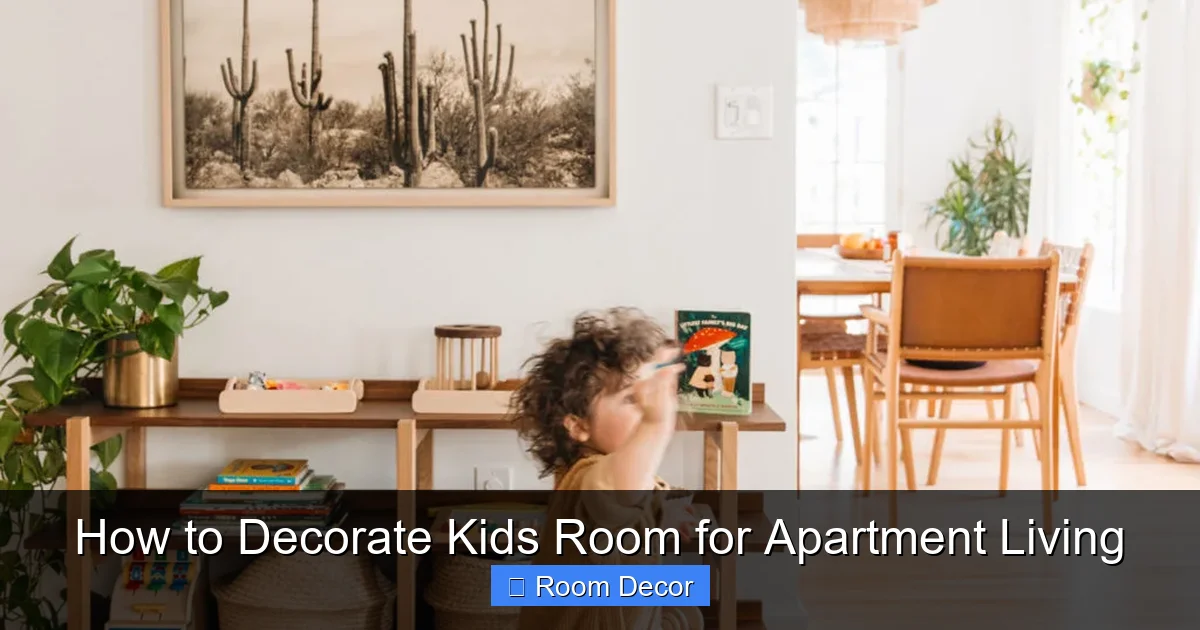
Visual guide about How to Decorate Kids Room for Apartment Living
Image source: newdarlings.com
Designate a Play Area
This might be a small corner of the room, but it’s vital for a child’s imagination. Use a colorful rug to define the space. Incorporate accessible storage for toys that can be easily pulled out and put away. Think about floor cushions or a small beanbag for comfortable play.
- Portable Play Mat: A roll-up play mat can be laid out during play time and stored away when not in use.
- Activity Tables: Small, kid-sized tables can serve as both a craft station and a place for board games.
Carve Out a Study or Reading Nook
Even if it’s just a floating shelf with a comfortable cushion underneath, a dedicated spot for reading or homework encourages good habits. Good lighting is key here. If space allows, a small desk with a chair can be integrated, perhaps under a loft bed or in a quiet corner.
- Wall-Mounted Desks: These can fold down when needed and fold up when not, saving precious floor space.
- Clip-on Lights: Attach a reading light directly to the bed frame or a shelf to provide task lighting without needing a large lamp.
4. Injecting Personality and Fun (Without Damaging Walls)
Rental restrictions often mean no painting or permanent fixtures. But that doesn’t mean you can’t make the room vibrant and personal!
Embrace Removable Wallpaper and Wall Decals
These are apartment renters’ best friends! Removable wallpaper comes in countless patterns, colors, and textures, allowing you to create a feature wall or a themed space. Wall decals are even easier to apply and remove, perfect for adding whimsical elements like stars, animals, or even growth charts. They come off cleanly without damaging paint.
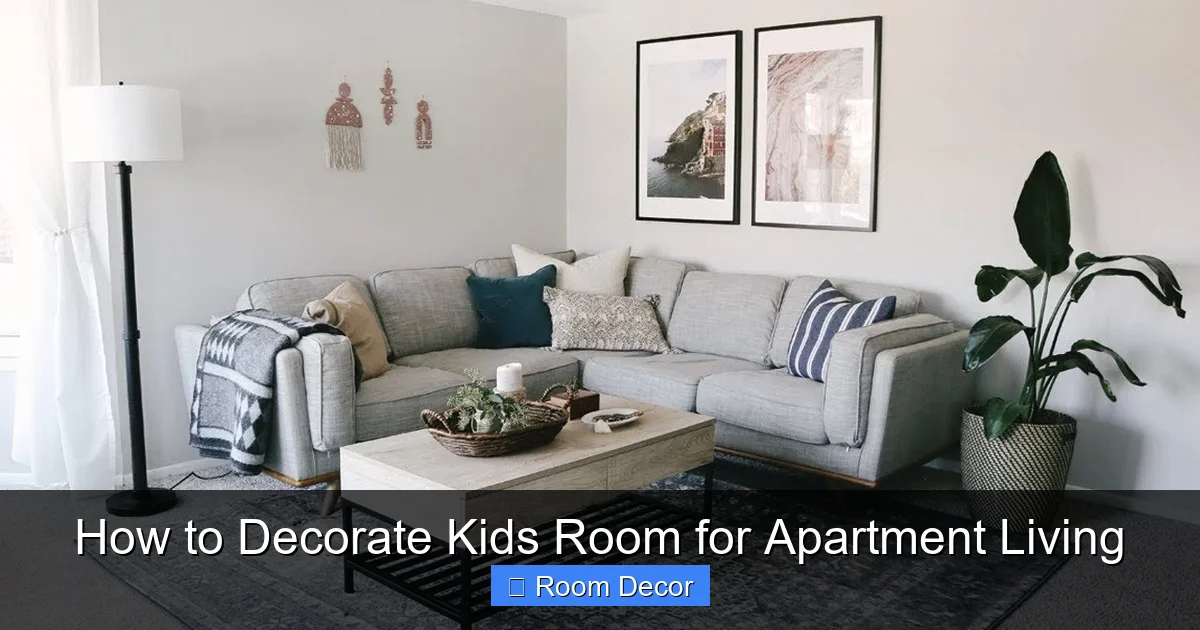
Visual guide about How to Decorate Kids Room for Apartment Living
Image source: i.ytimg.com
Utilize Non-Permanent Wall Hangings
Forget nails and screws for most items:
- Command Hooks & Strips: These revolutionary products allow you to hang lightweight art, picture frames, and even curtains without drilling.
- Picture Ledges: Small, narrow shelves can hold framed art, books, or small toys without requiring multiple holes for each item. They create a gallery effect.
- Washi Tape: Use decorative washi tape to create patterns, frame posters, or even “draw” houses and roads on the wall. It peels off easily.
Get Creative with Fabric and Textiles
Textiles can dramatically change the feel of a room without touching the walls:
- Rugs: A colorful or patterned rug can anchor a space, add warmth, and introduce a theme.
- Curtains: Floor-length curtains can make a room feel taller and add a pop of color or pattern. Look for thermal curtains for better insulation and light control.
- Bedding & Pillows: These are easy and inexpensive ways to swap out themes or color palettes as your child grows.
- Tapestries or Wall Hangings: Large fabric pieces can cover a significant portion of a wall, adding texture and art without permanent commitment.
- Photo Displays: Create a gallery wall using removable strips or string lights with clips for photos.
- Themed Baskets and Bins: Storage doesn’t have to be boring. Choose bins that match your theme or color scheme.
- Unique Lighting: String lights, fairy lights, or a fun table lamp can create ambiance and act as decorative elements. Avoid harsh overhead lighting for kids’ rooms.
- Tall, Slim Bookcases: Choose narrow bookcases that reach almost to the ceiling. Secure them to the wall (if allowed) for safety.
- Wall-Mounted Shelves: Floating shelves or cubby shelves can hold books, small toys, or display items without taking up floor space.
- Pegboards: A pegboard can be an incredibly versatile storage solution for art supplies, small toys, or even clothing accessories. Hang it with Command strips if drilling is forbidden.
- Under-Bed Bins: Rolling bins or flat storage containers are perfect for seasonal clothes, extra bedding, or lesser-used toys.
- Over-the-Door Organizers: Hang these for shoes, small toys, dolls, or art supplies. They free up drawer and shelf space instantly.
- Clear Bins: Great for LEGOs or craft supplies, allowing kids to see what’s inside.
- Labeled Baskets: Encourage children to put things away by providing clearly labeled baskets for different types of toys.
- Cube Storage Units: These are versatile and can hold fabric bins, books, or display items. They can also double as a bench or room divider.
- Bedding: A dinosaur duvet cover today, a space-themed one next year.
- Curtains: Easy to swap out.
- Rugs: A quick way to change the room’s feel.
- Artwork: Easily switch out posters, prints, or your child’s own masterpieces.
- Pillows and Throws: Inexpensive and impactful.
- Cord Management: Keep blind cords, lamp cords, and electronics cords out of reach. Use cord wraps or clips.
- Outlet Covers: Protect unused electrical outlets.
- Sharp Edges: Use corner guards on furniture with sharp edges.
- Small Parts: Ensure toys and decor items are age-appropriate and don’t pose a choking hazard for younger children.
- Window Safety: Install window guards or stops if windows are easily accessible to prevent falls.
Personalize with Accessories and Lighting
Small touches make a big difference:
5. Smart Storage Solutions for Clutter Control
Kids come with a lot of stuff – toys, books, clothes, art supplies, and more. Effective storage is paramount in a small apartment room to prevent chaos and keep things organized.
Think Vertically, Always
We’ve said it before, but it bears repeating for storage:
Utilize Under-Bed and Behind-Door Space
These often-forgotten areas are prime real estate for storage:
Invest in Smart Bins, Baskets, and Drawers
Organization isn’t just about where you put things, but also how. Visible storage needs to be attractive and practical.
Make Storage Accessible for Kids
For a truly organized room, your child needs to be able to access and put away their own belongings. Place frequently used toys and books on lower shelves or in bins they can easily reach. This fosters independence and makes cleanup a shared responsibility.
6. Making it Adaptable and Future-Proof
Kids grow fast, and their interests change even faster. Designing a room that can evolve with them will save you time, money, and effort in the long run.
Choose a Neutral Base
Opt for neutral colors on walls (if painting is allowed and you choose to paint) or for larger furniture items like the bed frame, dresser, or wardrobe. Greys, whites, light blues, or soft greens provide a calm backdrop that can easily be updated with accessories.
Update with Interchangeable Accessories
This is where you inject personality and cater to current interests. Themes can be introduced through:
This strategy allows you to transition from a toddler’s room to a pre-teen’s room without a major overhaul.
Invest in Quality, Versatile Furniture
While the initial cost might be higher, a sturdy, well-made dresser or bookcase will last through childhood and potentially beyond. Look for pieces with timeless designs that aren’t overly childish, allowing them to adapt to different decor styles as your child matures.
7. Safety First: Essential Considerations
In any child’s room, but especially in a compact apartment space, safety must be your top priority.
Secure All Furniture to Walls
Dressers, bookcases, and any tall, heavy furniture must be anchored to the wall using anti-tip kits. Tip-overs are a serious hazard, and even if your landlord doesn’t allow drilling, discuss safe anchoring options. Sometimes, the back of a large furniture piece can be secured to another sturdy, immovable item, or you might find suction-cup-based anchors (though these are less reliable for very heavy items).
Check for Hazards
Choose Non-Toxic Materials
When selecting paint (if allowed), furniture, and textiles, opt for low-VOC (Volatile Organic Compound) options. Look for certifications that indicate products are free from harmful chemicals, especially for bedding and anything your child will frequently touch.
Ensure Clear Pathways
In a small room, it’s easy for clutter to block pathways. Ensure there’s always a clear route to the door and around the room to prevent trips and falls, especially during nighttime or emergencies. Keep the floor clear of excess toys when not in use.
Troubleshooting Common Apartment Kids Room Challenges
Challenge: The Room Feels Too Dark
Solution: Maximize natural light by keeping windows clear of heavy drapes; opt for light, sheer curtains or blinds. Use mirrors to reflect light and make the room appear larger and brighter. Incorporate multiple light sources: overhead, task lighting (desk lamp), and ambient lighting (fairy lights, night light).
Challenge: Landlord Says “No Holes in Walls!”
Solution: This is a common one! Rely heavily on Command hooks and strips for hanging lightweight items. Use freestanding shelving units, lean mirrors against walls (securely), and use temporary art solutions like washi tape, removable decals, and picture ledges that don’t require drilling (if allowed, some ledges are quite light). Large, framed canvases can simply lean against a wall on a dresser or floor.
Challenge: Not Enough Closet Space
Solution: Utilize under-bed storage for out-of-season clothes or extra bedding. Invest in a slim wardrobe or armoire if floor space allows. Use an over-the-door organizer for smaller items like socks, underwear, or accessories. Consider a clothes rack if a closet is non-existent, and use attractive storage boxes for a tidier look.
Challenge: The Room Feels Overwhelmed with Too Many Toys
Solution: Implement a regular toy rotation system. Keep only a selection of toys accessible at a time, storing the rest away. Rotate them every few weeks or months to keep things fresh and manageable. This also encourages imaginative play with fewer distractions. Regular decluttering (donating or selling unused toys) is also key.
Conclusion
Decorating a kids’ room in an apartment doesn’t have to be a daunting task. By embracing smart design principles, leveraging vertical space, choosing multi-functional items, and opting for rental-friendly decor, you can create a truly magical, organized, and inspiring environment for your child. Remember to prioritize safety, involve your child in the decorating process (age-appropriately), and design with adaptability in mind. With a little creativity and strategic planning, your apartment kids’ room can be a vibrant testament to imagination, comfort, and clever living. Happy decorating!