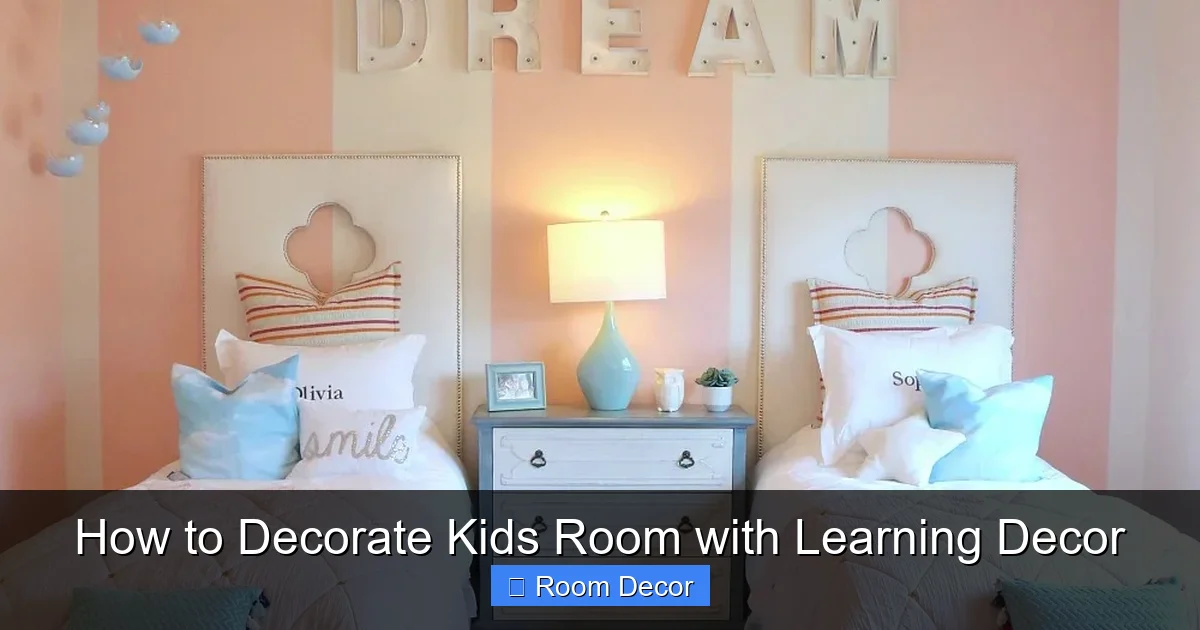
Discover how to decorate kids room with learning decor and transform it into an inspiring educational sanctuary. This guide offers practical, step-by-step advice to create engaging learning zones, choose smart decor, and integrate interactive elements that foster curiosity and growth. By blending aesthetics with purpose, you can ensure a fun and stimulating environment that supports your child’s development every day.
Imagine a child’s room that isn’t just a place to sleep and play, but a vibrant hub of discovery and learning. A space where every wall, every corner, and every item sparks curiosity, encourages exploration, and subtly teaches new concepts. This isn’t just a dream; it’s entirely achievable when you decide to decorate kids room with learning decor.
Decorating a child’s room goes beyond choosing a cute theme or matching colors. It’s an incredible opportunity to create an environment that actively supports their growth, development, and love for learning. By intentionally integrating educational elements into the decor, you can transform their personal space into a constant source of inspiration and knowledge.
In this comprehensive guide, we’ll walk you through exactly how to decorate kids room with learning decor. We’ll cover everything from understanding your child’s age-specific needs to selecting smart, interactive items and ensuring safety. Get ready to design a room that’s not only beautiful and fun but also a powerful catalyst for your child’s intellectual journey.
Key Takeaways
- Tailor Decor to Age and Interests: Always consider your child’s developmental stage and current fascinations to ensure the learning decor is relevant and engaging.
- Create Defined Learning Zones: Designate specific areas like a reading nook, art station, or discovery wall to encourage different types of educational play and exploration.
- Choose Multi-Functional and Purposeful Decor: Opt for items that not only look good but also serve an educational function, such as world map murals, alphabet rugs, or storage with labels.
- Integrate Interactive Elements: Incorporate chalkboards, magnetic boards, or rotating displays to encourage hands-on learning, creativity, and active participation.
- Prioritize Safety and Durability: Ensure all learning decor is made from child-safe materials, securely mounted, and easy to clean, standing up to daily use and keeping your child safe.
- Evolve the Space as Your Child Grows: Remember that learning needs change. Regularly refresh and update the learning decor to keep it stimulating and aligned with your child’s evolving interests and skills.
- Involve Your Child in the Process: Let your child have a say in some decor choices. This fosters ownership, boosts their excitement, and makes the room truly theirs, enhancing their engagement with the learning decor.
Step 1: Understand Your Child’s Age and Interests
The first and most crucial step when you decide to decorate kids room with learning decor is to consider who will be using the room. Children’s developmental stages vary greatly, and what excites a toddler will likely bore a pre-teen. Tailoring the learning decor to their age, interests, and current learning objectives is key to making it effective and engaging.
Infants & Toddlers (0-3 years)
For the youngest learners, focus on sensory experiences, high contrast, and basic recognition. Their learning decor should be all about stimulating their senses and encouraging early exploration.
- Sensory Stimulation: Think soft rugs with different textures, mobiles with varying shapes and colors, and unbreakable mirrors for self-discovery.
- High Contrast Visuals: Black and white patterns are excellent for visual development in newborns. As they grow, introduce primary colors.
- Early Language & Number Exposure: Soft blocks with letters, simple picture cards, or large, bold alphabet and number charts displayed at eye level can be great starting points.
- Secure Exploration: Ensure all learning decor is firmly attached and safe for tiny hands to touch and mouths to explore.
Preschoolers (3-5 years)
This age group is bursting with curiosity and imagination. Their learning decor should support imaginative play, basic literacy, numeracy, and fine motor skills.
- Alphabet & Numbers: Wall decals, posters, or large floor puzzles featuring the alphabet, numbers 1-100, and simple shapes are perfect.
- World Maps: Child-friendly world maps with illustrated animals or landmarks can spark early geographical interest.
- Imaginative Play Props: Display dress-up clothes, play kitchen items, or building blocks in an organized, accessible way. These items become part of the learning decor.
- Art & Creativity: A small easel, a chalk wall, or an accessible art supply station encourages drawing and self-expression.
Early School Age (5-8 years)
Children in this stage are developing reading, writing, and critical thinking skills. Their learning decor can be more specific and challenge-oriented.
- Reading Nook: A cozy corner with a comfortable chair, good lighting, and accessible bookshelves full of age-appropriate books.
- Interactive Maps & Globes: Detailed world maps, solar system charts, or even an interactive globe can deepen their understanding of the world.
- Science Exploration: Simple science posters, a small desk for experiments, or a collection of interesting rocks or specimens.
- Goal Setting: A visual chart for chores, reading goals, or personal achievements can teach responsibility and self-management.
Pre-Teens (8-12 years)
Pre-teens are developing their own identities and interests. Their learning decor should reflect their hobbies, provide space for focused study, and encourage independence.
- Study Zone: A dedicated desk with good lighting, organizational tools, and inspiring quotes or educational posters related to their favorite subjects.
- Hobby Displays: Shelves for displaying model kits, collections, or art projects can be a source of pride and further learning.
- Advanced Maps & Charts: Detailed world maps, historical timelines, or even a periodic table can cater to more complex learning.
- Inspirational Quotes & Personal Goals: Decor that promotes positive self-talk, growth mindset, and future aspirations.
Step 2: Choose Your Learning Zones
To effectively decorate kids room with learning decor, it helps to think of the room not as a single space, but as a collection of “learning zones.” Each zone can be dedicated to a different type of activity or learning, making the room more versatile and engaging.
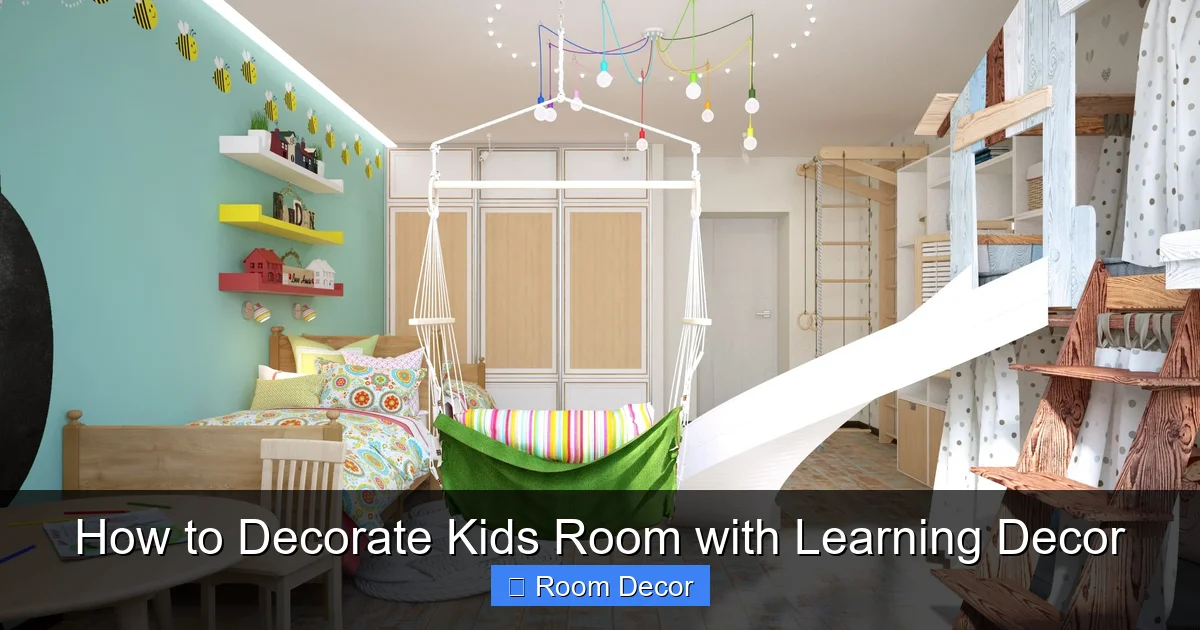
Visual guide about How to Decorate Kids Room with Learning Decor
Image source: roohome.com
Reading Nook
A cozy spot dedicated to books is essential. It encourages a love for reading and provides a quiet escape.
- Elements: A comfy beanbag or armchair, soft lighting (like a floor lamp or wall sconce), and easily accessible bookshelves.
- Learning Decor: Display books with their covers facing out, use wall decals with literary quotes, or hang a poster illustrating different book genres.
Creative Corner
This is where imagination and artistic expression flourish. It’s a messy but vital part of learning.
- Elements: A child-sized table and chairs, storage for art supplies (crayons, paper, paint), and a surface for drawing.
- Learning Decor: A large chalkboard or whiteboard wall, an easel, or a gallery wall to display their masterpieces. Use labeled bins for different art supplies to teach organization.
Discovery Wall
This zone is all about visual learning and exploration, using the walls as an interactive canvas for your learning decor.
- Elements: A clear, accessible wall space.
- Learning Decor: World maps, solar system charts, alphabet and number posters, growth charts, or even removable vinyl decals featuring historical events or animal kingdoms. Make sure items are at the child’s eye level.
Organization Station
Learning isn’t just about facts; it’s also about life skills. An organized room teaches responsibility and order.
- Elements: Shelves, cubbies, or drawers.
- Learning Decor: Use clear labels (with both words and pictures for younger kids) on storage bins for toys, books, and clothes. A calendar or daily routine chart can also be part of this station.
Sensory/Calming Area
Especially beneficial for younger children, this zone offers a space for quiet reflection and sensory input, crucial for emotional regulation and focused learning.
- Elements: A soft rug, throw pillows, a quiet lamp, and perhaps a small tent or canopy.
- Learning Decor: Sensory bottles, weighted blankets, soft textured toys, or calming nature-themed wall art.
Step 3: Select Smart & Engaging Decor
Now that you know your child’s needs and where you want your zones, it’s time to pick specific pieces. When you decorate kids room with learning decor, every item can serve a dual purpose: aesthetic appeal and educational value.
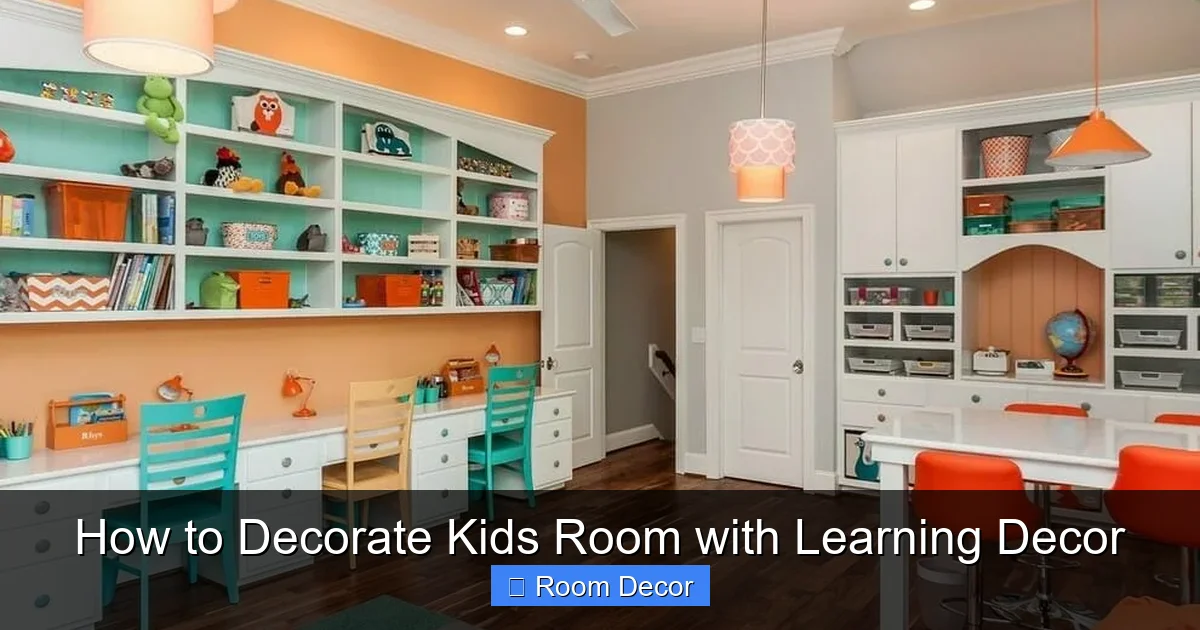
Visual guide about How to Decorate Kids Room with Learning Decor
Image source: decorilla.com
Wall Decor
Walls are prime real estate for learning decor.
- World Maps & Globes: From illustrated animal maps for preschoolers to detailed political maps for older kids, these are fantastic for geography.
- Alphabet & Number Charts: Choose vibrant, engaging designs. Large, clear fonts are best.
- Growth Charts: Not just for tracking height, but also for teaching measurement and basic math concepts.
- Educational Posters: Solar system, periodic table (for older kids), historical timelines, or even a chart of emotions.
- Inspirational Quotes: Positive affirmations or quotes about learning and perseverance.
Furniture with a Purpose
Furniture can be more than just functional; it can be integral learning decor.
- Desks & Chairs: A dedicated study space promotes focus. Choose ergonomic options.
- Bookcases & Shelves: Keep books and educational toys organized and accessible. Forward-facing bookshelves encourage younger children to pick books by cover.
- Storage Benches/Cubbies: Label them to teach organization. Multi-functional pieces save space.
- Tables with Learning Tops: Some tables come with built-in drawing surfaces or removable tops that reveal a LEGO baseplate or a simple maze.
Textiles & Rugs
Don’t overlook the potential of soft furnishings to enhance your learning decor.
- Educational Rugs: An alphabet rug, a numbers rug, a world map rug, or even a city road map rug for imaginative play.
- Themed Bedding & Curtains: Choose patterns that reflect learning themes, like constellations, planets, or historical figures.
- Pillows & Throws: Pillows with letters, numbers, or animal prints can be subtle educational touches.
Lighting
Good lighting is crucial for both play and study, and it can also be a fun piece of learning decor.
- Task Lighting: A desk lamp for reading and homework.
- Dimmable Lights: For creating different moods – bright for play, soft for calming.
- Interactive Night Lights: Star projectors or lights that display different colors can be soothing and educational.
Educational Toys & Books
These aren’t just playthings; when displayed thoughtfully, they become part of the room’s learning decor.
- Building Blocks & STEM Toys: Keep them visible and accessible to encourage creative construction and problem-solving.
- Puzzles & Board Games: Store them neatly on shelves.
- Picture Books & Chapter Books: A well-stocked library is the heart of any learning room.
Step 4: Integrate Interactive Elements
Passive learning is fine, but active engagement truly cements knowledge. When you decorate kids room with learning decor, make sure to include elements that invite interaction.
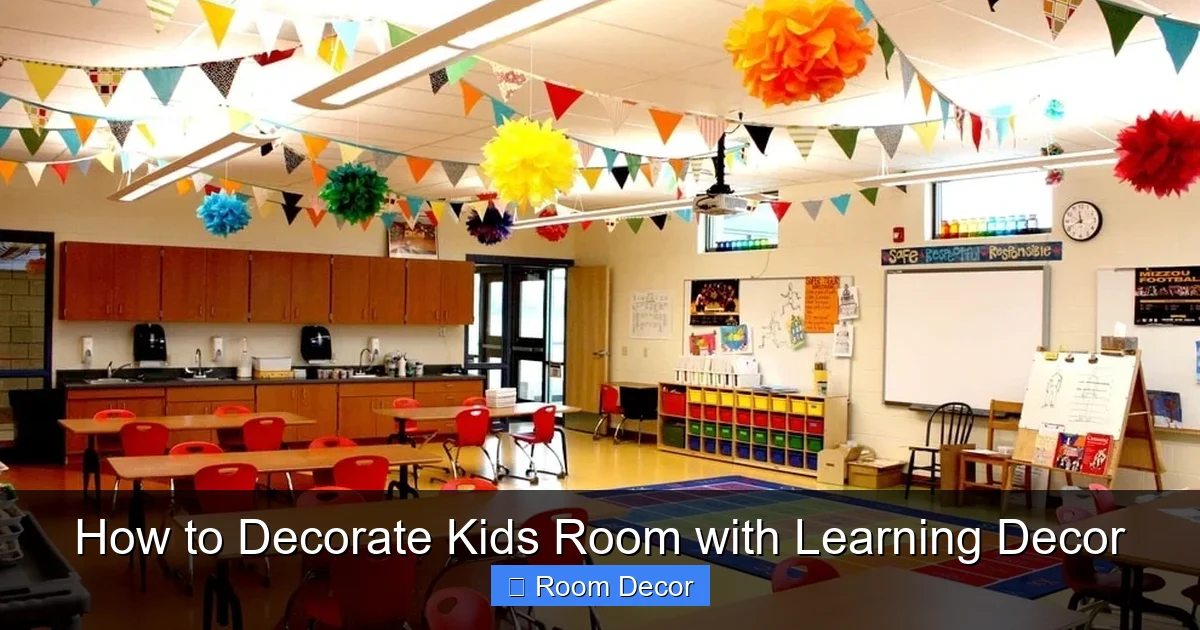
Visual guide about How to Decorate Kids Room with Learning Decor
Image source: cdn.designbump.com
Chalkboard/Whiteboard Walls
Dedicate an entire wall or a large section to this. It’s fantastic for free drawing, practicing letters, math problems, or even leaving messages. It’s truly dynamic learning decor.
- Tips: Use non-toxic chalk or dry-erase markers. Provide an eraser and a small caddy for supplies.
Magnetic Boards
A magnetic board or even a section of wall painted with magnetic paint opens up a world of possibilities.
- Tips: Use magnetic letters, numbers, shapes, or even magnetic puzzles. Change out magnetic pictures seasonally or thematically.
DIY Learning Crafts
Involve your child in creating some of the learning decor! This could be anything from making a weather chart to painting a solar system mobile.
- Tips: Seasonal crafts, holiday-themed learning activities, or projects related to a current interest (e.g., dinosaurs, space). Displaying their creations boosts confidence.
Rotating Displays
Keep the learning decor fresh and engaging by regularly changing out certain elements. This could be rotating books, artwork, or educational posters.
- Tips: Have a “theme of the month” (e.g., “Under the Sea,” “Famous Inventors”) and swap out relevant posters, books, and toys.
Step 5: Prioritize Safety and Durability
A child’s room needs to be a safe haven. When you decorate kids room with learning decor, safety should always be a top priority, followed by durability to withstand enthusiastic use.
Child-Safe Materials
Always choose non-toxic paints, finishes, and materials for furniture and decor items. Look for certifications like GREENGUARD Gold or similar safety standards.
- Tips: Avoid small, easily swallowable parts for younger children. Opt for rounded edges on furniture to prevent bumps and scrapes.
Securely Mounted Items
Ensure that all wall-mounted shelves, heavy wall art, and furniture are securely fastened to the wall to prevent tipping or falling.
- Tips: Use wall anchors appropriate for your wall type. Regularly check the stability of mounted items.
Easy to Clean
Kids are messy, so choose learning decor that can withstand spills and dirt. Washable fabrics, wipeable surfaces, and durable materials will save you a lot of hassle.
- Tips: Look for machine-washable rugs, paint with scrubbable finishes, and furniture made from easy-to-wipe materials.
Step 6: Maintain and Evolve the Space
A child’s room, especially one designed with learning decor, should be a dynamic space. What works for a 5-year-old won’t suit an 8-year-old. Regular maintenance and evolution are crucial.
Regular Refresh
As your child grows and their interests shift, so should their learning decor. Rotate books, update posters, and introduce new interactive elements that align with their current fascinations.
- Tips: Don’t feel pressured to completely redecorate often. Small changes, like a new set of magnetic letters or a different themed blanket, can make a big impact.
Involve Your Child
Encourage your child to participate in choosing new learning decor items or arranging their current ones. This gives them a sense of ownership and makes them more likely to engage with the space.
- Tips: Let them pick a new book for their reading nook, or choose which of their drawings to display on the art wall.
Troubleshooting Common Challenges
Even with the best intentions, you might face some hurdles when you decorate kids room with learning decor. Here are solutions to common problems.
Limited Space
Not every child has a huge room, but small spaces can still be educational havens.
- Solutions: Utilize vertical space with wall shelves, tall bookcases, and wall-mounted desks. Opt for multi-functional furniture like storage benches or beds with built-in drawers. Use wall decals and peel-and-stick learning decor instead of bulky items.
Budget Constraints
Creating a stimulating learning environment doesn’t have to break the bank.
- Solutions: DIY projects (like painting a chalkboard wall), upcycling old furniture, shopping at thrift stores for unique pieces, and utilizing sales can save money. Focus on a few key, impactful pieces of learning decor rather than trying to fill every corner. Printable educational posters can be very affordable.
Child Loses Interest
It’s natural for interests to wane. Don’t be discouraged if a particular piece of learning decor loses its appeal.
- Solutions: Implement a rotating system for toys and books. Introduce new themes and activities regularly. Ask your child what they are currently curious about and adjust the learning decor accordingly. Sometimes, simply rearranging items can make them feel new again.
Conclusion
Decorating a child’s room with learning decor is one of the most thoughtful and impactful things you can do for their development. It transforms a simple bedroom into a dynamic, educational wonderland where every day offers new opportunities for discovery, creativity, and growth. By understanding your child’s needs, creating specific learning zones, selecting smart and interactive decor, and prioritizing safety, you’re not just designing a room; you’re cultivating a love for learning that will last a lifetime.
Remember, the goal isn’t perfection, but progress. Start small, involve your child in the process, and enjoy watching their minds flourish in a space designed just for them. Happy decorating!