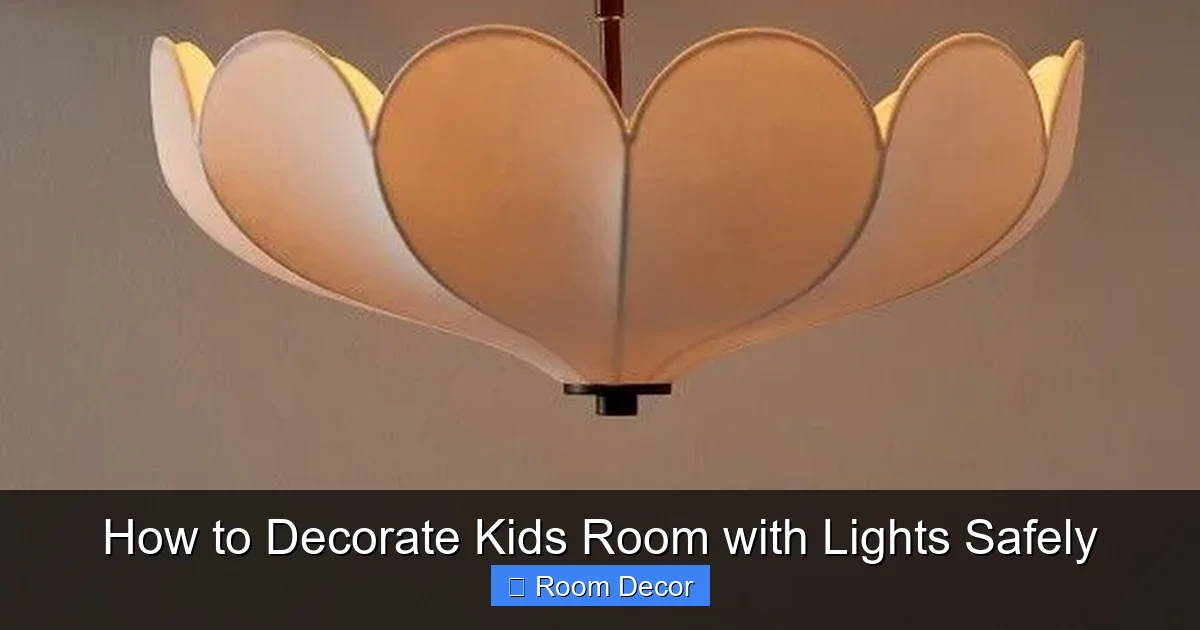
Transform your child’s space into a magical haven by learning how to decorate kids room with lights safely. This comprehensive guide provides essential steps, from selecting certified LED lights and secure installation techniques to creative design ideas. Prioritize safety with child-proof measures and regular checks, ensuring a beautiful and worry-free environment for your little one to thrive and dream in.
Welcome to the enchanting world of kids’ room decoration! Lighting can transform a child’s space into a magical wonderland, a cozy reading nook, or a vibrant play area. From soft nightlights that chase away monsters to twinkling fairy lights that inspire dreams, the right illumination can spark imagination and provide comfort. However, when it comes to decorating a kids’ room, safety must always be our top priority. Little hands are curious, and accidents can happen if proper precautions aren’t taken. This comprehensive guide will walk you through every step of how to decorate kids room with lights safely, ensuring your child’s space is both beautiful and secure. We’ll cover everything from choosing the right types of lights and safe installation techniques to creative design ideas and essential maintenance tips. Let’s create a dazzling, safe haven for your little one!
Key Takeaways
- Prioritize Safety Certifications: Always choose lights with recognized safety certifications like UL (for North America) or CE (for Europe) to ensure they meet rigorous safety standards for children’s products.
- Opt for LED and Low-Voltage Options: LEDs are cool to the touch, energy-efficient, and durable. Battery-operated or low-voltage plug-in lights significantly reduce electrical hazards, making them ideal for a child’s room.
- Secure Installation is Crucial: Keep all cords neatly tucked away and out of reach, use strong fasteners to secure lights firmly to surfaces, and utilize child-proof outlet covers to prevent curious hands from accidental contact.
- Regular Maintenance Matters: Routinely inspect lights and wiring for any signs of damage, fraying, or loose connections. Educate older children about light safety, and promptly replace any faulty or worn-out items.
- Consider Age and Placement: Tailor your lighting choices and their placement to your child’s age and developmental stage. Avoid small, swallowable parts for toddlers and ensure all lights are placed where they cannot be pulled down or tampered with easily.
- Combine Creativity with Safety: Embrace imaginative lighting ideas like star projectors, themed fairy light canopies, or soft reading lights. Always ensure that even the most creative installations adhere strictly to all safety guidelines.
Step 1: Planning Your Lighting Design Safely
Before you even think about buying lights, a little planning goes a long way. This initial phase is crucial to ensure you can decorate kids room with lights safely and effectively.
Consider the Child’s Age and Interests
The safety requirements for a newborn’s nursery are vastly different from those for a curious toddler or an independent pre-teen. For infants and toddlers, everything must be completely out of reach, non-breakable, and free of small parts. As children get older, you can introduce more interactive elements, but safety remains paramount. Think about their favorite colors, animals, or themes. Do they love space, princesses, dinosaurs, or cars? Incorporating their interests will make the room feel truly special. For instance, a space-themed room might benefit from star projectors, while a princess room could feature soft, draping fairy lights.
Define Zones and Purpose
A child’s room often serves multiple purposes: sleeping, playing, reading, and sometimes even studying. Different activities require different types of lighting. A soft, dim light is perfect for bedtime, while brighter, more focused light is needed for reading or creative play. Identify these zones in your child’s room and consider the specific lighting needs for each. For example, a nightlight for the sleep zone, a small, sturdy lamp for a reading nook, and perhaps ambient fairy lights for a general play area. This helps you plan where power sources are needed and how to manage cords safely.
Sketch Your Ideas
Grab a piece of paper and sketch out your child’s room. Mark where furniture is placed, where outlets are located, and where you envision adding lights. This visual plan helps you identify potential hazards, like cords crossing pathways, and ensures you have enough power access without needing excessive extension cords. Planning ahead helps you strategically place lights to maximize their impact while maintaining safety as the utmost priority when you decorate kids room with lights safely.
Step 2: Choosing the Right Lights for Safety and Style
Selecting the correct type of lighting is perhaps the most important step in ensuring you can decorate kids room with lights safely. Not all lights are created equal, especially when it comes to child safety.
Visual guide about How to Decorate Kids Room with Lights Safely
Image source: acentria.com
Prioritize Safety Certifications (UL, CE)
Always, always, always look for lights that have recognized safety certifications. In North America, this is typically UL (Underwriters Laboratories), and in Europe, it’s CE (Conformité Européenne). These certifications mean the product has been tested and meets specific safety standards for electrical components and fire hazards. Skipping this step is a major safety risk. If a product doesn’t have these certifications, it’s best to avoid it, regardless of how appealing it looks.
Opt for LED Lights
LED (Light Emitting Diode) lights are your best friend when decorating a child’s room. Here’s why:
- Cool to the Touch: Unlike traditional incandescent bulbs, LEDs produce very little heat. This means no burnt fingers if a curious child touches them, significantly reducing the risk of accidental burns.
- Energy Efficient: They consume less power, which is good for your electricity bill and the environment.
- Durable: LEDs are typically made of plastic, not glass, making them much more resistant to breakage if dropped or handled roughly.
- Long Lifespan: They last a very long time, meaning less frequent replacement and less fuss.
When you decorate kids room with lights safely, LEDs are a non-negotiable choice.
Select Battery-Operated or Low-Voltage Options
Wherever possible, choose lights that run on batteries or are low-voltage plug-in options (often coming with an AC adapter that converts standard household voltage to a much safer low voltage). These options drastically reduce the risk of electrical shock. Battery-operated lights are perfect for fairy lights, small nightlights, or temporary decorations, as there are no cords to manage. If you opt for plug-in, ensure it’s a low-voltage system designed for children’s use, where the power adapter is kept out of reach.
Consider Light Type (Fairy Lights, Nightlights, Projectors, Wall Sconces)
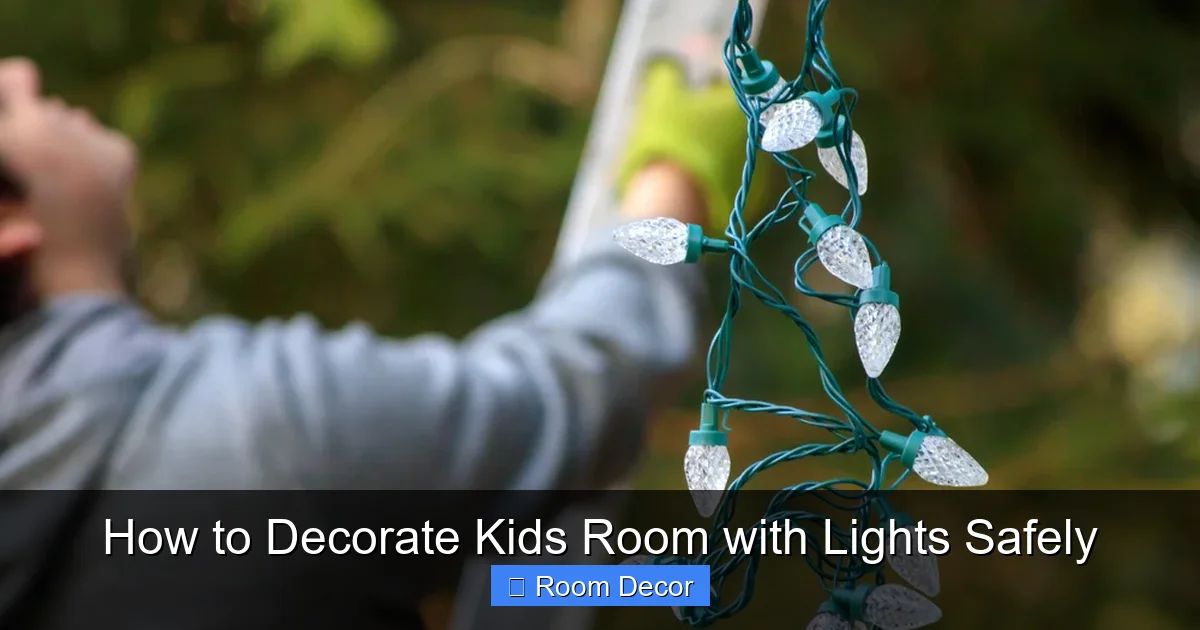
- Fairy Lights (LED String Lights): These are incredibly popular for their magical effect. Always choose LED versions. Look for options with sturdy, thick wiring and well-sealed bulbs. Ensure they are designed for indoor use and that any battery packs are securely enclosed with screws to prevent children from accessing batteries. When using fairy lights to decorate kids room with lights safely, keep them out of reach.
- Nightlights: Essential for comfort and safety during nighttime trips to the bathroom. Opt for plug-in nightlights that are completely flush with the wall (no protruding parts) or battery-operated versions. Motion-sensor nightlights are also great, illuminating only when needed.
- Projectors: Star projectors or image projectors can create amazing atmospheres. Ensure they are placed on a stable surface where they cannot be knocked over. Choose models that also run cool.
- Wall Sconces: If hardwired, these are very safe as all wiring is concealed. For plug-in versions, ensure the cord is completely managed and out of reach. Look for sconces with enclosed light sources so children cannot touch the bulb.
- Table/Floor Lamps: If using these, choose models with heavy, stable bases that are difficult to tip over. Ensure the shade is securely attached and the bulb is enclosed or cool to the touch (LED). For younger children, it’s often best to avoid these entirely or place them in an area they cannot access.
Avoid Fragile or Heat-Generating Lights
Steer clear of any lights made with glass components that could shatter, such as traditional glass-bulb string lights or delicate lamps. Similarly, incandescent bulbs generate a lot of heat and should be avoided. Exposed bulbs of any kind are generally not recommended. The goal is to eliminate any potential for cuts, burns, or electrical hazards when you decorate kids room with lights safely.
Step 3: Safe Installation Techniques
Even the safest lights can become hazardous if not installed correctly. Proper installation is critical to prevent accidents.
Visual guide about How to Decorate Kids Room with Lights Safely
Image source: momblogmagazine.com
Keep Cords Out of Reach
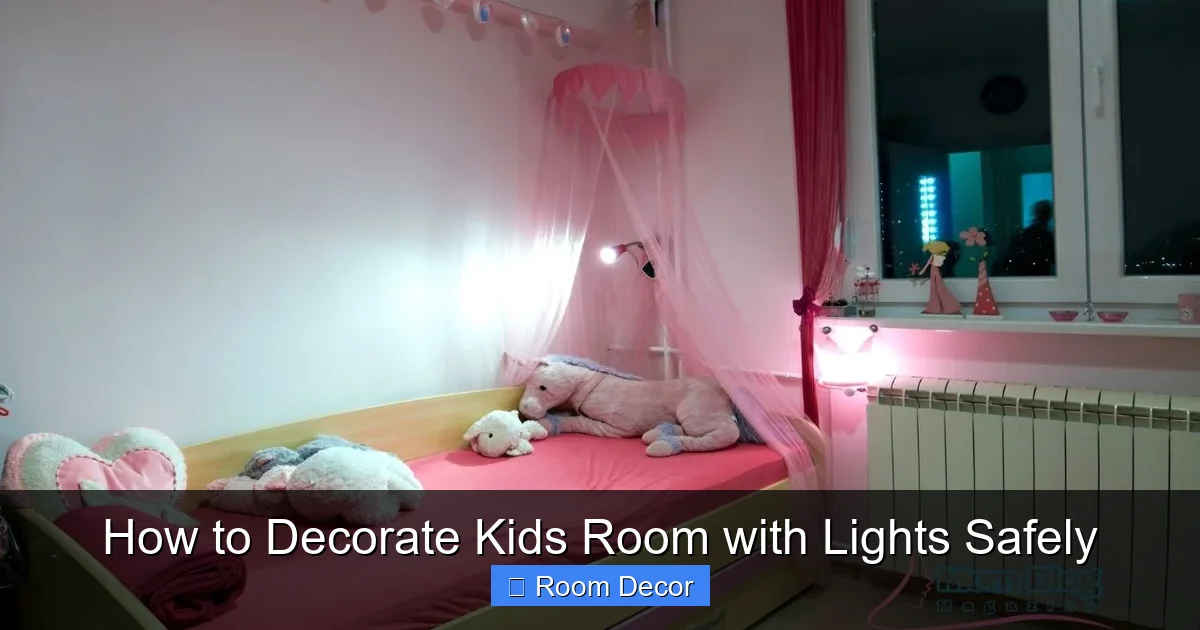
This is paramount. All electrical cords, especially those for plug-in lights, must be completely out of a child’s reach. Curious children love to pull, chew, and play with cords, which can lead to strangulation, electrical shock, or the light being pulled down. Use cord covers, cord management systems, or secure cords tightly along baseboards or behind heavy furniture using cable clips or ties. Avoid running cords under rugs where they can be tripped over or damaged. For lights higher up, like fairy lights around a canopy, ensure the cord leading to the outlet is completely inaccessible.
Secure Lights Properly
Any light fixture, string of lights, or decorative element must be securely fastened. Use strong adhesive strips, child-safe hooks, or clips that can withstand a child’s tugging. Fairy lights draped over a bed canopy or across a wall should be firmly attached, not just loosely hung. Wall-mounted fixtures should be installed according to manufacturer instructions, using appropriate anchors for the wall type. Never rely on tape or flimsy attachments that can easily come undone. When you decorate kids room with lights safely, stability is key.
Use Child-Proof Outlet Covers
All unused electrical outlets in a child’s room should have child-proof covers. For outlets in use, consider safety covers that completely enclose the plug, making it difficult for children to pull out cords or stick objects into the outlets. This is a simple yet incredibly effective safety measure.
Avoid Overloading Outlets
Never plug too many devices into a single outlet or extension cord. Overloading outlets can lead to overheating, electrical fires, and circuit breaker trips. If you need more outlets, consider a multi-plug surge protector with built-in safety features, but always keep it out of reach and ensure it’s not overloaded. Ideally, minimize the use of extension cords altogether in a child’s room.
Proper Placement for Projectors and Nightlights
Projectors should be placed on a stable, flat surface where they cannot be easily knocked over. Ensure they are not near curtains, bedding, or other flammable materials. Nightlights should be plugged directly into wall outlets and be compact, with no parts sticking out that a child could grasp. Avoid placing nightlights inside cribs or near blankets.
Step 4: Maintenance and Ongoing Safety Checks
Installing lights safely is just the beginning. Ongoing vigilance is crucial to maintain a safe environment as your child grows and items age.
Visual guide about How to Decorate Kids Room with Lights Safely
Image source: momblogmagazine.com
Regular Inspections
Make it a habit to regularly inspect all lights and wiring in your child’s room. Look for:
- Frayed or cracked cords.
- Loose connections at the plug or light fixture.
- Damaged bulbs or housings (even with LEDs, damage can occur).
- Lights that feel unusually warm to the touch (unplug immediately).
- Any signs of wear and tear, especially if the lights are frequently handled or adjusted.
These checks should be part of your routine safety sweep for the room, ensuring you continue to decorate kids room with lights safely.
Teach Kids About Light Safety
As your children get older and understand instructions, it’s important to teach them about light safety. Explain why they shouldn’t pull on cords, touch electrical outlets, or play with light fixtures. Empower them with knowledge in an age-appropriate way. For example, teach them to ask an adult if a light isn’t working or if they see a damaged cord. This fosters a sense of responsibility and reinforces safety.
Know When to Replace Lights
If you discover any damage, no matter how minor, it’s always best to replace the entire light fixture or string of lights. Attempting to repair electrical components yourself can be dangerous. Old, worn-out lights are a hazard waiting to happen. Investing in new, safe products is a small price to pay for your child’s well-being. This ensures you consistently decorate kids room with lights safely.
Step 5: Creative and Themed Lighting Ideas (Safely Implemented)
Now that safety is covered, let’s explore some fun ways to incorporate lights into your child’s room!
Starry Night Ceilings
Create a magical galaxy effect with a star projector that casts constellations onto the ceiling. For a more subtle effect, apply glow-in-the-dark stickers or paint directly onto the ceiling (ensure paint is child-safe and non-toxic). You can also use a UV blacklight (ensure it’s an LED UV light that runs cool and is securely mounted out of reach) to make glow-in-the-dark elements pop at night.
Reading Nooks with Soft Glow
A cozy reading nook needs inviting light. Install a wall-mounted LED sconce above a comfortable beanbag or chair. Ensure the sconce is securely attached and hardwired if possible. If using a plug-in lamp, choose one with a heavy, stable base and a fully enclosed LED bulb, making sure the cord is completely out of reach and managed. Soft, warm light encourages reading and relaxation.
Themed Fairy Light Displays
Fairy lights can be incredibly versatile. Drape them behind a sheer bed canopy to create a dreamy, ethereal glow. Use them to outline a favorite piece of wall art or a bookshelf. You can also shape them into letters or simple images on a wall, securing them with discreet, child-safe clips. For a forest theme, intertwine green fairy lights with artificial vines (ensure vines are non-toxic and securely attached). Remember, these must be LED, securely mounted, and cords hidden to decorate kids room with lights safely.
Interactive Light Panels
For older children, consider touch-sensitive or sound-reactive LED light panels. These panels can be arranged into various patterns on the wall and change color or react to sound, offering a fun, interactive element. Ensure they are securely mounted, and all wiring is hidden within the panels or wall to prevent tampering. Always choose reputable brands designed for safe indoor use.
Troubleshooting Common Lighting Issues (Safely)
Even with the best planning and products, issues can sometimes arise. Here’s how to safely troubleshoot common lighting problems.
Lights Not Turning On
If your lights aren’t working, first check the obvious: Is the plug securely in the outlet? Is the switch turned on? For battery-operated lights, check if the batteries need replacing. If it’s a plug-in light, try it in a different, known-working outlet to rule out an issue with the original outlet. Check if a circuit breaker has tripped in your home’s electrical panel. If none of these solutions work, and you’ve already inspected for visible damage, it’s likely a faulty product that needs to be replaced. Do not attempt to open or repair electrical components if you’re not qualified.
Flickering Lights
Flickering lights can be unsettling and sometimes indicate an issue. For LED string lights, flickering often points to loose connections within the string or a problem with the power adapter. Try adjusting the plug or gently wiggling the connection points (with the power off). If it’s a single LED bulb in a fixture, the bulb itself might be failing. If multiple lights connected to an outlet are flickering, it could indicate an electrical issue with the outlet or circuit, which warrants professional inspection. Always unplug the lights before investigating, and if the flickering persists or seems related to your home’s wiring, consult a qualified electrician.
Overheating Issues
This is a critical safety concern. If any light fixture, bulb (even LED), or power adapter feels unusually hot to the touch, unplug it immediately. Overheating can be a precursor to fire. This usually indicates a faulty product, an overloaded circuit, or poor ventilation. Do not continue using the item. Replace it immediately, and if you suspect an overloaded circuit, consult an electrician. When you decorate kids room with lights safely, monitoring for overheating is a vital ongoing check.
Conclusion
Decorating a kids’ room with lights can be an incredibly rewarding experience, transforming a simple space into a magical sanctuary that nurtures imagination and offers comfort. By diligently following these comprehensive safety guidelines, you can ensure that your child’s brightly lit world is also a secure one. Remember, prioritizing safety from the initial planning stages to ongoing maintenance means you’re creating not just beautiful aesthetics, but also invaluable peace of mind for yourself and your family. So go ahead, illuminate their dreams, knowing you’ve done it with the utmost care and responsibility. Happy decorating, and enjoy the glowing smiles your safe and stunning designs will bring!