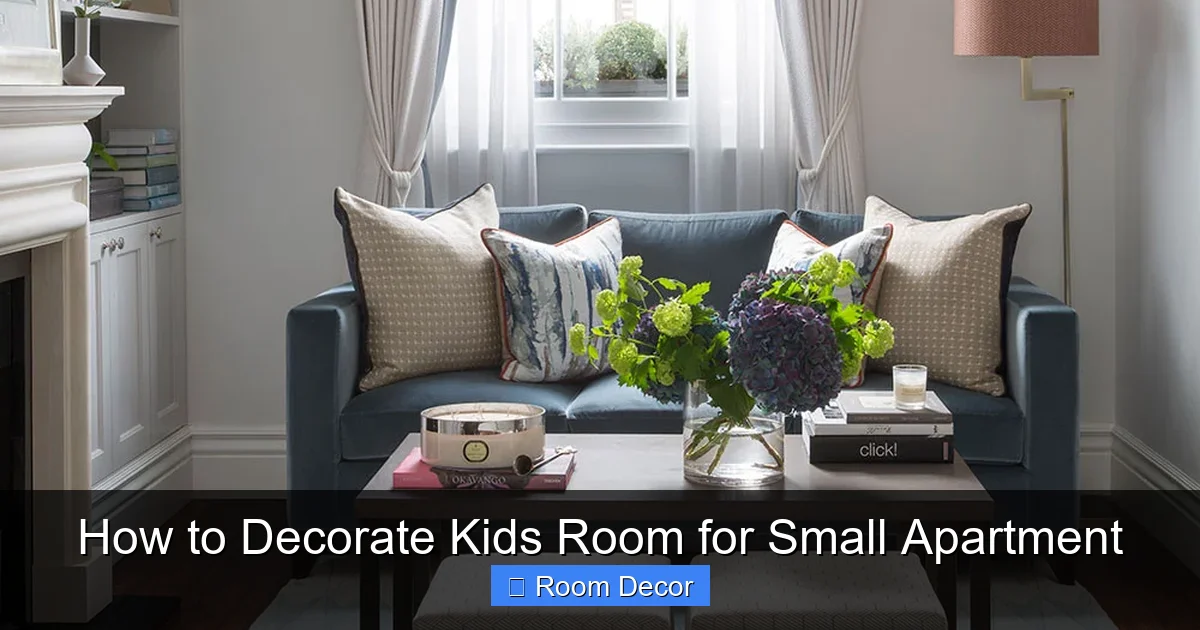
Decorating a kids room in a small apartment presents unique challenges, but with smart strategies, you can create a functional and delightful space. Focus on maximizing vertical space, investing in multi-functional furniture, and implementing clever storage solutions to keep clutter at bay. By prioritizing organization and thoughtful design, you can transform a compact area into a vibrant and inspiring haven for your child, proving that small spaces can still offer big dreams.
How to Decorate Kids Room for Small Apartment
Living in a small apartment often means getting creative with every square inch, especially when it comes to decorating a kids room. It might seem like a daunting task to fit all the essentials – a bed, storage for toys and clothes, and enough space for play – into a compact area. But don’t worry! With smart planning and clever design choices, you can transform even the tiniest room into a functional, fun, and inspiring haven for your child.
This comprehensive guide will walk you through practical steps and innovative ideas to decorate kids room for small apartment spaces. We’ll show you how to maximize every corner, choose multi-functional items, and create an environment that encourages creativity and organization, all while reflecting your child’s unique personality. Get ready to turn that small room into a big dream!
Key Takeaways
- Maximize Vertical Space: Utilize walls with bunk beds, loft beds, and vertical shelving to free up precious floor area, making the room feel larger and more functional for play.
- Choose Multi-Functional Furniture: Invest in pieces that serve dual purposes, such as storage beds with drawers underneath, ottomans with hidden compartments, or desks that fold away when not in use.
- Implement Smart Storage Solutions: Go beyond conventional options with under-bed storage bins, wall-mounted pockets, and clever built-ins to keep toys, books, and clothes organized and out of sight.
- Embrace Light Colors and Mirrors: Light paint colors on walls and strategically placed mirrors can visually expand a small room, making it feel brighter, airier, and more open.
- Define Zones Without Walls: Use area rugs, lighting, or thoughtful furniture arrangement to create distinct areas for sleep, play, and study, even in a single, open-concept room.
- Personalize Thoughtfully: Displaying cherished items, rotating toys, and using removable wall decals keeps the room fresh and personal without overwhelming the limited space with permanent clutter.
- Prioritize Safety and Accessibility: Ensure all tall furniture is anchored to the wall, keep pathways clear, and make sure storage and essentials are within your child’s safe reach, adapting the room as they grow.
Step 1: Evaluate Your Space and Child’s Needs
Before you even think about buying furniture or paint colors, the very first step to successfully decorate kids room for small apartment living is to thoroughly understand your space and your child’s requirements. This foundational assessment will guide all your subsequent decisions.
Measure and Map It Out
Grab a tape measure and a piece of paper! Accurately measure the room’s dimensions, including walls, windows, and door frames. Note the location of electrical outlets and light switches. Draw a simple floor plan to scale; this will be invaluable for planning furniture placement. Knowing these details will prevent costly mistakes and help you visualize what can actually fit. Don’t forget to measure the height of the walls, as vertical space is your best friend in a small apartment.
Consider Your Child’s Age and Interests
A toddler’s room has different needs than a teenager’s. For younger children, safety and accessibility are paramount, with plenty of floor space for play. Older kids might need a dedicated study area or more sophisticated storage. Involve your child in the process if they’re old enough! Asking about their favorite colors, characters, or activities can help personalize the space, making them feel more at home and invested in keeping it tidy. The goal is to decorate kids room for small apartment dwellers that truly reflects their evolving needs and personality.
Define Key Zones
Even in a tiny room, try to mentally (or physically with tape on the floor) delineate different zones: a sleeping area, a play zone, and potentially a small study or reading nook. This helps ensure that all essential functions are accounted for and prevents the room from feeling like a jumbled mess. For instance, a cozy rug can define a play area, while a small desk can clearly mark a study zone. This thoughtful zoning is crucial when you decorate kids room for small apartment living.
Step 2: Master Vertical Space Utilization
When floor space is limited, the only way to go is up! Maximizing vertical space is perhaps the most critical strategy when you decorate kids room for small apartment living. It allows you to fit more functions into the room without making it feel cramped.
Elevate with Bunk and Loft Beds
This is a game-changer for small rooms. A bunk bed provides two sleeping areas in the footprint of one, perfect for siblings sharing a room. A loft bed, on the other hand, elevates a single bed, leaving the entire area underneath open for a desk, a play zone, or even a mini-lounge area. These beds are an investment but pay off hugely in terms of space saving. Look for models with built-in shelves or desks underneath for even greater efficiency.
Install Wall-Mounted Shelving and Storage
Instead of bulky bookshelves, opt for floating shelves or wall-mounted cubbies. These take up no floor space and can hold books, small toys, decorative items, or even art supplies. Make sure they are securely installed and at a height accessible to your child, or out of reach for items you want to keep safe. Consider open shelving to display cherished items, or cubbies with bins to hide clutter.
Utilize Wall Organizers
Beyond shelves, there’s a whole world of wall organizers! Think pegboards where you can hang baskets, hooks, and shelves that can be reconfigured. Fabric wall pockets are great for storing small toys, art supplies, or even pajamas. Magnetic strips can hold cars or hairpins. These simple additions can add significant storage without encroaching on precious floor space. When you decorate kids room for small apartment, every inch of wall counts.
Step 3: Invest in Multi-Functional Furniture
Every piece of furniture you bring into a small kids room should earn its keep by serving more than one purpose. This is a golden rule when you decorate kids room for small apartment spaces.
The Power of Storage Beds
Beyond bunk and loft beds, many standard beds now come with built-in storage solutions. Look for beds with integrated drawers underneath, headboards with shelves, or even platform beds that lift to reveal a huge storage compartment. These are perfect for stashing extra bedding, off-season clothes, or toys, keeping them out of sight and minimizing clutter.
Ottoman and Bench Seating
Instead of a regular chair, choose an ottoman or a bench that doubles as storage. Your child can sit on it to read or play, and inside, you can store books, blankets, or toys. They come in various sizes and colors, making them both practical and stylish additions to the room.
Modular and Foldable Pieces
Consider furniture that can be easily reconfigured or tucked away. A foldable desk can be pulled out for homework and then folded flat against the wall when not in use. Modular storage units can be arranged in various ways to fit different spaces and needs as your child grows. Bean bags are also great as they are light, flexible, and can be easily moved or tucked into a corner. These adaptable pieces are perfect for how to decorate kids room for small apartment homes.
Step 4: Implement Smart and Hidden Storage Solutions
Clutter is the enemy of small spaces. Effective and often hidden storage solutions are essential to keep a small kids room tidy and functional.
Under-Bed Storage Maximization
Even if your bed doesn’t have built-in drawers, you can still utilize the space underneath. Invest in shallow, rolling bins or baskets that fit perfectly. These are ideal for storing toys, out-of-season clothing, or extra blankets. Clear bins are great so you can easily see what’s inside.
Built-in Nooks and Crannies
If you have any awkward nooks, alcoves, or corners, explore custom built-in shelving or cabinets. Even shallow shelves (6-8 inches deep) can provide significant storage for books and small items without taking up much room. Built-ins make the most of every architectural feature and create a seamless, less cluttered look.
Door-Back and Corner Organizers
Don’t forget the back of the door! Over-the-door shoe organizers can hold art supplies, small toys, or even socks. Corner shelves or narrow corner cabinets can turn an otherwise unused space into valuable storage. These are simple yet effective ways to maximize vertical and often overlooked areas when you decorate kids room for small apartment.
Toy Rotation Systems
To combat toy overload, implement a toy rotation system. Keep only a selection of toys accessible in the room, storing the rest in bins elsewhere (e.g., a closet, under a bed, or in another room). Rotate toys every few weeks. This not only keeps the room tidier but also makes old toys feel new again, encouraging more focused play.
Step 5: Play with Light and Color to Expand Visually
The right color palette and lighting choices can dramatically alter the perception of space, making a small room feel larger, brighter, and more inviting. This is a crucial design aspect when you decorate kids room for small apartment.
Light and Bright Color Palettes
Stick to light, airy colors for walls, such as whites, creams, light grays, or soft pastels. These colors reflect light, making the room feel more expansive and open. You can add pops of brighter colors or patterns through accessories like bedding, rugs, or wall art, rather than painting entire walls. A monochromatic scheme using different shades of the same light color can also create a serene and spacious feel.
Strategic Mirror Placement
Mirrors are magic for small spaces! A large mirror placed strategically can reflect light and create the illusion of depth, effectively doubling the perceived size of the room. Place it opposite a window to amplify natural light, or on a wall that might otherwise feel enclosed. Ensure mirrors are securely mounted and shatter-proof for safety in a kids’ room.
Smart Lighting Choices
Good lighting is essential. Maximize natural light by using sheer curtains or blinds that can be fully pulled up during the day. For artificial lighting, layer your sources: a bright overhead light for general illumination, task lighting for a desk or reading nook, and ambient lighting (like string lights or a night light) for coziness. Avoid bulky floor lamps; opt for wall-mounted sconces or sleek table lamps if space allows. When you decorate kids room for small apartment, proper lighting can truly transform the atmosphere.
Step 6: Create Defined Zones Without Physical Barriers
Even without walls, you can create distinct areas for different activities within a small room. This helps with organization and gives the room a sense of purpose.
Use Rugs to Anchor Areas
An area rug is an excellent tool for defining zones. A colorful, soft rug can instantly mark out the “play zone” or a comfortable spot for reading. It adds warmth and texture while visually separating one area from another without the need for cumbersome dividers.
Furniture Arrangement for Flow
Arrange furniture intentionally to guide the eye and create pathways. For example, placing a desk against a wall creates a study area, while a small armchair and a lamp in a corner make a cozy reading nook. Try to keep the center of the room as open as possible to maintain a sense of spaciousness and allow for play.
Thoughtful Lighting to Delineate Zones
Different lighting can also help define zones. A bright, focused task lamp over a desk signals a study area. Softer, warmer lighting in a corner can make it feel like a calm reading nook. This subtle demarcation is very effective when you decorate kids room for small apartment.
Step 7: Personalize and Decorate with Purpose
A kids room should reflect their personality, but in a small space, every decorative item needs to have a purpose or be strategically placed to avoid clutter.
Display Art and Photos Smartly
Instead of scattering frames everywhere, create a gallery wall using lightweight frames or clipboards. This allows for easy rotation of your child’s artwork or family photos. Removable wall decals are also fantastic for adding personality without permanent commitment, and they take up no physical space. A pegboard can also double as a display for art and small items.
Keep Decor Minimal Yet Meaningful
Resist the urge to over-decorate. Choose a few meaningful pieces that truly resonate with your child. Less is more in a small space. Focus on quality over quantity. For instance, one large, vibrant piece of art can make a statement without adding visual noise.
Adapt as They Grow
A child’s interests and needs change rapidly. Choose decor elements that are easy to update or swap out. For instance, themed bedding can be changed more easily than painted murals. Storage solutions that can transition from toy storage to book storage are also smart investments. This flexibility is key when you decorate kids room for small apartment for long-term use.
Step 8: Prioritize Safety and Accessibility
Safety is paramount in any kids’ room, especially in a small space where items might be closer together.
Anchor All Tall Furniture
Always anchor dressers, bookshelves, and other tall furniture to the wall to prevent tip-overs. This is a non-negotiable safety measure, particularly important in a small room where a child might try to climb or furniture could be unstable.
Clear Pathways and Corners
Ensure there are clear pathways free of tripping hazards. Avoid placing furniture in ways that block natural movement or create sharp corners that children might bump into. If possible, opt for furniture with rounded edges.
Child-Friendly Materials and Reach
Choose non-toxic paints and finishes. Make sure that items your child needs regularly – like clothes, books, and toys – are within their easy and safe reach. Higher shelves should be reserved for items you want to keep out of reach or items that are less frequently used. When you decorate kids room for small apartment, thoughtful placement reduces frustration and encourages independence.
Troubleshooting: Adapting to Growth and Mess
One of the biggest challenges when you decorate kids room for small apartment is keeping up with a child’s growth and the inevitable mess.
* Growing Pains: As your child grows, their needs will change. Be prepared to re-evaluate and adapt the room every few years. A play mat might become a study desk area, or a crib might become a loft bed. Embrace the flexibility of modular furniture and easily changeable decor.
* Tackling the Mess: Despite all your efforts, kids will make messes. The key is to have a place for everything. Involve your child in daily tidy-up routines. Labels on storage bins, clear expectations, and making clean-up a game can all help maintain order. Regular decluttering sessions (monthly or quarterly) are also essential to remove outgrown toys or clothes.
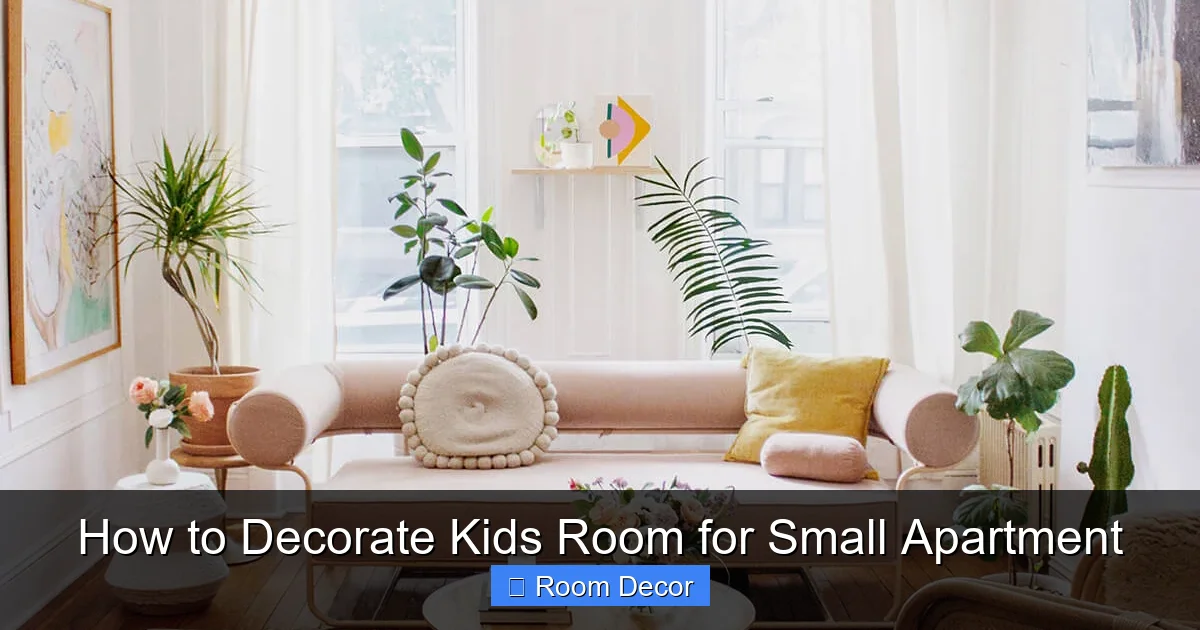
Visual guide about How to Decorate Kids Room for Small Apartment
Image source: homebnc.com
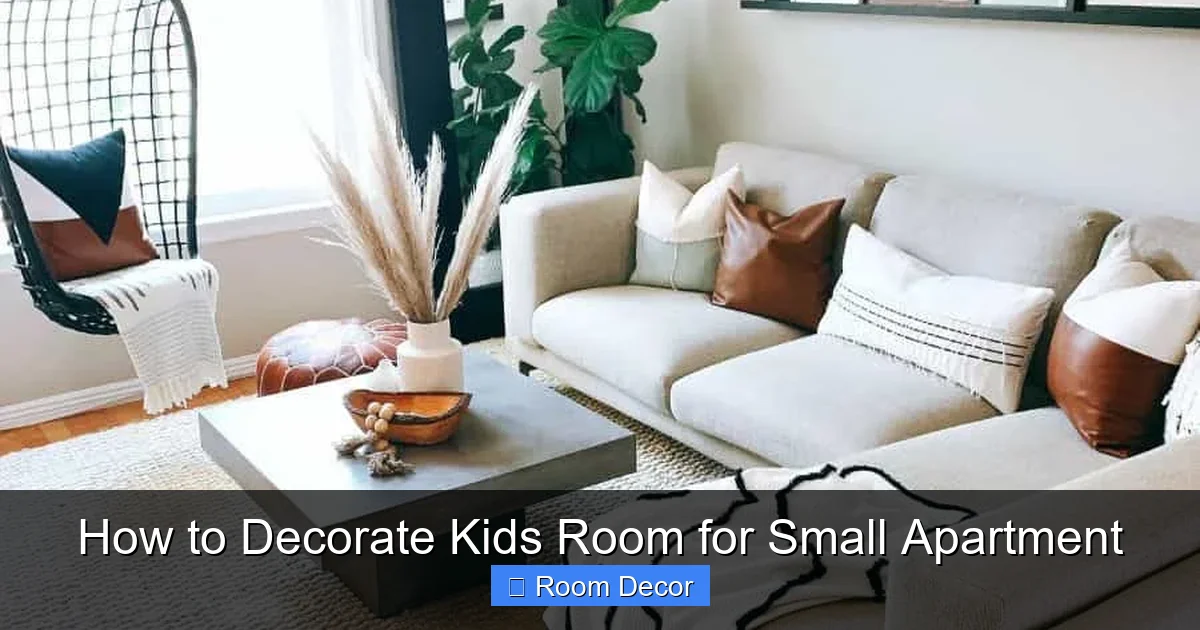
Visual guide about How to Decorate Kids Room for Small Apartment
Image source: nextluxury.com
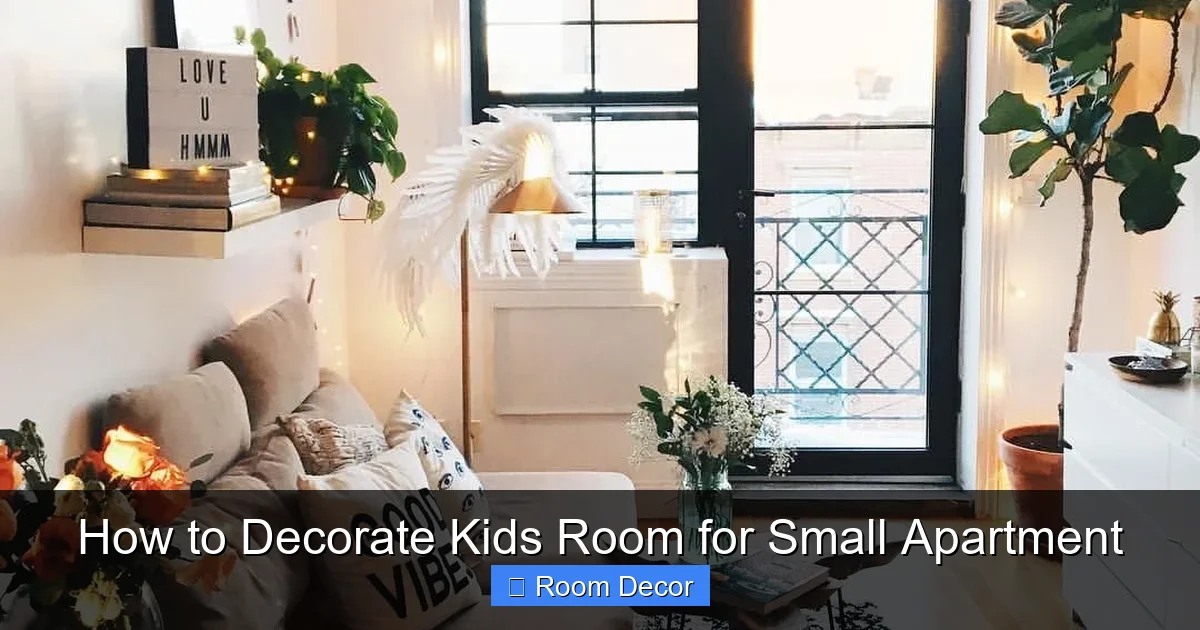
Visual guide about How to Decorate Kids Room for Small Apartment
Image source: i.pinimg.com
Conclusion
Decorating a kids room for a small apartment might seem challenging, but with creativity and smart planning, it’s entirely achievable to create a space that is both highly functional and wonderfully inviting. By focusing on maximizing vertical space, investing in multi-functional furniture, implementing clever storage solutions, and making smart design choices with light and color, you can transform any compact room into a personalized haven for your child.
Remember to involve your child in the process, prioritize safety, and design for flexibility to accommodate their changing needs. A small room doesn’t mean small dreams; with these tips, you’ll be well on your way to creating a beautiful, organized, and inspiring space where your child can thrive, play, and grow. Enjoy the process of bringing your vision to life!