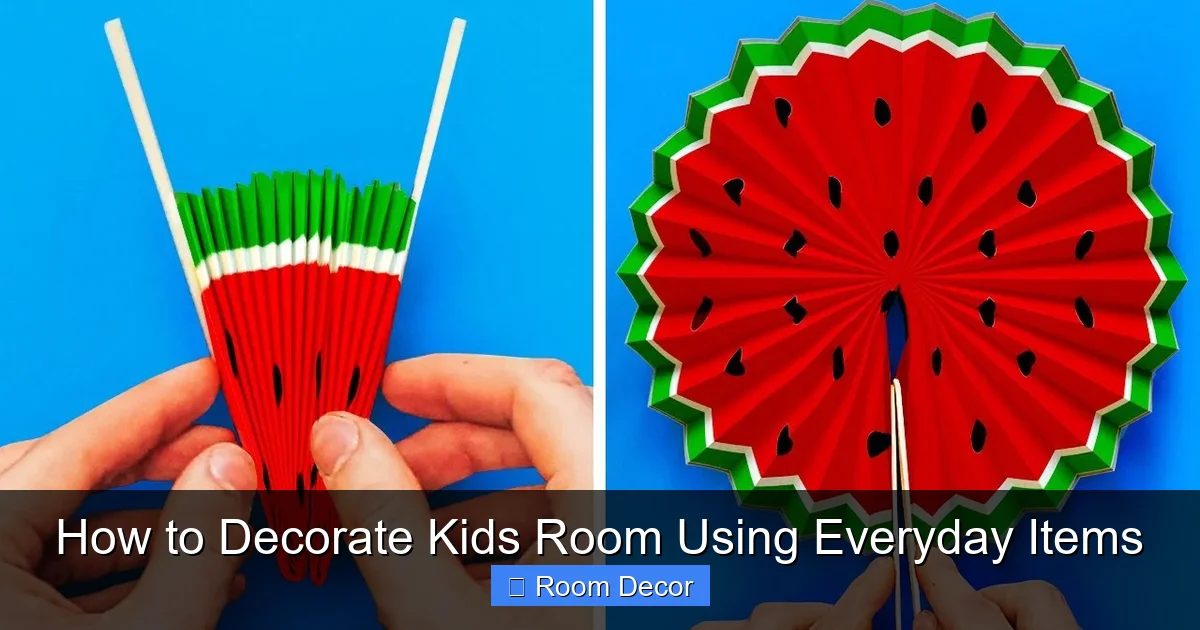
Transforming a child’s room doesn’t require a big budget or new purchases. This guide teaches you how to decorate kids room using everyday items, turning common household objects into charming and functional decor. Learn creative ways to repurpose furniture, craft unique wall art, and design clever storage solutions, all while personalizing the space and involving your child in the process. Embrace creativity and sustainability to design a room your child will adore without breaking the bank.
How to Decorate Kids Room Using Everyday Items
Welcome, fellow parents and creative spirits! Are you dreaming of a magical, inspiring, and fun room for your child, but feeling overwhelmed by the cost of new decor? Good news! You absolutely can create an amazing space without emptying your wallet or hitting up every furniture store. This comprehensive guide will show you exactly how to decorate kids room using everyday items you likely already have around the house.
Forget expensive trends and embrace the beauty of repurposing, DIY, and personal touches. We’ll transform ordinary objects into extraordinary decor, turning your child’s room into a unique haven that reflects their personality and your family’s creativity. Not only is this approach budget-friendly and sustainable, but it also allows for a truly one-of-a-kind design. We’ll cover everything from furniture hacks to wall art, storage solutions, and involving your little ones in the process. Let’s get started on creating a fantastic space your kids will adore!
Key Takeaways
- Embrace Repurposing: Look at common household items, old furniture, and even your child’s artwork as potential decor elements waiting for a new purpose.
- Define a Theme or Palette: Even with repurposed items, choosing a simple color scheme or theme helps create a cohesive and visually pleasing space.
- Involve Your Child: Empower your child by letting them contribute ideas and participate in the decorating process, making the room truly theirs.
- Prioritize Functionality and Storage: Creative storage solutions using everyday items are essential for keeping a kids’ room tidy and organized.
- Get Creative with Wall Decor: Walls offer a blank canvas for displaying children’s art, fabric scraps, or even painted plates, adding character and visual interest.
- Safety First: Always ensure that repurposed items are thoroughly cleaned, sanded if necessary, and securely fastened, especially when decorating for younger children.
- Personalize the Space: Incorporate photos, cherished mementos, and handmade items to create a warm, inviting, and unique environment that reflects your child’s personality.
Step 1: Declutter and Assess Your Space
Before you dive into decorating, the first crucial step is to prepare the canvas. This involves decluttering and taking stock of what you already have.
Start with a Clean Slate
Begin by removing everything from the room that doesn’t belong. This means toys that have migrated, clothes that need to be put away, and anything else creating visual clutter. A clean, empty space helps you visualize possibilities and identify areas that need attention. Sort through toys, clothes, and books, deciding what to keep, donate, or discard. Less clutter makes decorating easier and maintaining the room simpler in the long run. When you want to decorate kids room using everyday items, a clear view of the space is invaluable.
Inventory Your “Everyday Items”
Now, for the fun part! Walk through your home with fresh eyes, looking for items that could be repurposed for your child’s room. Don’t limit yourself to obvious decor. Think about:
- Old Furniture: Dressers, nightstands, shelves, small chairs.
- Textiles: Old sheets, blankets, curtains, t-shirts, fabric scraps, towels.
- Kitchenware: Plates, trays, old colanders, mugs.
- Containers: Shoeboxes, sturdy cardboard boxes, empty food containers, baskets, buckets.
- Craft Supplies: Yarn, buttons, beads, ribbons, paint.
- Nature Finds: Pinecones, branches, smooth stones, shells.
- Kids’ Creations: Drawings, paintings, handmade crafts.
- Books and Magazines: For cut-outs or covers.
- Photos and Mementos: Cherished family pictures, postcards, ticket stubs.
Collect these items in one spot. This inventory will be your treasure chest of potential decor pieces. This is how you begin to truly decorate kids room using everyday items effectively.
Step 2: Choose a Theme or Color Palette
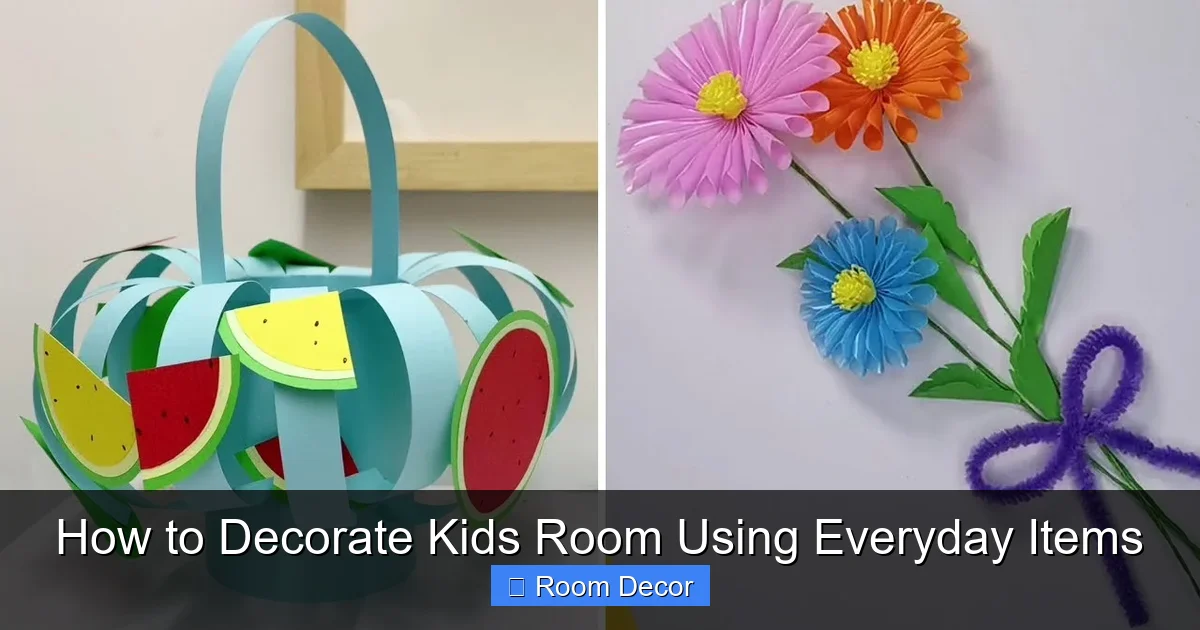
Visual guide about How to Decorate Kids Room Using Everyday Items
Image source: i.ytimg.com
Even with a collection of repurposed items, a cohesive look is essential. A simple theme or color palette will tie everything together, creating a harmonious and inviting atmosphere.
Involve Your Child in the Vision
This is *their* room, so their input is incredibly important! Sit down with your child and discuss what they love. Do they have a favorite animal, color, storybook character, or activity?
- Brainstorm Ideas: Talk about colors (blue, green, yellow, pink, etc.), themes (space, jungle, underwater, forest, dinosaurs, fairies, sports), or specific characters.
- Look at Books/Pictures: Flip through books or magazines with them to get inspiration.
- Keep it Simple: You don’t need an elaborate theme. A focus on “animals” or “bright colors” is often enough to guide your choices.
Their excitement will make the project even more rewarding. When you work together to decorate kids room using everyday items, the result feels more personal.
Look for Inspiration in Everyday Objects
Once you have a general idea, start sifting through your inventoried items. Do any of them naturally fit the chosen theme or color palette?
- Color Match: An old blue blanket could become a “sky” element for a space theme. A green t-shirt could be part of a “jungle” vibe.
- Shape/Pattern: A polka-dot scarf might inspire a fun, playful room. A plate with a floral pattern could be the starting point for a garden theme.
- Combine Ideas: Don’t be afraid to mix and match. A “forest adventure” theme could incorporate animal drawings, natural elements like branches, and green/brown textiles.
Having a direction will help you decide how to transform each item creatively.
Step 3: Repurpose Furniture and Functional Pieces
Visual guide about How to Decorate Kids Room Using Everyday Items
Image source: i.ytimg.com
Old furniture often has good bones and just needs a little love to become a standout piece in a kids’ room. This is a prime area to decorate kids room using everyday items.
Give Old Furniture a New Lease on Life
A plain or worn piece of furniture can be completely transformed.
- Paint Power: An old dresser or nightstand can be painted a vibrant color that matches your theme. Use stencils for fun patterns (stars, polka dots, stripes) or let your child help with handprints (sealed with a topcoat). Always use low-VOC (volatile organic compound) paints for children’s rooms and allow for plenty of ventilation and drying time.
- Contact Paper or Wallpaper Scraps: Cover drawer fronts, tabletops, or the back of a bookshelf with colorful contact paper or leftover wallpaper. This is an easy way to add pattern and protect surfaces.
- Fabric Panels: Cut fabric to size and glue it onto flat surfaces like the side of a chest of drawers or a shelf backer for a softer look.
- Safety Tip: Ensure all furniture is stable and anchored to the wall to prevent tipping, especially taller pieces like dressers and bookshelves. Sand down any rough edges and use child-safe finishes.
Transform Storage with Fabric and Paint
Every kids’ room needs practical storage, and you can create stylish solutions from mundane items.
- Shoebox Makeovers: Cover shoeboxes with fabric scraps, decorative paper, or paint them in bright colors. These are perfect for storing small toys, craft supplies, or accessories on shelves.
- Cardboard Box Cubbies: Stack sturdy cardboard boxes (e.g., from appliance deliveries) to create modular storage cubbies. Paint them, line them with fabric, or cover them with contact paper. Ensure they are stable and potentially glued together for safety.
- Old Basket Revival: If you have old laundry baskets or decorative baskets, clean them thoroughly. You can paint them, add fabric liners, or tie colorful ribbons around them to match your room’s aesthetic. They’re great for storing plush toys, blankets, or larger items.
Reimagine Smaller Items for New Uses
Think outside the box for smaller, functional decor.
- Old Mug Holders: Securely mount sturdy old mugs or teacups to a piece of wood (painted and decorated) to create unique wall hooks for light items like necklaces, ribbons, or small bags.
- Tin Can Organizers: Cleaned tin cans (ensure no sharp edges!) can be painted or covered and then grouped together on a desk to hold pens, pencils, crayons, or paintbrushes.
By creatively transforming these pieces, you can truly decorate kids room using everyday items, giving them a fresh, purposeful life.
Step 4: Create Engaging Wall Decor
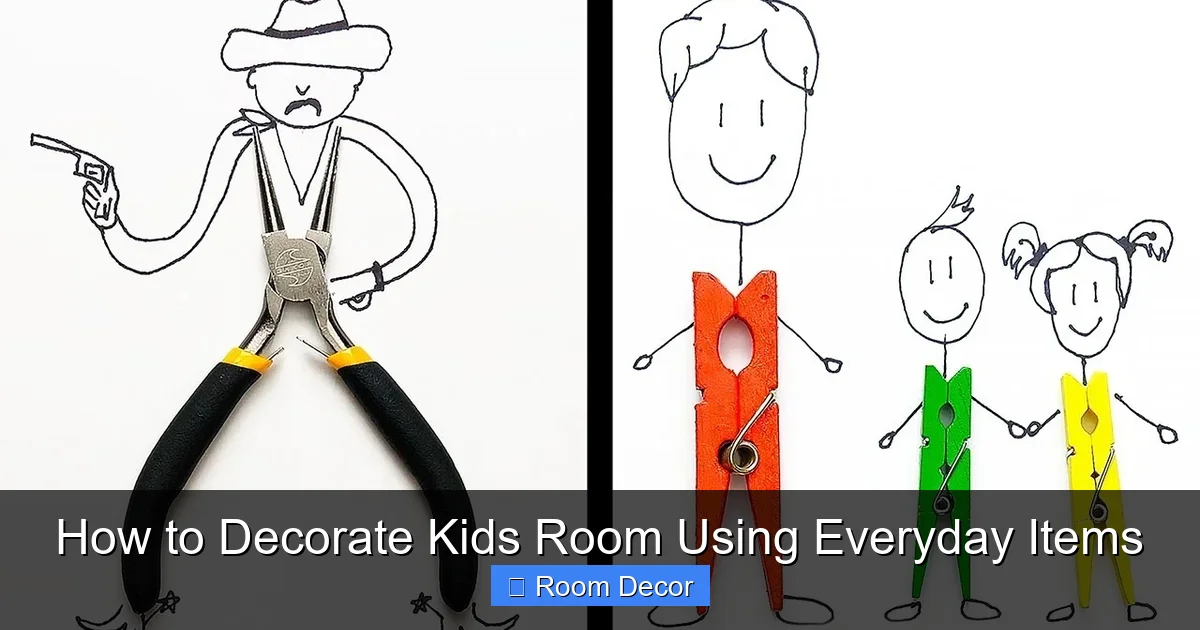
Visual guide about How to Decorate Kids Room Using Everyday Items
Image source: i.ytimg.com
Walls are often the largest blank canvas in a room. They offer fantastic opportunities to add personality, color, and storytelling without spending much.
Display Kids’ Art and Craft Projects
Nothing is more personal or heartwarming than displaying your child’s own creations.
- Gallery Wall: Create an ever-evolving gallery wall using clipboards, clotheslines with clothespins, or simple picture frames. Rotate their artwork regularly to keep it fresh and celebrate their latest masterpieces.
- DIY Frames: Frame your child’s drawings using painted cereal box cardboard or craft sticks glued together. You can even use old book covers as unique backing for smaller pieces.
- Shadow Boxes: Repurpose old shoeboxes into shadow boxes to display small sculptures, collected treasures, or special handmade crafts. Paint the inside and add a simple shelf or hook.
Fabric Swatches and Old Clothing as Art
Textiles add warmth and texture to walls.
- Fabric Patchwork: Cut interesting patterns or colors from old clothing (like a beloved but outgrown baby blanket, a favorite t-shirt, or old denim) or fabric scraps. Arrange them into a quilt-like pattern and glue or sew them onto a piece of canvas or sturdy cardboard.
- Hanging Tapestries: Drape a colorful old scarf, a patterned pillowcase, or a piece of a vibrant old curtain as a mini-tapestry. Secure it to a painted stick or a thin dowel rod.
- Button Art: If you have a collection of old buttons, glue them onto a piece of fabric or cardboard in the shape of an animal, a letter, or an abstract design.
Everyday Objects as Wall Hangings
Look at ordinary items with an artistic eye.
- Painted Plates/Trays: If you have old decorative plates or serving trays that are no longer used, paint them with fun designs, patterns, or even characters. Group them on a wall for a quirky and colorful display. Ensure they are securely mounted with proper plate hangers.
- Book Page Art: Carefully tear pages from old, damaged books (preferably those beyond repair) and use them as a backdrop for drawings or to create collages. You can also frame interesting illustrations.
- Cutlery Decor: For a quirky kitchen or food-themed room, an old set of clean, decorative forks, spoons, or whisks can be painted and arranged creatively on a wall hook or small shelf.
Nature’s Bounty for Decorative Touches
Bring the outdoors in with natural elements.
- Branch Art: Find a sturdy, interesting branch, clean it thoroughly, and perhaps paint it a fun color or metallic shade. Mount it horizontally on the wall and hang lightweight items from it, like small drawings, painted pinecones, or DIY felt ornaments.
- Stone Mosaics: Gather smooth, colorful stones. These can be painted or left natural and then glued onto a wooden board or a piece of slate to create a simple mosaic.
- Pressed Flowers/Leaves: Press flowers and leaves with your child and then arrange them in old picture frames or glue them onto cardstock to create beautiful, delicate art pieces.
The possibilities are endless when you get creative to decorate kids room using everyday items for wall decor.
Step 5: Invent Clever Storage Solutions
A tidy room is a happy room, especially for kids! Creative storage is key to managing toys, books, and clothes.
Baskets, Bins, and Boxes Galore
These are your best friends for organization.
- Upcycled Baskets: As mentioned, old laundry baskets, wicker baskets, or even sturdy cardboard boxes can be transformed. Paint them, add fabric liners, or cover them with rope or yarn for a textured look. Label them with pictures or words to help your child know where everything goes.
- Fabric Bins: If you’re handy with a sewing machine, old sturdy fabric (like canvas or denim from old jeans) can be sewn into simple bins. Alternatively, cover plastic containers with fabric.
- Suitcase Storage: An old, clean suitcase can be a charming storage spot for dress-up clothes, blankets, or even a collection of special toys. Stack a few for a unique display.
Over-the-Door Organizers for Small Items
Utilize vertical space, especially in smaller rooms.
- Shoe Organizers: A clear, over-the-door shoe organizer with multiple pockets is fantastic for storing small toys like action figures, hair accessories, craft supplies, or even socks and underwear.
- Fabric Pockets: Sew various-sized pockets onto a piece of sturdy fabric and hang it on the back of the door or on a wall. This is great for displaying small books, art supplies, or tiny treasures.
DIY Shelving and Display Nooks
Create functional and decorative surfaces.
- Book Sling: Use an old durable canvas or a sturdy tea towel to create a “book sling.” Attach the ends to two pieces of painted wood (or sturdy branches) and mount them to the wall. This is a lovely way to display books with their covers facing out.
- Stacking Crates: If you have sturdy wooden crates (ensure they are clean and sanded smooth), you can stack them or mount them on the wall to create open shelving for books or display items. Paint them to match your room’s theme.
- Spice Racks for Books: Old, shallow spice racks can be repurposed as perfect narrow bookshelves for displaying picture books or small toy collections.
These imaginative storage solutions make it easy to decorate kids room using everyday items while keeping things organized.
Step 6: Add Personal Touches and Cozy Lighting
The finishing touches bring warmth, comfort, and personality to the room.
Showcase Photos and Mementos
Make the room truly special by celebrating family and memories.
- Photo Display: Print out favorite family photos or pictures of your child with friends. Display them in repurposed frames (painted or decorated) or string them along a simple twine with small clothespins.
- Memory Jar/Box: Use a clean glass jar or a decorated shoebox to collect small mementos, tickets, or natural finds that hold special meaning for your child.
Craft Simple, Warm Lighting
Lighting can drastically change the mood of a room.
- DIY Lampshade: If you have a plain lampshade, you can cover it with fabric scraps, glue on pompoms, or draw designs directly onto it (with child-safe markers).
- Fairy Lights with Everyday Items: String fairy lights (battery-operated are safest for kids’ rooms) around an interesting branch, inside a glass jar, or along a fabric garland made from old t-shirts.
- Plastic Bottle Lanterns: Cut the bottoms off plastic bottles, paint them, and attach them over individual LED fairy light bulbs (ensuring sufficient ventilation and distance from the bulb). Always use LED lights as they don’t produce heat, making them safer for DIY projects.
Bring in Comfort with Textiles
Soft elements make a room feel inviting.
- Pillow Covers from Old Clothes: Transform old t-shirts, sturdy fabric scraps, or old pillowcases into unique cushion covers. Simply cut to size and sew or use fabric glue.
- Blanket Fort Kit: Gather old blankets, sheets, and scarves in a basket, along with some clips or clothespins, to encourage imaginative play and cozy reading nooks.
These personal touches are what truly allow you to decorate kids room using everyday items in a meaningful way.
Step 7: Involve Your Child in the Decorating Process
The best way to ensure your child loves their room is to let them be part of creating it.
Empower Their Choices
From choosing colors to deciding where things go, involving your child fosters a sense of ownership and pride.
- Color Decisions: Let them pick the paint color for a dresser or the main accent color for the room. Offer them a few pre-approved, child-friendly options to choose from.
- Placement Power: Ask them where they think certain items should go. “Should the art go here or there?” “Where would your toys be easiest to find?”
Make it a Fun Project Together
Turn decorating into a series of fun craft sessions.
- Painting Parties: Give them a paintbrush (and an old shirt!) to help paint an old frame or a cardboard box.
- Scrapbooking/Collage: Work together to cut out pictures from old magazines or fabric scraps to create a collage for the wall.
- Nature Walks: Go on an adventure together to find interesting leaves, pebbles, or small branches that can be incorporated into the decor.
When kids help decorate kids room using everyday items, they learn about creativity, resourcefulness, and gain valuable memories.
Conclusion
Decorating a kids’ room doesn’t have to be a daunting or expensive task. By looking at your everyday items with a creative eye, you can transform ordinary objects into extraordinary decor. From repurposing old furniture with a fresh coat of paint to crafting whimsical wall art from fabric scraps and inventing clever storage solutions from cardboard boxes, the possibilities are truly endless.
The most magical aspect of this approach is the personal touch it brings. Each piece tells a story, often created with love and care, and sometimes even with your child’s own hands. Not only will you create a unique, budget-friendly, and sustainable space, but you’ll also make lasting memories with your child as you collaborate on this exciting project. So go ahead, gather your everyday treasures, unleash your imagination, and decorate kids room using everyday items to build a space your little ones will cherish!