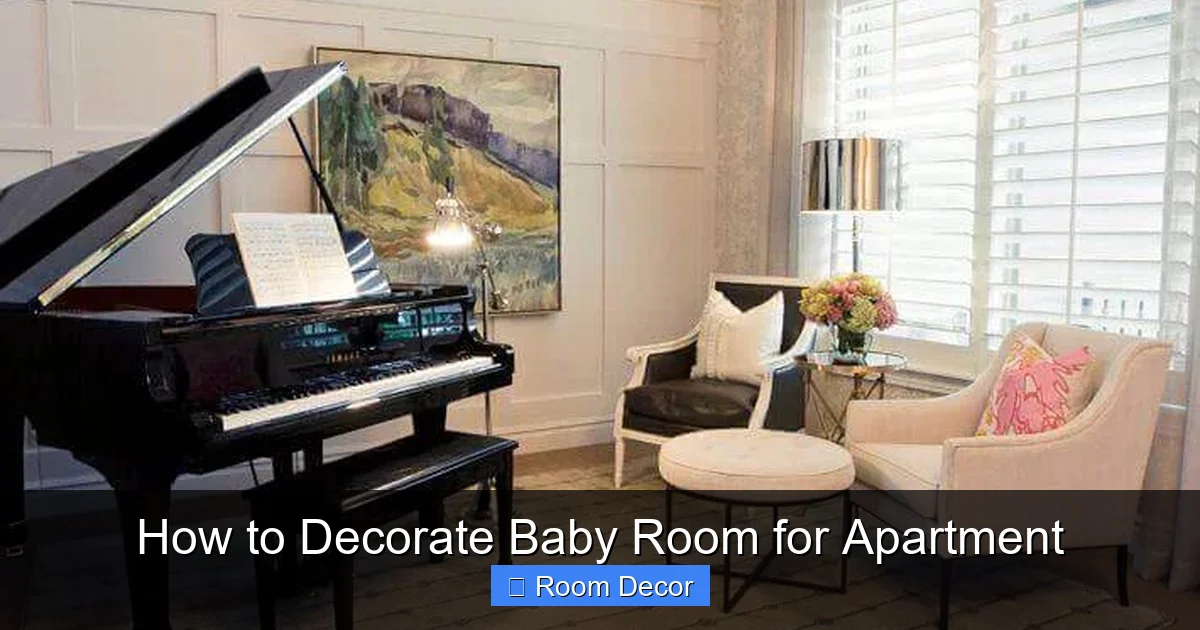
Decorating a baby room in an apartment requires creativity and smart planning to maximize small spaces. Focus on multi-functional furniture, vertical storage, and a well-planned layout to create a cozy, safe, and functional nursery nook. Prioritize light colors and mindful decor to make the space feel larger and more inviting for your little one, ensuring a beautiful space even without a dedicated room.
How to Decorate Baby Room for Apartment
Congratulations, you’re expecting! One of the most exciting parts of preparing for a new baby is setting up their nursery. But what if you live in an apartment? You might be wondering how to decorate a baby room for apartment living, especially when space is at a premium. Don’t worry, creating a beautiful, functional, and safe nursery for your little one in a compact space is not only possible but can be incredibly rewarding. It just requires a bit of clever planning, smart choices, and a dash of creativity.
This comprehensive guide will walk you through every step of how to decorate a baby room for apartment life. We’ll cover everything from assessing your space and choosing the right furniture to maximizing storage, selecting decor, and ensuring safety. By the end, you’ll have all the tips and tricks to transform even the smallest corner into a cozy haven for your baby.
Key Takeaways
- Embrace Multi-functional Furniture: Opt for pieces that serve more than one purpose, like a changing table with drawers or a convertible mini-crib, to maximize utility in limited square footage.
- Prioritize Vertical Storage: Utilize wall space with shelves, wall-mounted organizers, and tall, slim dressers to keep essentials organized without cluttering the floor.
- Create Defined Zones: Even in a single room, delineate areas for sleeping, changing, and feeding using rugs, clever furniture placement, or temporary dividers to bring structure to your apartment baby room.
- Choose Light Colors and Mindful Decor: Bright, neutral colors reflect light, making a small space feel larger and airier. Use mirrors, decals, and soft textures to add interest without overwhelming the room.
- Focus on Safety and Accessibility: Secure all furniture, manage cords, and ensure easy access to frequently used items. Child-proof your space early to create a secure environment for your growing baby.
- Plan Your Layout Meticulously: Before buying, sketch out your room or nook. Consider traffic flow and the placement of essential items to ensure functionality and comfort.
- Personalize with Thoughtful Touches: Despite space constraints, infuse personality with meaningful artwork, photographs, and cherished items to make the apartment baby room feel truly special and inviting.
Step 1: Assess Your Space & Needs
Before you buy a single item, take stock of what you have. This is crucial when you want to decorate a baby room for apartment living.
Identify the “Nursery Nook”
Do you have a spare bedroom, or will the baby share your room? Perhaps there’s a quiet corner in the living room or an unused alcove. Clearly define the area you’ll be dedicating to the baby. Measure it thoroughly – height, width, and depth. This will dictate your furniture choices and layout.
Prioritize Essential Furniture
What are the absolute must-haves for your baby’s first few months? Generally, these include:
- A safe sleeping space (crib, bassinet, or co-sleeper)
- A changing station
- Storage for clothes and diapers
- A comfortable feeding/rocking chair (optional, but highly recommended if space allows)
Focus on these core items first. You can add non-essentials later if space permits.
Consider Multi-functional Pieces
This is arguably the most important tip when you decorate a baby room for apartment settings. Every item should ideally serve more than one purpose. Think convertible cribs, dressers that double as changing tables, or ottomans with storage inside. This minimizes clutter and maximizes utility.
Step 2: Plan Your Layout & Flow
A well-thought-out layout makes a small space feel more organized and prevents it from feeling cramped.
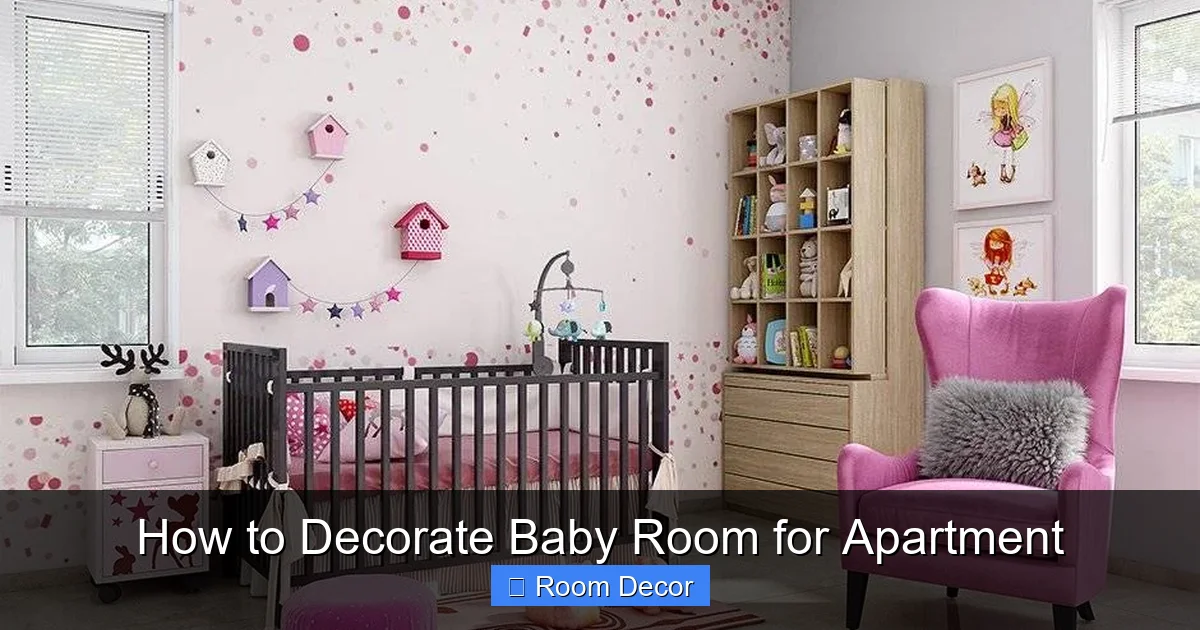
Visual guide about How to Decorate Baby Room for Apartment
Image source: media.designcafe.com
Sketch it Out
Grab a piece of graph paper or use an online room planner. Draw your chosen nursery space to scale. Then, draw your essential furniture pieces to scale and move them around on your sketch. This visual planning helps you see what fits and what doesn’t, allowing you to optimize traffic flow and avoid awkward arrangements. Think about where doors open and if windows are accessible.
Safety First
Position the crib away from windows, blinds, cords, and heat sources. Ensure there’s enough space around the crib for easy access and safe movement. When you decorate a baby room for apartment living, safety should always be paramount.
Create Zones
Even if it’s just a corner of your bedroom, try to create distinct “zones.” For example, a “sleeping zone” with the crib, a “changing zone” with the changing station, and a “feeding zone” with the glider. This helps keep the space functional and organized, giving each activity its own dedicated area.
Step 3: Embrace Smart Storage Solutions
Storage is your best friend when you decorate a baby room for apartment life. Babies come with a surprising amount of stuff!
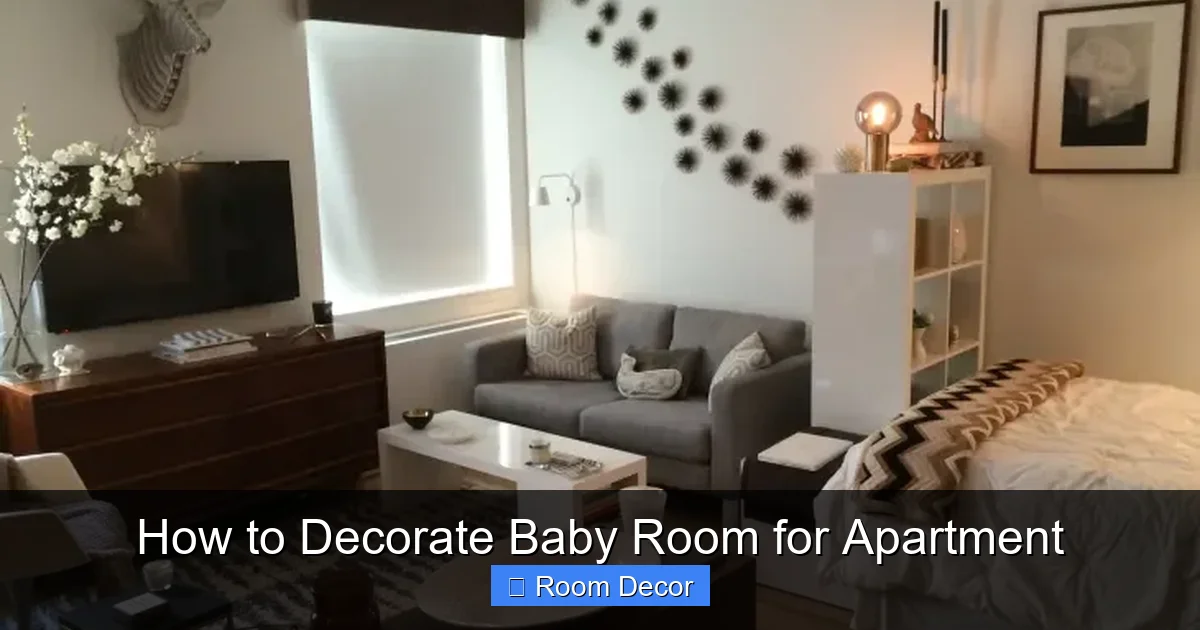
Visual guide about How to Decorate Baby Room for Apartment
Image source: cdn.apartmenttherapy.info
Go Vertical
Look up! Walls are often underutilized real estate. Install floating shelves above the changing table for diapers and wipes, or use tall, slim bookcases for books and toys. Wall-mounted baskets can hold small items, keeping them off surfaces and out of the way.
Under-Furniture Storage
Don’t let the space under the crib or changing table go to waste. Use slim storage bins or drawers on wheels to tuck away extra blankets, out-of-season clothes, or larger toys. This hidden storage is a lifesaver for small spaces.
Wall-Mounted Organizers
Consider door-mounted organizers or fabric pockets that hang on the wall. These are perfect for small items like pacifiers, socks, burp cloths, or even art supplies as your baby grows. They are incredibly useful when you want to decorate a baby room for apartment living without adding bulky furniture.
Portable Storage
A stylish rolling cart can be a versatile addition. Use it to store diapering essentials that can be moved to the living room during the day and back to the nursery nook at night. Baskets and bins are also great for containing toys or laundry and can be easily moved or stacked.
Step 4: Choose Colors & Decor Wisely
Colors and decor can significantly impact how large or small a room feels. When you decorate a baby room for apartment living, these choices are vital.
Light & Bright Hues
Opt for light, neutral colors for walls and large furniture items – think whites, creams, pale grays, or soft pastels. These colors reflect light, making the room feel more open, airy, and spacious. Dark colors tend to absorb light and can make a small room feel even smaller.
Accent Walls & Decals
If you want to add a pop of color or pattern without overwhelming the space, consider an accent wall. If painting isn’t an option (common in apartments), removable wallpaper or wall decals are fantastic alternatives. They add personality and can be changed easily.
Personal Touches
Infuse the space with items that bring you joy. Framed photos, sentimental artwork, or handmade decor can make the nursery feel warm and inviting. Just be mindful not to over-clutter surfaces. Less is often more in a small space.
Mindful Lighting
Good lighting can make a small space feel larger and more welcoming. Supplement natural light with layers of artificial lighting: a soft ceiling light, a dimmable lamp for nighttime feedings, and perhaps a small nightlight. Avoid harsh, overhead lighting as the primary source.
Step 5: Select Space-Saving Furniture
This is where your meticulous planning from Step 2 really pays off. Choosing the right furniture is key to successfully decorate a baby room for apartment life.
Mini Cribs & Bassinets
Full-sized cribs can be bulky. Consider a mini crib, which is typically about two-thirds the size of a standard crib but still meets safety standards. Many mini cribs are also convertible, growing with your child. For the first few months, a bassinet or co-sleeper is perfect as it’s even smaller and often portable.
Changing Tables with Storage
Instead of a standalone changing table, opt for a dresser with a changing pad on top. This piece serves two functions: a changing station and clothing storage. Look for models with deep drawers to hold diapers, wipes, and clothes.
Gliders & Rockers
A comfortable chair for feeding and cuddling is a nursery essential. For apartments, choose a slim-profile glider or rocker. Avoid oversized, bulky recliners. Some gliders even come with built-in storage pockets on the sides.
Dressers & Wardrobes
If you have space for a dresser, choose a tall, narrow one rather than a wide, short one to maximize vertical storage. If your apartment has a closet, utilize closet organizers to create dedicated sections for baby clothes, blankets, and supplies, keeping them out of sight.
Step 6: Add Functional & Decorative Touches
These elements complete the look and enhance functionality when you decorate a baby room for apartment living.
Mirrors for Illusion
A well-placed mirror can make a small room feel significantly larger and brighter by reflecting light and creating the illusion of depth. Choose a mirror with a sturdy frame and ensure it’s securely mounted away from the crib.
Curtains & Blinds
Blackout curtains or blinds are essential for helping your baby sleep, especially if they are sharing your room or facing a bright window. Choose light-colored fabrics that complement your chosen color scheme to maintain an airy feel during the day.
Soft Furnishings
Add warmth and texture with soft furnishings. A plush rug can define the nursery area, muffle sound, and provide a soft spot for tummy time. Decorative pillows (removed during sleep), cozy blankets, and stuffed animals add comfort and personality.
Smart Tech for Comfort
Consider a sound machine to block out apartment noise, a smart thermometer to monitor room temperature, or a baby monitor for peace of mind. These small gadgets can significantly enhance comfort and safety without taking up much space.
Step 7: Prioritize Safety & Accessibility
Safety is non-negotiable, especially in a compact space where everything is within reach.
Secure Furniture
Anchor all tall furniture – dressers, bookcases, and changing tables – to the wall using anti-tip kits. This prevents accidental tip-overs, which are a major safety hazard for curious toddlers. This is a critical step when you decorate a baby room for apartment safety.
Cord Management
Ensure all cords from lamps, monitors, and sound machines are neatly tucked away and out of reach of little hands. Use cord covers or ties to bundle them up and secure them to the wall.
Child-Proofing Essentials
Install outlet covers, cabinet locks (if applicable), and corner guards on sharp furniture edges. Once your baby starts to crawl and explore, anything within their reach becomes fair game.
Easy Access to Essentials
Place frequently used items like diapers, wipes, and burp cloths within arm’s reach of the changing station and feeding area. This avoids fumbling around in the dark or leaving your baby unattended to search for supplies.
Troubleshooting Common Apartment Nursery Challenges
Even with careful planning, apartment living presents unique hurdles when you decorate a baby room for apartment life.
Limited Natural Light
If your nursery nook is dim, maximize light with mirrors, light-colored decor, and sheer curtains that allow maximum light penetration during the day. Consider full-spectrum light bulbs to mimic natural daylight, creating a more cheerful and stimulating environment.
Noise Issues
Apartments can be noisy. Combat this with a white noise machine or fan to create a consistent, soothing background sound. Thick rugs and textile wall hangings can also help absorb sound. If possible, position the crib away from shared walls or high-traffic areas.
Lack of Dedicated Room
When there’s no separate room, delineate the baby’s space using clever dividers. A decorative screen, a tall bookcase, or even a strategically placed curtain can create a visual separation. A rug can also help define the “nursery” area within a larger room, giving it a cozy, contained feel.
Conclusion
Decorating a baby room for apartment living is an exciting challenge that yields incredibly creative and functional results. By thoughtfully assessing your space, prioritizing multi-functional furniture, embracing clever storage solutions, and making smart decor choices, you can create a beautiful, safe, and nurturing environment for your little one, no matter how small your apartment is. Remember, it’s not about the size of the room, but the love and care you put into creating it. Enjoy the journey of preparing for your baby’s arrival!