Decorating a school-age kid’s room is an exciting balance of functionality and fun. This guide helps you create a space that reflects their personality while meeting practical needs for sleep, study, and play. Learn to involve your child, select adaptable furniture, and add personal touches for a room they’ll truly love and grow with.
How to Decorate School Age Kids Room
Are you ready to transform your child’s bedroom from a toddler’s space to a functional, fun, and fabulous retreat for their school-age years? Decorating a school-age kid’s room is an exciting project that blends practicality with personality. This guide is designed to walk you through every step, helping you create a space where your child can thrive, learn, play, and dream. We’ll cover everything from involving your child in the design process to choosing durable furniture and incorporating personalized touches. Get ready to embark on a decorating adventure that both you and your child will cherish!
Key Takeaways
- Involve Your Child: Make the decoration process a collaborative effort to ensure the room reflects their evolving personality and interests.
- Prioritize Functionality: Designate clear zones for sleep, study, and play, choosing flexible furniture that can adapt as your child grows.
- Smart Storage is Essential: Implement creative and accessible storage solutions to help maintain organization and reduce clutter in a school-age kid’s room.
- Balance Personal Style with Longevity: Opt for neutral bases and durable materials, adding personality through easily changeable decor items like textiles and accessories.
- Focus on Safety and Durability: Ensure furniture is anchored and materials can withstand the rigors of childhood activity, making the room safe and lasting.
- Embrace Evolution: A child’s room is a dynamic space; be prepared for it to change and evolve with their developing tastes and needs.
Step 1: Involve Your Child in the Vision (The Brainstorming Phase)
The most important rule when you decorate a school age kids room? Involve your child! This isn’t just your project; it’s creating their personal sanctuary. Including them empowers them and ensures the room truly feels like theirs.
Talk About Their Interests
Sit down with your child and simply talk. What are they passionate about right now? Is it outer space, superheroes, animals, art, sports, or perhaps a particular color? Ask them what makes them feel happy and comfortable. Show them pictures from magazines or online for inspiration. This conversation will give you a fantastic starting point for themes and colors. Remember, their interests might change quickly, so think about elements that can be updated without a full overhaul.
Discuss Needs vs. Wants
Help your child understand the difference between what they need (a bed, a place for clothes, a spot for homework) and what they want (a giant slide, a pet unicorn). This is a great way to introduce practical thinking and compromise. You can explain that while a giant slide might not fit, a fun rug or a cozy reading nook could be a great alternative. This step is crucial when you decorate a school age kids room, as it manages expectations early on.
Set a Budget Together (or Explain Limits)
While your child might not grasp the intricacies of a budget, you can explain that there’s a certain amount of money for the project. For example, “We have enough to buy new bedding AND repaint, or new bedding AND a special shelf.” This teaches them about choices and financial limits. If they have specific items they really want, you could even suggest they save up some pocket money to contribute.
Step 2: Plan for Functionality and Flexibility
A school-age child’s room needs to be more than just a place to sleep. It’s a multi-functional hub for learning, playing, and relaxing. When you decorate a school age kids room, think about how the space will be used throughout the day.
Create Zones (Sleep, Study, Play/Hobbies)
Divide the room into distinct areas. This helps with organization and sets the stage for different activities.
- Sleep Zone: This is obviously for the bed. Make it cozy and inviting.
- Study Zone: A desk and chair, good lighting, and perhaps some shelves for books and school supplies. Even if homework is done elsewhere, a dedicated creative or study spot is valuable.
- Play/Hobby Zone: This area is for toys, games, reading, or creative projects. Consider a soft rug for floor play or a comfortable beanbag chair.
Choose Flexible Furniture
Kids grow fast, and so do their needs. Invest in furniture that can adapt.
- Adjustable Desk: A desk with adjustable height can grow with your child.
- Storage Benches/Ottomans: These offer both seating and hidden storage.
- Modular Shelving: Units that can be reconfigured or added to as storage needs change are excellent.
- Neutral Bed Frame: Instead of a themed bed, opt for a simple, sturdy frame that can be dressed up with different bedding as interests evolve. This is a smart move when you decorate a school age kids room.
Prioritize Storage, Storage, Storage!
Clutter is the enemy of a peaceful room. School-age kids accumulate a lot, from school projects to toys, books, and clothes. Smart storage is non-negotiable when you decorate a school age kids room.
- Built-in Storage: If possible, utilize built-in shelving or window seats with storage underneath.
- Vertical Storage: Shelves, wall-mounted cubbies, and tall bookcases make the most of vertical space.
- Under-Bed Storage: Bins or drawers that slide under the bed are perfect for toys or seasonal clothing.
- Labeled Bins and Baskets: Clear containers or colorful baskets with labels help your child know where everything goes, encouraging them to put things away.
- Closet Organizers: Maximize closet space with organizers, extra shelves, and multiple hanging rods.
Step 3: Select a Color Scheme and Theme
Colors and themes set the mood for the entire room. This is where your child’s personality can really shine!
Let Their Personality Shine
Once you’ve discussed their interests, you’ll have a good idea of potential themes or color palettes. A child who loves space might enjoy deep blues and silvers, while an animal lover might prefer greens and earthy tones. Don’t be afraid to let them pick a bold color for an accent wall.
Consider Neutral Bases with Pops of Color
To ensure longevity, a clever strategy when you decorate a school age kids room is to use neutral colors (like light gray, beige, or white) for walls and larger furniture pieces. Then, introduce their chosen theme and vibrant colors through easily changeable items like:
- Bedding (duvet covers, sheets, pillows)
- Curtains or blinds
- Rugs
- Wall art and posters
- Decorative accessories (lamps, throw pillows, storage bins)
This way, when their interests shift from dinosaurs to coding, you only need to swap out a few accessories, not repaint the entire room.
Think Beyond “Babyish” Themes
School-age kids are moving beyond cartoon characters. While a favorite character might be fun, think about more mature interpretations of their interests. Instead of a cartoon character mural, consider constellations for a space lover, or a sophisticated map for an adventurous child. This approach to decorating a school age kids room ensures the decor grows with them.
Step 4: Optimize for Sleep and Study
A child’s room needs to support their two most crucial activities: rest and learning.
The Comfy Bed: A Sanctuary
A good night’s sleep is vital for school-age children.
- Comfortable Mattress: Invest in a good quality mattress.
- Cozy Bedding: Let your child pick bedding that matches their theme or favorite colors. Soft sheets and a comfy duvet are key.
- Pillows: Offer a variety of pillows for both sleeping and lounging.
- Nightlight: Many school-age kids still appreciate a subtle nightlight, especially if they need to get up during the night.
The Productive Study Nook
Even if homework isn’t always done in the room, a dedicated space encourages focus and organization.
- Desk and Chair: Choose an appropriately sized desk and an ergonomic chair that encourages good posture.
- Storage for Supplies: Keep pens, paper, and other school supplies organized in desk drawers, organizers, or nearby shelves.
- Personal Touch: Let them decorate their study area with a few meaningful items, but keep it mostly clutter-free for concentration. This adds personality to the space when you decorate a school age kids room.
Good Lighting is Key
Layered lighting is important for different activities.
- General Lighting: An overhead light for overall illumination.
- Task Lighting: A desk lamp for studying and a bedside lamp for reading.
- Mood Lighting: String lights or a decorative lamp can add a cozy ambiance.
Step 5: Incorporate Personal Touches and Decor
This is where the room truly comes alive and reflects your child’s unique identity.
Display Their Art and Achievements
School-age kids create a lot of art and earn certificates or trophies. Create a special place to display these.
- Gallery Wall: Dedicate a wall or a section for their rotating artwork using clipboards or simple frames.
- Display Shelves: Small shelves are perfect for trophies, awards, and cherished possessions.
Wall Decor and Murals
Walls are blank canvases ready for expression.
- Peel-and-Stick Wallpaper/Decals: These are fantastic for adding themes without permanence. They are easy to apply and remove when tastes change.
- Posters and Prints: Frame their favorite movie posters, art prints, or even maps.
- Chalkboard/Whiteboard Wall: A section of wall painted with chalkboard or whiteboard paint offers a creative outlet and a place for notes.
Textiles: Rugs, Curtains, Bedding
Textiles add warmth, texture, and color.
- Rugs: A soft rug can define a play area and add comfort underfoot.
- Curtains: Choose blackout curtains for better sleep, especially in summer. Let your child help pick the pattern or color.
- Bedding: This is a prime spot for injecting personality and theme.
Personalize with Accessories
Small details make a big difference when you decorate a school age kids room.
- Photo Display: A corkboard or magnetic board for photos of friends and family.
- Collectible Display: Shelves or shadow boxes for their prized collections (rocks, action figures, small toys).
- Throw Pillows and Blankets: These add comfort and opportunities for color and pattern.
Step 6: Address Safety and Durability
Kids play hard! Their room needs to be safe and built to last.
Anchor Furniture
Always anchor dressers, bookshelves, and other tall furniture to the wall to prevent tip-overs. This is a non-negotiable safety step for any child’s room.
Choose Durable Materials
Opt for furniture and finishes that can withstand spills, bumps, and general wear and tear.
- Washable Paints: Choose paints that are easy to wipe clean.
- Sturdy Furniture: Solid wood or high-quality MDF furniture will last longer than flimsy alternatives.
- Easy-to-Clean Fabrics: Select bedding and upholstery that are machine washable.
Keep it Clutter-Free (as much as possible)
An organized room is a safer room. Make sure walkways are clear and that storage solutions are easy for your child to use independently.
Step 7: The Grand Reveal and Ongoing Evolution
Once all the hard work is done, it’s time to enjoy the new space!
Make it Special
When the room is complete, make a “grand reveal” for your child. Their excited reaction will be the best reward. Take pictures to remember the moment.
Embrace Change
Remember that a child’s room is a living space. As your school-age child grows, their interests, needs, and preferences will continue to evolve. Be open to making small adjustments and updates over time. The goal is to create a flexible foundation that can easily transform from year to year. After all, the best way to decorate a school age kids room is to create a space that evolves with them.
Troubleshooting Common Decorating Challenges
My child changes their mind constantly!
This is completely normal for school-age kids! The key is to implement the “neutral base, changeable accents” strategy discussed earlier. Let them choose their favorite color for an accent wall, but keep the other walls neutral. Allow them to pick bedding and posters that reflect their current obsession. These items are much easier and cheaper to swap out than repainting or buying new furniture every year. Remind them that a room evolves, and you can update smaller items more often.
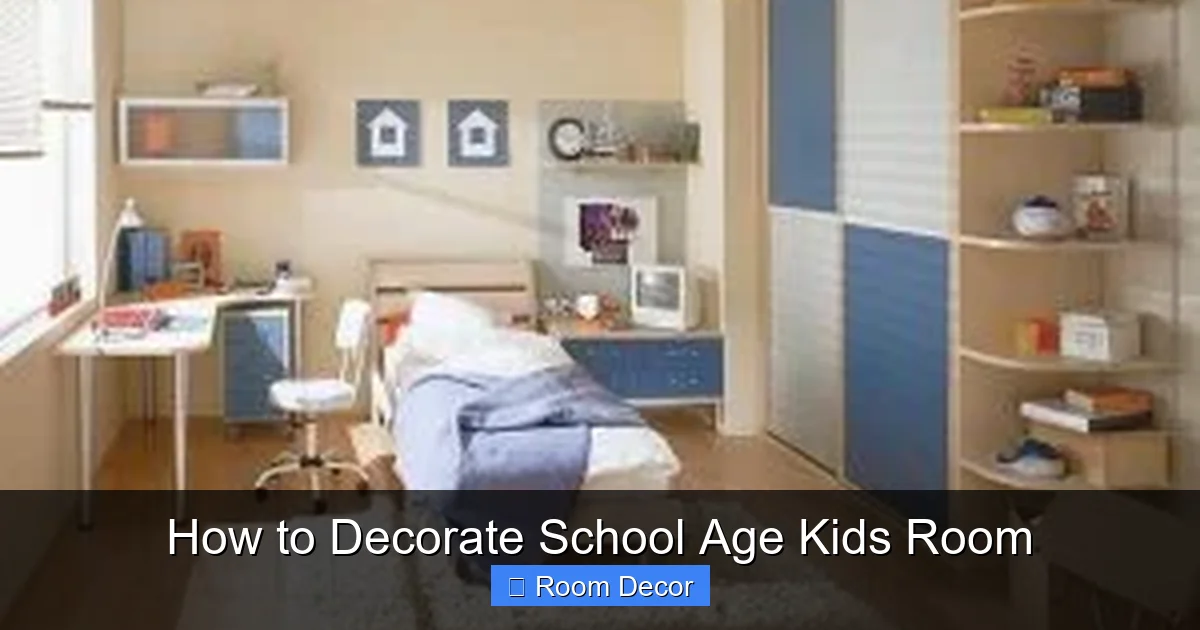
Visual guide about How to Decorate School Age Kids Room
Image source: lushome.com
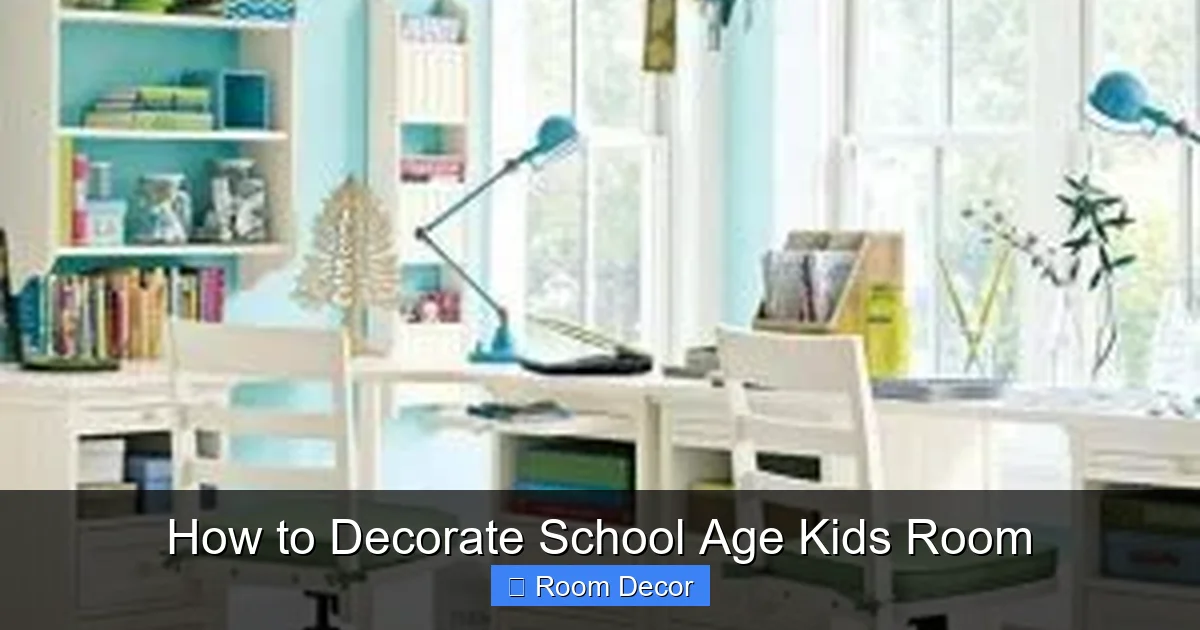
Visual guide about How to Decorate School Age Kids Room
Image source: lushome.com
We have a really small room. How can we make it work?
Small rooms require smart solutions when you decorate a school age kids room. Prioritize vertical space: think bunk beds (if age-appropriate) or loft beds with a desk or play area underneath. Wall-mounted shelving, floating desks, and under-bed storage are your best friends. Keep furniture scaled to the room size, opting for slimmer profiles. Use lighter paint colors to make the room feel more expansive, and utilize mirrors to reflect light and create an illusion of space.
How can I make the room decor last through different phases?
Focus on foundational pieces that are timeless and durable. A sturdy, neutral bed frame, a functional desk, and classic bookshelves will serve your child for many years. Inject personality through textiles (bedding, curtains, rugs), wall art, and accessories. These elements are easily updated as your child transitions from early elementary to pre-teen. Teaching them to care for their belongings and involving them in small updates will also help extend the life of the decor.
Conclusion
Decorating a school-age kid’s room is a rewarding journey that offers both challenges and immense joy. By involving your child, focusing on functionality, prioritizing smart storage, and embracing flexible design choices, you can create a space that is not only beautiful but also deeply personal and supportive of their growth. Remember, the goal is to design a room where your child feels safe, inspired, and truly at home. So go ahead, unleash your creativity, and enjoy crafting a wonderful space for your incredible school-age kid!