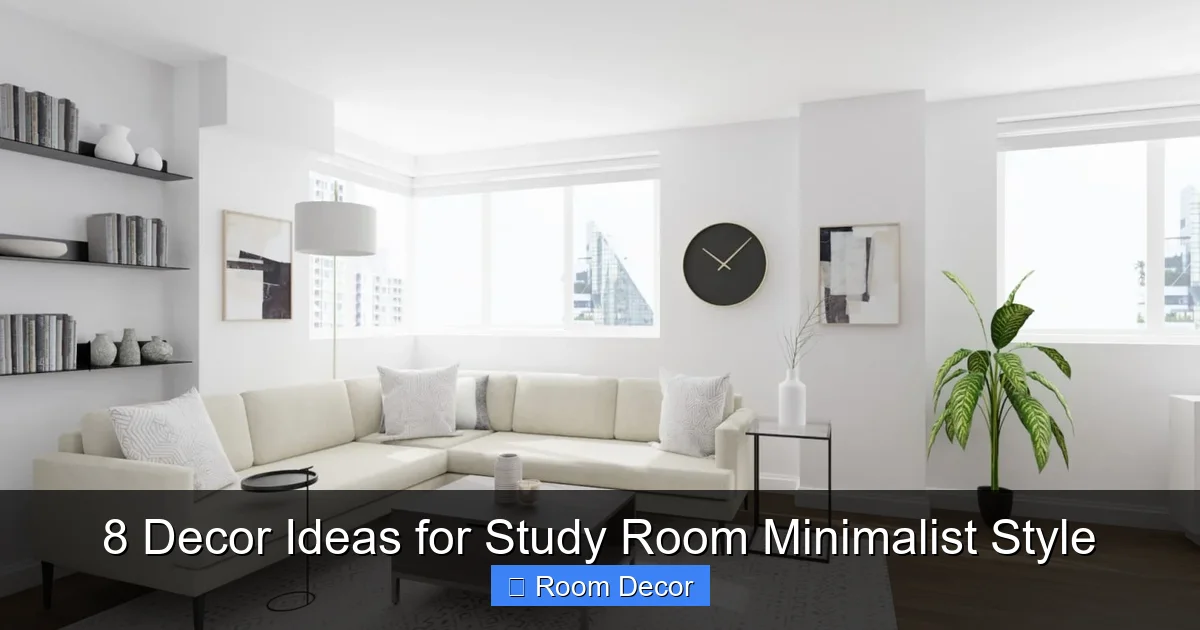
Embrace a minimalist design for your study room with our practical guide. We explore 8 decor ideas that can help you create a clutter-free, stylish, and productive space for learning or working.
Key Takeaways
- Embrace Minimalism: Understand the principles of minimalist style and how they apply to a study room.
- Color Choice: Learn how to choose the right color scheme that encourages productivity and concentration.
- Optimized Furniture: Discover minimalist furniture pieces that are both functional and aesthetically pleasing.
- Effective Lighting: Explore the importance of effective lighting in your minimalist study room.
- Storage Solutions: Find out about minimalist storage solutions to keep your study room neat and organized.
- Use of Space: Learn how to effectively use your space to maintain a minimalist aesthetic.
Introduction
Minimalist decor is trending, and for a good reason. It promotes simplicity, functionality, and serenity—qualities that are conducive to a focused and productive study environment. This guide will walk you through 8 minimalist decor ideas for your study room.
1. Embrace Minimalism
Understanding the principles of minimalism is the first step to creating your minimalist study room. Minimalism emphasizes simplicity, functionality, and the use of minimal elements. Stay true to these principles as you decorate your study room, and remember less is more.

Visual guide about 8 Decor Ideas for Study Room Minimalist Style
Image source: decorilla.com
Practical Tip:
Start with decluttering your study area. Remove unnecessary items and keep only those that serve a purpose or bring you joy.
2. Color Choice
Color plays a significant role in setting the mood and ambiance of a room. For a minimalist study room, stick to a neutral color palette. Whites, greys, and beiges are perfect for creating a calm and focused environment.
Example:
A white desk against a gray wall creates a clean, simple backdrop that aids concentration and productivity.
3. Optimized Furniture
In minimalist decor, each furniture piece should be functional and add aesthetic value to the room. Consider a sleek, modern desk and a comfortable, ergonomic chair. Avoid bulky furniture that takes up unnecessary space.
4. Effective Lighting
Good lighting is crucial in a study room. Natural light is ideal, but if it’s not possible, opt for a combination of ambient, task, and accent lighting. Keep your lighting fixtures simple and sleek to align with your minimalist design.
5. Storage Solutions
Keeping your study room neat and organized is essential in maintaining a minimalist aesthetic. Opt for hidden storage solutions or open shelves for a clean, uncluttered look. Keep your desk clear and store your materials in drawers or baskets.
6. Use of Space
In a minimalist study room, less is more. Keep your layout simple and allow for plenty of open space. This not only contributes to the minimalist aesthetic but also allows you to focus better on your tasks.
Conclusion
Creating a minimalist study room is a simple yet effective way to improve productivity and focus. By embracing minimalism, choosing the right color scheme, optimizing your furniture, providing effective lighting, implementing storage solutions, and making smart use of your space, you can transform your study area into a serene haven of productivity.