
Transform your study room into a peaceful and productive haven with 9 neutral color themes. This guide explores a range of calming palettes, from warm greiges to cool grays, offering practical advice on selecting and implementing colors, furniture, and accents. Learn how to create a focused and stylish study space that enhances concentration and minimizes distractions, perfect for any home.
9 Neutral Color Themes for Study Room
Are you dreaming of a study room that’s not just functional but also a true sanctuary for focus and creativity? Imagine a space where distractions melt away, leaving you with a sense of calm and clarity. The secret often lies in your color choices. Specifically, embracing neutral color themes for a study room can be a game-changer.
Neutral colors are more than just “boring.” They are the unsung heroes of interior design, providing a timeless, versatile, and incredibly soothing backdrop for any activity. For a study room, their benefits are amplified. They minimize visual noise, promote concentration, and create an atmosphere of tranquility, which is exactly what you need when tackling complex tasks or diving deep into a good book.
In this comprehensive guide, we’ll dive into nine distinct neutral color themes for a study room, helping you discover the perfect palette to transform your space. We’ll walk you through understanding what makes a color neutral, how to choose the right theme for your personal style and room, and practical tips for bringing your vision to life. Get ready to design a study room that not only looks stunning but also helps you achieve your best work.
Key Takeaways
- Embrace the Power of Neutrals: Neutral color themes for a study room create a calm, focused, and timeless environment, enhancing productivity and reducing visual clutter.
- Understand Your Neutral Palette: Neutrals extend beyond just white and beige; they include grays, taupes, greiges, and earthy tones, each offering unique moods from warm and cozy to cool and modern.
- Select a Theme Based on Mood and Light: Consider the desired atmosphere (e.g., serene, energetic, sophisticated) and the amount of natural light in your study room when choosing one of the 9 neutral color themes.
- Layer Textures and Tones: Prevent a neutral space from feeling bland by incorporating a variety of textures (wood, linen, metal, wool) and subtle tonal variations within your chosen neutral palette.
- Prioritize Functional and Aesthetic Lighting: Good lighting, blending natural, task, and ambient sources, is crucial. It influences how your chosen neutral colors appear and impacts overall mood and productivity.
- Integrate Personal Touches Thoughtfully: While maintaining a neutral base, add personality through minimalist art, plants, or cherished objects that complement the room’s color scheme without creating distraction.
- Declutter for Enhanced Focus: A core principle for any productive study room, especially with neutral themes, is to keep it organized and free of unnecessary items, allowing the calming colors to truly shine.
Understanding Neutral Colors for Your Study Room
When we talk about neutral colors, many people immediately think of white and beige. While these are certainly core neutrals, the category is much broader and more exciting! Neutrals are essentially colors that don’t compete for attention. They act as a foundational canvas, allowing other elements in the room (like textures, furniture, or subtle accent colors) to stand out without overwhelming the senses.
For a study room, this means creating a backdrop that won’t distract your eyes. Instead, it supports your focus. Think of grays, taupes, greiges (a blend of gray and beige), creams, off-whites, and even certain muted earthy tones like soft terracotta or sandy hues. These colors often have subtle undertones—warm (yellow, red) or cool (blue, green)—that influence the overall mood of a space. Understanding these undertones is key to selecting the perfect neutral color themes for your study room.
The beauty of neutral study room decor is its adaptability. It pairs well with almost anything. It creates a feeling of spaciousness and sophistication. And most importantly, it contributes to a peaceful environment conducive to learning and productivity.
How to Choose the Right Neutral Color Theme for Your Study Room
With so many beautiful neutral color themes for a study room, how do you pick just one? Here are a few things to consider that will guide your decision:
Visual guide about 9 Neutral Color Themes for Study Room
Image source: color-meanings.com
Consider the Natural Light
The amount and quality of natural light in your study room significantly impact how colors appear. A north-facing room with cooler, indirect light might benefit from warmer neutrals (like creamy whites or greiges) to prevent it from feeling too stark. A south-facing room bathed in warm, bright light can handle cooler grays or crisper whites without feeling cold.
Think About the Mood You Want to Create
Do you want a serene, spa-like retreat? A warm, cozy hideaway? Or a sleek, modern workspace? Different neutral color themes for a study room evoke different feelings. For example, warm neutrals tend to be inviting, while cool neutrals often feel more minimalist and crisp.
Factor in Room Size and Existing Elements
Lighter neutrals tend to make a small room feel larger and airier. Darker neutrals can add drama and coziness to a larger space. Also, consider any existing furniture, flooring, or architectural features that you plan to keep. Your chosen neutral theme should complement these elements.
Reflect Your Personal Style
Ultimately, your study room should feel like you. Browse through inspiration, gather samples, and trust your instincts. The best neutral color themes for a study room are ones you genuinely love and feel comfortable in.
9 Neutral Color Themes for Study Room
Let’s explore nine distinct neutral color themes that can transform your study room into an ideal space for focus and productivity.

Visual guide about 9 Neutral Color Themes for Study Room
Image source: wallpapers.com
1. Classic Ivory & Cream
This theme is the epitome of timeless elegance and warmth. Ivory and cream are softer versions of pure white, with subtle yellow or pink undertones that make them incredibly inviting. They reflect light beautifully, making any study room feel bright and spacious without being stark.
- Mood: Elegant, warm, serene, inviting.
- Walls: Paint walls a soft ivory or creamy off-white. This creates a gentle backdrop.
- Furniture: Opt for light-colored wood (like maple or birch) for your desk and shelves. Upholstered chairs in a matching cream or a slightly contrasting linen fabric work well.
- Accents: Introduce metallic accents in brushed gold or antique brass. Consider soft, plush textiles like cashmere throws or silk cushions for added luxury.
- Tips: Layering different shades of cream and ivory, along with varied textures, prevents the room from feeling flat.
2. Warm Greige & Earth Tones
Greige is a fantastic hybrid of gray and beige, offering the best of both worlds. When paired with earthy tones, it creates a grounding and incredibly cozy study environment. This is one of the most popular neutral color themes for a study room seeking a balanced feel.
- Mood: Grounded, cozy, sophisticated, natural.
- Walls: A medium-warm greige paint forms the perfect base.
- Furniture: Darker wood tones (walnut, oak) for the desk and shelving add depth. A comfortable leather or tweed chair in a complementary earthy tone would be ideal.
- Accents: Introduce terracotta pottery, muted olive green or rust-colored textiles, and natural elements like dried botanicals. Woven baskets and jute rugs enhance the organic feel.
- Tips: Ensure the greige leans more towards beige for warmth, or gray for a slightly cooler but still earthy vibe.
3. Cool Gray & Silver Accents
For a study room that exudes modern sophistication and a crisp, clean aesthetic, cool grays combined with silver accents are a perfect choice. This theme feels contemporary and highly organized.
- Mood: Modern, crisp, sophisticated, focused.
- Walls: A light to medium cool gray. Consider a slightly darker gray accent wall for depth.
- Furniture: Sleek, minimalist furniture in white, black, or even glass can enhance the modern feel. Chrome or polished metal desk legs and chair bases fit perfectly.
- Accents: Silver or chrome lamps, picture frames, and organizational tools. Geometric patterns in textiles or artwork add visual interest.
- Tips: Break up the coolness with soft textures like a wool rug or a throw in a lighter gray shade to maintain comfort.
4. Minimalist White & Wood
This is one of the ultimate neutral color themes for a study room prioritizing clarity, airiness, and a connection to nature. It’s clean, simple, and incredibly calming.
- Mood: Clean, airy, serene, minimalist, natural.
- Walls: Crisp, pure white walls create a blank canvas. This is foundational for a minimalist study room.
- Furniture: Light-colored wood (birch, ash, light oak) with clean lines for the desk, chair, and storage. The wood adds warmth and texture against the white.
- Accents: Keep accessories minimal. A few black or dark gray objects (like a desk lamp or a monitor stand) can provide contrast. Introduce natural textures through a cotton rug or a simple ceramic planter with a green plant.
- Tips: Focus on quality over quantity for every item. The beauty lies in the simplicity and the interplay of white and wood.
5. Soft Taupe & Muted Green
If you’re looking for neutral color themes for a study room that brings a sense of tranquility and connection to the outdoors, this combination is ideal. Taupe, a warm gray-brown, pairs beautifully with the calming presence of muted greens.
- Mood: Tranquil, organic, soothing, reflective.
- Walls: Soft taupe provides a gentle, sophisticated backdrop.
- Furniture: Light to medium-toned wood furniture works well. A comfortable chair upholstered in a cream or very light green fabric would complement the theme.
- Accents: Incorporate sage green, olive green, or even dusty mint in textiles, cushions, or decorative items. Live plants are a must for this theme, enhancing the organic feel.
- Tips: Use green sparingly as an accent to avoid overwhelming the neutral base. Focus on muted, natural green tones rather than bright or vibrant ones.
6. Monochromatic Off-White
A truly sophisticated approach, this theme plays with different shades and textures of off-white to create a study room that feels expansive, elegant, and subtly rich. It’s one of the most serene neutral color themes for a study room.
- Mood: Pure, spacious, subtle, elegant, serene.
- Walls: Use slightly different shades of off-white (e.g., bone, eggshell, pearl) on walls, trim, and ceiling to create subtle depth.
- Furniture: Opt for white or very light-colored furniture, perhaps with some light wood or metallic accents for definition.
- Accents: Texture is paramount here. Think chunky knit throws, linen curtains, woven rugs, and textured ceramic vases. These tactile elements prevent the room from feeling sterile.
- Tips: Pay close attention to the undertones of your off-whites to ensure they harmonize rather than clash (e.g., all warm undertones or all cool undertones).
7. Desert Sand & Terracotta Hints
Inspired by arid landscapes, this theme brings warmth, earthiness, and a touch of rustic charm to your study room. It’s inviting and grounding.
- Mood: Inviting, warm, earthy, rustic, inspiring.
- Walls: A warm, sandy beige or light tan paint creates a sun-kissed base.
- Furniture: Rich, dark wood furniture (like teak or mahogany) or natural rattan pieces add depth and texture.
- Accents: Terracotta pots for plants, throw pillows in burnt orange or muted rust, and textiles with a natural, unrefined feel (like raw linen or cotton). Consider patterns inspired by tribal art or natural elements.
- Tips: Use terracotta and rust as subtle hints rather than dominant colors to keep the overall feel neutral and calm.
8. Coastal Linen & Driftwood
Bring the calming essence of the seaside into your study room with this airy and relaxed neutral theme. It evokes quiet mornings by the ocean.
- Mood: Relaxing, airy, natural, peaceful, refreshing.
- Walls: Light beige, off-white, or a very pale, sandy gray create a breezy backdrop.
- Furniture: Distressed or whitewashed wood furniture reminiscent of driftwood, paired with white or natural linen upholstery.
- Accents: Incorporate subtle blues (muted robin’s egg or dusty teal) in small textiles or glassware. Woven textures like seagrass rugs, rattan lighting, and shell decor enhance the coastal feel.
- Tips: Avoid overt nautical themes; focus on the textures and natural elements for a sophisticated coastal vibe.
9. Urban Charcoal & Concrete
For a study room with an edgy, industrial, and highly focused feel, this theme delivers. It’s strong, sophisticated, and perfect for a modern aesthetic.
- Mood: Industrial, bold, sophisticated, focused, urban.
- Walls: A feature wall in deep charcoal gray, with the remaining walls in a lighter gray or even white.
- Furniture: Metal-framed desks, dark wood or black shelving, and a sleek, ergonomically designed chair in black or gray leather.
- Accents: Introduce elements of concrete (planters, small decor), black and white photography, and industrial-style lighting fixtures. A textured dark rug can soften the hard edges.
- Tips: Balance the dark tones with plenty of white or light gray to prevent the room from feeling too heavy or small.
Implementing Your Chosen Neutral Color Theme
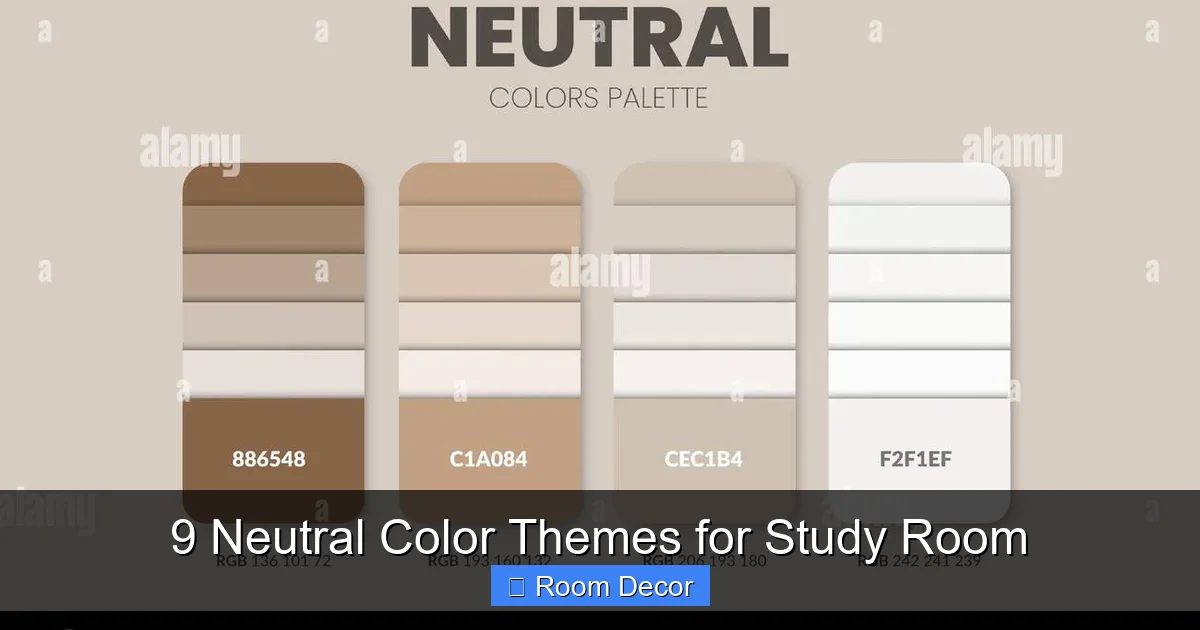
Once you’ve selected your favorite of the neutral color themes for a study room, it’s time to bring it to life. Here’s how to apply your chosen palette effectively:
Visual guide about 9 Neutral Color Themes for Study Room
Image source: c8.alamy.com
Walls
The largest surface in your room, walls set the primary tone. Use high-quality paint in your chosen neutral shade. Consider an accent wall in a slightly darker or complementary neutral if you want to add depth without introducing a non-neutral color. Wallpaper with subtle textures or patterns in your neutral palette can also add sophistication.
Furniture
Your desk, chair, and shelving are key. Choose pieces that align with your theme’s aesthetic (e.g., light wood for minimalist, dark wood for earthy, metal for industrial). For upholstered chairs, select fabrics in your theme’s neutral shades or textures (linen, wool, leather). Keep storage solutions streamlined to maintain an uncluttered look.
Lighting
Lighting is crucial for productivity and for showing off your neutral colors. Maximize natural light with sheer curtains or blinds. Supplement with task lighting (a good desk lamp) and ambient lighting (a floor lamp or ceiling fixture) to create a well-lit, inviting space. The color temperature of your light bulbs (warm white vs. cool white) will also affect how your chosen neutrals appear.
Textiles
This is where texture really shines in neutral study room decor. Think about rugs, curtains, cushions, and throws. Choose natural fibers like cotton, linen, wool, jute, or sisal. These materials add warmth, comfort, and visual interest without introducing conflicting colors. For example, a chunky knit throw in a creamy off-white can add immense coziness to a cool gray room.
Accessories
Keep accessories intentional and minimal. Opt for decorative items that either match your neutral palette or provide a subtle, complementary contrast. Plants are excellent for adding life and a touch of natural color without clashing. Art can be a wonderful way to personalize the space; choose pieces with neutral tones or very subdued colors that resonate with your theme.
Practical Tips for Success with Neutral Color Themes for Study Room
To truly master your neutral study room decor and create a space that inspires, keep these practical tips in mind:
Layer Textures Liberally
The biggest challenge with neutral color themes for a study room can be avoiding a bland or sterile feel. The solution? Texture! Combine smooth surfaces with rough, soft with hard. Think about wool rugs, linen curtains, sleek metal, warm wood, and soft fabrics. This layering creates depth and visual interest without relying on vibrant colors.
Play with Tonal Variations
Don’t be afraid to use different shades within your chosen neutral family. For example, in a gray theme, use a light gray on the walls, a medium gray for a rug, and a darker charcoal for an accent pillow. This creates sophistication and dimension.
Balance Warm and Cool Elements
Even within a neutral palette, you can have warm and cool undertones. For example, a cool gray room can be warmed up with a natural wood desk or a creamy white throw. A warm beige room might benefit from a touch of cooler metallic accents or a hint of soft green in a plant. This balance makes the space feel more inviting and dynamic.
Lighting is Your Best Friend
As mentioned, lighting hugely impacts how colors are perceived. Experiment with different light sources and bulb temperatures. A neutral study room can look dramatically different under warm incandescent light versus cool LED lighting. Ensure you have ample light for tasks and a softer ambient light for relaxation.
Declutter Relentlessly
Neutral color themes for a study room truly shine in an organized, clutter-free environment. Visual clutter can negate the calming effects of your chosen palette. Invest in smart storage solutions and make a habit of tidying up regularly.
Add Personal Touches (Thoughtfully)
While the goal is neutrality, your study room should still reflect you. Incorporate meaningful objects, photos, or artwork. If they introduce color, ensure it’s a very subtle, muted tone that doesn’t disrupt the overall calm or a very deliberate, small pop of a complementary hue that adds personality without overwhelming.
Conclusion
Creating a study room with neutral color themes is an investment in your productivity, well-being, and peace of mind. By carefully selecting from palettes like Classic Ivory & Cream, Warm Greige & Earth Tones, or Minimalist White & Wood, you build a foundation for a space that supports deep work and quiet contemplation.
Remember, the beauty of neutrals lies in their subtlety, their ability to play well with others, and their timeless appeal. By focusing on layering textures, balancing tones, and integrating thoughtful lighting and minimal accessories, you can transform your study room into an inspiring haven that perfectly blends functionality with serene style. Embrace the calm, embrace the focus, and enjoy your beautifully designed neutral study room!