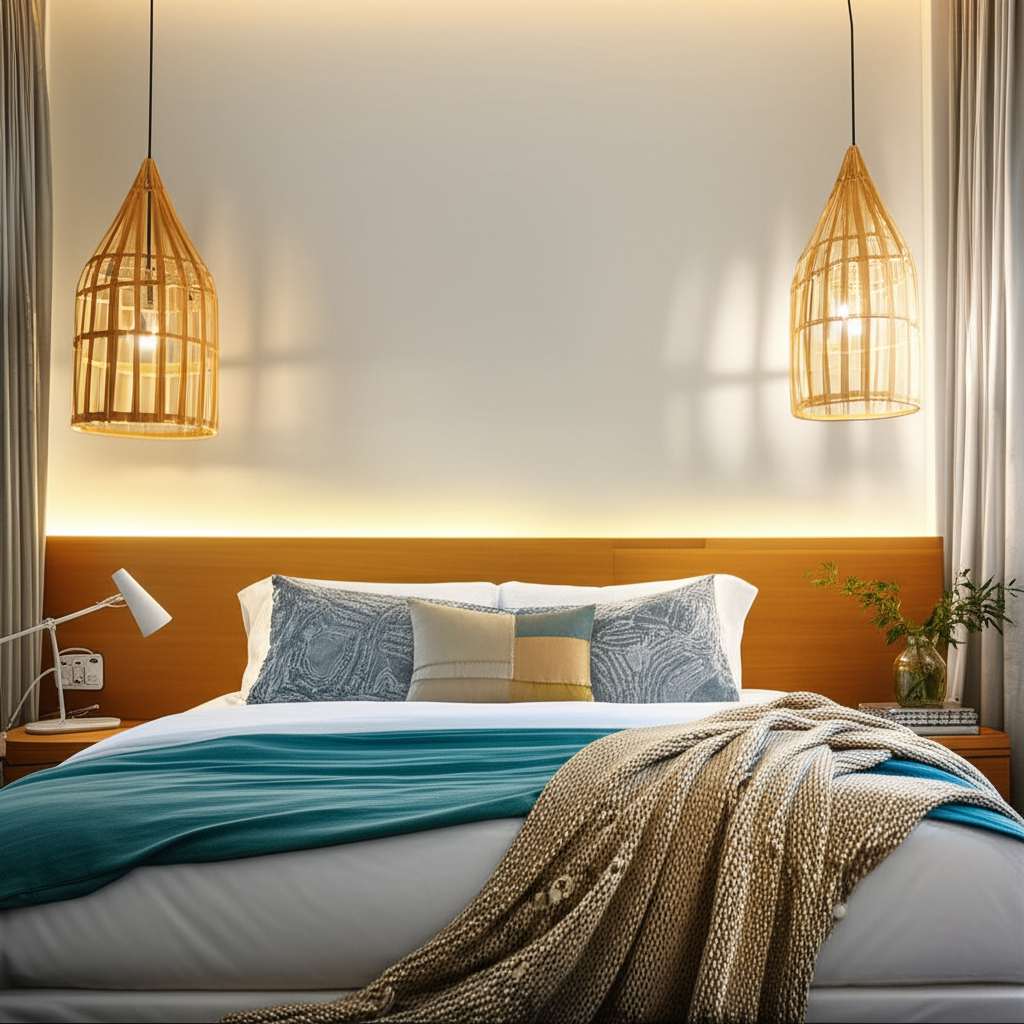
To decorate a small bedroom and make it look bigger, focus on smart furniture choices, light colors, strategic lighting, and clever storage solutions that maximize vertical space. Embrace multi-functional pieces and keep clutter at bay for an airy, expansive feel.
Feeling a bit squeezed in your bedroom? You’re not alone! Many of us dream of a spacious sanctuary, but reality often means a cozy, compact room. It can feel frustrating when your personal space doesn’t quite match your vision.
But don’t worry! Decorating a small bedroom doesn’t have to be a challenge. With a few simple, clever tricks, you can transform your little nook into a stylish and functional retreat that feels much larger than it is.
We’ll walk through easy, budget-friendly ideas to make your small bedroom look and feel amazing. Get ready to discover how to maximize every inch and create a space you’ll love!
Maximize Your Small Bedroom: Smart Decorating Strategies
Decorating a small bedroom is all about working with what you have and making smart choices. The goal is to create an illusion of space while ensuring your room is functional and cozy. It’s about cleverness, not just cramming more in!
Think of it like a puzzle. Each piece you choose—a paint color, a piece of furniture, a decorative accent—should work together to make the room feel open and inviting. We’ll break down the key strategies to achieve this effortlessly.
1. The Power of Light Colors and Mirrors
Light and bright is your mantra when decorating a small space. Pale hues reflect light, making walls seem to recede and the room feel airier. Think soft whites, gentle grays, sky blues, and muted pastels.
Mirrors are your secret weapon for expanding a room. They bounce light around and create the illusion of depth. A large mirror strategically placed can visually double the size of your room. Consider a floor-length mirror leaning against a wall or a mirrored wardrobe door.
Pro Tip: Paint your ceiling a slightly lighter shade than your walls, or even pure white, to draw the eye upward and create a sense of height.
2. Clever Furniture Choices: Multi-Functional is Key
In a small bedroom, every piece of furniture needs to earn its keep. Opt for pieces that serve more than one purpose. This is where you can really save space and add functionality.
Consider a bed with built-in storage drawers underneath. This is perfect for stowing away extra bedding, clothes, or seasonal items. A floating shelf can act as a bedside table, saving floor space and offering a sleek look.
Ottomans with hidden storage are fantastic for seating and hiding clutter. A slim console table can serve as a desk or vanity without taking up much room.
3. Embrace Vertical Space: Think Up!
When you can’t spread out, you have to go up! Utilizing vertical space is crucial for small bedrooms. This means looking for storage and decor that goes from floor to ceiling.
Tall, narrow bookshelves or shelving units are excellent for books, decor, and storage bins. Wall-mounted shelves are great for displaying items without using precious floor space. Consider a canopy bed with a high headboard that draws the eye upward.
Hanging plants can add greenery and visual interest without cluttering surfaces. Use wall hooks for coats, bags, or even decorative baskets.
4. Strategic Lighting: Brighten Up the Space
Good lighting can make a small room feel larger and more welcoming. Avoid dark, heavy lamps that visually weigh down the space. Instead, focus on layered lighting to create an airy atmosphere.
Natural light is your best friend. Keep window treatments simple and light. Sheer curtains allow light to filter in while maintaining privacy. If you have a small window, consider a window seat with storage to maximize the area.
Incorporate multiple light sources. Wall sconces or slim floor lamps can provide ambient light without taking up table space. A bright overhead fixture can illuminate the entire room. Task lighting, like a small reading lamp, is also important.
External Resource: For more on how lighting affects perception of space, check out Energy.gov’s guide on lighting choices, which touches on energy efficiency and how different lighting types can impact a room’s feel.
5. Declutter and Organize: Less is More
This is perhaps the most important step. A cluttered room, no matter how well-decorated, will always feel smaller. Regular decluttering is key to maintaining an open and serene atmosphere.
Go through your belongings and be ruthless. Keep only what you need, use, or love. For everything else, consider donating, selling, or discarding it. This process alone can make your room feel instantly larger.
Once you’ve decluttered, invest in smart storage solutions. Baskets, decorative boxes, and drawer organizers can help keep items tidy and out of sight. Utilize the space under your bed and the height of your walls.
Creating Zones in a Small Bedroom
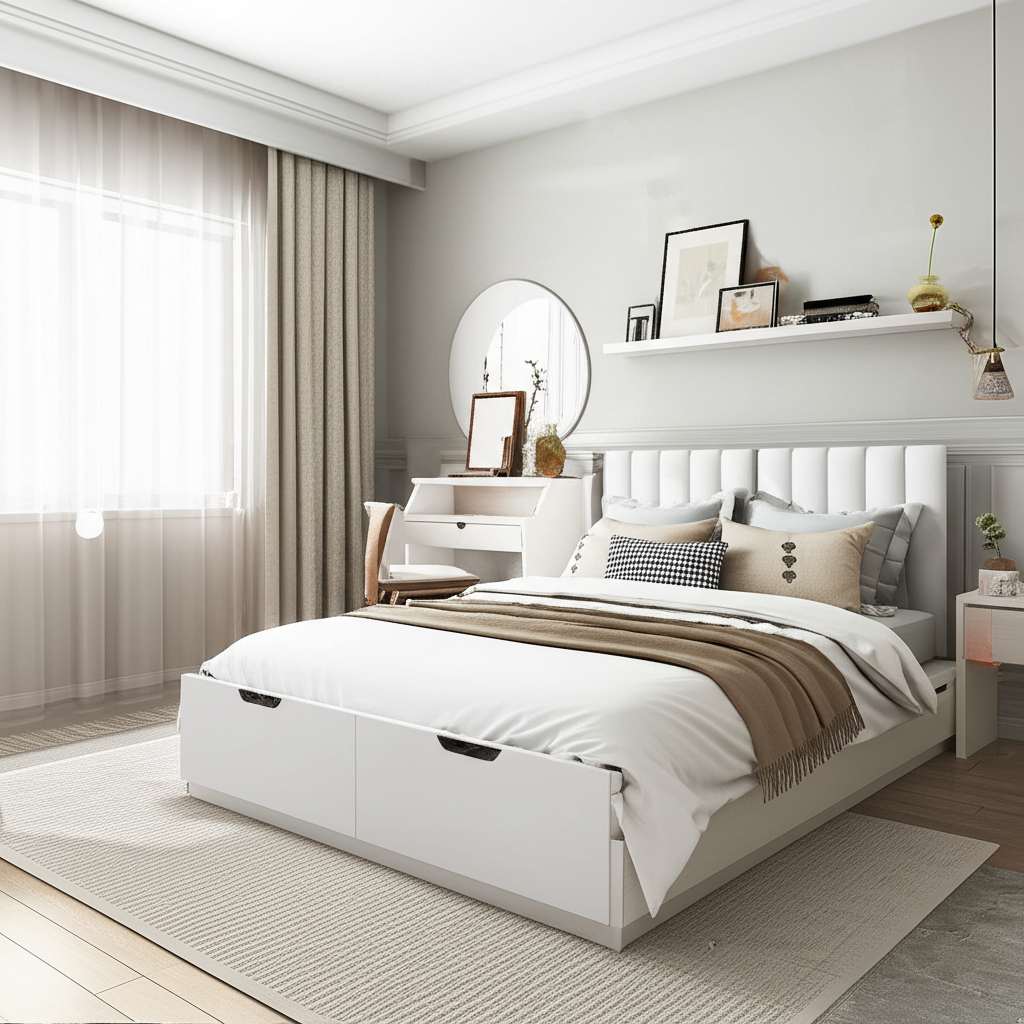
Even in a small room, you can create distinct areas for different activities. This helps the space feel more organized and functional, making it seem larger. Think about how you use your bedroom: sleeping, dressing, relaxing, and maybe even working.
The Sleep Zone
This is your primary focus. Make your bed the star, but keep it visually light. A platform bed with a simple headboard or a bed with clean lines can work wonders. Use bedding in lighter colors to keep the area feeling open.
Consider wall-mounted bedside tables or slim, leggy nightstands to keep the floor clear. This creates an airy feel and makes cleaning easier.
The Dressing Zone
If you don’t have a closet, a slim dresser or a wardrobe with mirrored doors can be a great solution. Wall hooks for frequently worn items can keep things organized and accessible.
A small vanity area can be created with a floating shelf and a small stool. Keep makeup and accessories in decorative boxes or trays to maintain a tidy look.
The Relaxation/Work Zone (Optional)
If you need a small space for reading or working, a compact desk or a comfortable accent chair with a small side table can define this area. Position it near a window if possible to take advantage of natural light.
When not in use, ensure these items don’t obstruct the flow of the room. Foldable furniture or pieces with a slim profile are ideal.
Smart Storage Solutions for Tiny Bedrooms
Storage is the hero of any small space. The more cleverly you can store your belongings, the more open and uncluttered your bedroom will feel. It’s about utilizing every nook and cranny.
Under-Bed Storage
This is prime real estate! Invest in bed frames that come with built-in drawers, or buy under-bed storage bins. Opt for bins with wheels for easy access. These are perfect for storing extra linens, seasonal clothing, or shoes.
Vertical Shelving
As mentioned, going up is essential. Install floating shelves above your bed, desk, or dresser. Use tall, narrow bookcases or étagères that don’t take up much floor space. These can hold books, decorative items, and storage baskets.
Wall-Mounted Everything
Think beyond shelves. Wall-mounted nightstands, desks, and even televisions free up floor space. Wall hooks are incredibly versatile for hanging clothes, bags, hats, or decorative items like macrame plant hangers.
Multi-Functional Furniture
This bears repeating! An ottoman with storage can hide blankets and serve as extra seating. A bench at the foot of your bed can offer storage and a place to sit while putting on shoes.
Hidden Storage
Look for furniture with integrated storage, like a headboard with shelves or a bed frame that lifts up to reveal a large storage compartment. These solutions keep clutter out of sight, making the room feel more peaceful and expansive.
Decorating with Color and Texture
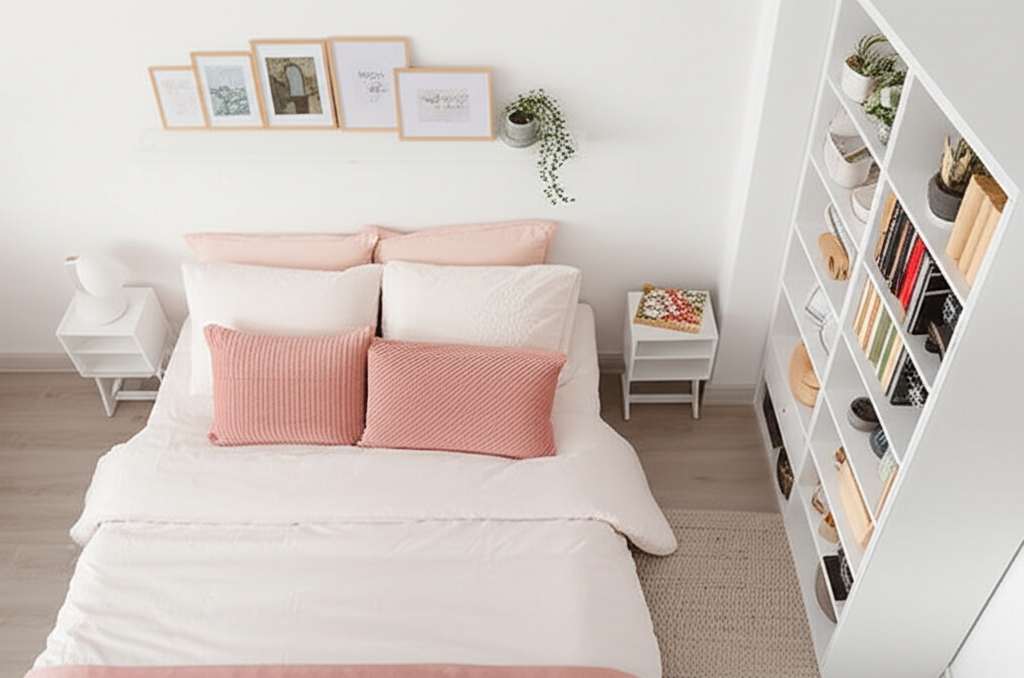
Color and texture play a huge role in how a small room feels. Don’t be afraid of color, but use it wisely.
Color Palette
Stick to a light and neutral color palette for your walls and large furniture pieces. This creates a cohesive and open feel. You can then introduce pops of color through accessories like throw pillows, blankets, artwork, or a single accent wall.
Consider monochromatic schemes where you use different shades and tints of the same color. This creates a sophisticated and unified look that can make a room feel larger.
Texture
Even with a neutral palette, you can add depth and interest with various textures. Think a chunky knit throw, a plush rug, linen curtains, or a rattan basket. These elements add warmth and coziness without making the room feel visually heavy.
A textured wallpaper on one wall can add a focal point without overwhelming the space. Just ensure the pattern isn’t too large or busy.
Choosing the Right Bed and Bedding
Your bed is the largest piece of furniture in the bedroom, so its choice significantly impacts the perceived size of the room. Keep it streamlined and functional.
Bed Frame Styles
Opt for a bed frame with a low profile or one that is elevated on legs. This creates a sense of openness by allowing light and air to flow underneath. Avoid bulky, ornate headboards. If you love a headboard, choose one with clean lines or a minimalist design.
Consider a platform bed, which often has a built-in structure that negates the need for a box spring and can provide a sleek, modern look. Many platform beds also offer built-in storage.
Bedding Choices
Lighter colors for your duvet cover, sheets, and pillowcases will make your bed appear less dominant and contribute to the room’s airy feel. White, cream, light gray, or soft pastels are excellent choices.
You can add subtle patterns or textures to your bedding, but avoid anything too large or busy. A few well-chosen throw pillows in complementary colors can add personality without overwhelming the space.
Window Treatments and Lighting Fixtures
These elements can dramatically change the feel of your small bedroom. They are opportunities to enhance light and create visual height.
Window Treatments
Let in as much natural light as possible. Opt for lightweight, sheer curtains in light colors. Hang your curtain rod higher and wider than the window frame. This makes the window appear larger and draws the eye upward, creating an illusion of height.
Blinds or shades can also be a good option, especially roller blinds or Roman shades that stack neatly when raised. Avoid heavy, dark drapery that can make the room feel closed off.
Lighting Fixtures
Choose lighting that is scaled appropriately for the room. Instead of a large, floor-standing lamp, consider a slim table lamp for your nightstand or a wall-mounted sconce. This saves valuable surface and floor space.
Overhead lighting should be bright but not harsh. A flush-mount or semi-flush-mount fixture is often a good choice for smaller rooms. If you have the option, a dimmer switch can allow you to adjust the mood and brightness.
Creating a Focal Point
Every room benefits from a focal point – something that draws the eye and anchors the space. In a small bedroom, this can be done subtly.
Artwork and Decor
A single, large piece of art can be more impactful than several small ones, which can look cluttered. Choose art that complements your color scheme. You could also create a small gallery wall with a few carefully selected pieces, ensuring they are hung neatly.
Consider a statement mirror or a unique light fixture as your focal point. The key is to choose one element and let it shine, rather than overwhelming the room with too many competing elements.
Accent Wall
An accent wall can add personality and depth to a small room. Choose the wall behind your bed or the longest wall in the room. You can paint it a slightly darker, yet still complementary, shade to the other walls, or use wallpaper with a subtle pattern.
Be mindful of the pattern scale. Large, bold patterns can make a small room feel smaller. A subtle texture or a geometric pattern in a muted tone can add interest without being overwhelming.
Tips for Small Bedroom Layouts
The way you arrange your furniture is critical in a small bedroom. The goal is to create clear pathways and maximize the sense of space.
Corner Placement
Placing your bed in a corner can sometimes free up central floor space. This is especially effective if the corner has a window, allowing for natural light to illuminate the bed area.
Floating Furniture
If possible, try to avoid pushing all furniture flush against the walls. Even a few inches of space can create a feeling of airiness. Floating furniture allows light to travel around the room and can make it feel more dynamic.
Traffic Flow
Ensure there’s a clear path from the door to your bed, closet, and any other essential areas. Avoid placing furniture where it blocks natural walkways. This simple consideration makes the room feel much more functional and spacious.
Scale of Furniture
Always choose furniture that is appropriately scaled for the room. A massive sectional sofa would overwhelm a tiny living room, and a king-sized bed will dominate a small bedroom. Opt for pieces with slender profiles and fewer bulky elements.
DIY Decorating Ideas for Small Bedrooms
You don’t need a big budget to make a small bedroom look fantastic. Many stylish solutions can be achieved with a bit of creativity and DIY effort.
Floating Shelves
Install simple floating shelves yourself. They are relatively inexpensive and incredibly versatile for storage and display. Paint them the same color as your walls for a seamless look that minimizes visual clutter.
Painted Furniture
Give old furniture a new lease on life with a fresh coat of paint. A light, neutral color can make an older dresser or nightstand look modern and airy. Consider painting the legs of furniture a lighter color to make it appear to float.
Customized Storage
Use affordable storage solutions like fabric bins or plain wooden boxes and customize them. You can paint them, cover them with decorative paper, or add labels to keep things organized and stylish.
Wall Decor
Create your own artwork using stencils or simple abstract painting techniques. Frame pages from old books or maps for unique wall art. Even a well-arranged collection of photographs can make a beautiful focal point.
Resource for DIY inspiration: Websites like HomeTalk offer a vast collection of user-submitted DIY projects and home improvement ideas, many of which are perfect for small spaces.
Common Mistakes to Avoid in Small Bedrooms
Even with the best intentions, some decorating choices can inadvertently make a small bedroom feel even smaller. Being aware of these common pitfalls can help you avoid them.
Here’s a quick rundown of what to steer clear of:
- Overcrowding: Too much furniture or too many decorative items will make the room feel cramped. Less is truly more in a small space.
- Dark, Heavy Colors: While dark colors can be cozy, in a small bedroom, they tend to absorb light and make the room feel smaller and more enclosed.
- Bulky Furniture: Large, overstuffed furniture can dominate the room. Opt for pieces with slender frames and visible legs.
- Poor Lighting: Insufficient or poorly placed lighting can make a room feel dim and cave-like. Layer your lighting to create brightness and depth.
- Clutter: Visible clutter is the enemy of a small space. Ensure you have adequate storage and a system for keeping things tidy.
- Busy Patterns: Large, loud patterns on wallpaper or textiles can make a small room feel overwhelming and visually smaller.
- Ignoring Vertical Space: Failing to utilize wall height for storage and decor means missing out on valuable space.
FAQ: Your Small Bedroom Decorating Questions Answered
Q1: What colors are best for a small bedroom?
Light, neutral colors like whites, creams, soft grays, and pale blues are best. They reflect light and make the room feel more open and airy. You can add pops of color with accessories.
Q2: How can I make my small bedroom feel bigger without major renovations?
Focus on smart furniture choices (multi-functional, scaled appropriately), strategic use of mirrors, light colors, layered lighting, and keeping the space decluttered. These are effective, budget-friendly solutions.
Q3: Is it okay to use dark colors in a small bedroom?
While dark colors can be used, they should be done sparingly in a small bedroom. Consider using a dark color on an accent wall or through accessories rather than on all walls, as dark colors can absorb light and make the space feel smaller.
Q4: What type of bed is best for a small bedroom?
Opt for a bed with a low profile, clean lines, or one that is elevated on legs. Beds with built-in storage, like drawers or a lift-up mechanism, are also excellent for maximizing space.
Q5: How important is lighting in a small bedroom?
Lighting is extremely important. Good lighting can make a small room feel much larger and more inviting. Maximize natural light and use layered artificial lighting (overhead, task, and ambient) to create brightness and depth.
Q6: Should I use a lot of decor in a small bedroom?
No, less is more in a small bedroom. Too many decorative items can create visual clutter. Choose a few key pieces that you love and that complement your overall design scheme.
Q7: Can I have a desk or vanity in a small bedroom?
Yes! Opt for a slim, wall-mounted desk or a floating shelf that can double as a vanity. A small, minimalist stool can complete the area without taking up much space.
Conclusion: Your Stylish, Spacious Small Bedroom Awaits!
Decorating a small bedroom doesn’t have to be a daunting task. By applying these space-saving strategies, you can transform your compact room into a stylish, functional, and wonderfully inviting sanctuary.
Remember, the key lies in smart furniture choices, the strategic use of light and color, clever storage solutions, and a commitment to keeping clutter at bay. Embrace vertical space, let mirrors work their magic, and don’t underestimate the power of good lighting.
With these simple yet effective tips, you can create a bedroom that feels so much larger and more luxurious than its square footage might suggest. So go ahead, experiment, and enjoy the process of making your small bedroom your favorite place to be!
Looking to apply similar space-saving principles in other rooms? Check out our guide on 10 Cozy Small Kitchen Ideas: Amazing Makeovers for inspiration on maximizing compact spaces.