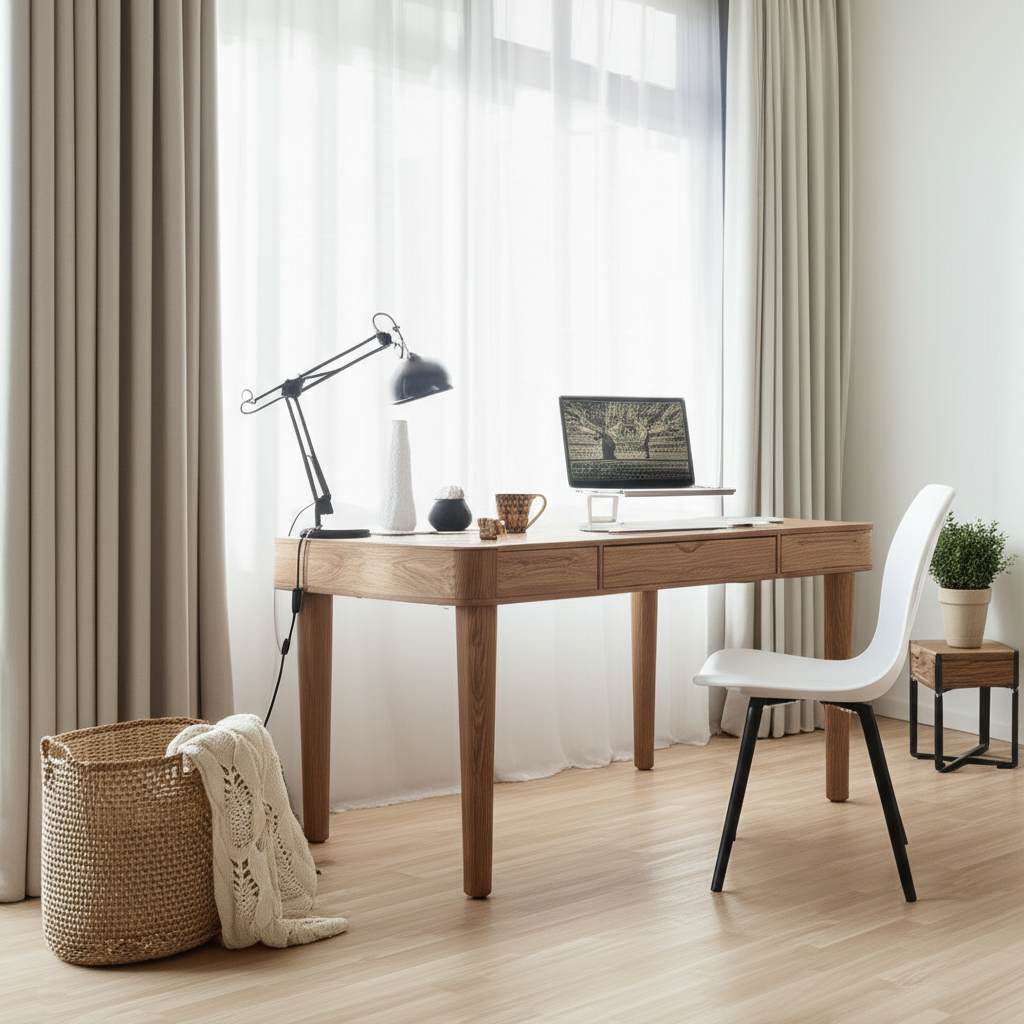
Room decoration doesn’t have to be overwhelming! Discover essential, beginner-friendly tips to transform your space into a stylish, comfortable haven. Learn how to choose a style, pick colors, arrange furniture, and add personal touches that make your room uniquely yours, all on a budget.
Feeling lost when it comes to decorating your room? You’re not alone! Many of us look at beautiful spaces online and wonder, “How can I ever achieve that?” It can feel like a big, expensive puzzle with too many pieces.
But guess what? Creating a room you love is totally achievable, even if you’re new to this. It’s all about understanding a few key ideas and having fun with it. We’ll break it down into simple, actionable steps.
Get ready to discover how to make your room a reflection of you, without the stress. Let’s dive into the essential tips that will guide your decorating journey.
Your Room Decoration Journey Starts Here: Essential Tips for Beginners
Decorating your room can seem like a daunting task, especially when you’re just starting out. The endless choices of paint colors, furniture styles, and decor items can leave anyone feeling overwhelmed. But fear not! With a few smart strategies and a sprinkle of creativity, you can transform your space into something truly special. This guide is designed to make the process easy, fun, and budget-friendly.
1. Define Your Style: What Vibe Are You Going For?
Before you buy a single pillow, take a moment to figure out your personal style. What makes you feel comfortable and happy in a space? Do you love the cozy feel of a rustic cabin, the clean lines of modern design, or the vibrant energy of bohemian decor? Identifying your preferred aesthetic is the first, crucial step.
Think about the places you love – a favorite cafe, a friend’s beautifully decorated home, or even scenes from movies. What elements draw you in? Are you drawn to natural materials, bold colors, vintage finds, or minimalist setups? Gathering inspiration is key. Create a mood board, either physically with magazine clippings or digitally using platforms like Pinterest. This visual collection will help you see common themes and preferences emerge.
Here are a few popular room styles to consider:
- Minimalist: Focuses on simplicity, clean lines, and a neutral color palette. Less is more here, with every item having a purpose.
- Bohemian (Boho): Embraces a relaxed, eclectic, and free-spirited vibe. Think natural textures, layered patterns, plants, and global-inspired pieces.
- Modern: Characterized by sleekness, smooth surfaces, and often a neutral color scheme with pops of color. Functionality is often prioritized.
- Farmhouse: Blends rustic charm with modern comfort. Features include natural wood, shiplap, vintage accents, and cozy textiles.
- Coastal: Evokes a sense of calm and relaxation with a color palette inspired by the sea – blues, greens, sandy beiges, and whites. Natural elements like shells and driftwood are common.
2. Color Palette Power: Setting the Mood
Color is one of the most powerful tools in your decorating arsenal. It can dramatically change the feel of a room, making it feel larger, cozier, more energetic, or more tranquil. For beginners, starting with a simple color palette is a great idea.
Consider the 60-30-10 rule. This is a classic design principle that suggests using 60% of one color (your dominant color), 30% of a secondary color, and 10% of an accent color. For example, you might use a soft beige for walls (60%), a muted blue for larger furniture like a sofa (30%), and pops of coral or mustard yellow for decorative items like throw pillows or artwork (10%).
Choosing Your Colors:
- Neutrals: Whites, grays, beiges, and creams are versatile and create a calm, sophisticated backdrop. They are excellent for walls as they make a room feel larger and brighter.
- Cool Colors: Blues, greens, and purples tend to have a calming and serene effect, perfect for bedrooms or spaces where you want to relax.
- Warm Colors: Reds, oranges, and yellows are energetic and stimulating. They can make a large room feel cozier but should be used thoughtfully in smaller doses to avoid overwhelming the space.
Don’t be afraid to experiment with color samples on your walls. Look at them at different times of day to see how the light affects them. For a beginner-friendly approach, consider starting with neutral walls and introducing color through accessories like rugs, cushions, and artwork. This allows for easy updates later on. If you’re drawn to calming, nature-inspired tones, explore our guide on warm color ideas for inspiration that translates beautifully across rooms.
3. Furniture Layout: Functionality Meets Flow
How you arrange your furniture is critical for both the look and feel of your room. A good layout makes a space feel inviting, easy to navigate, and functional for your daily life. The key is to create conversation areas and ensure there’s a natural flow of movement.
Start by identifying the focal point of your room. This could be a fireplace, a large window with a view, or even a television. Arrange your main pieces of furniture around this focal point. For example, in a living room, arrange sofas and chairs to face the fireplace or TV.
Tips for Furniture Arrangement:
- Measure Everything: Before you move any furniture, measure your room and your furniture. This prevents you from buying pieces that are too large or too small, or trying to force a layout that won’t work. Use painter’s tape on the floor to map out where furniture will go.
- Create Conversation Zones: In living areas, arrange seating so that people can easily talk to each other without shouting. Sofas and chairs should be within a comfortable distance – typically 6-8 feet apart.
- Allow for Traffic Flow: Ensure there are clear pathways to walk through the room without bumping into furniture. Leave at least 2-3 feet for main walkways.
- Anchor with a Rug: A rug can help define a seating area and tie the furniture together. Ideally, at least the front legs of your main furniture pieces should rest on the rug.
- Consider Scale: Make sure your furniture is proportionate to the size of your room. A giant sectional might swallow a small living room, while tiny chairs can look lost in a large space.
For smaller rooms, consider multi-functional furniture, like an ottoman with storage or a sofa bed. Vertical space is also your friend; think about shelves that go up the wall to draw the eye upward and provide storage without taking up floor space.
4. Lighting Magic: Setting the Ambiance
Lighting is often overlooked, but it’s incredibly important for creating the right atmosphere. A room with poor lighting can feel dull and uninviting, no matter how well it’s decorated. Aim for layers of light to create warmth and depth.
There are three main types of lighting to consider:
- Aambient Lighting: This is the general, overhead lighting that illuminates the entire room. Think ceiling fixtures, recessed lighting, or a stylish floor lamp that casts light upwards.
- Task Lighting: This type of lighting is focused on specific activities, like reading or working. Examples include desk lamps, bedside lamps, or pendant lights over a kitchen counter.
- Accent Lighting: Used to highlight specific features, such as artwork, plants, or architectural details. This can be achieved with spotlights, picture lights, or even string lights.
For a beginner, start with a good overhead light and add a couple of lamps for task and ambient lighting. Dimmers are also a fantastic addition, allowing you to control the intensity of the light and adjust it for different moods or times of day. Warm-toned bulbs (around 2700K-3000K) generally create a cozier atmosphere than cool, blue-toned bulbs.
You can find great lighting options at various price points. Check out stores like IKEA for affordable and stylish floor and table lamps, or explore online retailers for unique finds. Remember, good lighting can make even the simplest decor look more sophisticated.
5. The Power of Textiles: Adding Warmth and Texture
Textiles are your secret weapon for making a room feel cozy, inviting, and visually interesting. They add softness, color, and texture, instantly elevating your space. Think beyond just your curtains and bedding.
Where to Add Textiles:
- Rugs: A well-chosen rug can anchor a room, define zones, and add warmth underfoot. Consider the material, size, and pattern. For durability and ease of cleaning, synthetic rugs are a good choice for high-traffic areas.
- Curtains/Blinds: These not only control light and privacy but also add a significant design element. Heavier fabrics can add a sense of luxury and coziness, while lighter fabrics can create an airy feel.
- Throw Pillows and Blankets: These are the easiest and most budget-friendly way to introduce color, pattern, and texture. Mix and match different sizes, shapes, and fabrics for a layered, inviting look.
- Upholstery: If you have upholstered furniture like a sofa or armchair, the fabric itself is a major textile element.
Don’t be afraid to mix textures! Combine soft velvets with rougher linens, or smooth silks with chunky knits. This layering creates visual depth and makes the room feel more curated and lived-in. Consider the overall color scheme when selecting your textiles to ensure they complement each other.
6. Accessorize Wisely: The Finishing Touches
Accessories are the personality of your room. They are the elements that tell your story and make your space uniquely yours. However, it’s easy to go overboard and end up with a cluttered look. The key is to be intentional.
What to Accessorize With:
- Artwork: Choose pieces that you love. They don’t have to be expensive! Prints, posters, even your own creations can add character. Consider a gallery wall for a dynamic display.
- Plants: Greenery brings life and freshness into a room. Even a few small potted plants can make a big difference. If you don’t have a green thumb, opt for low-maintenance plants or realistic faux ones.
- Mirrors: Mirrors are fantastic for making a room feel larger and brighter by reflecting light. They can also serve as decorative pieces.
- Decorative Objects: This could include vases, sculptures, candles, photo frames, or collections of items that have meaning to you. Group items in odd numbers (e.g., three or five) for a pleasing visual composition.
- Books: Bookshelves aren’t just for storage; they can be decorative too! Style your shelves by mixing books with decorative objects.
When accessorizing, think about balance and scale. Don’t place all your decorative items on one surface. Distribute them around the room. Aim for a mix of items at different heights and sizes to create visual interest. Remember, less can be more. Choose a few meaningful pieces rather than filling every surface. For a cohesive look, consider how your accessories might reflect broader decor themes that unify your home’s aesthetic.
7. DIY & Budget-Friendly Hacks
Decorating doesn’t have to break the bank! There are plenty of creative and affordable ways to achieve a stylish look. Embracing DIY and smart shopping can make a huge difference to your budget.
Budget-Friendly Ideas:
- Paint: A fresh coat of paint is one of the most impactful and affordable ways to transform a room. Consider painting just an accent wall to save on paint and effort.
- Thrift Stores & Flea Markets: These are goldmines for unique furniture and decor items at a fraction of the cost of retail. Look for solid wood pieces that can be painted or refinished.
- Upcycling: Give old furniture a new life! Painting a dresser, adding new hardware to cabinets, or reupholstering a chair can create a custom look for less. Resources like HomeAdvisor’s paint cost guide can give you an idea of material expenses, but DIY is often much cheaper.
- DIY Art: Create your own artwork! Abstract paintings, framed fabric scraps, or pressed flowers can be beautiful and personal additions.
- Rearrange Existing Furniture: Sometimes, simply changing the layout of your current furniture can give your room a completely fresh feel without spending a dime.
- Borrow or Swap: If you have friends or family with items they’re not using, see if you can borrow or swap for temporary decor pieces.
Get creative! Look for inspiration on DIY blogs and Pinterest for tutorials on how to make or transform items. Patience is key when hunting for budget-friendly finds.
8. Smart Storage Solutions
A cluttered room is an uninviting room. Effective storage is essential for maintaining a clean and organized space, which in turn makes it feel more peaceful and visually appealing. Luckily, there are many stylish storage solutions available.
Types of Smart Storage:
- Multi-functional Furniture: Ottomans with hidden storage, coffee tables with drawers, or beds with built-in storage can be lifesavers in smaller spaces.
- Vertical Storage: Utilize wall space with shelves, wall-mounted cabinets, or tall bookcases. This draws the eye upward and frees up floor space.
- Baskets and Bins: These are perfect for corralling smaller items like remotes, magazines, or toiletries. They come in various materials and styles to match your decor.
- Drawer Organizers: Keep your drawers tidy with dividers for clothes, utensils, or office supplies.
- Wall Hooks: Great for coats, bags, hats, or even decorative items.
When planning your storage, think about what you need to store and where. Clutter tends to accumulate in areas where things don’t have a designated home. A good rule of thumb is to have a storage solution for everything you own. For clever, space-saving ideas, check out our roundup of stylish kitchen storage accessories—many of these solutions work beautifully in bedrooms and living areas too.
The Environmental Protection Agency (EPA) offers great resources on reducing waste, which ties into smart storage – the less you have, the less you need to store!
9. Personal Touches: Making It Yours
This is where your room truly comes alive! Personal touches are what transform a decorated space into a home that reflects your personality, interests, and memories.
Ideas for Personalization:
- Photos: Displaying cherished photos is a classic way to add a personal touch. Consider a photo wall, a collage frame, or individual frames.
- Collections: If you collect anything – stamps, vintage cameras, figurines – find stylish ways to display them.
- Travel Souvenirs: Bring back memories from your adventures by displaying unique items you’ve collected.
- Hobbies: If you have a hobby like painting, playing an instrument, or crafting, incorporate elements of it into your decor.
- Comfort Items: Surround yourself with things that make you feel cozy and happy, like a favorite blanket, a beloved book, or a special piece of art.
Don’t be afraid to be a little unconventional. Your room is your sanctuary, and it should be filled with things that bring you joy. Mixing personal items with your decor elements creates a space that is both stylish and deeply meaningful.
10. Don’t Forget the Details: The Small Things Matter
Sometimes, it’s the small details that make the biggest impact. These are the finishing touches that pull everything together and add a sense of polish to your room.
Consider these details:
- Hardware: Swapping out basic cabinet knobs or drawer pulls for more stylish ones can instantly update furniture.
- Coasters: Practical and decorative, good coasters protect your surfaces and add a subtle design element.
- Scent: The scent of a room can significantly impact how it feels. Use diffusers, candles, or room sprays with scents you love.
- Plants: As mentioned before, plants add life, but also consider decorative planters that complement your style.
- Trays: Use decorative trays on coffee tables, dressers, or nightstands to corral smaller items and create a more organized, intentional look.
These small elements might seem minor, but they contribute to the overall cohesive and thoughtful design of your space. They show attention to detail and elevate the room from simply decorated to beautifully styled.
Frequently Asked Questions About Room Decoration
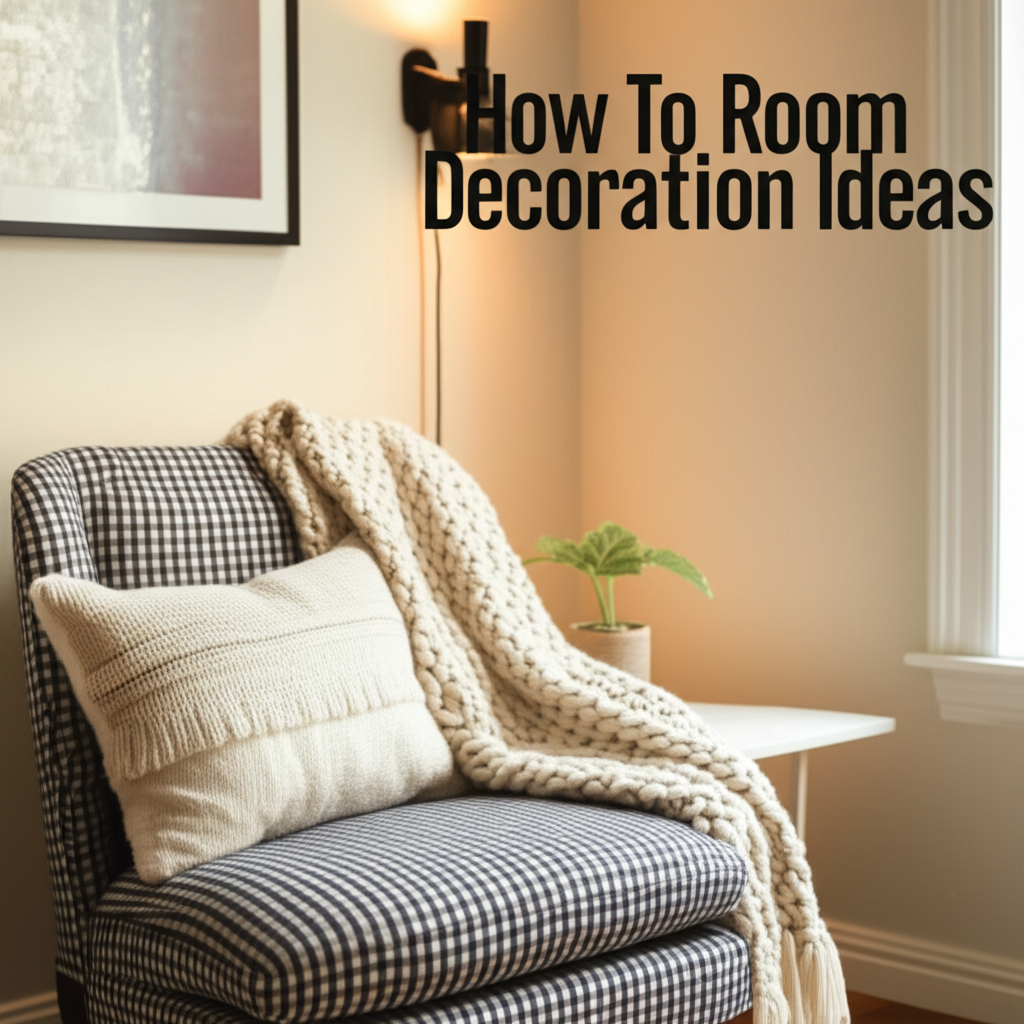
Here are some common questions beginners have about decorating their rooms:
Q1: How do I start decorating a room if I have a very small budget?
Start with a deep clean and declutter. Then, focus on one impactful change, like painting an accent wall. Rearrange your existing furniture for a fresh look. Hit up thrift stores for unique decor pieces or DIY projects. Plants and personal photos are also inexpensive ways to add personality.
Q2: What if I can’t decide on a style?
Don’t worry! You don’t need to stick rigidly to one style. Try a “mix and match” approach. Gather inspiration from different styles you like and see how they can be combined. Focus on creating a comfortable and functional space that you love, rather than trying to fit a specific label.
Q3: How do I make a room feel bigger?
Use light colors for walls and furniture. Maximize natural light by using sheer curtains. Incorporate mirrors to reflect light and create the illusion of more space. Choose furniture with legs that show the floor underneath, as this makes the room feel less heavy. Avoid overcrowding the space with too much furniture.
Q4: Is it okay to mix and match furniture from different styles?
Absolutely! Mixing furniture styles can create a more unique and layered look. The key is to create cohesion. You can do this by using a consistent color palette across different pieces, repeating certain shapes or materials, or tying everything together with accessories like rugs and artwork.
Q5: How much space should I leave between furniture pieces?
For main walkways, aim for at least 2-3 feet. For conversation areas, chairs and sofas should be within 6-8 feet of each other so people can talk easily. Ensure there’s enough space to comfortably walk around tables and beds.
Q6: What is the best way to choose paint colors for a room?
Start by considering the mood you want to create. Look at your existing furniture and decor for inspiration. Always get paint samples and test them on your walls in different lighting conditions before committing. Online tools like Sherwin-Williams’ Color Visualizer can also help you see how colors might look.
Q7: How often should I update my room decor?
There’s no set schedule! Decorate as your tastes evolve or as your needs change. You can make small, seasonal updates with accessories like throw pillows and blankets. Major overhauls aren’t necessary unless you feel the space isn’t working for you anymore. Focus on creating a space you love now.
Conclusion: Your Beautiful Room Awaits!
Decorating your room is an exciting journey, not a test! By breaking it down into manageable steps – from defining your style and choosing a color palette to arranging furniture and adding personal touches – you can create a space that truly reflects you. Remember that it’s okay to start small, be patient, and have fun with the process.
Don’t be afraid to experiment, trust your instincts, and use budget-friendly hacks to make your vision a reality. Your room is your personal sanctuary, a place for rest, creativity, and self-expression. With these essential tips, you’re well on your way to transforming your space into a stylish, comfortable, and inviting haven that you’ll absolutely love.
So go ahead, pick a color, rearrange that sofa, and add that special something. Your beautiful room awaits its transformation!