10 best baby room decor ideas with effortless storage: Declutter your nursery with stylish, practical solutions that grow with your child, making organization simple and beautiful for any budget.
Creating a beautiful nursery for your little one can feel overwhelming, especially when you start thinking about all the things a baby needs. Where will it all go? How can you keep things tidy without sacrificing style?
Don’t worry! Designing a functional and charming baby room is totally achievable, even if you’re new to decorating. We’re going to break down some amazing decor ideas that focus on making storage easy and chic.
Get ready to transform your baby’s room into a peaceful, organized haven. Let’s dive into some clever ideas that will make decorating fun and stress-free!
10 Best Baby Room Decor Ideas: Effortless Storage Solutions
Designing a nursery is more than just picking cute furniture; it’s about creating a space that is both a sanctuary for your baby and a functional zone for you. Storage is key to keeping this sanctuary calm and clutter-free. Here are 10 of the best baby room decor ideas that brilliantly blend style with effortless storage.
1. The Versatile Floating Shelf
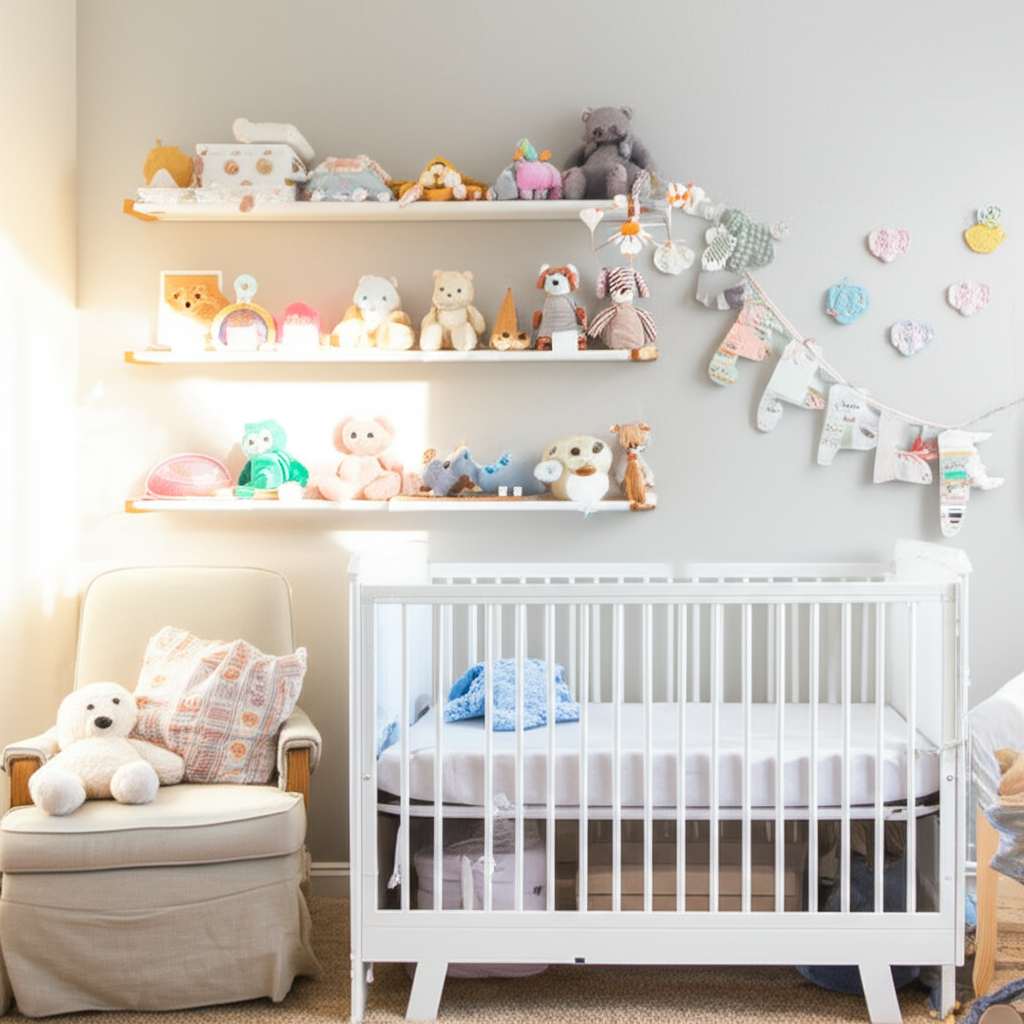
Floating shelves are a decorator’s best friend for a reason. They offer a clean, modern look while keeping the floor clear. In a nursery, they’re perfect for displaying beloved books, small toys, or decorative items.
You can arrange them in playful patterns, like staggered squares or a playful zig-zag, adding visual interest to the walls. They’re also ideal for storing nursery essentials like baby wipes or diaper cream within easy reach, but out of baby’s grasp as they grow.
- Why it’s great: Maximizes vertical space, keeps floors clear, customizable arrangement.
- Budget tip: Look for affordable wood or MDF shelves at your local hardware or home goods store.
2. Wall-Mounted Cubbies and Shelving Units
Similar to floating shelves but offering more contained storage, wall-mounted cubbies are fantastic. They come in various sizes and configurations, from simple square cubbies to more elaborate modular systems.
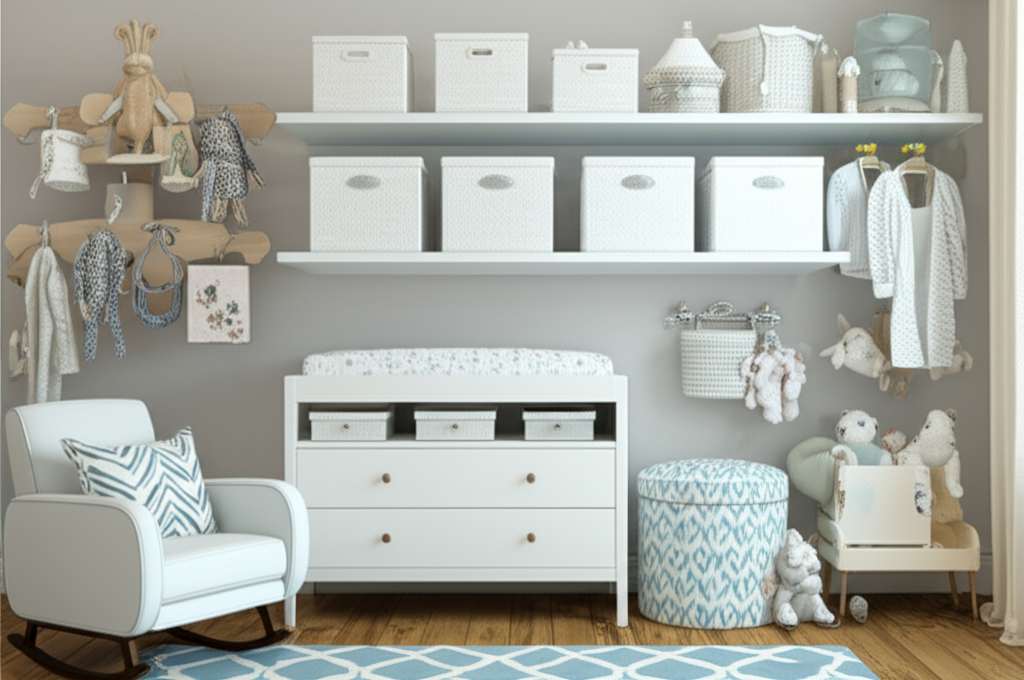
These are perfect for corralling items. Use fabric bins or decorative baskets within the cubbies to hide clutter and add a pop of color or texture to the room. They can hold anything from extra blankets and burp cloths to stuffed animals and baby toys.
For a truly inspired look, consider a honeycomb shelf unit. This unique design adds a whimsical touch while providing individual compartments for various items. You can find these in wood, metal, or even colorful plastic options to match your theme.
3. The Classic Dresser with a Changing Top
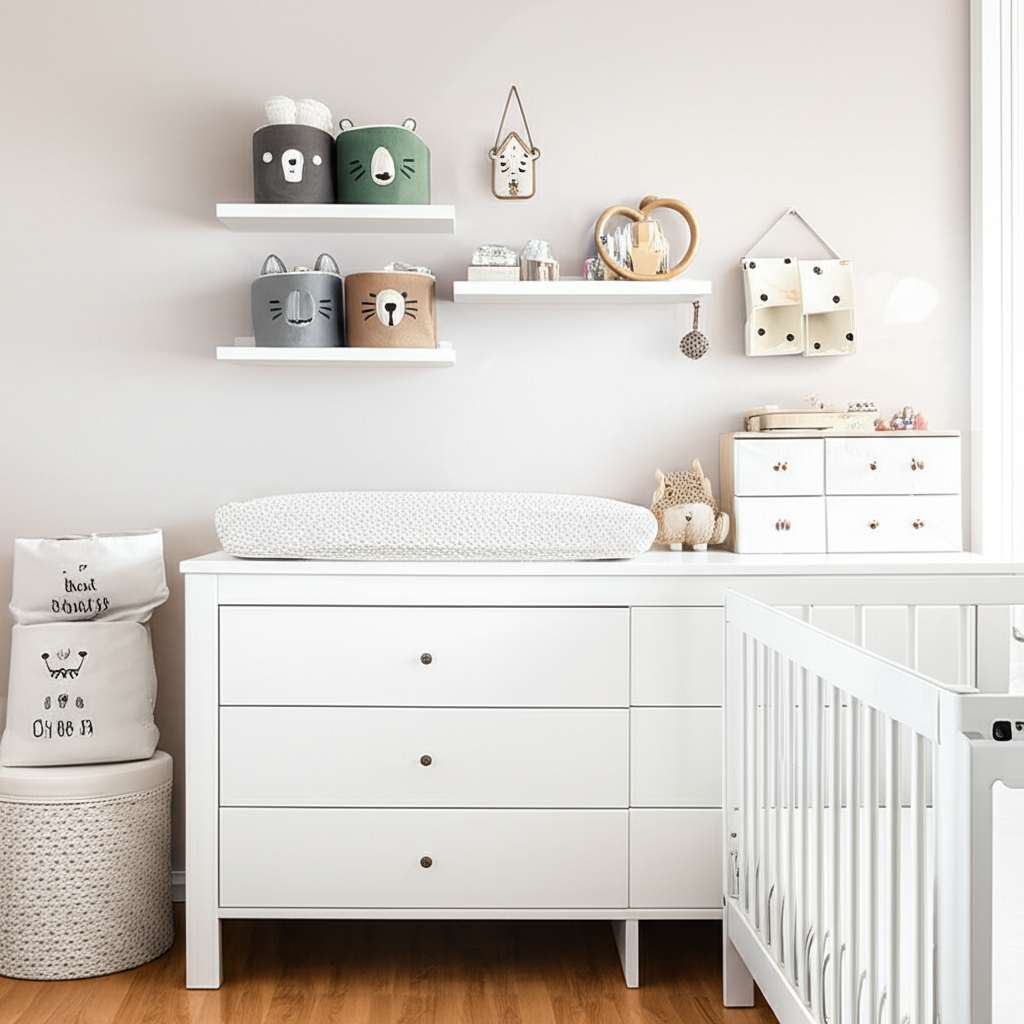
A good dresser is a nursery workhorse. Opt for one with deep drawers that can store a surprising amount of clothing, bedding, and even larger toys. The top surface is ideal for a changing pad, instantly transforming it into a dual-purpose piece of furniture.
Look for dressers with smooth-gliding drawers – this makes a huge difference when you’re juggling a baby! Choosing a dresser that can transition from a baby changing station to a regular dresser as your child grows is a smart investment.
- Pros: Multi-functional, ample storage, can be used for years.
- Cons: Can be a larger initial investment, requires assembly.
When selecting a dresser, consider its stability. Anchoring it to the wall is crucial for safety. Resources like the Consumer Product Safety Commission (CPSC) offer excellent guidance on furniture anchoring.
4. Rolling Storage Carts
Rolling carts are incredibly versatile and can be moved wherever you need them. They’re perfect for storing frequently used items like diapers, wipes, creams, and baby’s change of clothes. Keep one next to the changing station, another near a feeding chair, or even in a corner for art supplies later on.
Many carts come with multiple tiers and compartments, allowing for organized separation of items. They are also a fantastic way to add a touch of color or metallic shine to the room, depending on the material you choose.
- Ideal for: Diaper changes, feeding essentials, craft supplies (as they grow).
- Tip: Look for carts with sturdy wheels that lock in place for added stability.
5. Under-Crib Storage Drawers or Bins
The space beneath the crib is often overlooked but can be prime real estate for storage. Many cribs come with optional under-crib drawers, or you can purchase separate low-profile bins designed to fit snugly underneath.
These are perfect for storing extra bedding, seasonal clothing, or even toys that aren’t used daily. Keeping them out of sight maintains the clean aesthetic of the nursery while keeping essentials handy.
For a more DIY approach, consider using decorative fabric bins or even shallow wooden crates that can slide easily. Ensure whatever you use has a smooth finish to avoid scratching the crib or the floor.
6. Wall-Mounted Baskets and Pouches
Fabric wall pockets or mounted baskets are excellent for smaller items. Think about hanging one near the changing table for lotions, pacifiers, and small toys. They can also be used for books, small stuffed animals, or even as a mini-laundry hamper for baby’s outfits.
These add a soft, textural element to the walls and are incredibly lightweight. Many come in adorable patterns or colors that can complement your nursery’s theme. They are also a safer option for younger babies as they are securely fastened to the wall.
Consider a felt organizer with multiple pockets. This is a great way to keep all the small essentials for diaper changes in one place, making your life so much easier during those late-night changes.
7. The Playful Toy Chest or Ottoman
A dedicated toy chest is a classic for a reason. It’s a designated spot for all those toys, encouraging your child to help with cleanup as they get older. Opt for one with a slow-closing lid to prevent little fingers from getting pinched.
Alternatively, a storage ottoman serves a dual purpose: it provides seating for you or your partner, and it hides away toys or extra blankets. Look for one that’s upholstered in a durable, easy-to-clean fabric. This adds a cozy element to the room while keeping clutter out of sight.
- Safety first: Always ensure toy chests have safety hinges to prevent the lid from slamming shut.
- Style tip: Choose an ottoman that can also serve as a footrest or extra seating in another room later on.
8. Pegboards for Customizable Storage
Pegboards are incredibly versatile and can be adapted as your child grows. Initially, you can use them to hang small baskets for diapers, wipes, or baby care items. As your child gets older, the pegboard can hold art supplies, shelves for books, or even a place to display their artwork.
You can paint pegboards to match your nursery’s color scheme or leave them in their natural wood or metal finish. Adding hooks, shelves, and containers allows for endless customization. It’s a dynamic storage solution that evolves with your child’s needs.
Check out resources like Family Handyman for tips on how to properly install a pegboard, ensuring it’s secure and safe.
9. Built-in Shelving or Bookcases
If you have the space and budget, built-in shelving can be a game-changer. It creates a seamless look and maximizes storage without taking up precious floor space. Bookshelves are perfect for creating a cozy reading nook.
You can customize the height and depth of the shelves to fit your needs. Consider adding cabinets or drawers at the bottom for hidden storage of larger items. Built-ins add significant value to a home and create a polished, organized feel.
- Pros: Seamless look, maximizes space, increases home value.
- Cons: Higher cost, requires professional installation or significant DIY skills.
10. Creative Wall Hooks and Hangers
Don’t underestimate the power of a few well-placed hooks! They are fantastic for hanging blankets, small baskets, robes, or even decorative items like garlands. Opt for fun shapes like animals, clouds, or stars to add a playful touch to the walls.
You can create a whole decorative display with a collection of unique hooks. They are a simple, budget-friendly way to add functional decor and keep frequently used items within easy reach. Ensure they are securely mounted to support the weight of what you plan to hang.
Putting It All Together: A Step-by-Step Approach
Now that you have a collection of inspiring ideas, let’s think about how to implement them effectively. Here’s a simple approach to decorating your baby’s room with smart storage in mind.
- Assess Your Space and Needs: Walk through your nursery. What are the main items you need to store? How much space do you have? Measure your walls and floor areas.
- Prioritize Essential Storage: Focus on where you’ll keep diapers, wipes, clothing, and feeding supplies. These items need to be easily accessible.
- Choose a Theme (Optional but Helpful): Having a general theme can guide your decor choices. Whether it’s woodland creatures, a starry night, or a simple color palette, it helps tie everything together.
- Select Multi-Functional Furniture: Look for pieces that serve more than one purpose, like a dresser with a changing top or an ottoman with storage.
- Utilize Vertical Space: Shelves, wall-mounted cubbies, and pegboards are your best friends for keeping the floor clear and maximizing storage.
- Incorporate Soft Storage: Fabric bins, baskets, and wall pouches add texture and can hide clutter effectively.
- Don’t Forget the Floor: While keeping it clear is good, rolling carts or a stylish toy chest can be great for items you want to keep accessible.
- Safety First: Always anchor furniture to the wall and ensure any hanging items are securely fastened.
- Add Personal Touches: Once the practical storage is in place, add decorative elements like artwork, mobiles, and cozy textiles.
- Review and Adjust: Live with the space for a bit. As your baby grows, you may need to adjust your storage solutions.
Storage Solutions vs. Decorative Elements: A Balance
It’s important to find a balance between practical storage and decorative appeal. Here’s a look at how some popular nursery items can serve both functions:
| Storage Item | Decorative Potential | Storage Function |
|---|---|---|
| Floating Shelves | Display books, small art, curated items. Can be arranged artistically. | Books, small toys, essentials. |
| Fabric Bins/Baskets | Add color, texture, and pattern. Come in various styles. | Toys, blankets, extra clothes, diapers. |
| Dresser | Can be painted, refinished, or have decorative knobs added. | Clothing, bedding, larger toys. |
| Wall Hooks | Fun shapes (animals, stars), can be arranged as wall art. | Robes, blankets, small bags, hats. |
| Toy Chest/Ottoman | Upholstered options add coziness; can be a statement piece. | Toys, stuffed animals, extra blankets. |
Making it Budget-Friendly
Decorating a nursery doesn’t have to break the bank. Many of these storage solutions can be achieved affordably:
- DIY Projects: Repurpose old furniture, paint existing pieces, or build simple shelves yourself.
- Thrift Stores & Secondhand Finds: You can often find excellent quality dressers, bookcases, and toy chests at a fraction of the retail price.
- Sales and Discounts: Keep an eye out for sales at major home goods stores and online retailers.
- Focus on Key Pieces: Invest in a sturdy dresser or crib, and save on smaller decorative items or storage bins.
- Modular Systems: Opt for modular shelving or cubbies that you can expand on later as your needs change.
Tips for Small Nurseries
If you’re working with a smaller space, every inch counts. Here’s how to maximize storage:
- Go Vertical: Prioritize wall-mounted solutions like shelves, cubbies, and pegboards.
- Think Slim: Choose narrow bookcases or dressers.
- Under-Bed Storage: Use low-profile bins or drawers that fit under the crib.
- Door Organizers: Over-the-door shoe organizers or hanging closet organizers can hold a surprising amount.
- Foldable Solutions: Consider foldable storage bins that can be put away when not in use.
Tips for Large Nurseries
For bigger rooms, the challenge is often making the space feel cozy and preventing it from looking sparse. Use storage to define zones:
- Create Zones: Use a bookcase or a storage unit to subtly divide the room into play, sleep, and changing areas.
- Statement Pieces: A larger, more decorative toy chest or a substantial dresser can act as a focal point.
- Wall Art and Shelving: Use longer floating shelves or multiple wall-mounted units to fill large wall spaces.
- Comfort and Seating: Add a comfortable armchair with a side table and storage ottoman.
- Don’t Overcrowd: While storage is important, ensure there’s still plenty of open space for play and movement.
Frequently Asked Questions (FAQ)
Q1: How can I make my baby’s room storage look stylish and not cluttered?
A: Use decorative bins and baskets within shelves or cubbies to hide items. Choose furniture with clean lines and coordinating colors. A few well-placed decorative items on open shelves can also elevate the look.
Q2: What are the safest ways to store baby items in a nursery?
A: Always anchor furniture like dressers and bookcases to the wall to prevent tipping. Ensure any toy chests have safety hinges. Keep smaller items that could be choking hazards out of reach of crawling babies.
Q3: How much storage do I really need for a baby room?
A: It varies, but focus on essentials: clothing, diapers, wipes, feeding supplies, and a few key toys. It’s better to have smart, accessible storage than too many bulky items. You can always add more as needed.
Q4: Can I use regular furniture for a baby room, or do I need special nursery furniture?
A: Regular furniture can absolutely work! A sturdy dresser can be used as a changing station with a pad on top. A comfortable armchair from your living room can become a great feeding chair.
Q5: What are some good DIY storage ideas for a nursery?
A: Painting old dressers, building simple floating shelves, repurposing wooden crates into storage bins, or creating fabric wall pockets are all great DIY options.
Q6: How can I adapt my baby room storage as my child grows?
A: Choose versatile items. A dresser can be used for years. Shelving can transition from baby books to chapter books. Toy chests can hold larger toys. Pegboards can be reconfigured for art supplies or hobbies.
Q7: What’s the best way to organize diapers and wipes?
A: A rolling cart with designated shelves, a wall-mounted organizer with pockets, or a sturdy basket on a changing table are all excellent options. Keeping them together in one accessible spot is key.
Conclusion
Creating a beautiful and functional baby room is all about smart planning and choosing the right decor. By incorporating these 10 best baby room decor ideas with effortless storage, you can transform any space into an organized, stylish, and peaceful haven for your little one.
Remember, it’s not about having the most expensive items, but about making thoughtful choices that blend practicality with charm. From versatile floating shelves to multi-functional dressers, each idea offers a way to maximize space and minimize clutter.
With these tips, you can confidently tackle your nursery project, creating a room that you and your baby will love. For more inspiration on stylish storage, check out our guide to stylish kitchen storage accessories and discover how smart organization can elevate any room in your home. Happy decorating!