
In this guide, we take a deep dive into 10 Study Room Decor Ideas for Better Focus. Here, you’ll learn how to transform your study room into a productive, inspiring, and appealing space that enhances focus and promotes effective learning.
Key Takeaways
- Color Psychology: Understanding the impact of colors on concentration and mood can help in choosing the right shades for your study room.
- Lighting Matters: Optimal lighting is crucial for maintaining focus and reducing eye strain during long study sessions.
- Minimalist Approach: A clutter-free and minimalist study room helps in reducing distractions and enhancing focus.
- Comfortable Furniture: Comfortable and ergonomically designed furniture aid in maintaining proper posture and reduce fatigue.
- Personal Touch: Adding personal elements can make the study room more appealing and create a positive study environment.
- Organized Layout: A well-organized layout makes it easy to locate study materials, thus saving time and reducing stress.
Introduction
Creating an environment conducive to learning and productivity is key to achieving academic success. The decor of your study room plays a significant role in enhancing focus and reducing distractions. In this guide, we will explore 10 study room decor ideas that can help you create a space that encourages better focus and efficient learning.
1. Understand Color Psychology
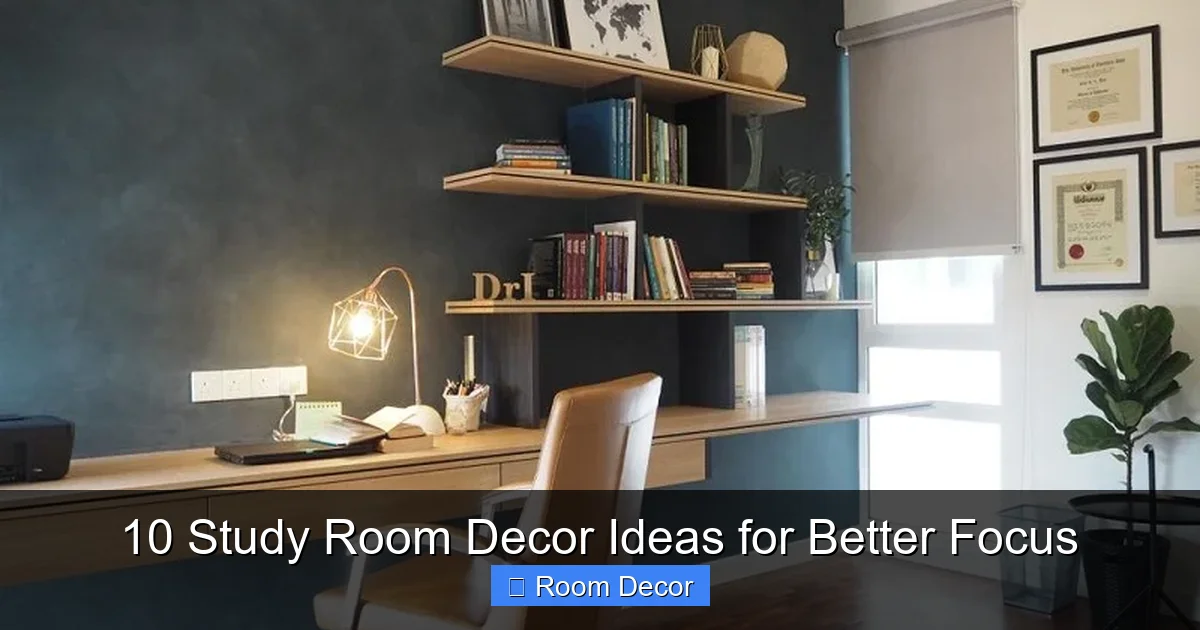
Color has a profound impact on our mood and cognitive functions. Light and cool colors like blue and green promote calmness and improve focus, while warm colors like red and yellow stimulate the brain and boost creativity. Choose a color scheme that aligns with your study needs and preferences.
Visual guide about 10 Study Room Decor Ideas for Better Focus
Image source: ngumpi.com
Practical Tip:
Consider using removable wallpaper or wall decals for a non-permanent color change. This will allow you to experiment with different colors and patterns without making a long-term commitment.
2. Optimize Lighting
Proper lighting is crucial for maintaining focus and minimizing eye strain. Natural light is the best option, but if your study room lacks windows, implement a combination of task, ambient, and accent lighting. Desk lamps with adjustable brightness are a great investment for late-night study sessions.
Practical Tip:
Choose LED lights with a color temperature of around 4000K, which is close to the natural daylight spectrum and is ideal for studying.
3. Adopt a Minimalist Approach
Clutter can be distracting and stressful. Organize your study materials in a minimalist and efficient manner. Use storage solutions like shelves, drawers, and baskets to keep your space tidy and clutter-free.
4. Invest in Comfortable Furniture
Ergonomically designed chairs and desks can greatly enhance your comfort during long study sessions. Make sure your chair supports your back properly and your desk is at the right height. A standing desk can also be a good option to alternate between sitting and standing postures.
5. Add a Personal Touch
Personalizing your study room can make it more appealing and comfortable. Hang inspirational posters, family photos, or artworks that inspire you. Plants can also add a touch of nature and improve air quality in your study room.
6. Keep an Organized Layout
An organized layout helps in locating study materials easily, saving time and reducing stress. Arrange your books, stationery, and other materials in a systematic manner and maintain this order consistently.
Conclusion
Creating a study room that fosters focus and productivity requires a thoughtful approach to decor. By understanding color psychology, optimizing lighting, adopting a minimalist approach, investing in comfortable furniture, adding a personal touch, and maintaining an organized layout, you can transform your study space into an effective learning environment.