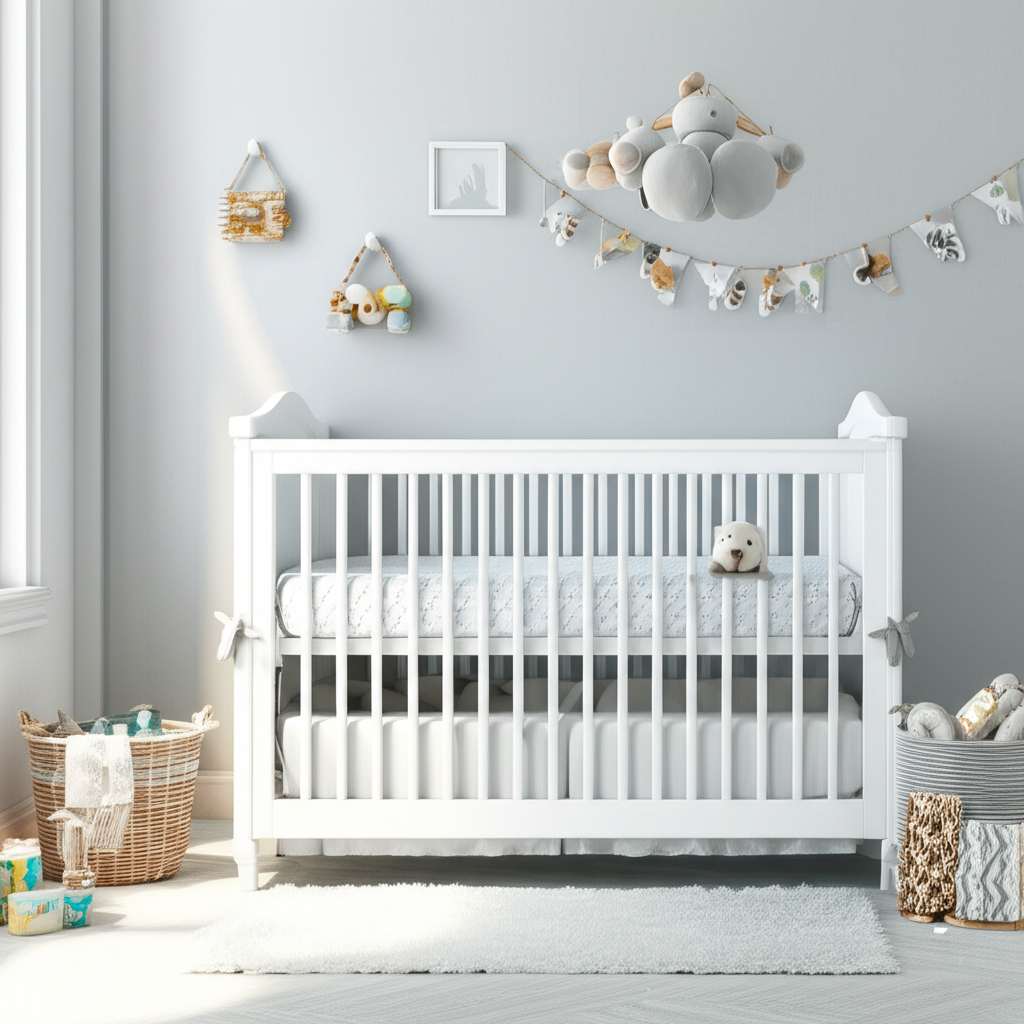
Creating a stylish and functional baby boy’s room is achievable with these 10 essential decorating ideas. Focus on a calming color palette, smart storage, and personalized touches to design a nursery that’s both beautiful and practical for you and your little one.
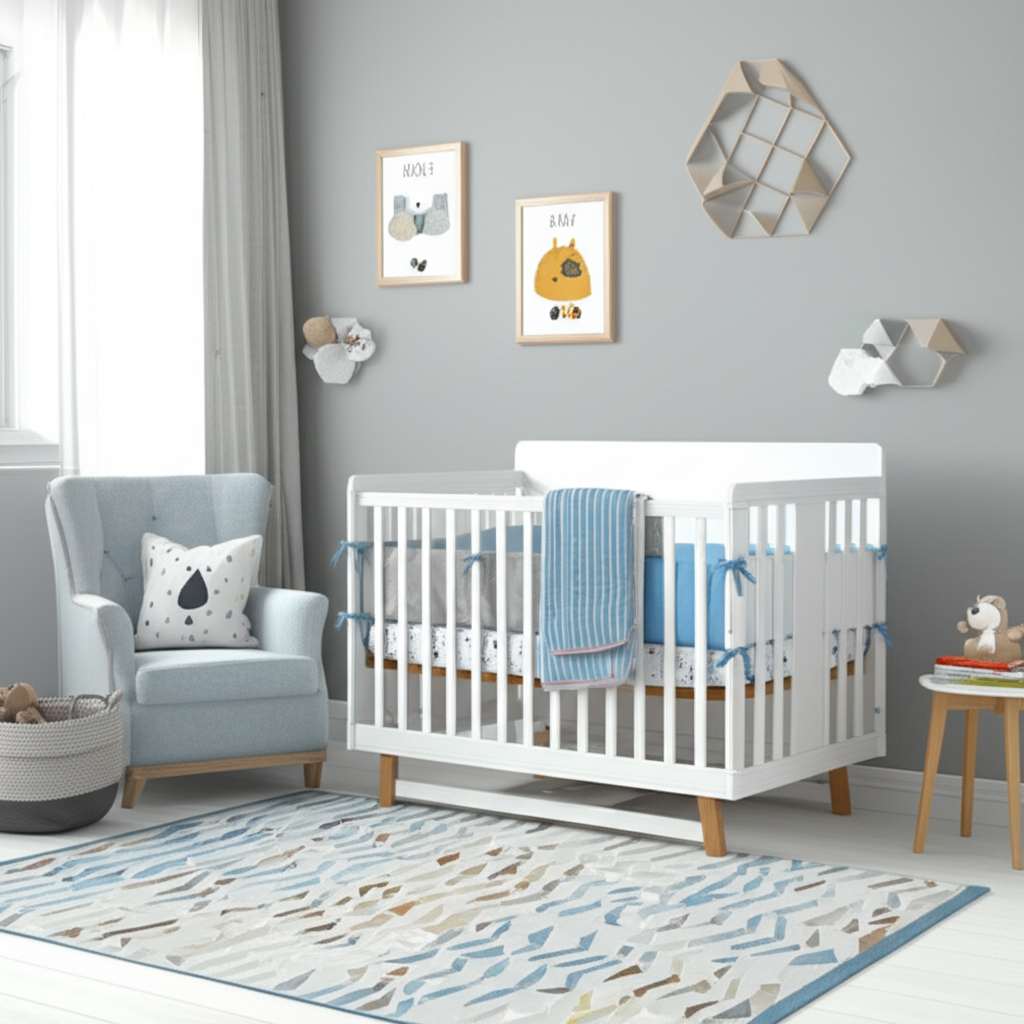
Welcoming a baby boy is an exciting time, and designing his nursery should be too! But where do you start with all the choices? It’s easy to feel a little overwhelmed trying to create a space that’s both adorable and practical.
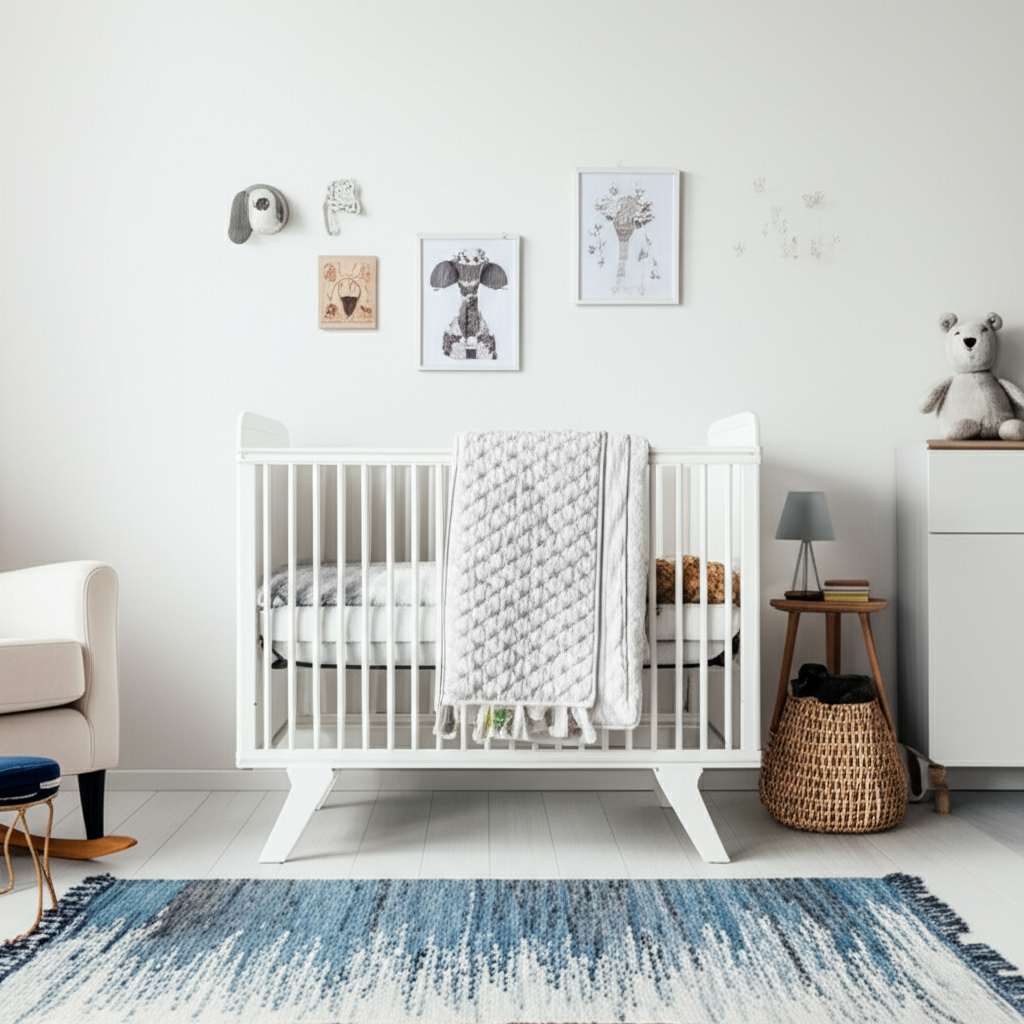
You want a room that feels calm and cozy for your little one, but also somewhere that’s easy for you to manage. Don’t worry, we’ve got you covered!
This guide will walk you through 10 stylish decorating ideas for your baby boy’s room, making the process fun and stress-free. Get ready to transform a simple room into a dreamy nursery!
1. Choose a Calming Color Palette
When decorating a baby boy’s room, think beyond just blue! While traditional blues are lovely, exploring softer hues can create a more serene atmosphere. Consider gentle grays, muted greens, warm beiges, or even a sophisticated cream.
These colors provide a beautiful backdrop that’s both calming for your baby and versatile as he grows. You can easily add pops of color through accessories and decor later on. This approach ensures the room remains stylish for years to come.
For a sophisticated look, try pairing a soft gray with a touch of warm wood tones. A muted sage green can also create a wonderfully tranquil nursery, especially when complemented by natural textures.
Why Soft Colors Work Best
- Promote a sense of calm and relaxation for the baby.
- Are less stimulating than bright, bold colors, aiding in sleep.
- Offer greater versatility for future redecorating as your child grows.
- Provide a neutral base that allows accent colors to stand out beautifully.
2. Embrace Versatile Neutral Tones
Neutral colors are your best friend when it comes to creating a timeless and adaptable baby boy’s nursery. Think beyond white walls; explore shades of beige, taupe, light gray, and even soft ivory. These colors create a peaceful foundation.
The beauty of neutrals is their flexibility. They allow you to introduce accent colors and patterns through bedding, rugs, wall art, and decorative items. This makes it easy to update the room’s style as your baby’s preferences evolve.
A neutral palette also makes it simpler to reuse furniture or decor if you have another child later. It’s a smart, long-term decorating strategy.
Neutral Color Inspiration
Here are some popular neutral color pairings that work wonderfully in a nursery:
| Base Color | Accent Color Ideas | Vibe |
|---|---|---|
| Soft Gray | Warm Wood, Mustard Yellow, Dusty Blue | Modern, Calm, Sophisticated |
| Warm Beige/Taupe | Terracotta, Olive Green, Cream | Earthy, Cozy, Inviting |
| Ivory/Off-White | Pastel Blue, Light Peach, Natural Rattan | Airy, Bright, Gentle |
3. Focus on Smart Storage Solutions
A baby’s needs can quickly fill a room, so smart storage is key to maintaining a stylish and clutter-free space. Think about multi-functional furniture like a crib with built-in drawers or a changing table with shelves.
Vertical space is your friend! Install floating shelves for books and toys, or use wall-mounted organizers. Baskets and bins are also excellent for corralling smaller items like diapers, wipes, and baby essentials.
When items are neatly stored away, the room looks tidier and feels more peaceful. It also makes it easier for you to find what you need quickly, which is a lifesaver in those early days.
Storage Essentials for a Baby Room
- Crib with Drawers: Combines sleeping space with storage.
- Wall Shelves: Great for books, decor, and frequently used items.
- Baskets & Bins: Perfect for toys, blankets, and changing supplies.
- Closet Organizers: Maximize hanging and shelf space for clothes.
- Changing Table with Storage: Keeps diapers and creams accessible.
4. Layer Lighting for Ambiance
Good lighting can transform a nursery from just a room into a cozy haven. Avoid relying on a single, harsh overhead light. Instead, aim for layered lighting to create different moods and functions.
Start with a soft, ambient overhead light that can be dimmed. Then, add task lighting, like a night light or a small lamp near the changing station, for those late-night diaper changes and feedings. A cozy reading lamp near a glider or rocking chair is also a wonderful addition for storytime.
Consider the color temperature of your bulbs too. Warmer light (around 2700K) creates a more relaxing atmosphere than cool, blue-toned light. You can learn more about choosing the right light bulbs from resources like the U.S. Department of Energy’s Energy Saver website.
Lighting Layers Explained
- Ambient Lighting: General illumination from an overhead fixture. Dimmable is ideal.
- Task Lighting: Focused light for specific activities like changing diapers or reading.
- Accent Lighting: Can highlight artwork or create a soft glow with a night light.
5. Incorporate Playful Patterns and Textures
While neutrals provide a calm base, don’t shy away from adding personality with patterns and textures. These elements add visual interest and warmth to the room, making it more engaging for your baby.
Think about introducing subtle patterns through wallpaper on an accent wall, the crib bedding, or a rug. Geometric shapes, soft stripes, or even gentle animal motifs can be very charming.
Textures add depth and comfort. Consider a plush rug, soft knit blankets, a velvet glider, or wooden elements. Mixing different textures makes the space feel more inviting and cozy for both baby and parents.
Pattern & Texture Ideas
Here’s how to balance patterns and textures:
- Wallpaper: A subtle geometric or a nature-inspired print on one wall.
- Bedding: Choose soft fabrics with simple, repeating patterns.
- Rugs: A plush or woven rug adds warmth underfoot and visual interest.
- Curtains: Linen or cotton curtains with a gentle texture.
- Decorative Pillows: Mix soft knits with smooth cotton for comfort and style.
6. Personalize with Meaningful Art and Decor
Your baby’s room should feel personal and filled with love. Art and decor are fantastic ways to inject your personality and create a space that tells a story.
Consider framing children’s book illustrations, creating a gallery wall with photos of family, or displaying handmade items. You can also find beautiful, gender-neutral art that complements your chosen color scheme.
Personal touches don’t have to be expensive. A hand-painted mobile, a personalized name sign, or even a collection of special stuffed animals can add immense warmth and character to the nursery. For more inspiration on stylish and functional decor, check out our guide on kitchen wall art ideas—many of these concepts translate beautifully to nursery spaces.
Personalization Tips
- Gallery Wall: Mix framed photos, small prints, and personal mementos.
- Custom Name Sign: A classic way to welcome your little one.
- Handmade Mobiles: Adds a unique, artistic touch above the crib.
- Shadow Boxes: Display baby’s first shoes or other keepsakes.
7. Choose Comfortable and Functional Furniture
Beyond the crib, the right furniture makes a huge difference in the nursery’s functionality and comfort. A comfortable glider or rocking chair is essential for late-night feedings and cuddle sessions.
Ensure the changing table is at a comfortable height for you to avoid back strain. If space is limited, consider a changing pad that fits securely on top of a dresser, turning it into a dual-purpose piece.
Think about the scale of your furniture. In a smaller room, opt for pieces with a smaller footprint. In a larger room, you might have space for a small armchair or a bookshelf.
Must-Have Furniture Pieces
- Crib: Safety is paramount. Ensure it meets current safety standards.
- Glider/Rocking Chair: For comfortable feeding and bonding.
- Changing Table/Station: Essential for diaper changes.
- Dresser/Storage Unit: For clothes, linens, and other baby items.
- Bookshelf (Optional): For storing books and displaying decor.
8. Safety First: Essential Baby-Proofing
While style is important, safety is non-negotiable. Before your baby starts crawling and exploring, it’s crucial to baby-proof the room. This ensures a secure environment for your little one.
Anchor all furniture, especially tall dressers and bookshelves, to the wall to prevent tipping. Cover electrical outlets with safety plugs and cord shorteners to hide accessible cords. Ensure the crib mattress is firm and fits snugly, with no gaps.
Check that window blind cords are secured out of reach, as these can be a strangulation hazard. For more detailed safety guidelines, consult resources like the Consumer Product Safety Commission’s (CPSC) checklist for nursery safety.
Key Baby-Proofing Steps
- Anchor furniture: Prevent tipping by securing dressers and shelves to the wall.
- Outlet covers: Protect curious fingers from electrical outlets.
- Cord management: Keep cords for blinds, lamps, and electronics out of reach.
- Crib safety: Ensure a firm mattress and no loose bedding or bumpers.
- Secure windows: Use window guards or locks.
9. Don’t Forget the Floor: Rugs and Flooring
The floor is where your baby will spend a lot of time playing as they grow. Choosing the right flooring and adding a rug can make the space more comfortable and safe.
If you have hard flooring like wood or tile, a soft, plush rug is a must. It provides a comfortable surface for tummy time, crawling, and playing. Opt for rugs made from natural fibers like wool or cotton, or durable, easy-to-clean synthetic materials.
Consider the rug’s pile height. A lower pile is easier to clean, while a higher pile is softer and more luxurious. Ensure the rug has a non-slip backing or use a rug pad to prevent it from sliding.
Flooring Considerations
- Softness: A rug adds comfort for playtime.
- Safety: Non-slip backing prevents falls.
- Ease of Cleaning: Choose materials that can withstand spills and messes.
- Acoustics: Rugs can help dampen sound, making the room quieter.
10. Add a Touch of Whimsy with Themed Elements
While keeping it sophisticated, a touch of whimsy can make the room truly special. This doesn’t mean a cartoon character overload, but rather subtle nods to themes your little one might enjoy as he grows.
Think about incorporating elements related to nature (woodland creatures, stars), adventure (maps, hot air balloons), or classic stories. These can be introduced through artwork, a mobile, or even a subtle wallpaper pattern.
The goal is to create a room that sparks imagination without being overly stimulating. These elements can be easily swapped out as your child’s interests change, keeping the room fresh and relevant.
Whimsical Decor Ideas
- Starry Night Ceiling: Glow-in-the-dark stars or a constellation mural.
- Woodland Creatures: Subtle animal prints or stuffed animals.
- Adventure Maps: A vintage map as wall art or a rug.
- Hot Air Balloon Mobile: Adds a touch of fantasy and height.
- Storybook Accents: Decor inspired by classic children’s tales.
Frequently Asked Questions (FAQ)
What are the best colors for a baby boy’s room?
The best colors are calming and versatile neutrals like soft grays, beiges, muted greens, or creams. These create a serene atmosphere and allow for easy accenting with pops of color.
How can I make a small baby room feel bigger?
Use light, neutral colors, mirrors to reflect light, multi-functional furniture with built-in storage, and vertical storage solutions like wall shelves. Keep decor minimal and organized.
Is it okay to use bold colors in a baby boy’s nursery?
Yes, but use them strategically! Bold colors can be overwhelming. Consider using them as accent colors in artwork, pillows, or a single feature wall, rather than painting the entire room in a bright hue.
What kind of rug is best for a nursery?
A soft, comfortable rug is ideal. Natural fibers like cotton or wool are good choices, as are durable, easy-to-clean synthetic options. Ensure it has a non-slip backing for safety.
How do I baby-proof a nursery effectively?
Anchor all furniture to the walls, use outlet covers, secure all cords, ensure the crib meets safety standards, and cover sharp corners. Regularly check for new hazards as your baby grows.
What’s the most important thing to consider when decorating a baby’s room?
Safety and functionality are paramount, followed closely by creating a calm and soothing environment. While style is important, ensuring the room is safe, practical, and conducive to sleep for both baby and parents should always come first.
Can I decorate a nursery on a budget?
Absolutely! Focus on DIY projects, second-hand furniture that can be repainted, smart storage solutions like baskets, and using affordable art prints or personal photos. Prioritize essential, safe items and add decorative touches gradually.
Conclusion
Decorating your baby boy’s room can be a truly joyful and creative process. By focusing on a calming color palette, smart storage, layered lighting, and personal touches, you can create a space that is both stylish and functional.
Remember, the most important elements are safety and creating a serene environment for your little one to grow and thrive. Don’t be afraid to mix textures, add a touch of whimsy, and most importantly, infuse the room with your love.
This guide has provided you with 10 essential ideas to get you started. You’ve got this! Enjoy creating a beautiful nursery that you and your baby will love for years to come. For more home decor inspiration, explore our collection of kitchen decor themes that blend style and practicality—perfect for designing any room in your home.