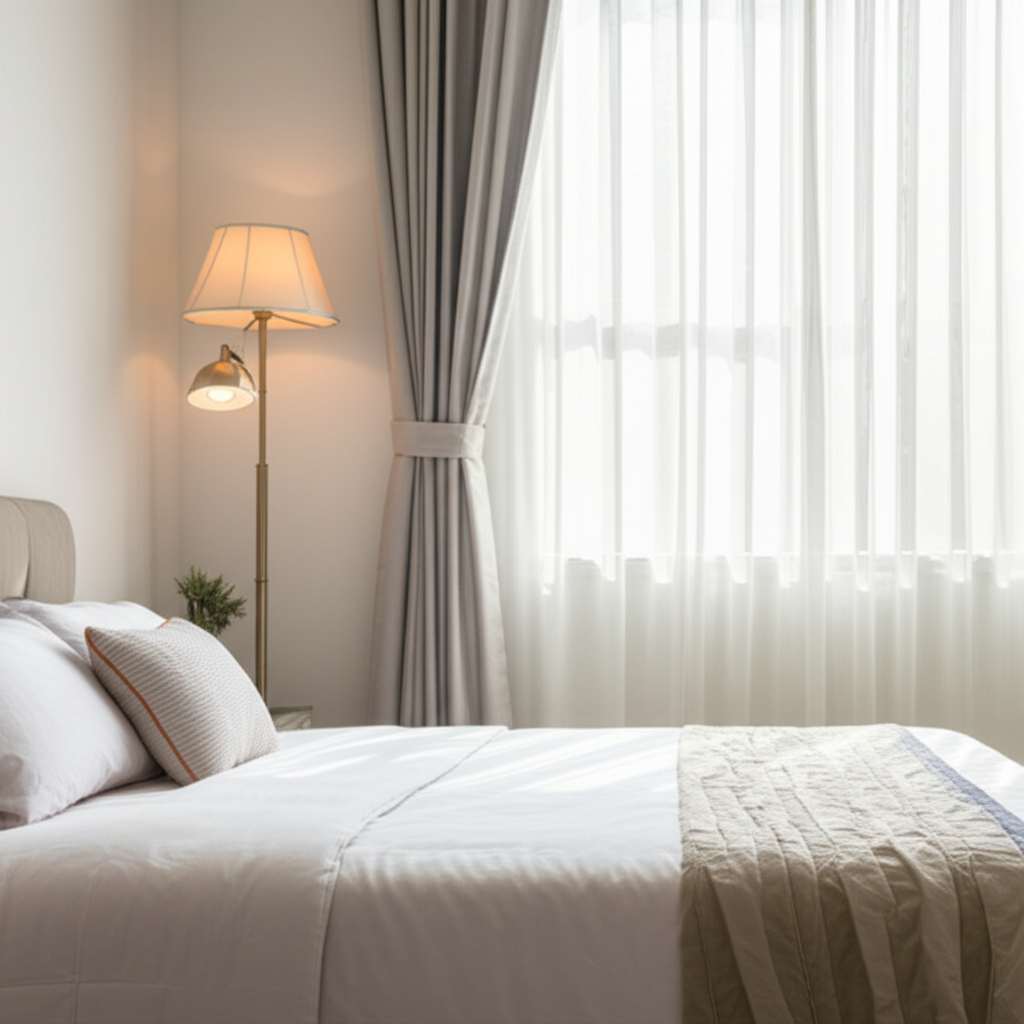
To create a warm and inviting room, focus on layering different types of essential lighting. Incorporating ambient, task, and accent lighting with warm-toned bulbs and fixtures is key to achieving a cozy atmosphere. This guide offers 10 beginner-friendly ideas to transform your space using light effectively.
Feeling like your home is a bit… chilly? Even with cozy blankets and soft rugs, sometimes a room just doesn’t feel quite welcoming. Often, the missing ingredient is the right kind of light!
Lighting can make or break a room’s vibe. Too harsh, and it feels sterile. Too dim, and it’s gloomy. The good news is, you don’t need a fancy degree in interior design to make your space feel warm and inviting. We’re going to break down how to use essential lights to create that cozy glow.
Ready to transform your rooms from bland to beautifully warm? Let’s dive into 10 easy decorating ideas using light!
10 Warm Room Decor Ideas: Essential Lights for a Cozy Home
Creating a warm and inviting atmosphere in your home is all about how you use light. It’s not just about turning on a switch; it’s about layering different types of lighting to create depth, mood, and functionality. Think of it like painting with light! We’ll explore how to use ambient, task, and accent lighting to make your rooms feel like a warm hug.
Understanding the Three Types of Lighting
Before we get to the fun decorating ideas, let’s quickly understand the building blocks of good lighting. Knowing these will help you choose the perfect fixtures and bulbs.
- Ambient Lighting: This is your room’s main light source, providing general illumination. Think ceiling fixtures, chandeliers, or large floor lamps. It sets the overall mood.
- Task Lighting: This is focused light for specific activities. Examples include reading lamps by your favorite chair, under-cabinet lights in the kitchen, or a desk lamp. It helps you see clearly for what you’re doing.
- Accent Lighting: This type of lighting is used to highlight specific features, like artwork, plants, or architectural details. It adds drama and visual interest.
Choosing the Right Bulb: The Warmth Factor
The type of bulb you choose is crucial for warmth. Look for bulbs with a low Kelvin (K) rating, typically between 2000K and 3000K. This range is considered “warm white” and mimics the soft glow of incandescent bulbs.
Higher Kelvin ratings (above 4000K) produce “cool white” or daylight light, which can feel stark and less cozy. For a warm, inviting feel, always opt for lower Kelvin bulbs.
| Bulb Type | Kelvin Range (Warmth) | Best For |
|---|---|---|
| Warm White | 2000K – 3000K | Living rooms, bedrooms, any space you want to feel cozy and relaxed. |
| Cool White/Daylight | 4000K+ | Kitchens, bathrooms, garages, or areas where bright, clear light is needed for tasks. |
10 Warm Room Decor Ideas Using Essential Lights
Now, let’s get to the inspiring ideas! These are simple, effective ways to bring warmth into any room.
1. Layer with a Soft Overhead Glow
Your main ceiling light doesn’t have to be harsh! Instead of a bright, bare bulb, opt for a fixture that diffuses light. Think a stylish pendant light with a fabric shade or a flush mount fixture with a frosted glass cover.
This provides a gentle, ambient light that fills the room without being glaring. It’s the foundation of a warm atmosphere. Consider installing a dimmer switch to control the intensity and adjust the mood throughout the day.
2. Introduce Table Lamps for Cozy Corners
Table lamps are your best friend for creating cozy nooks. Place them on side tables next to sofas or armchairs, on console tables, or even on bedside tables.
The light from a table lamp is typically softer and more localized than overhead lighting. This creates intimate pools of light, making spaces feel more inviting and less cavernous. Choose lamps with warm-toned shades (like cream, beige, or warm grey) for an extra cozy touch.
3. Embrace Floor Lamps for Versatile Warmth
Floor lamps offer a similar cozy effect to table lamps but with more flexibility. An arc floor lamp can provide light over a seating area without needing a side table. A more traditional standing floor lamp can brighten a dark corner or add ambient light to a larger space.
Look for floor lamps with adjustable arms or shades so you can direct the light where you need it most. Many modern floor lamps also come with built-in dimmers, offering even more control over your room’s warmth.
4. Accentuate with Warm Wall Sconces
Wall sconces are often overlooked, but they can be fantastic for adding subtle warmth and character. They cast light upwards, downwards, or both, creating beautiful shadows and highlights on your walls.
Install them in hallways, flanking a fireplace, or next to artwork. Sconces add a sophisticated layer of light that feels intentional and curated. Choose designs with frosted glass or metal shades that direct the light softly.
5. Highlight Art and Decor with Accent Lighting
Draw attention to your favorite pieces! Small, adjustable spotlights or picture lights can be used to illuminate artwork, sculptures, or even a collection of decorative items on a shelf.
This type of lighting adds depth and visual interest to your room. It makes your decor pop and shows off your personal style. Use warm-toned LED bulbs for these to keep the glow consistent with the rest of your room’s warmth.
6. Use String Lights for Whimsical Charm
Don’t underestimate the magic of string lights! Whether it’s delicate fairy lights draped around a mirror or a canopy bed, or slightly larger globe lights strung across a balcony or patio, they add an instant touch of whimsy and warmth.
These are perfect for bedrooms, living rooms, or even outdoor spaces. Opt for warm white LED string lights for a soft, inviting glow that’s energy-efficient. They’re a simple way to create a magical ambiance.
7. Consider Dimmable Bulbs for Every Fixture
This is perhaps the most impactful tip for creating warmth: install dimmer switches wherever possible and use dimmable bulbs.
Dimmers allow you to adjust the light’s intensity, transforming a brightly lit room into a cozy sanctuary in seconds. Imagine winding down in the evening with lights dimmed low – it’s pure comfort! Many smart bulbs also offer dimming capabilities and can be controlled via an app or voice command.
8. Utilize Lampshades in Warm Tones
The lampshade itself plays a significant role in how light is diffused and perceived. Shades made from fabric, parchment, or textured materials in warm colors like cream, beige, terracotta, or even a muted blush can soften and warm the light that passes through them.
Avoid dark or black lampshades if your goal is warmth, as they can absorb light. Instead, choose shades that allow light to radiate outwards, creating a gentle, inviting glow.
9. Add a Touch of Warmth with Candles (Real or LED)
Candles are the ultimate symbol of warmth and coziness. The flickering flame creates a soft, dynamic light that is incredibly relaxing. For safety, consider high-quality LED candles that mimic the look and flicker of real flames.
Group pillar candles on a tray, place tealights in decorative holders, or use flameless candles in lanterns. They add a lovely, intimate ambiance, especially in the evenings. This is an easy way to add a natural, warm light source.
10. Think About Under-Cabinet and In-Cabinet Lighting
In kitchens and bathrooms, under-cabinet lighting is a game-changer. It provides functional task lighting for countertops while also casting a soft, ambient glow that makes the space feel warmer and more inviting.
Similarly, in-cabinet lighting can illuminate glassware or decorative items, adding a touch of elegance and warmth. LED strip lights are an easy and affordable option for both applications. These small additions can make a big difference in how your kitchen or bathroom feels.
Lighting for Different Rooms: A Quick Guide
Let’s briefly look at how these ideas can be applied to specific rooms:
Living Room: The Heart of the Home
Focus on layering: a soft overhead ambient light (with a dimmer!), table lamps on side tables for reading, and perhaps an arc floor lamp to illuminate a seating area. Accent lighting can highlight artwork or plants.
Bedroom: Your Sanctuary
Warmth is key here. Use bedside table lamps with warm shades for reading, a gentle overhead light for general illumination, and maybe some fairy lights for a whimsical touch. Dimmers are essential for creating a relaxing bedtime atmosphere.
Kitchen: Beyond Just Task Lighting
While task lighting is crucial, don’t forget warmth! Under-cabinet lights are a must. Consider a pendant light over an island with a warm bulb, and perhaps a small table lamp on a counter if space allows. For more kitchen-specific inspiration, check out our guide on warm kitchen color ideas to enhance your lighting design.
Home Office: Balancing Warmth and Focus
You need good task lighting for your desk, but you also want the space to feel comfortable. A warm desk lamp, complemented by softer ambient lighting from a floor lamp or a dimmable overhead fixture, can create a productive yet cozy environment. Avoid overly bright, cool-toned lights that can feel clinical.
Smart Lighting Choices for Beginners
If you’re new to lighting, here are some smart choices:
- Start with LED bulbs: They are energy-efficient and come in a wide range of warm color temperatures.
- Prioritize dimmers: They offer the most control over ambiance.
- Choose lamps with fabric shades: These naturally diffuse light more softly.
- Layer, layer, layer: Combine different light sources for depth.
- Consider smart bulbs: They offer easy control and color-changing options, though stick to warm tones for this goal.
Energy Efficiency and Longevity
When choosing your lighting solutions, it’s great to think about both ambiance and practicality. LED (Light Emitting Diode) technology is a fantastic choice for creating warm lighting because it’s highly energy-efficient and long-lasting.
According to the U.S. Department of Energy, LEDs use at least 75% less energy than incandescent lighting and last 25 times longer. This means lower electricity bills and less frequent bulb replacements. Many LED bulbs are now designed to produce warm, inviting light, making them perfect for achieving that cozy atmosphere without sacrificing efficiency.
For more information on energy-efficient lighting, you can check out resources from the U.S. Department of Energy.
FAQ: Your Lighting Questions Answered
Q1: What is the best type of light bulb for a warm room?
A1: For a warm room, look for LED bulbs with a Kelvin rating between 2000K and 3000K. These are often labeled as “warm white” or “soft white” and mimic the cozy glow of traditional incandescent bulbs.
Q2: How can I make my existing lights feel warmer without buying new fixtures?
A2: The easiest way is to swap out your current bulbs for warmer, lower Kelvin (2000K-3000K) LED bulbs. Also, consider adding fabric lampshades in warm tones to your existing lamps to diffuse the light more softly.
Q3: Is it okay to mix different types of lighting in one room?
A3: Absolutely! Mixing ambient, task, and accent lighting is the key to creating a well-lit and dynamic space. Just ensure the color temperature of your bulbs is consistent (warm) to maintain a cohesive, cozy feel.
Q4: How many lights do I need in a standard-sized living room?
A4: For a standard living room, you’ll typically want at least three sources of light: a main ambient light (like a ceiling fixture or floor lamp), at least one or two table lamps for task or accent lighting, and potentially a wall sconce or two. Layering is more important than a specific number.
Q5: Can string lights be used as primary lighting?
A5: String lights are generally best as accent or mood lighting, not as a primary light source. They add a lovely decorative glow but usually don’t provide enough general illumination for tasks or to light up an entire room effectively.
Q6: What is a dimmer switch, and why is it important for warm lighting?
A6: A dimmer switch allows you to control the brightness of your lights. It’s crucial for warm lighting because it lets you adjust the intensity from brighter for activities to a low, cozy glow for relaxation, significantly enhancing the room’s ambiance.
Conclusion
Transforming your space into a warm, inviting haven is entirely achievable with the thoughtful use of essential lights. By layering ambient, task, and accent lighting, choosing bulbs with the right color temperature, and incorporating decorative elements like lampshades and string lights, you can create a cozy atmosphere that feels just right.
Remember, lighting is one of the most powerful tools in your decorating arsenal. Don’t be afraid to experiment! Start with these 10 ideas, and you’ll quickly see how simple changes can make a huge difference. Enjoy the process of making your home a warmer, more comfortable, and stylish place to be! For more kitchen-focused decor inspiration, explore our collection of white kitchen decor ideas to complement your warm lighting scheme.