
Revamp your study room into a haven of productivity and calm with our guide to 11 minimalist color themes. Learn how to choose colors that not only look chic but also enhance focus and reduce distractions. Discover serene neutrals, calming blues and greens, and warm earth tones to create an inspiring environment perfectly tailored for your study needs. These minimalist color themes for study room designs will help you achieve both aesthetics and functionality.
11 Minimalist Color Themes for Study Room
Welcome to your ultimate guide to transforming your study room into a sanctuary of focus and style! We all know how crucial our environment is to productivity, concentration, and even creativity. A cluttered, visually busy space can be a major distraction, while a thoughtfully designed one can be an incredible asset. This is where the power of minimalist color themes for study room design comes into play.
Minimalism isn’t just about stark white walls; it’s about creating a space that serves its purpose efficiently and beautifully, free from unnecessary visual noise. By embracing minimalist color themes, you can foster a sense of calm, enhance concentration, and create an aesthetically pleasing room that inspires rather than overwhelms. In this guide, we’ll explore 11 stunning minimalist color themes for study room makeovers, complete with practical tips to help you bring each vision to life.
Key Takeaways
- Embrace Simplicity: Minimalist color themes for study room designs prioritize simplicity, using limited palettes to create a calm, uncluttered visual environment conducive to concentration.
- Boost Focus & Productivity: Selecting the right minimalist colors, particularly cool and neutral tones, can significantly reduce visual distractions and foster a sense of tranquility, improving your ability to focus and be productive.
- Versatility of Neutrals: Neutral colors like grey, beige, greige, and white are foundational to minimalist design, offering flexibility and serving as excellent backdrops for subtle accents without overwhelming the space.
- Power of Nature-Inspired Hues: Soft greens, blues, and earthy tones bring the calming essence of nature indoors, promoting relaxation and mental clarity, making them ideal minimalist color themes for study room environments.
- Accent with Purpose: While minimalist, you can introduce subtle pops of color or texture through accessories, plants, or natural wood elements to add personality and warmth without compromising the serene aesthetic.
- Lighting is Crucial: Natural and well-designed artificial lighting are essential partners to any minimalist color theme, enhancing the colors and ensuring the room feels bright, airy, and inviting, not stark.
- Less is Truly More: A truly minimalist study room extends beyond color to decluttering. Pairing a simple color scheme with a tidy space maximizes the benefits of your chosen aesthetic.
Understanding Minimalist Color Themes for Study Room
Before we dive into the specific themes, let’s briefly touch on what makes a color scheme “minimalist” for a study room. It typically involves:
- A limited color palette (1-3 main colors, often with neutrals).
- Subdued, soft, or muted shades rather than bold, high-saturation colors.
- Emphasis on light and shadow.
- Focus on functionality and calm.
These principles help create an environment where your mind can thrive, free from visual clamor. Let’s explore some fantastic minimalist color themes for study room designs.
1. Monochromatic Grey: The Serene Thinker
Grey is often misunderstood as dull, but in a minimalist context, it’s anything but. A monochromatic grey scheme offers incredible sophistication and calmness. It creates a seamless, cohesive look that allows your mind to focus without interruption. Different shades of grey add depth without introducing new colors.

Visual guide about 11 Minimalist Color Themes for Study Room
Image source: edwardgeorgelondon.com
Key Colors & Accents
- Primary: Light to medium grey (e.g., dove grey, charcoal grey).
- Accents: White, black, natural wood, or a very subtle metallic sheen (silver, chrome).
Why It Works for Study
This minimalist color theme for study room designs promotes a serious yet soothing atmosphere. Grey is known for its ability to temper emotions and encourage stability. It’s a backdrop that lets your thoughts take center stage, minimizing visual distractions.
Practical Application Tips
- Paint walls a light to medium grey.
- Choose furniture in varying shades of grey, black, or white.
- Incorporate textured items like a grey wool rug or a linen chair for visual interest.
- Add a few natural wood elements (desk, shelf) to introduce warmth.
- Ensure ample lighting to prevent the room from feeling too dim.
2. Warm Neutrals: Cozy Concentration
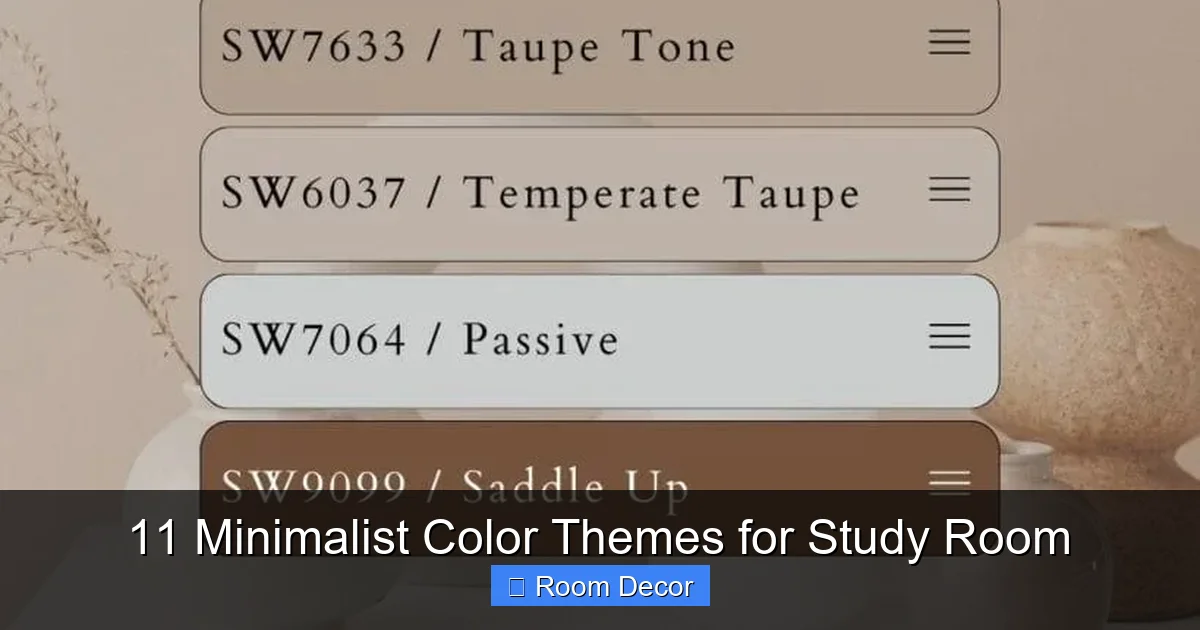
Warm neutrals, like beige, taupe, and cream, create an incredibly inviting and cozy atmosphere. This theme is perfect if you find cooler tones too sterile but still want a minimalist aesthetic. It provides a soft, comforting backdrop for long hours of study.
Visual guide about 11 Minimalist Color Themes for Study Room
Image source: abloomdecor.com
Key Colors & Accents
- Primary: Beige, taupe, cream.
- Accents: Off-white, light wood tones, very soft terracotta, or muted olive green.
Why It Works for Study
Warm neutrals are grounding and comforting. They evoke a sense of safety and calm, which can be highly beneficial for sustained focus. This is one of the most welcoming minimalist color themes for study room interiors, making it feel less like a workspace and more like a retreat.
Practical Application Tips
- Paint walls in a warm beige or cream.
- Opt for light wood furniture and cream-colored textiles.
- Add plants with dark green leaves to provide a fresh contrast.
- Consider natural textures like linen, wool, or wicker to enhance the cozy feel.
- Use warm-toned lighting (around 2700-3000K) to complement the colors.
3. Soft Sage Green: Nature’s Calm
Sage green is a muted, earthy green that instantly brings a sense of tranquility and connection to nature indoors. It’s calming without being cold, and its subtle hue makes it an ideal choice for minimalist color themes for study room environments.

Visual guide about 11 Minimalist Color Themes for Study Room
Image source: abloomdecor.com
Key Colors & Accents
- Primary: Soft sage green.
- Accents: White, cream, light grey, natural wood, brass.
Why It Works for Study
Green is often associated with growth, balance, and refreshment. Sage green, in particular, has a soothing effect on the eyes and mind, helping to reduce stress and improve focus. It feels organic and serene, perfect for a peaceful study session.
Practical Application Tips
- Paint a feature wall or all walls in a soft sage green.
- Pair with white or light wood furniture for a clean, fresh look.
- Integrate actual plants to enhance the natural vibe.
- Use cream or off-white curtains to soften the light.
- A touch of brass in hardware or a lamp can add a subtle elegance.
4. Serene Sky Blue: Expansive Focus
Light, airy sky blue is known for its calming and expansive qualities. It evokes the feeling of a clear day, promoting mental clarity and a sense of openness. This is a wonderfully refreshing option among minimalist color themes for study room design, especially if you want to feel less confined.
Key Colors & Accents
- Primary: Pale sky blue, robin’s egg blue.
- Accents: White, light grey, natural rattan, silver, or a very light sandy beige.
Why It Works for Study
Blue has been shown to have a calming effect, reducing heart rate and promoting relaxation. A pale sky blue promotes a feeling of tranquility and order, making it easier to concentrate and think clearly without feeling overwhelmed.
Practical Application Tips
- Paint walls a very light, desaturated blue.
- Choose white furniture to enhance the airy feel.
- Incorporate natural textures like light wood or woven materials.
- Avoid overly dark or vibrant blues, sticking to the palest shades.
- Ensure excellent natural light to make the most of this theme.
5. Crisp White & Wood: Pure Productivity
The ultimate minimalist classic, white paired with natural wood creates a space that is incredibly clean, bright, and endlessly versatile. This theme emphasizes light, texture, and the beauty of natural materials, making it a powerful choice for minimalist color themes for study room setups.
Key Colors & Accents
- Primary: Pure white, off-white.
- Accents: Various natural wood tones (light oak, birch, walnut), very light grey, black.
Why It Works for Study
White promotes clarity, cleanliness, and mental alertness. When combined with wood, it gains warmth and a grounding quality. This creates an uncluttered visual environment that minimizes distractions and maximizes focus, making it one of the most effective minimalist color themes for study room productivity.
Practical Application Tips
- Paint walls and ceiling crisp white.
- Opt for a wooden desk, shelves, and maybe a chair with wooden accents.
- Keep decor minimal, focusing on functional items and a plant or two.
- Introduce black accents through picture frames, desk lamps, or storage containers for contrast.
- Utilize sheer white curtains to maintain brightness while offering privacy.
6. Earthy Terracotta: Grounded Creativity
While often associated with warmth, terracotta, in its muted, soft versions, can be incredibly minimalist and grounding. It brings a desert-inspired warmth and a touch of the organic, fostering a sense of rootedness and gentle creativity. This is a more unique take on minimalist color themes for study room designs.
Key Colors & Accents
- Primary: Muted terracotta, soft rust.
- Accents: Cream, off-white, light wood, deep olive green, black.
Why It Works for Study
Earthy tones are known to be grounding and stabilizing. Terracotta, especially in muted shades, can inspire a quiet creativity while keeping you feeling connected and calm. It’s less stimulating than vibrant oranges but still brings a subtle warmth to the space.
Practical Application Tips
- Consider a terracotta accent wall, or use terracotta pots for plants.
- Pair with cream-colored walls and light-toned wooden furniture.
- Introduce textures through a raw linen throw or ceramic decor.
- Keep other elements neutral to let the terracotta make its quiet statement.
- A minimalist abstract art piece with terracotta tones can tie the room together.
7. Deep Navy & White: Classic Professionalism
Navy blue, when used sparingly and paired with crisp white, can create a highly sophisticated and professional minimalist study room. It’s a classic combination that exudes confidence and calm authority, perfect for serious study or remote work.
Key Colors & Accents
- Primary: Deep navy blue.
- Accents: Crisp white, silver, light wood, a touch of camel or tan leather.
Why It Works for Study
Navy blue is associated with intelligence, stability, and depth. When balanced with white, it creates a stimulating yet focused environment. It’s one of the minimalist color themes for study room designs that strikes a perfect balance between traditional and modern aesthetics.
Practical Application Tips
- Paint one accent wall in navy blue, keeping the others white.
- Opt for a white desk and shelves to brighten the space.
- Use navy accents in textiles (cushions, a small rug) or a desk accessory.
- Introduce a light wooden chair or a touch of tan leather for warmth.
- Ensure sufficient task lighting on the desk to counter the darker wall.
8. Muted Lavender: Tranquil Reflection
A very soft, desaturated lavender or lilac can bring a unique sense of calm and gentle creativity to a minimalist study room. It’s subtly inspiring without being overly feminine or distracting, offering a peaceful haven for contemplation.
Key Colors & Accents
- Primary: Muted lavender, soft lilac.
- Accents: White, light grey, natural birch wood, silver, very pale mint green.
Why It Works for Study
Lavender is often linked with relaxation, spirituality, and intuition. In its muted form, it can foster a serene environment that encourages deep thought and reduces stress, making it an excellent choice among minimalist color themes for study room settings where calm is paramount.
Practical Application Tips
- Use a very light lavender on walls, or choose it for a soft textile like a rug or throw.
- Pair with white furniture and light grey accents.
- Keep the overall palette very light and airy.
- Introduce a minimal white floral arrangement or a single light-colored plant.
- Avoid combining with too many other colors; stick to 1-2 neutrals.
9. Charcoal & Cream: Modern Contrast
For those who prefer a more dramatic yet still minimalist aesthetic, pairing charcoal grey with soft cream creates a sophisticated and contemporary look. This theme offers a bolder statement than lighter neutrals while maintaining an uncluttered feel.
Key Colors & Accents
- Primary: Charcoal grey.
- Accents: Cream, off-white, light blonde wood, brass, black.
Why It Works for Study
Charcoal provides a grounding, stable foundation, while cream offers softness and warmth. The contrast is visually stimulating without being busy, encouraging focus and a feeling of grounded professionalism. It’s a strong contender for modern minimalist color themes for study room designs.
Practical Application Tips
- Consider a charcoal accent wall or charcoal-colored furniture (desk, shelving).
- Paint other walls a soft cream or off-white.
- Use cream-colored textiles for balance (rug, curtains).
- Introduce light wood elements to prevent the space from feeling too heavy.
- Metallic accents like a brass lamp or drawer pulls can add a touch of luxury.
10. Greige (Grey + Beige): The Perfect Blend
Greige is the ultimate chameleon of minimalist colors – a perfect blend of grey and beige. It offers the coolness and sophistication of grey with the warmth and coziness of beige. This versatile hue works beautifully in almost any setting and is a top pick for balanced minimalist color themes for study room design.
Key Colors & Accents
- Primary: Greige (light to medium).
- Accents: White, cream, natural wood, muted greens, or soft blues.
Why It Works for Study
Greige provides a balanced, neutral backdrop that is neither too cold nor too warm. It promotes a serene yet comfortable atmosphere, ideal for long periods of concentration. Its versatility means it can adapt to various moods and preferences.
Practical Application Tips
- Paint walls in a soft greige.
- Opt for furniture in white, light wood, or even a slightly darker greige.
- Incorporate various textures through textiles (linen, cotton, wool) to add depth.
- A touch of a muted green plant or a soft blue decorative item can add subtle color.
- Keep the lighting soft and inviting to highlight the gentle tones.
11. Soft Peach/Coral: Uplifting Warmth
A very muted, desaturated peach or soft coral can bring a surprising amount of gentle warmth and subtle energy to a minimalist study room. It’s uplifting without being overwhelming, offering a cheerful yet calm atmosphere.
Key Colors & Accents
- Primary: Soft peach, muted coral, blush pink.
- Accents: White, cream, light grey, natural blonde wood, gold.
Why It Works for Study
Soft peach tones are known to be comforting and encouraging. They can subtly boost mood and creativity without being overly stimulating, making this one of the more optimistic minimalist color themes for study room environments.
Practical Application Tips
- Consider using soft peach for an accent wall or through soft furnishings like a throw or cushions.
- Pair with predominantly white or light grey walls and furniture.
- Introduce light wood elements to maintain a natural, airy feel.
- A touch of gold in a picture frame or a small decor piece can elevate the look.
- Ensure plenty of natural light to keep the colors feeling fresh and not heavy.
General Tips for Implementing Minimalist Color Themes for Study Room
No matter which of these fantastic minimalist color themes for study room designs you choose, a few universal principles will help you succeed:
Focus on Decluttering First
A minimalist color scheme won’t achieve its full potential in a cluttered space. Before you even pick up a paint brush, commit to decluttering your study room. Remove anything that isn’t essential or doesn’t bring you joy. “Less is more” is the golden rule.
Consider Your Lighting
Lighting profoundly impacts how colors appear. Natural light is king in a minimalist study. Maximize it with sheer curtains or blinds. Supplement with good task lighting (desk lamp) and ambient lighting (ceiling fixture) that provides a consistent, comfortable glow. Choose LED bulbs with color temperatures appropriate for your theme (warmer for cozy, cooler for crisp).
Add Texture, Not Just Color
Since minimalist palettes use fewer colors, texture becomes crucial for adding visual interest and depth. Think about a chunky knit throw, a woven rug, a smooth ceramic vase, or the grain of a wooden desk. These elements add richness without adding visual noise.
Test Colors Before Committing
Always buy sample pots and paint swatches on your walls. Observe them at different times of day and under various lighting conditions. Colors can look very different in your home than they do on a tiny paint chip or online.
Integrate Natural Elements
Even the simplest minimalist color themes for study room designs benefit from the inclusion of natural elements. A few well-placed plants, a simple vase of fresh flowers, or a beautiful piece of driftwood can add life and organic beauty.
Personalize Minimally
Minimalism doesn’t mean sterile. Choose a few meaningful items – a piece of art that inspires you, a favorite photo in a simple frame, or a unique desk accessory – to add personality without clutter.
Conclusion
Designing a study room with minimalist color themes is an investment in your focus, well-being, and productivity. By carefully selecting a palette that resonates with you and adhering to the principles of simplicity, you can create a space that not only looks stunning but also functions as a powerful tool for learning and creativity. Whether you’re drawn to the serene calm of greys, the warmth of neutrals, or the refreshing feel of blues and greens, there’s a minimalist color theme waiting to transform your study room into the perfect haven. Choose your favorite, embrace the less-is-more philosophy, and prepare to elevate your study experience!