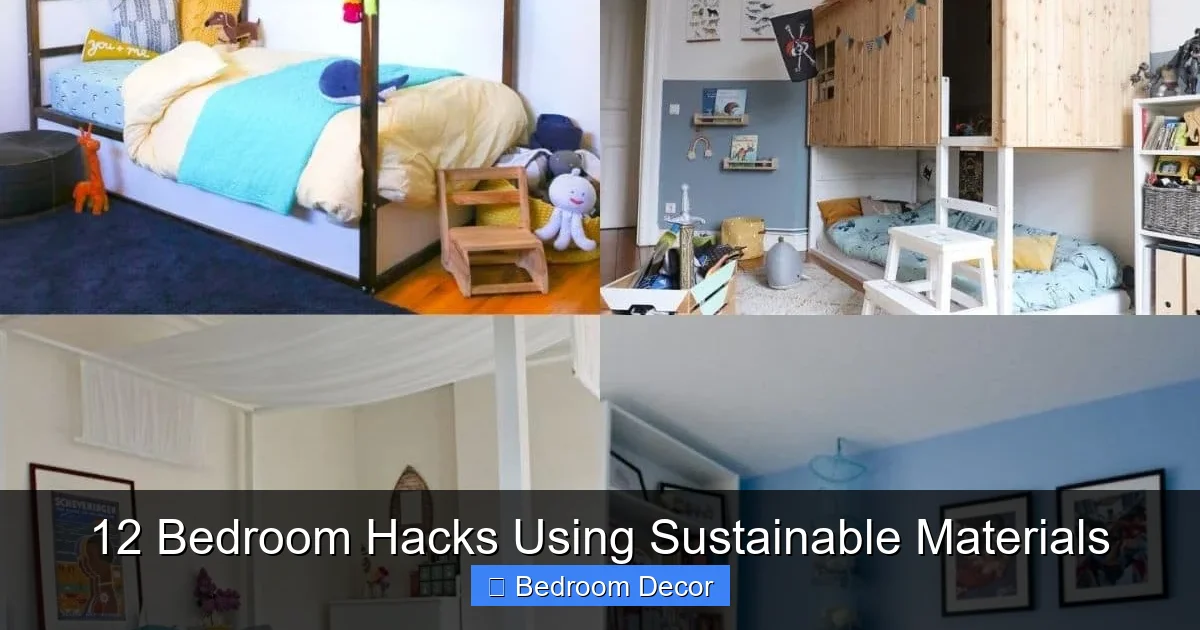
Ready to give your bedroom a fresh, eco-conscious makeover? This guide shows you how to implement 12 fantastic bedroom hacks using sustainable materials, from upcycled furniture to natural decor. You’ll learn simple, step-by-step projects to create a beautiful, healthy, and environmentally friendly sleeping space without breaking the bank or harming the planet. Embrace creativity and sustainability!
12 Bedroom Hacks Using Sustainable Materials
Welcome to the ultimate guide for transforming your bedroom into a beautiful, eco-friendly sanctuary! We all want our sleeping space to be a calming retreat, and what better way to achieve this than by filling it with decor that’s kind to both you and the planet? In this comprehensive how-to, we’re diving deep into 12 ingenious bedroom hacks using sustainable materials. You’ll discover practical, fun, and affordable ways to infuse natural beauty and conscious living into your personal haven.
Forget expensive, mass-produced decor. We’re talking about clever DIY projects that utilize upcycled items, natural fibers, and renewable resources. These sustainable materials not only look fantastic but also reduce your environmental footprint. From creative storage solutions to unique decorative accents, each hack is designed to be easy to follow, making sustainable living accessible to everyone. Get ready to unleash your inner eco-designer and create a bedroom you’ll love, one sustainable hack at a time!
Key Takeaways
- Embrace Upcycling and Repurposing: Transform everyday items like pallets, jars, and fabric scraps into unique, functional, and beautiful bedroom decor, giving them a new lease on life.
- Prioritize Natural and Renewable Materials: Opt for materials such as bamboo, cork, jute, cotton, and terracotta, which are rapidly renewable, biodegradable, or sourced with minimal environmental impact.
- Reduce Waste with DIY Projects: Learn how to create stunning decor pieces yourself, reducing the need to buy new, mass-produced items and significantly cutting down on waste.
- Improve Indoor Air Quality: Incorporate natural plants in sustainable planters and choose non-toxic finishes like natural dyes or low-VOC paints to promote a healthier indoor environment.
- Personalize Your Space Sustainably: Each hack offers opportunities for customization, allowing you to infuse your personal style while adhering to eco-friendly principles, making your bedroom truly unique.
- Start Small and Grow: Don’t feel overwhelmed; begin with one or two simple hacks and gradually integrate more sustainable practices into your bedroom design for a lasting positive impact.
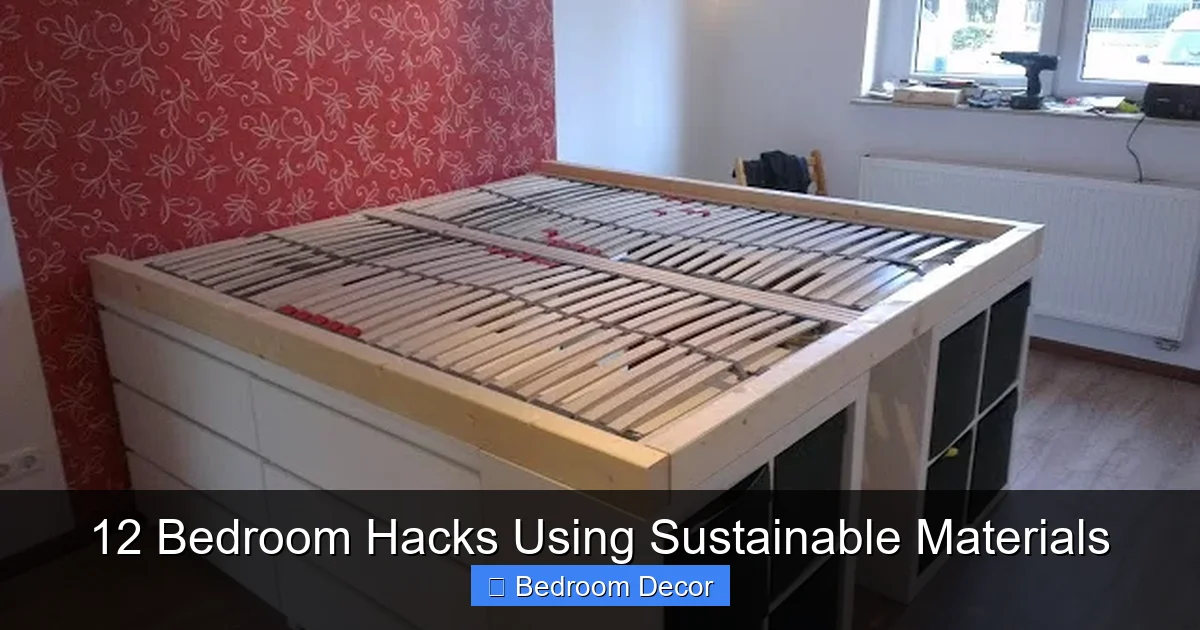
1. Upcycled Pallet Bed Frame
Why buy a new bed frame when you can craft a wonderfully rustic and incredibly sturdy one from reclaimed wooden pallets? This hack is a fantastic way to use sustainable materials and add a unique, industrial-chic touch to your bedroom.
What You’ll Need:
- 4-6 wooden pallets (heat-treated, not chemically treated – look for “HT” stamp)
- Sandpaper or an orbital sander
- Wood screws or L-brackets
- Drill
- Optional: Wood stain or non-toxic paint, protective sealant
Step-by-Step Guide:
- Source Your Pallets: Look for free pallets at local businesses (ask permission!), construction sites, or online marketplaces. Ensure they are heat-treated (HT stamp) to avoid chemical contamination.
- Clean and Sand: Thoroughly clean the pallets to remove any dirt or debris. Sand down all rough edges and surfaces to prevent splinters and create a smooth finish. This step is crucial for safety and aesthetics.
- Arrange Your Base: Lay out your pallets on the floor in the desired bed frame size (e.g., 2×2 for a queen, 2×3 for a king). Ensure they are flush and level.
- Secure the Pallets: Use wood screws or L-brackets to connect the pallets securely together. You can screw them from the top, sides, or bottom, depending on your preferred look and stability.
- Finish (Optional): For a more refined look, apply a non-toxic wood stain, paint, or a clear, eco-friendly sealant to protect the wood and match your room’s aesthetic. Allow it to dry completely.
Why It’s Sustainable:
This hack utilizes reclaimed wood, preventing it from ending up in landfills and reducing the demand for new timber. It’s an excellent example of using sustainable materials for significant furniture pieces.
2. DIY Jute Macrame Plant Hangers or Wall Art
Visual guide about 12 Bedroom Hacks Using Sustainable Materials
Image source: craftsyhacks.com
Macrame is back, and it’s a perfect way to bring natural textures and greenery into your bedroom. Jute is a wonderfully sustainable material that’s biodegradable and renewable.
What You’ll Need:
- Jute twine or macrame cord (natural cotton or hemp also works)
- Scissors
- A wooden dowel or branch (for wall art) or a metal ring (for plant hangers)
- Optional: Terracotta pots and plants (for hangers)
Step-by-Step Guide:
- Gather Materials: Choose natural, undyed jute or cotton cord. Find a sturdy branch or dowel if making wall art, or a ring for plant hangers.
- Learn Basic Knots: Familiarize yourself with a few basic macrame knots like the square knot, half knot, and spiral knot. There are many free tutorials online.
- Create Your Design: For a plant hanger, measure and cut your cords, then attach them to the ring and begin knotting. For wall art, attach cords to the dowel and create a pattern.
- Add Plants (Optional): If making a plant hanger, ensure it’s strong enough to hold your pot and plant. Terracotta pots are also sustainable materials.
- Hang and Enjoy: Find a suitable spot in your bedroom to hang your beautiful, handmade creation.
Why It’s Sustainable:
Jute, cotton, and hemp are natural, renewable, and biodegradable fibers. This project encourages slow craft and supports the use of sustainable materials over synthetic alternatives.
3. Repurposed Jar Ambient Lighting
Visual guide about 12 Bedroom Hacks Using Sustainable Materials
Image source: mydecorative.com
Create a warm, inviting glow in your bedroom using old glass jars. This hack is simple, effective, and beautifully reuses items that might otherwise be discarded.
What You’ll Need:
- Clean glass jars (various sizes work well)
- Battery-operated LED fairy lights or small LED candles
- Optional: Natural twine, dried flowers, pebbles, sand
Step-by-Step Guide:
- Collect Jars: Start saving jam, pickle, or sauce jars. Wash them thoroughly and remove all labels.
- Choose Your Lighting: Opt for LED fairy lights or battery-operated LED candles, as they are energy-efficient and safe.
- Decorate (Optional): Fill the bottom of the jars with natural elements like pebbles, sand, or dried flowers. Wrap the outside with natural twine for a rustic look.
- Insert Lights: Place the LED fairy lights or candles inside the jars. Arrange them so the light is evenly distributed.
- Place Strategically: Position your new ambient lights on bedside tables, shelves, or a dresser to add a soft, magical glow to your bedroom.
Why It’s Sustainable:
This hack is a fantastic example of upcycling glass, reducing waste, and giving new life to old items. It’s a creative way to use sustainable materials for decor.
4. Reclaimed Wood Floating Shelves
Visual guide about 12 Bedroom Hacks Using Sustainable Materials
Image source: rts.com
Floating shelves provide practical storage and display space without cluttering the floor. Using reclaimed wood adds character and is an eco-conscious choice for your bedroom.
What You’ll Need:
- Reclaimed wooden planks (e.g., from an old barn, pallet wood, or salvaged timber)
- Sander
- Drill and level
- Heavy-duty floating shelf brackets (ensure they are sturdy enough for your wood)
- Screws appropriate for your wall type
- Optional: Non-toxic wood sealant or wax
Step-by-Step Guide:
- Source Wood: Look for solid, stable pieces of reclaimed wood. Lumberyards, antique shops, or even online forums might have suitable options.
- Prepare the Wood: Clean the wood thoroughly. Sand it down to your desired smoothness, paying attention to edges and potential splinters.
- Cut to Size: If necessary, cut the planks to the desired length for your shelves.
- Install Brackets: Following the manufacturer’s instructions for your specific floating shelf brackets, attach them securely to your wall using a level to ensure they are straight.
- Mount the Shelves: Carefully place your reclaimed wood planks onto the brackets. Depending on the bracket type, you might need to screw the wood onto the bracket from underneath for added stability.
- Finish (Optional): Apply a natural wood sealant or beeswax to protect the wood and enhance its appearance.
Why It’s Sustainable:
Using reclaimed wood minimizes deforestation and repurposes existing resources, making it a highly sustainable material choice for home decor.
5. Natural Fiber Storage Baskets
Clutter can ruin a peaceful bedroom. Natural fiber baskets offer stylish storage solutions that are both functional and beautiful, made from sustainable materials.
What You’ll Need:
- Baskets made from seagrass, rattan, bamboo, or water hyacinth
- Optional: Natural fabric liners if storing delicate items
Step-by-Step Guide:
- Choose Your Fibers: Select baskets made from naturally occurring and rapidly renewable resources like seagrass, rattan, or bamboo.
- Determine Needs: Consider what you need to store: blankets, books, laundry, or small items. This will help you choose appropriate sizes and shapes.
- Placement: Position larger baskets on the floor for laundry or extra throws. Smaller ones can go on shelves or inside wardrobes for accessories.
- Mix and Match: Don’t be afraid to mix different textures and weaves of natural fibers for an organic, layered look.
Why It’s Sustainable:
These baskets are crafted from renewable plant resources, often by artisan communities, providing eco-friendly and biodegradable storage. They are excellent examples of sustainable materials being used for practical items.
6. DIY Fabric Scrap Rug or Pillow Covers
Give new life to old textiles by creating a unique fabric scrap rug or charming pillow covers. This is a brilliant way to reduce textile waste and personalize your space.
What You’ll Need:
- Assorted fabric scraps (old clothes, sheets, curtains)
- Scissors
- Sewing machine or needle and thread (for pillow covers)
- Non-slip rug backing or crochet hook (for rag rugs)
Step-by-Step Guide:
- Collect Scraps: Gather old cotton shirts, denim jeans, discarded sheets, or any fabric you’d otherwise throw away. Wash them thoroughly.
- Prepare Fabric: Cut your fabric into strips (for rugs) or squares/rectangles (for pillow covers).
- For a Rag Rug: There are several methods:
- Braided Rag Rug: Braid long strips of fabric together and then coil and sew the braid into a rug shape.
- Crocheted Rag Rug: Use a large crochet hook to crochet strips of fabric together.
- Woven Rag Rug: If you have access to a loom or a frame, you can weave a rug.
- For Pillow Covers: Cut fabric to fit your existing pillows. Sew them together, leaving one side open for inserting the pillow, and add a zipper or envelope closure.
Why It’s Sustainable:
This hack dramatically reduces textile waste, one of the biggest environmental challenges. It transforms trash into treasure using sustainable materials already in your home.
7. Cork Board Accent Wall or Headboard
Cork is a wonderfully unique and sustainable material. It’s renewable, biodegradable, and even offers acoustic benefits, making it perfect for a bedroom accent wall or headboard.
What You’ll Need:
- Cork tiles or large cork sheets (available at craft stores or online)
- Strong adhesive (eco-friendly, low-VOC if possible)
- Utility knife and straight edge
- Measuring tape and level
Step-by-Step Guide:
- Plan Your Design: Decide if you want a full accent wall, a partial wall, or a custom-shaped headboard. Measure your space.
- Prepare the Surface: Ensure your wall is clean, dry, and smooth.
- Cut Cork (if needed): If using large sheets or creating a specific shape, carefully cut the cork using a utility knife and a straight edge.
- Apply Adhesive: Following the adhesive instructions, apply it to the back of the cork tiles or directly to the wall.
- Install Cork: Starting from one edge or a central point, carefully press the cork onto the wall, using a level to keep things straight. Ensure a tight fit between tiles.
- Trim Edges: Use the utility knife to trim any excess cork along the edges of the wall or around outlets.
Why It’s Sustainable:
Cork is harvested from the bark of cork oak trees without harming the tree itself, making it a highly renewable resource. It’s also biodegradable and recyclable, truly one of the best sustainable materials.
8. Bamboo Ladder Clothes/Blanket Rack
A bamboo ladder is not just stylish; it’s also incredibly practical for hanging blankets, towels, or even your next day’s outfit. Bamboo is a fast-growing, highly sustainable material.
What You’ll Need:
- A decorative bamboo ladder (new or upcycled)
- Optional: Non-toxic clear sealant
Step-by-Step Guide:
- Source Your Ladder: Look for bamboo ladders at home decor stores, garden centers, or online. You might even find an old wooden ladder that can be upcycled and painted.
- Clean and Seal (Optional): If your ladder is raw bamboo, you might want to wipe it down and apply a non-toxic clear sealant for protection and longevity.
- Position in Room: Lean the ladder against a vacant wall in your bedroom. Ensure it’s stable and won’t easily tip over.
- Accessorize: Drape your favorite throws, quilts, or scarves over the rungs. You can also hang small decorative items or hooks for jewelry.
Why It’s Sustainable:
Bamboo is one of the fastest-growing plants on Earth, making it an incredibly renewable resource. Its use reduces reliance on slower-growing timber, proving its worth as a top sustainable material.
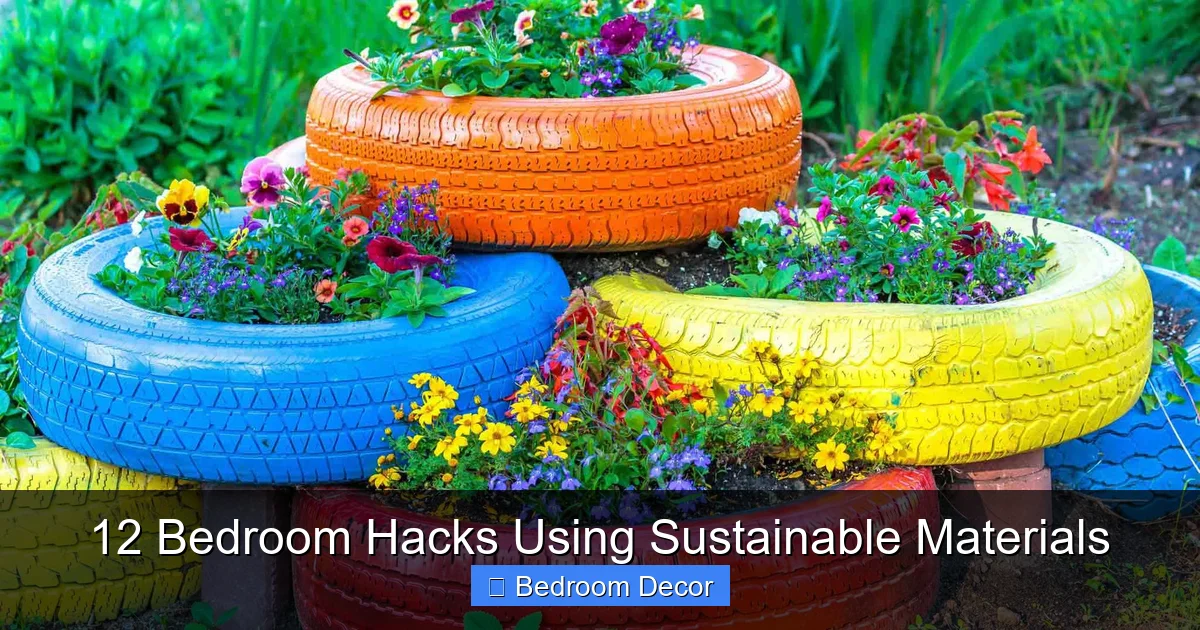
9. Terracotta Pot Planters (DIY Painted)
Bringing plants into your bedroom improves air quality and adds natural beauty. Terracotta pots are a classic, breathable, and sustainable choice for housing your green friends.
What You’ll Need:
- Terracotta pots (various sizes)
- Non-toxic, low-VOC paints (e.g., milk paint, chalk paint)
- Paintbrushes
- Optional: Stencils, clear sealant
- Potting soil and your favorite plants (consider air-purifying plants like snake plants or ZZ plants)
Step-by-Step Guide:
- Clean Pots: Ensure your terracotta pots are clean and dry.
- Plan Your Design: Decide on colors and patterns. You can paint them solid, create geometric designs, or use stencils.
- Paint the Pots: Apply your chosen non-toxic paints. You might need a few coats for even coverage. Allow each coat to dry completely.
- Add Details (Optional): If you’re adding intricate designs or stencils, do so once the base coats are dry.
- Seal (Optional): Apply a clear, non-toxic sealant if you want to protect the paint, especially if the pots will be watered frequently.
- Plant Your Greens: Fill the pots with good quality potting soil and plant your chosen bedroom-friendly plants.
Why It’s Sustainable:
Terracotta is made from natural clay, a readily available resource. It’s biodegradable and, when paired with non-toxic paints, offers a truly eco-friendly way to display plants, which themselves are natural air purifiers.
10. Natural Dye Bedding or Pillowcases
Escape harsh chemicals found in synthetic dyes by creating your own naturally dyed textiles. This hack allows for beautiful, unique colors using everyday kitchen scraps and plants.
What You’ll Need:
- Plain white or light-colored natural fiber bedding or pillowcases (cotton, linen, hemp)
- Natural dye materials (e.g., onion skins for yellow/orange, avocado pits/skins for pink, red cabbage for purple/blue, turmeric for bright yellow, coffee grounds for brown)
- Large pot (non-reactive, stainless steel)
- Strainer or cheesecloth
- Alum (potassium aluminum sulfate, a natural mordant to help dye stick)
Step-by-Step Guide:
- Prepare Fabric: Wash your bedding/pillowcases thoroughly. For best results, pre-mordant your fabric by simmering it in water with alum (follow instructions for proper ratios).
- Prepare Dye Bath: Simmer your natural dye materials in water for at least an hour (or longer for stronger color). Strain out the solids.
- Dye Fabric: Carefully place your wet fabric into the strained dye bath. Simmer gently for 1-2 hours, or until desired color is achieved. The longer it soaks, the deeper the color.
- Rinse and Wash: Rinse the fabric under cold water until the water runs clear. Wash on a gentle cycle with a mild, eco-friendly detergent and hang to dry.
Why It’s Sustainable:
Using natural dyes avoids harmful synthetic chemicals that pollute waterways and are often irritating to sensitive skin. This is a wonderfully artistic way to use sustainable materials.
11. Upcycled Drawer Organizers
Keep your drawers tidy and functional with custom organizers made from everyday sustainable materials. This reduces clutter and gives new purpose to items.
What You’ll Need:
- Cardboard boxes (cereal boxes, shoe boxes)
- Old magazines or newspaper (for decorative lining)
- Eco-friendly glue or non-toxic spray adhesive
- Scissors or utility knife
- Measuring tape
Step-by-Step Guide:
- Measure Your Drawers: Measure the inside dimensions of your bedroom drawers.
- Collect and Cut Cardboard: Gather various cardboard boxes. Cut them to size to fit snugly within your drawers, creating compartments. You can make boxes of different heights and widths.
- Decorate (Optional): For a finished look, line the inside and outside of your cardboard organizers with pages from old magazines, decorative newspaper, or fabric scraps using eco-friendly glue.
- Arrange and Organize: Place your custom organizers into your drawers. Arrange them to fit your specific items like socks, underwear, accessories, or toiletries.
Why It’s Sustainable:
This hack prevents cardboard and paper from going to waste, repurposing them into useful storage solutions. It’s a simple yet effective way to use sustainable materials for organization.
12. Seed Paper Art or Wall Decor
Add a truly unique and living piece of art to your bedroom with seed paper. This biodegradable paper contains embedded seeds, allowing your art to eventually blossom into flowers or herbs.
What You’ll Need:
- Seed paper (buy pre-made or try making your own)
- Eco-friendly frame (reclaimed wood, bamboo, or recycled material frame)
- Optional: Non-toxic ink stamps, natural pressed flowers
Step-by-Step Guide:
- Source Seed Paper: Purchase seed paper from eco-friendly craft stores or online. Choose paper with seeds suitable for your climate if you plan to plant it later.
- Create Your Art: Draw or write on the seed paper using non-toxic pens or pencils. You can also press natural flowers onto it or use eco-friendly ink stamps.
- Frame Your Art: Place your seed paper artwork into an eco-friendly frame. Frames made from reclaimed wood, bamboo, or recycled materials are ideal choices.
- Display and Enjoy: Hang your unique, living art piece in your bedroom.
- Plant Later: When you’re ready for a change, you can plant the seed paper in a pot or garden and watch it grow, returning the sustainable materials to nature.
Why It’s Sustainable:
Seed paper is completely biodegradable and provides a second life as a plant, making it an incredibly creative and truly sustainable material for art and decor.
Tips for Success with Sustainable Bedroom Hacks
- Start Small: Don’t try to overhaul your entire bedroom at once. Pick one or two hacks that excite you and build from there.
- Source Locally: When buying new materials (like jute cord or bamboo), try to source from local businesses or artisans. This reduces transportation emissions.
- Check Labels: Always look for certifications (e.g., FSC for wood, GOTS for organic cotton) when purchasing new sustainable materials.
- Patience is Key: DIY projects can sometimes take longer than expected. Enjoy the process of creating something with your own hands.
- Incorporate Nature: Beyond the hacks, bring more living plants into your bedroom. They naturally purify the air and add a calming presence.
- Clean with Eco-friendly Products: Maintain your sustainably hacked bedroom with natural, non-toxic cleaning supplies to keep the air fresh.
Conclusion
There you have it – 12 inspiring bedroom hacks using sustainable materials that prove you don’t have to sacrifice style for sustainability. By embracing upcycling, natural fibers, and mindful consumption, you can create a personalized, healthy, and beautiful bedroom that truly reflects your values. Each of these projects is an opportunity to get creative, learn new skills, and make a positive impact on the environment. So, roll up your sleeves, gather your sustainable materials, and start transforming your bedroom into the eco-friendly haven you’ve always dreamed of!