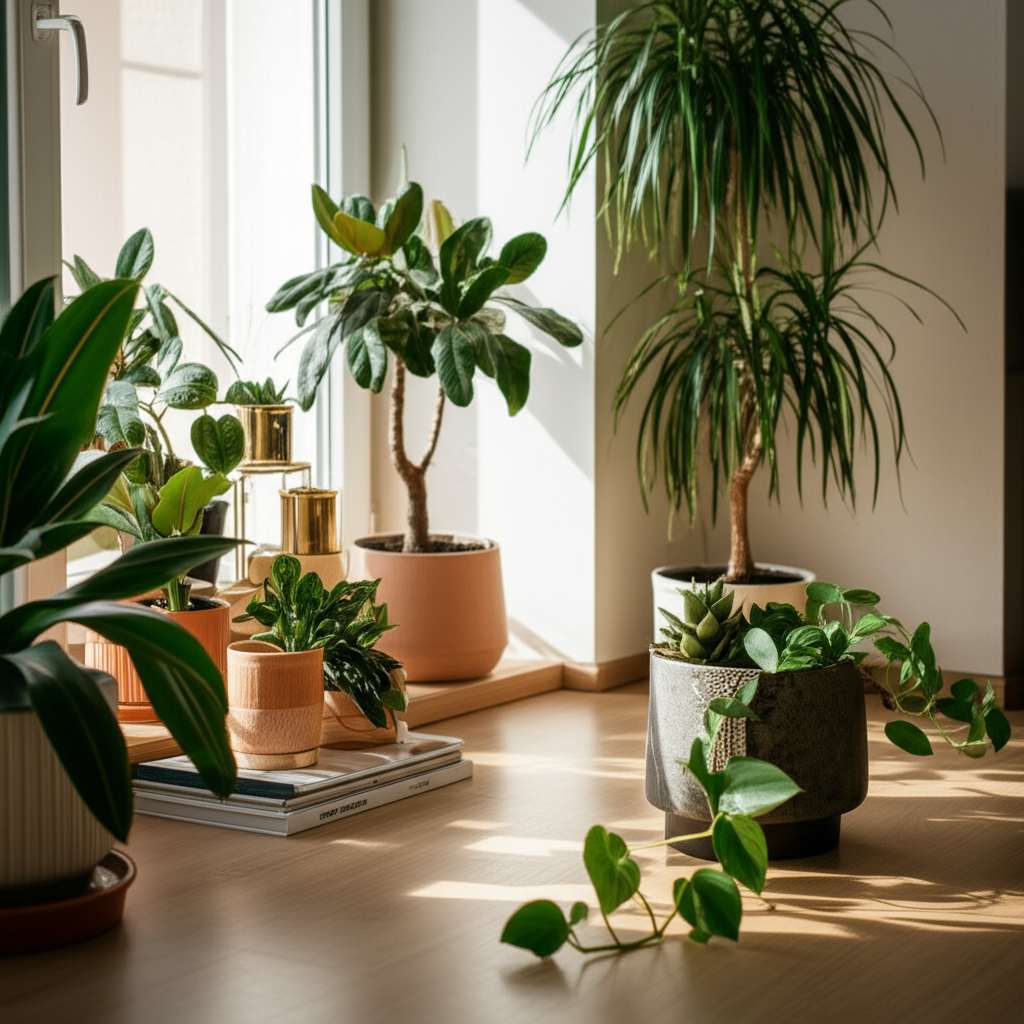
Transform your living space with 15 beautiful and easy plant decor ideas! This guide offers simple, budget-friendly ways to bring nature indoors, creating a calming and stylish home for beginners.
Feeling like your room needs a little something extra? Maybe it looks a bit bare, or perhaps it just doesn’t feel like you yet. You’ve probably seen gorgeous photos of rooms filled with lush greenery and thought, “I could never do that!”
The good news is, you absolutely can! Bringing plants into your home isn’t just about pretty decor; it’s about creating a more peaceful, vibrant, and healthy living space. It’s easier than you think, and I’m here to show you exactly how.
This guide is packed with simple, stylish, and totally achievable ideas to make your room bloom. Get ready to discover how to turn any corner into a green oasis!
15 Aesthetic Room Decor Ideas With Plants: Your Essential Guide
Plants are nature’s interior designers. They add color, texture, life, and even help purify the air, making them the perfect addition to any room. Whether you have a tiny apartment or a spacious house, there’s always room for a little green. Let’s dive into some beautiful and easy ways to incorporate plants into your decor!
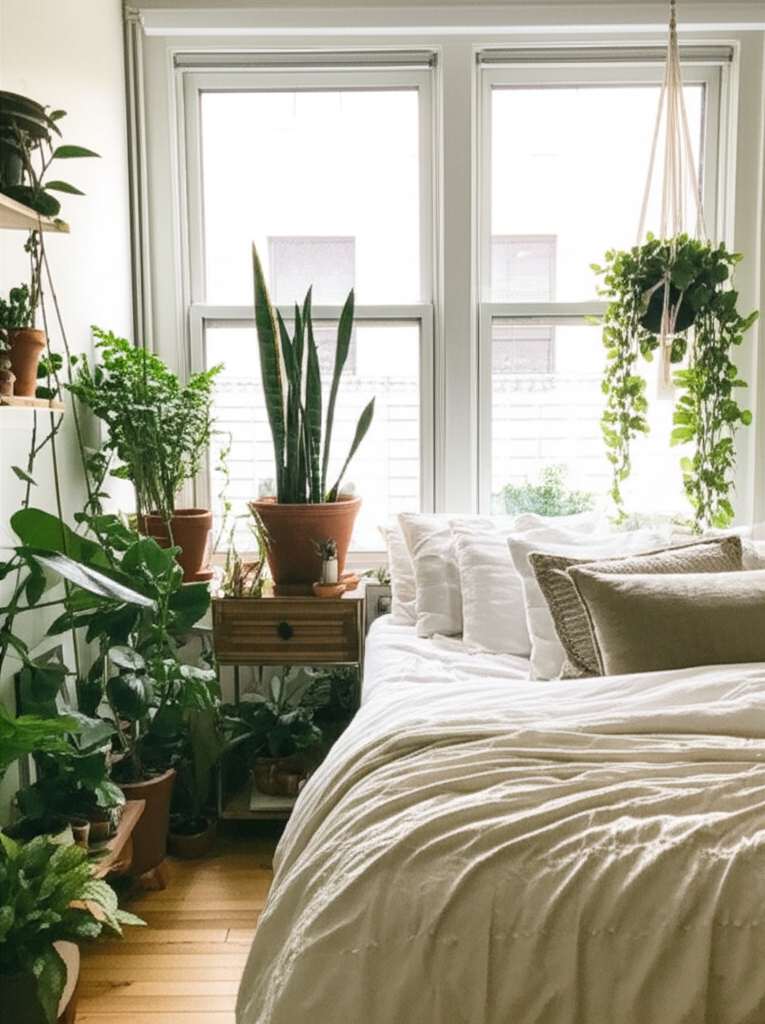
1. The Statement Floor Plant
One large, striking plant can instantly elevate a room. Think of a tall Fiddle Leaf Fig, a dramatic Bird of Paradise, or a stately Kentia Palm. These beauties command attention and act as a natural focal point.
- Placement: Place it in an empty corner, near a window for ample light, or to the side of a sofa or armchair.
- Potting: Choose a pot that complements your room’s style – a minimalist ceramic pot for a modern look, or a woven basket for a bohemian vibe.
- Care Tip: Research your plant’s light and watering needs. Most large floor plants prefer bright, indirect light and don’t like to be overwatered.
2. Hanging Plants for Vertical Interest
Don’t let your walls go bare! Hanging plants add dimension and draw the eye upward, making small spaces feel larger and open rooms feel cozier. Pothos, Spider Plants, and String of Pearls are fantastic, low-maintenance options.
- How to Hang: Use sturdy ceiling hooks or wall-mounted brackets. Macrame hangers add a touch of bohemian charm.
- Where to Hang: Above a bookshelf, in a window, or near a doorway.
- Beginner Tip: Trailing plants are forgiving. If you forget to water them occasionally, they’ll usually bounce back.
3. The Shelf Garden
Bookshelves aren’t just for books! They are perfect platforms for a curated collection of smaller plants. Mix in books, art, and decorative objects for a dynamic display.
- Plant Choices: Succulents, air plants, Peperomia, and small ferns work well here.
- Arrangement: Group plants of varying heights and textures. Place taller ones towards the back and smaller ones in front.
- Light: Consider shelves near windows or use small grow lights if natural light is limited.
4. The Coffee Table Vignette
A small plant or two can add a touch of life to your coffee table without overwhelming the space. A tiny succulent, a small flowering plant, or a miniature terrarium can make a big impact.
- Keep it Simple: One or two small pots are usually enough.
- Consider Size: Avoid plants that will grow too large or have sharp leaves.
- Style: Match the pot to your table’s material – a sleek concrete pot on a wooden table, for example.
5. Plant Groupings for Impact
Don’t underestimate the power of a cluster! Grouping several plants together, even if they are different sizes and types, creates a lush, jungle-like feel. This works especially well in corners or on the floor.
- Variety is Key: Mix plants with different leaf shapes, colors, and heights for visual interest.
- Level Up: Place some plants on stands or in pots of varying heights to create layers.
- Consider Light: Group plants with similar light requirements together to make watering and care easier.
6. The Bathroom Oasis
Bathrooms often have higher humidity, which many plants love! Plants can make your bathroom feel like a spa retreat.
- Best Plants: Ferns (like Boston Fern), Snake Plant, ZZ Plant, and Peace Lily thrive in humid conditions.
- Placement: On a shelf, windowsill, or even hanging from the ceiling if space allows.
- Pro Tip: Ensure good ventilation to prevent mold.
7. Kitchen Herb Garden
Bring fresh flavors and greenery to your kitchen with a DIY herb garden. It’s both functional and beautiful! For even more inspiration, check out these 8 Kitchen Plant Decor Ideas: Gorgeous Greenery.
- Easy Herbs: Basil, mint, parsley, chives, and rosemary are great for beginners.
- Container Ideas: Use small pots, mason jars, or a dedicated herb planter.
- Location: Place on a sunny windowsill where you can easily access them while cooking.
8. The Plant Stand Statement
Elevate your greenery, literally! A stylish plant stand can add height and visual interest, turning a simple potted plant into a decorative feature.
- Styles: Metal, wood, ceramic – stands come in all shapes and sizes to match your decor.
- Versatility: Use them in corners, next to furniture, or to fill awkward gaps.
- Tip: Group a few stands of different heights for a more dynamic display.
9. Wall-Mounted Planters
For a sleek, modern look that saves floor space, consider wall-mounted planters. These can be arranged in a pattern or staggered for a dynamic display.
- Options: From minimalist geometric designs to rustic terracotta, there’s a style for everyone.
- Ideal for: Small apartments, narrow hallways, or as a living art piece.
- Installation: Ensure they are securely fastened to the wall.
10. Macrame Plant Hangers
Add a touch of bohemian flair and free up surfaces with macrame hangers. They create a relaxed, artistic vibe and are perfect for trailing plants.
- Where to Use: Hang them from curtain rods, ceiling hooks, or wall brackets.
- Plant Pairings: Spider plants, Pothos, and String of Hearts look especially lovely.
- DIY Potential: Macrame hangers are surprisingly easy to make yourself!
11. The Terrarium or Cloche Display
Create a miniature ecosystem! Terrariums and cloches are beautiful ways to display small plants, especially those that prefer higher humidity or need a bit of protection.
- What to Plant: Small ferns, mosses, and tiny tropical plants work well.
- Care: Closed terrariums require very little watering once established, while open ones need more frequent misting.
- Styling: Add decorative elements like small stones, shells, or figurines.
12. Plants on a Bar Cart
A bar cart isn’t just for drinks! It can double as a stylish plant display, adding a touch of sophistication and life to your living room or dining area.
- Mix and Match: Combine small potted plants with your favorite bottles and glassware.
- Consider Light: Place it near a window if possible, or opt for plants that tolerate lower light.
- Rolling Decor: The best part? You can easily move it to wherever you need a pop of green!
13. The Nightstand Greenery
A small plant on your nightstand can make your bedroom feel more serene and welcoming. It’s a lovely way to wake up and wind down.
- Small is Best: Choose compact plants like a small Snake Plant, a ZZ Plant, or an African Violet.
- Low Light Options: Many bedrooms don’t get direct sun, so choose plants that do well in lower light conditions.
- Air Purifiers: Plants like Snake Plants are known for their air-purifying qualities, perfect for a bedroom.
14. Window Sill Showcase
Your windowsills are prime real estate! Line them with a collection of small to medium-sized plants to create a living display that also softens the light.
- Light Needs: Match plants to the amount of sun your windows receive. Sunny windows are great for succulents and cacti, while shadier spots suit ferns and Pothos.
- Variety: Use pots of different sizes and materials for visual interest.
- Tip: Rotate your plants occasionally so they grow evenly towards the light.
15. A “Living Wall” Accent
For a truly dramatic statement, consider a small living wall. This doesn’t have to be a massive installation; even a few vertically arranged planters can create a stunning effect.
- DIY or Pre-made: You can buy modular living wall systems or create your own using multiple wall-mounted pots.
- Plant Selection: Choose plants with similar growth habits and light needs for a cohesive look.
- Maintenance: These often require a bit more attention to watering and drainage, so research your system.
Choosing the Right Plants for Your Space: A Beginner’s Guide
Don’t let the sheer variety of plants overwhelm you! The key is to choose plants that fit your lifestyle and your home’s conditions. Here are some tried-and-true beginner-friendly options:
| Plant Name | Light Needs | Watering Frequency | Why It’s Great for Beginners |
|---|---|---|---|
| Snake Plant (Sansevieria) | Low to bright indirect light | Infrequent (let soil dry out completely) | Tolerant of neglect, excellent air purifier, architectural shape. |
| ZZ Plant (Zamioculcas zamiifolia) | Low to bright indirect light | Very infrequent (drought tolerant) | Almost indestructible, thrives on neglect, glossy leaves. |
| Pothos (Epipremnum aureum) | Low to bright indirect light | When top inch of soil is dry | Vining habit, easy to propagate, forgiving if you miss a watering. |
| Spider Plant (Chlorophytum comosum) | Bright indirect light | When top inch of soil is dry | Produces “babies” that are easy to propagate, visually interesting. |
| Peace Lily (Spathiphyllum) | Low to medium indirect light | When top inch of soil is dry (will droop dramatically when thirsty) | Tells you when it needs water by drooping, elegant white flowers. |
| Succulents (various types) | Bright light (some direct sun) | Very infrequent (let soil dry out completely) | Come in countless shapes and colors, low water needs. |
For more detailed plant care information, the Royal Horticultural Society (RHS) offers extensive, reliable guidance on plant varieties and their specific needs.
Making it Work: Decorating Tips for Every Space
No matter the size of your room or your budget, plants can be integrated beautifully. Here are some tips to make them work for you:
- Small Spaces: Go vertical! Use hanging planters, wall-mounted pots, and tiered shelves to maximize space. Opt for smaller plants that won’t overcrowd the room.
- Large Spaces: Use larger floor plants and groupings to fill empty areas and create cozy zones. Don’t be afraid to make a statement with a dramatic plant.
- Renters: Avoid permanent fixtures. Use Command strips for hanging, choose lightweight pots, and select plants that are easy to transport.
- Budget-Friendly: Start small! Buy smaller plants and watch them grow, propagate cuttings from friends, or look for sales at local nurseries or even grocery stores.
- Styling: Consider the pot! The pot is just as important as the plant for your decor. Choose materials, colors, and styles that complement your existing furniture and aesthetic. For more kitchen styling inspiration, explore these 10 Stylish Kitchen Storage Accessories: Chic Solutions.
Common Beginner Plant Decor Questions (FAQ)
Q1: I have a very dark apartment. Can I still have plants?
A1: Yes! Many plants, like the Snake Plant, ZZ Plant, and Cast Iron Plant, can tolerate low-light conditions. They might grow slower, but they’ll still add life and color to your space.
Q2: How often should I water my plants?
A2: This is the most common question! It depends on the plant, the pot size, the light, and the humidity. A good rule of thumb for most common houseplants is to check the soil moisture with your finger. If the top inch or two feels dry, it’s time to water. Overwatering is a common killer, so it’s better to underwater slightly than to overwater.
Q3: What are “air plants”?
A3: Air plants, or Tillandsia, are fascinating plants that don’t need soil. They absorb nutrients and moisture from the air. You can display them in creative ways, like on shelves, in terrariums, or mounted on wood. They typically need to be misted or soaked regularly.
Q4: My plants look sad. What am I doing wrong?
A4: Don’t get discouraged! Common issues include overwatering, underwatering, not enough light, or too much direct sun. Observe your plant: yellowing leaves might mean too much water, while wilting can mean too little. Research your specific plant’s needs for more targeted care.
Q5: Do I need special pots for plants?
A5: Most plants need pots with drainage holes to prevent root rot. If you fall in love with a decorative pot without holes, you can often use it as a cachepot – meaning you place a regular nursery pot with drainage inside the decorative one. Just be sure to empty any excess water that collects at the bottom.
Q6: Can I mix plants with different needs in the same room?
A6: Absolutely! You can group plants with different requirements. Just be mindful when watering. For example, if you have a succulent (which likes to dry out) next to a fern (which likes consistent moisture), you’ll need to water them individually rather than relying on a general watering schedule for the area.
Conclusion: Your Green Haven Awaits!
Adding plants to your room decor is a journey, not a destination. It’s about bringing a little piece of the natural world into your personal sanctuary, and that’s a truly rewarding experience. From a single statement floor plant to a vibrant shelf garden, each idea is designed to be simple, beautiful, and adaptable to your unique space and style.
Remember, plants are living things, and they’ll teach you as you go. Don’t be afraid to experiment, learn from any mistakes, and most importantly, enjoy the process. You’ve got this!
So, which of these aesthetic room decor ideas with plants will you try first? Pick one that excites you and start small. Before you know it, your home will be a thriving, green oasis that reflects your personal style and brings you joy every day. If you’re looking to extend your green touch into the kitchen, don’t miss these 10 Best Kitchen Decor Themes: Amazing Results.