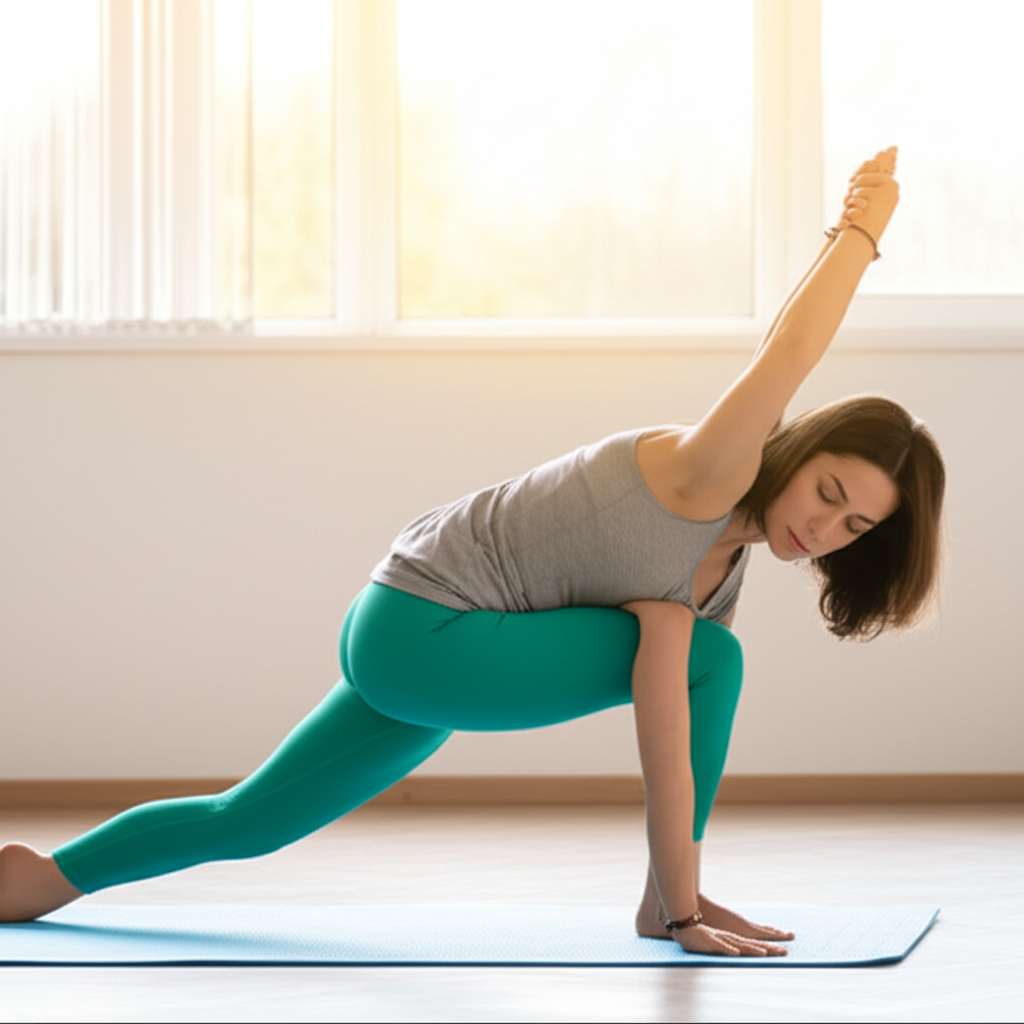
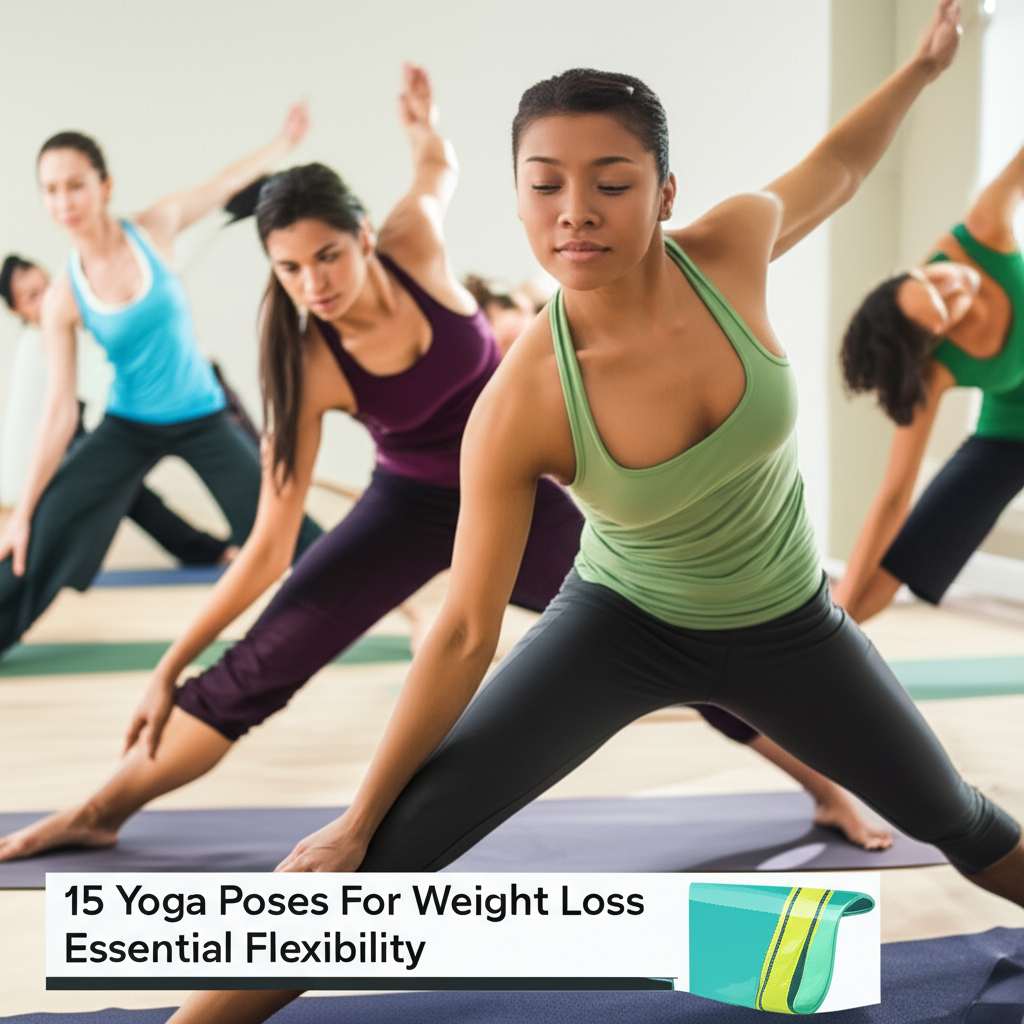
15 yoga poses for weight loss and flexibility can boost metabolism, build lean muscle, and improve your body’s ability to burn fat. Focusing on poses that engage your core, increase strength, and enhance flexibility creates a powerful combination for a healthier, more toned physique. These accessible poses are perfect for beginners looking for a holistic approach to shedding pounds.
Feeling stuck with weight loss? You’re not alone. Many people find the journey confusing, with so many diets and workout plans out there. It can feel overwhelming, right?
But what if I told you there’s a gentler, more mindful way to approach weight loss? Yoga isn’t just about touching your toes; it’s a powerful tool that can help your body transform from the inside out.
We’ll explore 15 essential yoga poses that are fantastic for weight loss and will also make you feel more flexible and strong. Get ready to discover how yoga can support your fitness goals!
Why Yoga for Weight Loss and Flexibility?
Yoga offers a unique approach to weight loss that goes beyond just burning calories. It works on multiple levels to support your goals. By practicing regularly, you can start to see and feel changes in your body and mind.
It’s a fantastic way to build strength and muscle. More muscle means your body burns more calories, even when you’re resting! Plus, yoga helps reduce stress, and when stress levels are high, our bodies tend to store more fat. So, yoga tackles weight loss from both physical and mental angles.
Furthermore, yoga is brilliant for increasing flexibility. When your body is more flexible, you can move more freely and efficiently. This means you’re less likely to get injured during other physical activities and can enjoy a wider range of motion in your daily life. Improved flexibility also helps your muscles recover faster, keeping you ready for your next yoga session or workout.
This combination of strength building, metabolism boosting, stress reduction, and enhanced flexibility makes yoga a truly effective partner in your weight loss journey. For those looking to complement their wellness routine with mindful nutrition, exploring eco-friendly kitchen practices can support a healthier lifestyle.
Understanding the Science: How Yoga Aids Weight Loss
It might seem surprising, but yoga can indeed contribute significantly to weight loss. It’s not magic; it’s science!
Yoga poses engage various muscle groups, leading to increased muscle mass. As you build lean muscle, your Basal Metabolic Rate (BMR) – the number of calories your body burns at rest – naturally increases. This means you’re burning more calories throughout the day, every day. According to research from the National Institutes of Health (NIH), regular yoga practice has been shown to help manage weight by increasing physical activity and improving lifestyle choices.
Beyond muscle building, many yoga poses involve holding your body weight, which acts as a form of resistance training. This strengthens your core, legs, and arms, contributing to a more toned physique. Poses that involve twists and inversions can also improve digestion and circulation, which are important for overall health and efficient metabolism.
Moreover, yoga’s emphasis on mindfulness and stress reduction plays a crucial role. Chronic stress releases cortisol, a hormone that can promote fat storage, especially around the abdomen. Yoga’s calming effects help regulate cortisol levels, making it easier for your body to release stored fat.
15 Essential Yoga Poses for Weight Loss and Flexibility
Here are 15 yoga poses that are excellent for both weight loss and improving your flexibility. Remember to listen to your body and modify poses as needed, especially when you’re just starting out.
1. Downward-Facing Dog (Adho Mukha Svanasana)
This is a foundational pose that’s great for the whole body. It stretches your hamstrings, calves, and shoulders while strengthening your arms and legs. It also helps to calm the brain and relieve mild depression.
- How to do it: Start on your hands and knees. Tuck your toes, lift your hips up and back, forming an inverted V shape. Keep your hands shoulder-width apart and your feet hip-width apart. Press your heels towards the floor (they don’t need to touch).
- Benefits: Full body stretch, strengthens arms and legs, boosts metabolism, calms the mind.
2. Plank Pose (Phalakasana)
Plank pose is a powerhouse for building core strength, which is essential for a toned midsection and improved posture. It also engages your arms, shoulders, and legs.
- How to do it: From Downward-Facing Dog, shift your weight forward so your shoulders are directly over your wrists, and your body forms a straight line from head to heels. Engage your core and glutes.
- Benefits: Builds core strength, strengthens arms and wrists, improves posture, burns calories.
3. Chaturanga Dandasana (Four-Limbed Staff Pose)
This is a challenging but rewarding pose that builds significant upper body and core strength. It’s a key pose in many yoga flows and directly contributes to toning.
- How to do it: From Plank Pose, lower your body halfway down, keeping your elbows close to your ribs. Your body should form a straight line, parallel to the floor.
- Benefits: Strengthens arms, wrists, and core; tones the abdomen and back.
4. Cobra Pose (Bhujangasana)
Cobra pose gently opens the chest and shoulders, strengthens the spine, and can help improve posture. It also stimulates the abdominal organs, aiding digestion.
- How to do it: Lie on your stomach with your legs extended. Place your hands under your shoulders. Inhale and lift your chest off the floor, keeping your hips on the ground.
- Benefits: Strengthens spine, opens chest and shoulders, stimulates abdominal organs, improves flexibility.
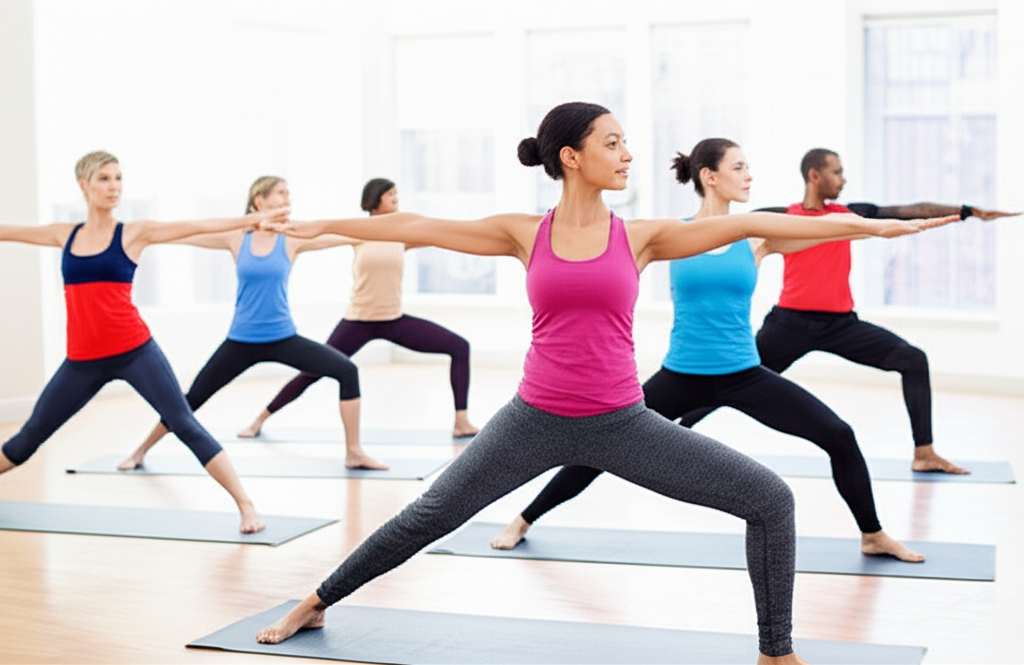
5. Warrior II (Virabhadrasana II)
This strong standing pose builds stamina and strength in your legs and ankles. It also opens your hips and shoulders and can help boost your metabolism.
- How to do it: Step your feet wide apart. Turn your right foot out 90 degrees and your left foot slightly in. Bend your right knee over your right ankle, aligning your shin perpendicular to the floor. Extend your arms parallel to the floor, gazing over your right fingertips. Repeat on the other side.
- Benefits: Strengthens legs and ankles, opens hips and shoulders, builds stamina, boosts metabolism.
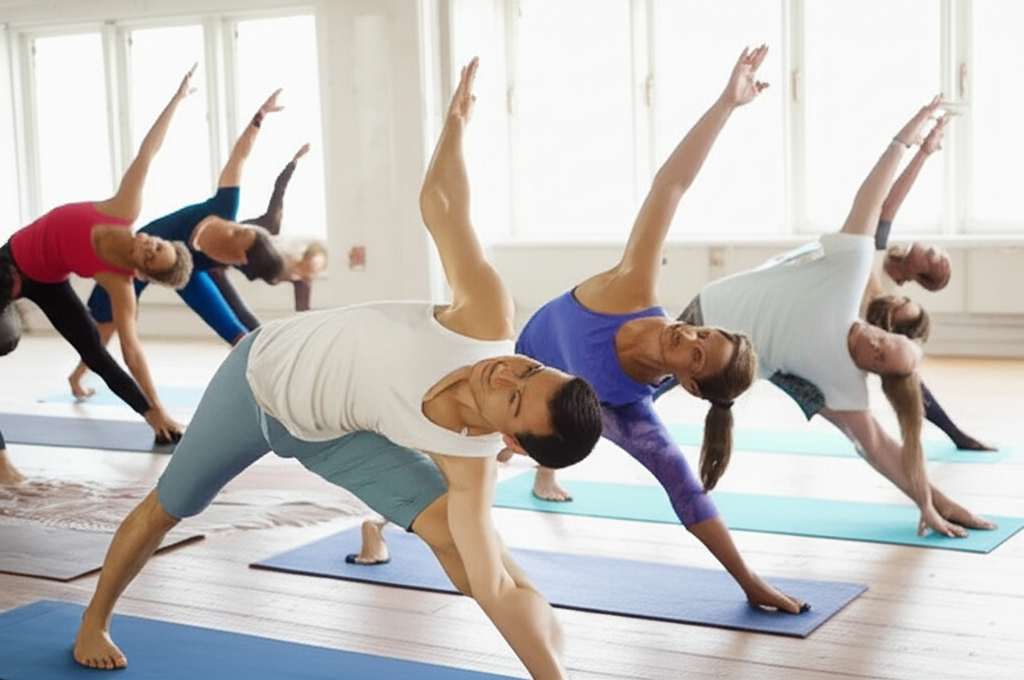
6. Triangle Pose (Trikonasana)
Triangle pose is excellent for stretching the legs, hips, and spine. It also helps to stimulate digestion and can reduce stress.
- How to do it: From a wide stance (similar to Warrior II, but with straight legs), turn your right foot out and your left foot slightly in. Extend your arms out to the sides. Hinge at your right hip and reach your right hand down towards your shin, ankle, or the floor. Extend your left arm straight up towards the ceiling. Repeat on the other side.
- Benefits: Stretches legs, hips, and spine; improves digestion; reduces stress; tones legs and core.
7. Chair Pose (Utkatasana)
This pose is like a squat and is fantastic for building strength in your legs and glutes. It also heats up the body, aiding in calorie burning.
- How to do it: Stand with your feet together or hip-width apart. Inhale and raise your arms overhead. Exhale and bend your knees, lowering your hips as if sitting in a chair. Keep your chest lifted and your core engaged.
- Benefits: Strengthens legs, glutes, and core; stimulates abdominal organs; boosts metabolism.
8. Boat Pose (Paripurna Navasana)
Boat pose is a core-strengthening pose that targets your abdominal muscles. Holding this pose burns calories and builds significant core strength.
- How to do it: Sit on the floor with your knees bent and feet flat. Lean back slightly, keeping your spine straight. Lift your feet off the floor, bringing your shins parallel to the ground. Extend your arms forward, parallel to the floor. For a more advanced version, straighten your legs.
- Benefits: Strengthens core, abdomen, hip flexors, and spine; improves balance.
9. Bridge Pose (Setu Bandhasana)
Bridge pose opens the chest and shoulders, strengthens the back and glutes, and can help boost your metabolism. It’s also a great pose for improving flexibility in the spine.
- How to do it: Lie on your back with your knees bent and feet flat on the floor, hip-width apart. Place your arms alongside your body, palms down. Inhale and lift your hips off the floor. You can interlace your fingers underneath your back for a deeper stretch.
- Benefits: Strengthens back, glutes, and hamstrings; opens chest and shoulders; improves spinal flexibility.
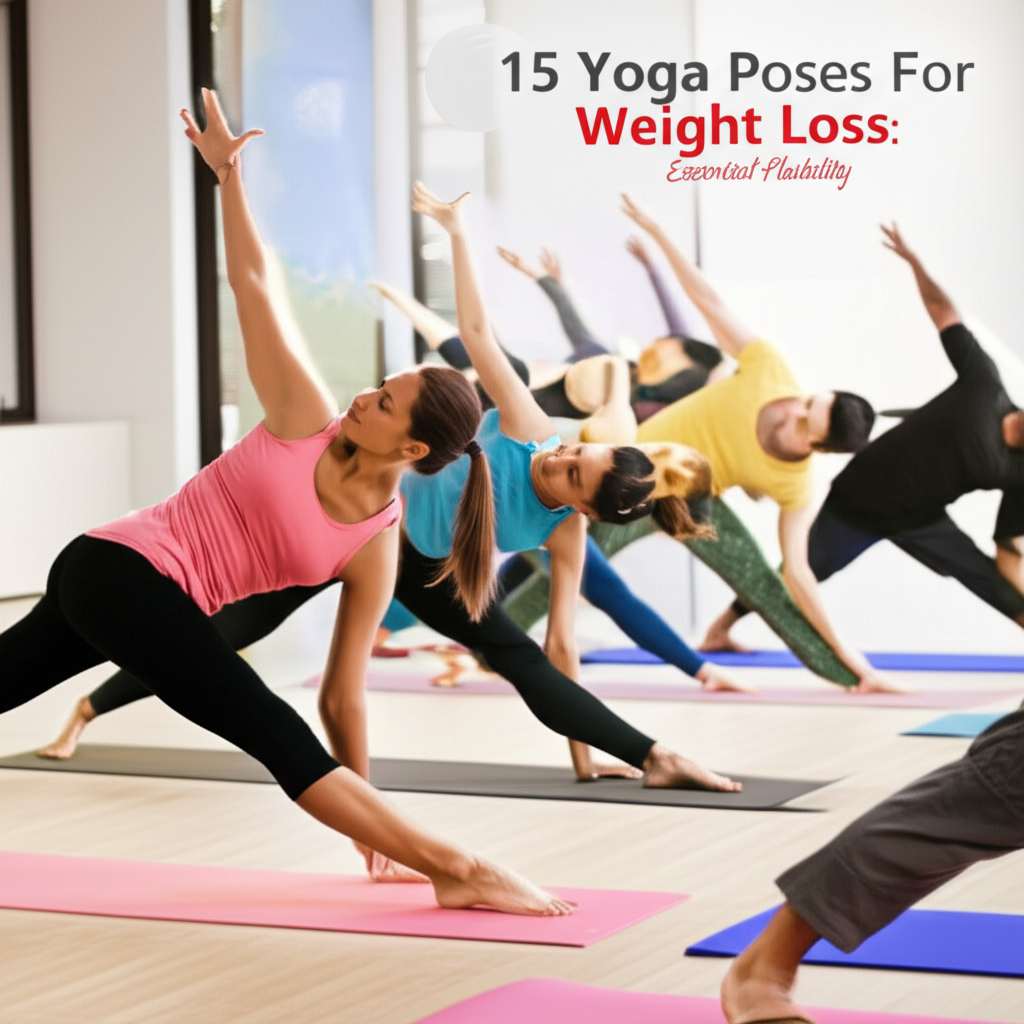
10. Extended Side Angle Pose (Utthita Parsvakonasana)
This pose is a deep side stretch that strengthens and tones the legs, knees, and ankles. It also opens the chest and shoulders, and can help with digestion.
- How to do it: From Warrior II, inhale and straighten your front leg slightly. Exhale and hinge at your front hip, bringing your front elbow to your front thigh or placing your front fingertips on the floor outside your front foot. Extend your top arm overhead, creating a long line from your back foot to your top fingertips. Repeat on the other side.
- Benefits: Strengthens and tones legs, knees, ankles; stretches and strengthens sides of the body; opens chest and shoulders.
11. Seated Forward Bend (Paschimottanasana)
This pose is excellent for stretching the hamstrings, spine, and shoulders. It also calms the mind and can help with digestion.
- How to do it: Sit on the floor with your legs extended straight in front of you. Inhale and lengthen your spine. Exhale and hinge at your hips, folding your torso forward over your legs. Reach for your shins, ankles, or feet.
- Benefits: Stretches hamstrings, spine, and shoulders; calms the mind; stimulates digestion; promotes relaxation.
12. Half Lord of the Fishes Pose (Ardha Matsyendrasana)
This seated twist is fantastic for improving spinal mobility and flexibility. Twists also help to stimulate the digestive organs and can aid in detoxification.
- How to do it: Sit with your legs extended. Bend your right knee and place your right foot on the floor outside your left thigh. Bend your left knee and bring your left foot to the outside of your right hip. Inhale and lengthen your spine. Exhale and twist your torso to the right, placing your right hand behind you and your left elbow on the outside of your right knee. Repeat on the other side.
- Benefits: Improves spinal flexibility and mobility, stimulates abdominal organs, aids digestion and detoxification.
13. Locust Pose (Salabhasana)
Locust pose is a backbend that strengthens the entire back body, including the spine, glutes, and hamstrings. It also opens the chest and shoulders.
- How to do it: Lie on your stomach with your arms alongside your body, palms down. Inhale and lift your head, chest, arms, and legs off the floor. Keep your neck long and gaze forward or slightly up.
- Benefits: Strengthens spine, glutes, and hamstrings; opens chest and shoulders; improves posture.
14. Warrior I (Virabhadrasana I)
This powerful pose builds strength and stamina in the legs and core. It also opens the hips and chest, and can help improve focus.
- How to do it: Step your feet wide apart. Turn your right foot out 90 degrees and your left foot slightly in. Bend your right knee over your right ankle, aligning your shin perpendicular to the floor. Inhale and sweep your arms overhead, keeping your shoulders relaxed. Keep your hips square to the front. Repeat on the other side.
- Benefits: Strengthens legs, ankles, and core; opens hips and chest; improves stamina and focus.
15. Reclining Bound Angle Pose (Supta Baddha Konasana)
While not directly a weight-loss pose, this restorative pose is crucial for stress reduction and promoting relaxation. When you’re relaxed, your body is better equipped to release weight.
- How to do it: Lie on your back. Bring the soles of your feet together and let your knees fall open to the sides. You can place blocks or pillows under your knees for support. Rest your arms by your sides or place one hand on your heart and the other on your belly.
- Benefits: Relaxes the body and mind, reduces stress, gently opens hips and groin, aids in recovery.
Structuring Your Yoga Practice for Weight Loss
To maximize the benefits of yoga for weight loss and flexibility, consider how you structure your practice. It’s not just about doing the poses; it’s about consistency and intention.
For beginners, starting with 2-3 yoga sessions per week is a great goal. Each session can be around 30-45 minutes long. Focus on building a foundation of basic poses and getting comfortable with the movements.
As you progress, you can gradually increase the frequency and duration of your practices. Aiming for 4-5 sessions a week can yield more significant results. You might also consider longer sessions, perhaps 60 minutes, to allow for a deeper exploration of poses and relaxation.
Incorporating a mix of styles can be beneficial. Vinyasa or Ashtanga yoga, which involve flowing from one pose to another, tend to be more physically demanding and burn more calories. Hatha yoga offers a slower pace, allowing for deeper stretches and focus on alignment, which is excellent for flexibility and building foundational strength.
Don’t forget the importance of breathwork (pranayama). Deep, conscious breathing not only calms the nervous system but also increases oxygen intake, which can boost energy levels and metabolism. Poses that involve sustained holds, like Warrior II or Triangle Pose, are excellent opportunities to practice controlled breathing.
Sample Weekly Yoga Schedule for Beginners
Here’s a sample schedule to get you started. Remember, this is a guide, and you should always adjust it to fit your personal needs and energy levels.
| Day | Focus | Suggested Poses | Duration |
|---|---|---|---|
| Monday | Foundation & Core Strength | Downward-Facing Dog, Plank, Cobra, Boat Pose, Seated Forward Bend | 30-40 minutes |
| Wednesday | Strength & Flexibility | Warrior II, Triangle Pose, Chair Pose, Bridge Pose, Half Lord of the Fishes Pose | 30-40 minutes |
| Friday | Full Body Flow & Relaxation | Sun Salutations (linking poses like Plank, Chaturanga, Cobra), Warrior I, Extended Side Angle, Locust Pose, Reclining Bound Angle Pose | 40-50 minutes |
| Weekend | Rest or Gentle Practice | Reclining Bound Angle Pose, gentle stretching, or a short guided meditation | 15-30 minutes |
This schedule provides a balanced approach, working different muscle groups and incorporating both active and restorative elements. As you become more comfortable, you can add more poses or explore longer sequences.
Listen to Your Body: Modifications and Safety
Safety and listening to your body are paramount in yoga, especially when you’re starting out. Pushing yourself too hard can lead to injury and discourage you from continuing.
Modifications for Common Poses:
- Plank Pose: If a full plank is too challenging, drop your knees to the floor. Maintain a straight line from head to knees.
- Chaturanga: If you can’t hold your body parallel to the floor, lower your knees first, then bend your elbows to lower your chest. Or, practice Plank Pose and focus on building strength there.
- Downward-Facing Dog: If your hamstrings are tight, bend your knees generously. Focus on lengthening your spine.
- Warrior Poses: Ensure your front knee is stacked directly over your ankle. If this is uncomfortable, shorten your stance or don’t bend your knee as deeply.
- Seated Forward Bend: If you can’t reach your feet, use a strap around your feet or rest your hands on your shins. You can also place a folded blanket under your sit bones to tilt your pelvis forward.
General Safety Tips:
- Warm-up: Always start your practice with a few gentle movements or Sun Salutations to prepare your muscles.
- Breath: Continue to breathe deeply and evenly throughout your practice. If you find yourself holding your breath, you might be pushing too hard.
- Pain vs. Discomfort: Learn to distinguish between the discomfort of stretching and sharp pain. If you feel sharp pain, ease out of the pose immediately.
- Props: Don’t hesitate to use yoga props like blocks, straps, and blankets. They are tools to help you access poses safely and effectively. You can find affordable options at most sporting goods stores or online retailers.
- Professional Guidance: If possible, attend a beginner’s yoga class or consult with a certified yoga instructor. They can provide personalized guidance and ensure you’re practicing safely. Many online platforms also offer beginner-friendly classes with modifications.
Remember, yoga is a journey, not a race. Celebrate small victories and be patient with your progress.
Beyond the Poses: Yoga’s Impact on Lifestyle
The benefits of yoga extend far beyond the physical poses. It cultivates a mindful approach to life, which can profoundly impact your weight loss journey and overall well-being.
Mindful Eating: Yoga encourages you to pay attention to your body’s signals. This mindfulness can translate into your eating habits, helping you recognize true hunger and satiety cues rather than eating out of boredom or stress. This can lead to more balanced and conscious food choices, supporting weight management. Pairing this awareness with a well-organized kitchen using stylish kitchen storage accessories can make healthy eating more convenient and enjoyable.
Stress Management: As mentioned earlier, yoga is a powerful stress reliever. By reducing cortisol levels, it can curb emotional eating and decrease the tendency for your body to store abdominal fat. A calmer mind is often a more disciplined mind when it comes to health goals.
Improved Sleep: Regular yoga practice can lead to better sleep quality. When you’re well-rested, your body functions more efficiently, your appetite is better regulated, and you have more energy for physical activity. This creates a positive feedback loop that supports weight loss.
Increased Body Awareness: Yoga helps you connect with your body, fostering a sense of appreciation for what it can do. This can shift your focus from solely wanting to lose weight to embracing a healthier lifestyle that prioritizes strength, flexibility, and overall vitality.
By integrating these lifestyle changes, yoga becomes more than just an exercise; it becomes a holistic practice that supports sustainable weight loss and a healthier, happier you.
Frequently Asked Questions (FAQ)
Q1: How often should I practice yoga for weight loss?
For weight loss benefits, aim for at least 3-4 yoga sessions per week. Consistency is key. Combining yoga with other forms of exercise like walking or light cardio can further enhance results.
Q2: Can I lose weight with yoga alone?
Yoga can definitely contribute to weight loss by building muscle, boosting metabolism, and reducing stress. However, for optimal results, it’s best to combine yoga with a balanced, calorie-conscious diet and other forms of physical activity. Consider upgrading your kitchen with modern kitchen gadgets that support healthy meal prep.
Q3: How long does it take to see results from yoga for weight loss?
Results vary from person to person. Some individuals may notice increased energy and flexibility within a few weeks, while more significant weight loss changes can take a few months of consistent practice. Focus on the journey and the positive changes you feel along the way.
Q4: What type of yoga is best for weight loss?
More vigorous styles like Vinyasa, Ashtanga, or Power Yoga are generally more effective for calorie burning due to their faster pace and continuous movement. However, Hatha and Yin yoga are excellent for building strength and flexibility, which are crucial for a sustainable weight loss plan.
Q5: I’m not flexible. Can I still do yoga for weight loss?
Absolutely! Yoga is for every body. Beginners should focus on modifications and listen to their bodies. Flexibility is a benefit you’ll gain over time with consistent practice, not a prerequisite.
Q6: What should I eat before and after a yoga session?
It’s best to practice yoga on an empty stomach or after a light meal. Avoid heavy meals 2-3 hours before practice. After your session, focus on a balanced meal with lean protein and complex carbohydrates to aid muscle recovery and replenish energy.
Q7: Are there any yoga poses to avoid if I have certain injuries?
Yes, if you have injuries, it’s crucial to consult with a healthcare professional or a certified yoga instructor. Poses that put pressure on the injured area, like deep twists or inversions, might need to be avoided or modified significantly. Always inform your instructor about any physical limitations.
Conclusion
Embarking on a weight loss journey can feel like a puzzle, but yoga offers a beautiful, holistic piece to that puzzle. By integrating these 15 essential yoga poses into your routine, you’re not just working towards shedding pounds; you’re cultivating strength, enhancing flexibility, and nurturing a deeper connection with your body and mind.
Remember, consistency and patience are your greatest allies. Start where you are, listen to your body, and celebrate every step forward. The physical benefits of increased metabolism and toned muscles are significant, but the mental clarity and stress reduction yoga provides are equally valuable for long-term success.
So, unroll your mat, take a deep breath, and discover the transformative power of yoga. You’ve got this!