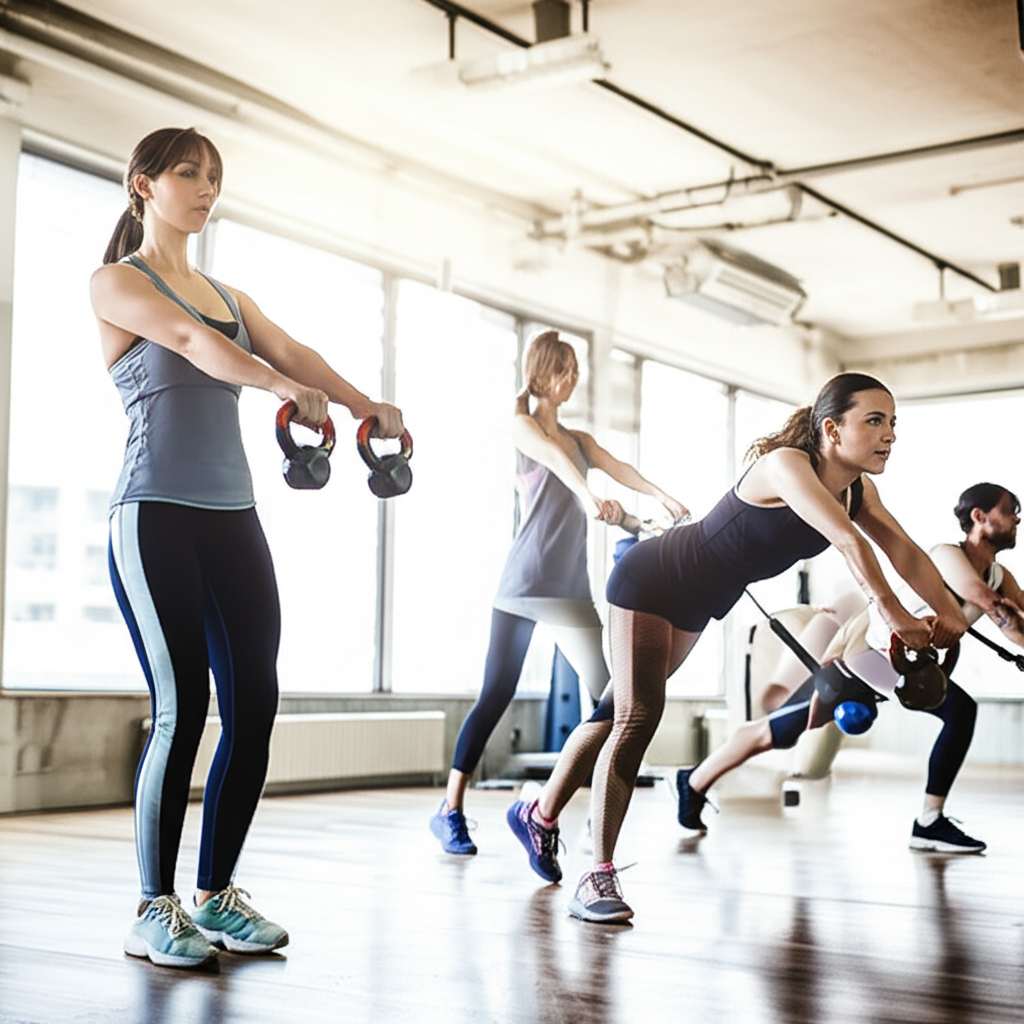
Discover the 20 best exercises for effective and sustainable weight loss. This beginner-friendly guide breaks down simple, science-backed movements to boost your metabolism, burn calories, and build a healthier you, making your weight loss journey achievable and enjoyable.
Starting a weight loss journey can feel overwhelming, especially when you’re not sure where to begin. Many people find themselves confused by conflicting advice or the sheer volume of information out there. It’s easy to feel discouraged when you don’t see immediate results.
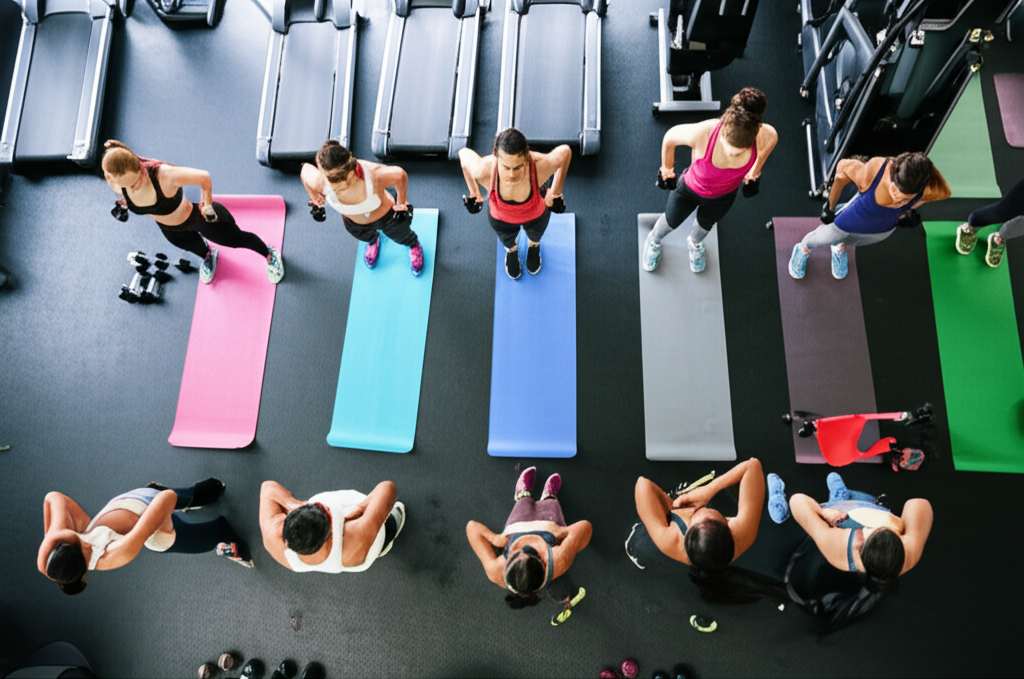
But here’s the good news: losing weight doesn’t have to be complicated or require extreme measures. With the right approach and simple, effective exercises, you can make significant progress. This guide is designed to cut through the noise and give you clear, actionable steps.
We’ll explore 20 fantastic exercises that are perfect for beginners and focus on overall weight loss. These aren’t just about burning calories in the moment; they’re about building a foundation for lasting health. Get ready to discover exercises that are accessible, enjoyable, and proven to help you reach your goals.

Why Exercise is Key for Weight Loss
When we talk about weight loss, diet often gets most of the spotlight. And yes, what you eat is super important! However, exercise plays a crucial supporting role that can’t be ignored. Think of it as a powerful partner to your healthy eating habits.
Exercise helps your body in several key ways when it comes to shedding pounds. It directly burns calories, which is essential for creating the calorie deficit needed for weight loss. But it also does so much more, like building muscle, which can speed up your metabolism even when you’re resting.
This means that by incorporating regular physical activity, you’re not just working out during your session; you’re enhancing your body’s ability to burn fat all day long. It’s a win-win situation for your health and your weight loss goals.
Understanding Calories In vs. Calories Out
The most fundamental principle of weight loss is energy balance. In simple terms, this means that to lose weight, you need to burn more calories than you consume. This is often referred to as the “calories in, calories out” model.
Calories are units of energy that our bodies get from food and drinks. When we consume more calories than our bodies need for daily functions and physical activity, the excess energy is stored, often as fat. Conversely, when we consistently burn more calories than we take in, our bodies tap into stored fat for energy, leading to weight loss.
Exercise is a powerful tool to increase the “calories out” side of the equation. By engaging in physical activity, you actively burn calories. The intensity, duration, and type of exercise all influence how many calories you burn. For example, a brisk walk burns more calories than a leisurely stroll, and a high-intensity interval training (HIIT) session burns more calories in a shorter amount of time compared to steady-state cardio.
While diet primarily controls “calories in,” exercise significantly impacts “calories out.” A balanced approach that combines a healthy diet with regular exercise is the most effective and sustainable way to achieve and maintain a healthy weight. For more detailed insights into energy balance and weight management, the National Institute of Diabetes and Digestive and Kidney Diseases (NIDDK) offers valuable resources.
The Benefits of a Varied Exercise Routine
When aiming for overall weight loss, sticking to just one type of exercise might not be the most effective strategy. A varied routine works best because it challenges your body in different ways, leading to more comprehensive results. It also helps prevent boredom, which is a common reason people stop exercising.
Different types of exercise target different aspects of fitness. For example, cardio is great for burning calories and improving heart health, while strength training builds muscle, which boosts your metabolism. Flexibility and balance exercises are also important for injury prevention and overall well-being.
By mixing things up, you ensure you’re not just working specific muscle groups repeatedly. This variety helps your body adapt and continue making progress, rather than plateauing. It also makes your fitness journey more engaging and fun!
The 20 Best Exercises for Overall Weight Loss
Let’s dive into the exercises that are fantastic for kickstarting your weight loss journey. These are chosen for their effectiveness, accessibility for beginners, and ability to provide a great calorie burn and muscle-building opportunity.
Cardiovascular Exercises (Cardio)
Cardio exercises are your best friend when it comes to burning a significant number of calories. They get your heart pumping and improve your endurance.
1. Brisk Walking:
This is one of the most accessible and effective exercises for weight loss. It requires no special equipment and can be done almost anywhere. The key is to walk at a pace that elevates your heart rate and makes it slightly difficult to hold a full conversation.
How to do it: Start with 20-30 minutes most days of the week. Focus on maintaining a steady, brisk pace. You can increase the duration or intensity by incorporating hills or faster intervals.
2. Jogging/Running:
Once you’re comfortable with brisk walking, jogging or running can significantly increase your calorie burn. It’s a great way to challenge your cardiovascular system and build stamina.
How to do it: Begin with short jogging intervals interspersed with walking (e.g., jog for 1 minute, walk for 2 minutes, repeat). Gradually increase the jogging time and decrease the walking time. Aim for 3-4 times a week.
3. Cycling (Outdoor or Stationary):
Cycling is a fantastic low-impact cardio option that works your legs and glutes. Whether you use an outdoor bike or a stationary one at the gym, it’s a great calorie burner.
How to do it: Aim for 30-45 minutes of continuous cycling at a moderate intensity. For stationary bikes, use a resistance level that challenges you but allows you to maintain good form.
4. Swimming:
Swimming is a full-body workout that is exceptionally gentle on your joints. It engages multiple muscle groups simultaneously, making it a highly efficient calorie-burning activity.
How to do it: Swim laps for 30-60 minutes. Different strokes work different muscles, so varying your strokes can provide a more comprehensive workout. Even water aerobics classes can be very effective.
5. Jumping Jacks:
This classic exercise is a fantastic way to get your heart rate up quickly and burn calories in a short amount of time. It’s a great addition to warm-ups or as part of a circuit workout.
How to do it: Perform sets of 10-15 repetitions, resting for 30-60 seconds between sets. You can do this for 5-10 minutes straight or incorporate it into other routines.
6. High-Intensity Interval Training (HIIT):
HIIT involves short bursts of intense exercise followed by brief recovery periods. This method is incredibly effective for burning calories and boosting your metabolism, even after your workout is finished (the “afterburn effect”).
How to do it: Choose exercises like burpees, jump squats, or sprints. Perform an exercise at maximum effort for 20-30 seconds, then rest for 10-15 seconds. Repeat for 15-20 minutes. Resources like The American Heart Association provide safety guidelines for HIIT.
7. Dancing:
Who says working out can’t be fun? Dancing to your favorite music is a fantastic cardiovascular workout that burns calories and improves coordination and mood.
How to do it: Put on some upbeat music and dance freely for 30-60 minutes. You can also join a dance class like Zumba or aerobic dance.
8. Stair Climbing:
Using stairs, whether at home, at work, or on a stair climber machine, is a vigorous cardio workout that also strengthens your legs and glutes.
How to do it: Aim to climb stairs for 15-30 minutes. You can do this by walking up and down a flight of stairs repeatedly or using a stair-climbing machine at the gym.
Strength Training Exercises
While cardio burns calories during the activity, strength training builds muscle. More muscle means a higher resting metabolic rate, meaning you burn more calories even when you’re not exercising.
9. Squats:
Squats are a fundamental compound exercise that works your quads, hamstrings, glutes, and core. They are excellent for building lower body strength and burning calories.
How to do it: Stand with your feet shoulder-width apart. Lower your hips as if sitting back into a chair, keeping your chest up and back straight. Go as low as comfortable, then push back up through your heels. Aim for 3 sets of 10-15 repetitions.
10. Lunges:
Lunges are another excellent exercise for the lower body, targeting your quads, hamstrings, and glutes. They also help improve balance.
How to do it: Step forward with one leg and lower your hips until both knees are bent at a 90-degree angle. Ensure your front knee is directly above your ankle and your back knee hovers just off the floor. Push off your front foot to return to the starting position. Alternate legs for 3 sets of 10-12 repetitions per leg.
11. Push-Ups:
Push-ups are a fantastic bodyweight exercise for building upper body and core strength, targeting your chest, shoulders, and triceps.
How to do it: Start in a plank position with your hands slightly wider than shoulder-width apart. Lower your chest towards the floor, keeping your body in a straight line. Push back up to the starting position. If regular push-ups are too difficult, start on your knees.
12. Plank:
The plank is a powerhouse for core strength, engaging your abs, back, and shoulders. A strong core is vital for overall stability and can help improve posture.
How to do it: Position yourself on your forearms and toes, keeping your body in a straight line from head to heels. Engage your core and avoid letting your hips sag or rise too high. Hold for 30-60 seconds, repeating for 3 sets.
13. Glute Bridges:
This exercise specifically targets your glutes and hamstrings, which are important for posture and can help alleviate lower back pain. It’s also a great way to activate these muscles before a workout.
How to do it: Lie on your back with your knees bent and feet flat on the floor, hip-width apart. Lift your hips off the floor, squeezing your glutes at the top. Lower back down slowly. Aim for 3 sets of 15-20 repetitions.
14. Dumbbell Rows:
Using dumbbells, this exercise targets your back muscles, including the lats and rhomboids, as well as your biceps. It’s crucial for balanced upper body development.
How to do it: Hinge at your hips with a dumbbell in one hand, letting it hang towards the floor. Keep your back straight. Pull the dumbbell up towards your chest, squeezing your shoulder blade. Lower it slowly. Perform 3 sets of 10-12 repetitions per arm. You can find beginner dumbbell sets affordably online or at sporting goods stores.
15. Overhead Press (with dumbbells or resistance bands):
This exercise works your shoulders and triceps, contributing to upper body strength and definition. It’s also important for functional movements.
How to do it: Stand or sit with a dumbbell in each hand at shoulder height, palms facing forward. Press the dumbbells straight up overhead until your arms are fully extended. Lower them slowly back to the starting position. Aim for 3 sets of 10-12 repetitions.
Low-Impact and Mind-Body Exercises
These exercises are excellent for reducing stress, improving flexibility, and can still contribute significantly to calorie burn and overall well-being, especially for those with joint concerns.
16. Yoga:
Yoga is more than just stretching; it’s a practice that combines physical postures, breathing techniques, and meditation. Certain styles, like Vinyasa or Power Yoga, can offer a surprisingly good calorie burn while improving flexibility, strength, and mental clarity.
How to do it: Attend a beginner yoga class or follow online yoga videos. Focus on holding poses and flowing between them. Even gentler forms like Hatha yoga can be beneficial for stress reduction, which is often linked to weight management.
17. Pilates:
Pilates focuses on building core strength, improving posture, and increasing flexibility. It’s a low-impact workout that can help sculpt your body and enhance body awareness.
How to do it: Similar to yoga, you can find beginner Pilates classes or online tutorials. Mat Pilates exercises are accessible and effective for strengthening your abdominal muscles, back, and glutes.
18. Elliptical Trainer:
The elliptical machine provides a cardiovascular workout that mimics running but with much less impact on your joints. It works both your upper and lower body.
How to do it: Use the elliptical for 30-45 minutes at a moderate intensity. You can vary resistance and incline to increase the challenge and calorie burn.
19. Rowing Machine:
Rowing is an incredible full-body workout that engages about 85% of your muscles. It’s excellent for cardiovascular health and calorie burning, while also building strength in your legs, core, and upper body.
How to do it: Aim for 20-30 minutes of rowing. Focus on proper form: drive with your legs, then lean back slightly, and finish by pulling the handle towards your chest with your arms. Keep your back straight throughout.
20. Kettlebell Swings:
Kettlebell swings are a dynamic exercise that combines strength and cardio. They are particularly effective for strengthening the posterior chain (hamstrings, glutes, lower back) and burning a lot of calories.
How to do it: Stand with your feet slightly wider than shoulder-width apart, with a kettlebell on the floor in front of you. Hinge at your hips, keeping your back straight, and grip the kettlebell. Drive through your hips and squeeze your glutes to swing the kettlebell forward and up to chest or eye level. Let gravity bring it back down, hinging at your hips. Start with lighter weights and focus on form. Aim for 3 sets of 10-15 repetitions.
Creating Your Personalized Weight Loss Exercise Plan
Now that you have a list of fantastic exercises, the next step is to put them into action. Creating a plan that fits your lifestyle is key to making it sustainable.
1. Assess Your Current Fitness Level
Be honest with yourself about where you are right now. If you’re new to exercise, start with lower intensity and shorter durations. It’s better to start slow and build up than to push too hard and get injured or discouraged.
2. Set Realistic Goals
Instead of aiming for drastic weight loss overnight, set small, achievable goals. For example, aim to exercise 3 times this week for 30 minutes each, or to incorporate 5 minutes of stretching daily. Achieving these smaller goals will boost your confidence.
3. Mix Cardio and Strength Training
A balanced routine is essential. Aim for at least 150 minutes of moderate-intensity cardio or 75 minutes of vigorous-intensity cardio per week, spread throughout the week. Also, incorporate strength training exercises at least two days a week, working all major muscle groups.
Here’s a sample weekly structure:
| Day | Focus | Example Exercises | Duration/Sets |
|---|---|---|---|
| Monday | Cardio | Brisk Walking or Cycling | 30-40 minutes |
| Tuesday | Strength Training (Full Body) | Squats, Push-ups, Plank, Dumbbell Rows | 3 sets of 10-15 reps |
| Wednesday | Active Recovery or Light Cardio | Yoga, light walk, or stretching | 20-30 minutes |
| Thursday | Cardio | Jogging or Elliptical | 30-40 minutes |
| Friday | Strength Training (Full Body) | Lunges, Glute Bridges, Overhead Press, Kettlebell Swings | 3 sets of 10-15 reps |
| Saturday | Longer Cardio or Fun Activity | Swimming, Dancing, or Hiking | 45-60 minutes |
| Sunday | Rest | Rest and recovery | N/A |
4. Listen to Your Body
Rest days are just as important as workout days. Your muscles need time to recover and rebuild. If you feel pain, stop and rest. Pushing through pain can lead to injuries that will set you back.
5. Stay Consistent
Consistency is the most crucial factor for weight loss. It’s better to do a shorter workout consistently than to do a long, intense workout sporadically. Aim to make exercise a regular part of your routine.
Tips for Beginners to Maximize Weight Loss with Exercise
Starting out can be challenging, but these tips will help you get the most out of your exercise routine and stay motivated.
Warm-up and Cool-down: Always start with a 5-10 minute warm-up (like light jogging or dynamic stretches) to prepare your body for exercise. Finish with a 5-10 minute cool-down (like static stretching) to help your muscles recover.
Proper Form Over Speed: Focus on performing each exercise with correct form. This prevents injuries and ensures you’re effectively working the intended muscles. Watch videos and, if possible, get guidance from a fitness professional.
Stay Hydrated: Drink plenty of water before, during, and after your workouts. Dehydration can impact your energy levels and performance.
Find a Workout Buddy: Exercising with a friend can provide motivation, accountability, and make workouts more enjoyable.
Track Your Progress: Keep a log of your workouts, including the exercises you did, the duration, and how you felt. Seeing your progress can be a huge motivator.
Celebrate Small Victories: Acknowledge and celebrate every milestone, no matter how small. Did you increase your workout time by 5 minutes? Did you do an extra repetition? These are all wins!
Don’t Get Discouraged by Plateaus:** Weight loss isn’t always linear. You might experience periods where your weight loss slows down. This is normal. Re-evaluate your routine, diet, and ensure you’re staying consistent. Sometimes, a slight change in your workout can help break through a plateau.
Frequently Asked Questions (FAQ)
Q1: How often should I exercise for weight loss?
A1: For effective weight loss, aim for at least 150 minutes of moderate-intensity aerobic activity or 75 minutes of vigorous-intensity aerobic activity per week, spread across most days. Also, include strength training exercises at least two days a week.
Q2: Can I lose weight just by exercising, without changing my diet?
A2: While exercise burns calories and builds muscle, making your metabolism more efficient, it’s very difficult to out-exercise a poor diet. For sustainable and effective weight loss, combining regular exercise with a healthy, balanced diet is crucial. If you’re looking to upgrade your kitchen for healthier meal prep, check out our guide on the 15 best kitchen tools for amazing home cooks.
Q3: What’s the best time of day to exercise for weight loss?
A3: The best time to exercise is whenever you can be consistent. Some studies suggest exercising in the morning might boost metabolism throughout the day, while others indicate exercising later can improve performance. Find a time that works best for your schedule and energy levels.
Q4: How long does it take to see results from exercise?
A4: Results vary greatly depending on individual factors like genetics, diet, and exercise intensity. You might start feeling stronger and more energetic within a few weeks. Visible changes like weight loss typically become noticeable within 4-8 weeks of consistent effort, but it can take longer.
Q5: I’m very overweight and worried about exercising. What should I do?
A5: Start with low-impact exercises like walking, swimming, or cycling. Focus on shorter durations and gradually increase intensity as you feel more comfortable. It’s also highly recommended to consult with your doctor before beginning any new exercise program, especially if you have underlying health conditions.
Q6: Is it okay to do the same exercises every day?
A6: While consistency is key, doing the exact same exercises every day might lead to a plateau and increase the risk of overuse injuries. Varying your routine (e.g., alternating cardio and strength training, trying different exercises within each category) helps challenge your body in new ways and prevents boredom.
Q7: How important is strength training for weight loss?
A7: Strength training is incredibly important for weight loss. Building muscle mass increases your resting metabolic rate, meaning you burn more calories even when you’re not exercising. It also helps shape your body and improve overall functional fitness.
Conclusion
Embarking on a weight loss journey is a significant step towards a healthier, happier you. The good news is that it’s entirely achievable, and incorporating these 20 best exercises is a powerful strategy to support your goals. Remember, consistency and a balanced approach are your greatest allies.
By integrating a mix of cardiovascular activities to burn calories and strength training to build muscle and boost your metabolism, you’re setting yourself up for sustainable success. Don’t be afraid to start slow, listen to your body, and celebrate every bit of progress you make along the way.
Your journey is unique, and the most effective plan is one you can stick with. Experiment with these exercises, find what you enjoy, and make movement a positive and integral part of your life. With patience, dedication, and the right guidance, you absolutely can achieve your weight loss goals and build a stronger, healthier body for the long term. You’ve got this!