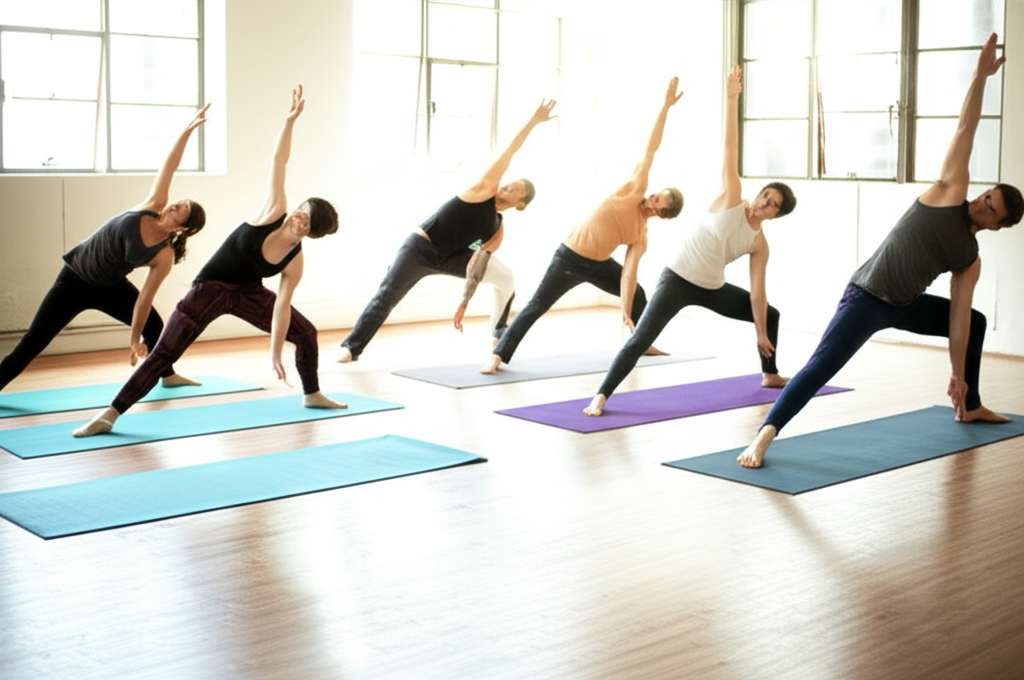
Yes, 20 yoga poses can absolutely help beginners lose weight by building muscle, boosting metabolism, and reducing stress. This guide offers simple, effective poses with clear instructions for a sustainable, effortless weight loss journey.
Feeling like weight loss is a puzzle you can’t quite solve? You’re not alone. Many of us find it tricky to shed those extra pounds, and it can feel frustrating when the usual advice doesn’t seem to work.

But what if there was a gentler, more enjoyable way? Yoga might be the answer you’re looking for. It’s not just about flexibility; it’s a powerful tool for transforming your body and mind, making weight loss feel more natural. For those interested in supporting their wellness journey with mindful home environments, exploring minimal decor ideas for kitchens can create a calming space that complements your practice.
This guide will walk you through 20 beginner-friendly yoga poses designed to help you on your weight loss journey. We’ll keep it simple, clear, and encouraging every step of the way.

Yoga for Weight Loss: The Simple Science
You might be wondering how simply moving your body on a mat can help you lose weight. It’s not magic, but it is smart science! Yoga works on several levels to support your weight loss goals.
Firstly, yoga builds lean muscle. Muscle tissue burns more calories than fat tissue, even when you’re resting. The more muscle you have, the higher your resting metabolism, meaning you burn more calories throughout the day without even trying.

Secondly, yoga can improve your body’s sensitivity to insulin. This is important because balanced insulin levels help your body use food for energy instead of storing it as fat. Studies have shown that yoga can positively impact metabolic health markers.
Finally, and this is a big one, yoga is fantastic for stress management. When we’re stressed, our bodies release a hormone called cortisol. High cortisol levels can lead to increased appetite, cravings for unhealthy foods, and fat storage, especially around the belly. Yoga’s calming effect helps lower cortisol, which can naturally reduce these stress-related eating habits.
So, while you might not be sprinting on a treadmill, yoga is actively working behind the scenes to create a body that is more efficient at burning calories and less prone to storing fat. It’s a holistic approach that nourishes your body from the inside out.
Getting Started: What You Need
Before we dive into the poses, let’s make sure you have everything you need to feel comfortable and confident. Starting yoga doesn’t require a lot of fancy equipment, making it an affordable and accessible option for everyone.
Here’s a simple checklist:
- A Yoga Mat: This is the most important item. A good mat provides cushioning for your joints and a non-slip surface to keep you stable. Many affordable options are available at sporting goods stores or online.
- Comfortable Clothing: Wear anything that allows you to move freely without feeling restricted. Stretchy leggings, sweatpants, or shorts and a t-shirt are perfect.
- A Quiet Space: Find a place where you won’t be interrupted. This could be a corner of your bedroom, your living room, or even a quiet spot outdoors.
- An Open Mind: Yoga is a journey, not a destination. Be patient with yourself, celebrate small victories, and focus on how you feel, not just how you look.
That’s really it! You don’t need special shoes, and you can start with just a few minutes each day. The most crucial element is your willingness to try.
20 Yoga Poses for Beginners to Effortlessly Lose Weight
These poses are selected for their ability to build strength, improve flexibility, boost metabolism, and calm the mind. Remember to listen to your body and modify poses as needed. The goal is consistent practice, not perfection.
Warm-Up Poses (Gentle Awakening)
Starting with gentle movements helps prepare your muscles and mind for the practice ahead, reducing the risk of injury and making your session more effective.
-
Mountain Pose (Tadasana)
This is the foundation of many standing poses. It teaches you to stand tall and grounded, engaging your core and improving posture.
How to do it: Stand with your feet together or hip-width apart. Distribute your weight evenly. Lengthen your spine, relax your shoulders down and back, and let your arms hang by your sides, palms facing forward. Breathe deeply.
Weight Loss Benefit: Improves posture, which can make you appear slimmer and helps engage core muscles. It also builds body awareness.
-
Standing Forward Bend (Uttanasana) – Modified
A gentle forward fold that stretches the hamstrings and spine, and can help calm the mind.
How to do it: From Mountain Pose, exhale and hinge at your hips, keeping your back as straight as possible. Bend your knees generously. Let your head and arms hang towards the floor. You can rest your hands on your shins, blocks, or the floor.
Weight Loss Benefit: Aids digestion and can help relieve stress, both of which are crucial for weight management.
-
Cat-Cow Pose (Marjaryasana-Bitilasana)
This flowing movement warms up the spine and improves flexibility, connecting breath with movement.
How to do it: Start on your hands and knees, wrists under shoulders, knees under hips. Inhale, drop your belly, lift your chest and tailbone (Cow Pose). Exhale, round your spine, tuck your chin and tailbone (Cat Pose). Repeat for 5-10 breaths.
Weight Loss Benefit: Stimulates abdominal organs and improves spinal mobility, supporting better digestion and posture.
Standing Poses (Building Strength & Stamina)
Standing poses engage large muscle groups, build heat in the body, and are excellent for improving balance and core strength. These are key for boosting your metabolism.
-
Warrior II (Virabhadrasana II)
A powerful pose that strengthens the legs, ankles, and shoulders, while opening the hips and chest.
How to do it: Step your feet wide apart. Turn your right foot out 90 degrees and your left foot in slightly. Bend your right knee over your right ankle. Extend your arms parallel to the floor, gaze over your right fingertips. Keep your torso upright. Hold for 5 breaths, then switch sides.
Weight Loss Benefit: Builds significant leg and core strength, increasing calorie burn. It also improves stamina.
-
Triangle Pose (Trikonasana)
This pose stretches and strengthens the thighs, knees, and ankles, while also stretching the hips, groins, hamstrings, calves, and shoulders.
How to do it: From a wide stance (similar to Warrior II, but with straight legs), turn your right foot out 90 degrees. Inhale to lengthen your spine, exhale and reach your right hand forward, then down towards your shin, ankle, or a block. Extend your left arm towards the ceiling. Gaze up, forward, or down. Hold for 5 breaths, then switch sides.
Weight Loss Benefit: Tones the legs and core, improves digestion, and can help reduce belly fat by engaging the abdominal muscles.
-
Extended Side Angle Pose (Utthita Parsvakonasana)
A deep side stretch that strengthens the legs and core, and opens the chest and shoulders.
How to do it: From Warrior II, place your right forearm on your right thigh, or bring your right hand to the floor or a block inside or outside your right foot. Extend your left arm overhead, creating a long line from your left heel to your left fingertips. Gaze upwards. Hold for 5 breaths, then switch sides.
Weight Loss Benefit: Works multiple muscle groups simultaneously, boosting calorie expenditure and improving circulation.
-
High Lunge (Ashta Chandrasana)
This pose builds strength and stamina in the legs and core, while opening the chest and shoulders.
How to do it: Step your right foot forward and bend your right knee over your ankle. Keep your left leg straight and strong, lifting your heel. Engage your core and sweep your arms overhead. Keep your hips square to the front. Hold for 5 breaths, then switch sides.
Weight Loss Benefit: Excellent for strengthening the legs and glutes, which are large muscle groups that contribute to a higher metabolism.
-
Tree Pose (Vrksasana)
A balancing pose that improves focus, stability, and strengthens the legs and core.
How to do it: Stand in Mountain Pose. Shift your weight to your left foot. Place the sole of your right foot on your inner left ankle, calf, or thigh (avoid the knee joint). Bring your hands to heart center or extend them overhead. Find a steady gaze point. Hold for 5 breaths, then switch sides.
Weight Loss Benefit: Improves balance and core strength, which are foundational for more dynamic movements that burn more calories. It also enhances concentration.
Seated Poses (Core Strength & Digestion)
Seated poses often focus on core engagement and spinal twists, which can aid digestion and help release tension, both contributing to a healthier metabolism.
-
Seated Forward Bend (Paschimottanasana) – Modified
This pose stretches the hamstrings and spine, and is known for its calming effect.
How to do it: Sit with your legs extended straight in front of you. You can keep a slight bend in your knees. Inhale and lengthen your spine. Exhale and hinge at your hips, reaching your hands towards your feet, shins, or ankles. Keep your back relatively straight. Hold for 5 breaths.
Weight Loss Benefit: Stimulates abdominal organs, promoting better digestion and detoxification. It also helps calm the nervous system, reducing stress eating.
-
Bound Angle Pose (Baddha Konasana)
Opens the hips and groin, and can help relieve mild fatigue.
How to do it: Sit with your back straight. Bring the soles of your feet together, letting your knees fall out to the sides. Hold your feet or ankles. You can stay upright or gently fold forward. Hold for 5 breaths.
Weight Loss Benefit: Improves hip flexibility, which can release tension that may contribute to poor posture and inefficient movement. It also gently massages abdominal organs.
-
Seated Spinal Twist (Ardha Matsyendrasana) – Modified
A gentle twist that massages the abdominal organs and improves spinal mobility.
How to do it: Sit with your legs extended. Bend your right knee and place your right foot on the floor outside your left thigh. You can keep your left leg straight or bend it, tucking your left foot near your right hip. Inhale and lengthen your spine. Exhale and twist your torso to the right, placing your right hand behind you and your left elbow on your right knee or hugging your knee. Look over your right shoulder. Hold for 5 breaths, then switch sides.
Weight Loss Benefit: Stimulates digestion, helps detoxify the body, and can improve metabolism by increasing blood flow to the digestive organs.
-
Boat Pose (Paripurna Navasana) – Modified
A challenging but rewarding pose that significantly strengthens the core muscles.
How to do it: Sit with your knees bent and feet flat on the floor. Lean back slightly, keeping your spine straight. Engage your core and lift your feet off the floor, so your shins are parallel to the ground. You can extend your arms forward or keep your hands on the floor for support. Hold for 5 breaths, or as long as you can maintain good form.
Weight Loss Benefit: One of the best poses for building deep core strength, which is essential for supporting your entire body and improving overall physical function. A strong core helps with better movement and calorie burn.
Backbends & Gentle Heart Openers (Energy & Mood Boost)
These poses help counteract slouching, open the chest, and boost energy levels, which can be helpful when feeling sluggish or unmotivated to exercise.
-
Cobra Pose (Bhujangasana)
A gentle backbend that strengthens the spine and opens the chest and shoulders.
How to do it: Lie on your stomach with your legs extended. Place your hands flat on the floor under your shoulders, elbows tucked in. Inhale and gently lift your chest off the floor, keeping your hips and pubic bone on the mat. Engage your back muscles. Look slightly forward. Hold for 5 breaths.
Weight Loss Benefit: Strengthens the back muscles, improves posture, and can stimulate abdominal organs, aiding digestion and metabolism.
-
Locust Pose (Salabhasana) – Modified
This pose builds strength in the entire back body, including the legs, glutes, and back muscles.
How to do it: Lie on your stomach with your arms alongside your body, palms down. Inhale and lift your head, chest, arms, and legs off the floor. Keep your neck long. Engage your glutes and back muscles. Hold for 3-5 breaths. Lower slowly.
Weight Loss Benefit: Builds strength in the posterior chain (back of the body), which is crucial for overall strength and calorie expenditure. It also boosts energy.
-
Bridge Pose (Setu Bandhasana)
A mild inversion and backbend that strengthens the back, glutes, and hamstrings, while opening the chest.
How to do it: Lie on your back with your knees bent and feet flat on the floor, hip-width apart. Your feet should be close to your glutes. Inhale and lift your hips off the floor. You can keep your arms alongside your body, palms down, or interlace your fingers underneath you. Hold for 5 breaths.
Weight Loss Benefit: Strengthens the glutes and hamstrings, boosts metabolism, and can help improve thyroid function, which is linked to weight management.
Restorative & Calming Poses (Stress Relief & Recovery)
These poses help you relax, recover, and manage stress, which is vital for sustainable weight loss by reducing cortisol levels and emotional eating.
-
Child’s Pose (Balasana)
A resting pose that gently stretches the hips, thighs, and ankles while calming the mind and relieving stress.
How to do it: Kneel on the floor. Bring your big toes to touch and widen your knees hip-width apart or wider. Exhale and fold your torso between your thighs. Rest your forehead on the mat and extend your arms forward or rest them alongside your body. Breathe deeply. Stay for as long as needed.
Weight Loss Benefit: Reduces stress and anxiety, which can prevent emotional eating and cravings. It promotes relaxation, aiding in recovery and better sleep.
-
Legs-Up-the-Wall Pose (Viparita Karani)
A restorative pose that calms the nervous system, reduces fatigue, and can help with sleep.
How to do it: Sit with your hips close to a wall. Swing your legs up to rest on the wall, so your body forms an L-shape. Your hips can be on the floor or slightly elevated on a cushion. Relax your arms by your sides. Close your eyes and breathe deeply. Stay for 5-15 minutes.
Weight Loss Benefit: Helps reduce cortisol levels, which can curb cravings and fat storage. It also improves circulation and reduces leg fatigue.
-
Corpse Pose (Savasana)
The ultimate relaxation pose, allowing your body and mind to integrate the benefits of your practice.
How to do it: Lie flat on your back with your legs extended and arms by your sides, palms facing up. Allow your feet to fall open naturally. Close your eyes. Release all tension in your body. Breathe naturally. Stay for at least 5-10 minutes.
Weight Loss Benefit: Crucial for stress reduction and recovery. Adequate rest and stress management are key components of sustainable weight loss. It allows your body to repair and rebalance.
Flowing Sequences for Added Intensity
Combining poses into sequences can increase the cardiovascular challenge and calorie burn. A well-known example is the Sun Salutation.
-
Sun Salutation A (Surya Namaskar A) – Modified
A fundamental sequence that warms the body, builds strength, and improves flexibility. It’s a fantastic way to start your practice and boost your metabolism.
How to do it: This is a series of poses flowing together: Mountain Pose -> Upward Salute (arms overhead) -> Standing Forward Bend -> Halfway Lift (flat back) -> Plank Pose (or knees-chest-chin) -> Cobra Pose (or Upward-Facing Dog) -> Downward-Facing Dog -> Step right foot forward -> High Lunge -> Standing Forward Bend -> Mountain Pose. Repeat on the other side, or flow through a few rounds. Focus on linking breath to movement.
Weight Loss Benefit: A dynamic flow that engages many muscles, increases heart rate, and burns calories efficiently. It’s a mini-workout in itself.
-
Plank Pose (Phalakasana)
This isometric pose is a powerhouse for building core strength, which is fundamental for overall fitness and calorie burning.
How to do it: Start on your hands and knees. Extend your legs back, coming onto the balls of your feet. Your body should form a straight line from your head to your heels. Engage your core, glutes, and quads. Keep your hips from sagging or lifting too high. Hold for 30 seconds to 1 minute, or as long as you can maintain good form.
Weight Loss Benefit: Builds incredible core strength, which supports all physical movements and increases metabolic rate. A strong core is essential for efficient calorie burning.
Structuring Your Beginner Yoga Practice for Weight Loss
Consistency is key when it comes to yoga and weight loss. Aim to practice regularly, even if it’s just for 15-20 minutes a few times a week. As you get more comfortable, you can gradually increase the duration and frequency.
Here’s a simple way to structure your practice:
- Warm-up (5-7 minutes): Start with Cat-Cow, Mountain Pose, and a gentle Forward Bend.
- Standing Poses (10-15 minutes): Incorporate 3-4 standing poses like Warrior II, Triangle Pose, and High Lunge.
- Seated/Backbends (5-10 minutes): Include a seated twist, Boat Pose, or Cobra Pose.
- Cool-down/Restorative (5-10 minutes): Finish with Child’s Pose, Legs-Up-the-Wall, and Savasana.
You can also dedicate specific days to focus on certain types of poses. For example, one day might focus more on standing poses for strength, while another might emphasize twists for digestion.
The Role of Nutrition and Lifestyle
While yoga is a fantastic tool, it works best when complemented by healthy eating habits and a balanced lifestyle. Think of yoga as the engine, and nutrition as the fuel.
Hydration: Drinking enough water is crucial for metabolism and energy levels. Aim for at least 8 glasses of water a day. Water also helps flush out toxins.
Balanced Diet: Focus on whole, unprocessed foods like fruits, vegetables, lean proteins, and whole grains. These provide the nutrients your body needs to function optimally and support muscle building. Reducing sugar and processed foods can make a significant difference. For inspiration on organizing a healthy kitchen space, check out these stylish kitchen storage accessories that make nutritious eating more convenient.
Mindful Eating: Pay attention to your hunger and fullness cues. Yoga can help cultivate this mindfulness, making it easier to avoid overeating.
Sleep: Aim for 7-9 hours of quality sleep per night. Poor sleep can disrupt hormones that regulate appetite, leading to increased cravings and fat storage. You can learn more about the science of sleep and weight management from resources like the National Heart, Lung, and Blood Institute (NHLBI).
Stress Management: As mentioned, yoga is excellent for stress. Other practices like meditation, spending time in nature, or engaging in hobbies can also help keep cortisol levels in check.
Tracking Your Progress
It’s motivating to see how far you’ve come! Instead of solely focusing on the number on the scale, consider these ways to track your progress:
- How your clothes fit: Often, you’ll notice clothes fitting more loosely before the scale even budges.
- Energy levels: Do you feel more energetic throughout the day?
- Strength and flexibility: Can you hold poses longer or feel more comfortable in them?
- Mood and stress levels: Are you feeling calmer and more positive?
- Body measurements: Sometimes, taking measurements of your waist, hips, and other areas can show changes the scale doesn’t capture.
Celebrating these non-scale victories can be incredibly encouraging on your weight loss journey.
Frequently Asked Questions About Yoga for Weight Loss
Q1: How often should I practice yoga for weight loss?
For beginners, aiming for 3-4 times a week for 20-30 minutes is a great start. Consistency is more important than intensity, especially in the beginning. As you build stamina, you can gradually increase the frequency and duration.
Q2: How long will it take to see results from yoga for weight loss?
Results vary for everyone, but you can start noticing improvements in energy, mood, and flexibility within a few weeks. Visible changes in weight and body composition typically take 1-3 months of consistent practice combined with a healthy diet.
Q3: What if I can’t do all the poses perfectly?
That’s completely normal! Yoga is a practice, not a performance. Use modifications like props (blocks, blankets), bend your knees, or rest in Child’s Pose whenever you need to. The goal is to move your body and connect with your breath, not to achieve a perfect aesthetic.
Q4: Can yoga replace cardio exercise for weight loss?
Yoga can significantly contribute to weight loss by building muscle and burning calories, especially more dynamic styles. However, for optimal weight loss, it’s often recommended to combine yoga with other forms of cardio exercise, like brisk walking or cycling, a few times a week. This provides a well-rounded approach to fitness.
Q5: Will yoga make me bulk up?
Yoga builds lean muscle, which helps with metabolism, but it typically won’t cause significant muscle bulk, especially for beginners. The calorie expenditure and focus on flexibility and endurance make it more likely to lead to a toned, elongated physique rather than a bulky one.
Q6: What’s the best time of day to practice yoga for weight loss?
The “best” time is whenever you can be consistent! Morning yoga can energize you for the day and boost your metabolism early on. Evening yoga can help you unwind and de-stress, which is beneficial for managing cortisol and improving sleep. Experiment to see what works best for your schedule and energy levels.
Conclusion
Embarking on a weight loss journey doesn’t have to be complicated or overwhelming. By incorporating these 20 beginner-friendly yoga poses into your routine, you’re taking a powerful step towards a healthier, more vibrant you.
Remember, yoga offers a holistic approach, addressing not just the physical aspects of weight loss but also the mental and emotional ones. Building strength, improving your metabolism, reducing stress, and cultivating mindfulness are all interconnected benefits that will support your goals.
Be patient with yourself, celebrate every small victory, and enjoy the process. Consistency, combined with a mindful approach to nutrition and lifestyle, will pave the way for effortless and sustainable weight loss. So, unroll your mat, take a deep breath, and begin! For additional support in creating a peaceful home environment that supports your wellness goals, explore these elegant kitchen decor tips designed to promote calm and clarity.