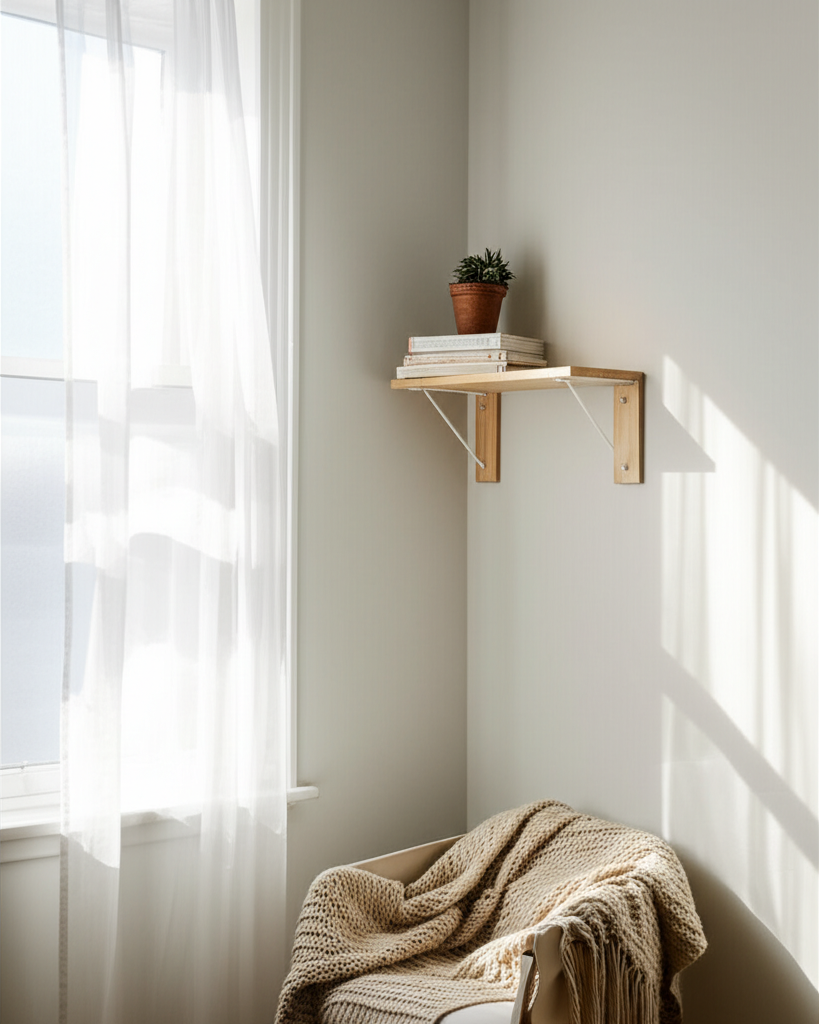
Transforming small spaces doesn’t require a huge budget or design degree. These 5 simple room decor ideas focus on smart strategies to make your small room feel bigger, brighter, and more stylish with minimal effort and maximum impact.
Feeling a bit cramped in your living space? You’re not alone! Many of us dream of a beautifully decorated home, but the reality of a small room can feel a little overwhelming. It’s easy to think that limited square footage means limited style, but that couldn’t be further from the truth.
Don’t let a small space dim your decorating dreams. With a few clever tricks, you can create a cozy, functional, and stylish haven that feels much larger than it is. We’re going to walk through some super simple, beginner-friendly ideas that will make a big difference.
Ready to unlock the potential of your small space and make it feel like a whole new room? Let’s dive into 5 effortless decor ideas that are perfect for anyone looking to refresh their home without the stress.
5 Simple Room Decor Ideas: Effortless Small Spaces
Decorating a small space can sometimes feel like a puzzle. You want it to be functional, stylish, and inviting, but every piece of furniture or decor seems to take up too much room. The good news is that with a few smart choices, you can maximize every inch and create a space that feels open and chic. Let’s explore some easy wins for your small room!
1. Embrace Vertical Space: Go Up, Not Out!
In small rooms, the floor space is precious. The best way to get more “room” without actually adding square footage is to look up! Utilizing vertical space is a game-changer for both storage and visual appeal. Think about how you can draw the eye upwards.
Shelving is your best friend. Floating shelves are fantastic because they offer storage and display opportunities without the visual bulk of traditional bookcases. You can use them to house books, decorative items, plants, or even essentials like keys and mail near an entryway. This keeps surfaces clear and makes the room feel less cluttered.
Consider tall, narrow furniture pieces. A tall, slender bookcase or a floor-to-ceiling cabinet can provide ample storage while also making the ceiling appear higher. This creates an illusion of greater height and draws attention away from the room’s footprint. When choosing shelves or cabinets, opt for lighter colors or designs that blend with your wall color to further enhance the feeling of openness.
Ideas for Vertical Decor:
- Floating Shelves: Install them above your sofa, bed, or desk. They’re perfect for displaying art, photos, or small plants.
- Tall Bookshelves: Choose slim profiles to avoid overwhelming the space. Anchor them securely for safety.
- Wall-Mounted Organizers: Use these for smaller items like mail, keys, or craft supplies.
- Hanging Plants: Bring greenery into your space without sacrificing floor or table space.
- Artwork Placement: Hang artwork slightly higher than you normally would to draw the eye upward.
When selecting items for your vertical displays, keep a cohesive color palette in mind. Grouping items by color or theme can make your vertical arrangements look intentional and stylish, rather than just a collection of things. This strategy not only adds functionality but also a significant decorative element.
2. Light & Bright: The Magic of Mirrors and Light Colors
One of the most effective ways to make a small space feel larger is by maximizing light. This involves both natural light and artificial lighting, as well as strategic use of color. Light colors reflect light, making a room feel more open and airy, while mirrors can create the illusion of depth.
Think of light colors as your secret weapon. Painting your walls in shades of white, cream, soft grays, or pastels can instantly make a room feel bigger and brighter. These colors bounce light around the room, making it feel more expansive and less enclosed. If you love color, consider using it as an accent in your decor rather than on all the walls. A bold throw pillow or a vibrant piece of art can add personality without making the space feel smaller.
Mirrors are another incredible tool for small spaces. Strategically placed mirrors can reflect light, making the room feel brighter, and they can also create the illusion of more space by reflecting the room itself. A large mirror opposite a window is particularly effective at doubling the natural light and the perceived size of the room. Even smaller decorative mirrors can add sparkle and depth.
Don’t underestimate the power of good lighting. Ensure you have multiple light sources. A combination of overhead lighting, task lighting (like a desk lamp), and accent lighting (like a floor lamp) can illuminate every corner and prevent dark, shadowy areas that make a room feel smaller. Consider dimmer switches to control the mood and intensity of your lighting.
Lighting and Color Strategies:
- Paint Colors: Opt for light, neutral, or pastel shades for walls and ceilings.
- Mirror Placement: Hang a large mirror opposite a window or in a narrow hallway.
- Layered Lighting: Combine ambient, task, and accent lights.
- Sheer Curtains: Allow maximum natural light to enter.
- Reflective Decor: Incorporate metallic accents or glossy finishes in your accessories.
When choosing furniture, look for pieces with lighter-colored upholstery or finishes. This will contribute to the overall bright and airy feel of the room. A light-colored sofa or armchair can make a significant difference compared to a dark, heavy piece.
3. Smart Furniture Choices: Multi-Functional and Scaled-Down
In a small space, every piece of furniture needs to work hard. This means choosing items that are not only appropriately sized but also serve multiple purposes. Avoid bulky, oversized furniture that can overwhelm the room and make it feel cramped.
Multi-functional furniture is a lifesaver for small rooms. Think about a coffee table with built-in storage, an ottoman that doubles as a seat and a storage bin, or a sofa bed that can accommodate overnight guests without needing a dedicated guest room. These pieces help you get the most out of your available space and reduce the need for extra items.
Scale is also crucial. Opt for furniture that is appropriately proportioned for the room. Instead of a massive sectional, consider a streamlined sofa. A round dining table often fits better in a small dining nook than a rectangular one, as it has no sharp corners to bump into and can feel more inviting. When shopping, measure your space carefully and consider furniture with a more delicate or “leggy” design, as this allows light and air to flow underneath, making the room feel more open.
Consider furniture that can be easily moved or reconfigured. A lightweight accent chair or a folding desk can be tucked away when not in use, giving you flexibility. Wall-mounted furniture, such as a fold-down desk or shelves, can also be excellent space-savers. For example, a wall-mounted TV unit can free up floor space that a traditional TV stand would occupy.
Furniture for Small Spaces:
| Furniture Type | Smart Choice for Small Spaces | Why it Works |
|---|---|---|
| Sofa | Loveseat, sofa with clean lines, or modular sofa | Less bulky, allows for better flow, can be adapted. |
| Coffee Table | Storage ottoman, nesting tables, or a narrow console table | Provides storage, can be moved easily, takes up less visual space. |
| Dining Table | Round table, drop-leaf table, or a small bistro set | Easier to navigate around, adaptable for more guests when needed. |
| Storage | Multi-functional furniture (e.g., storage beds, ottomans), vertical shelving | Maximizes space, reduces clutter, keeps essentials hidden. |
| Seating | Accent chairs with open frames, poufs, or benches | Visually lighter, can be tucked away, adds flexibility. |
When selecting furniture, pay attention to the visual weight. Furniture with exposed legs, thin frames, and lighter upholstery tends to look less imposing in a small room. Conversely, very dark, heavy, or bulky pieces can make a space feel smaller and more crowded.
4. Declutter and Organize: Less is More!
This might sound obvious, but effective decluttering and smart organization are perhaps the most critical elements of decorating a small space. A cluttered room, no matter how beautifully decorated, will always feel smaller and more chaotic. The goal is to create a sense of calm and order.
Start by ruthlessly decluttering. Go through your belongings room by room and ask yourself if you truly need, use, or love each item. Be honest! Donate, sell, or discard anything that doesn’t serve a purpose or bring you joy. The less you have, the less you need to store, and the more spacious your room will feel.
Once you’ve decluttered, it’s time to get organized. Invest in smart storage solutions. Baskets, bins, drawer dividers, and clear containers can help keep everything tidy and easily accessible. Utilize hidden storage, such as under-bed storage boxes or cabinets with doors, to keep visual clutter to a minimum. The less you see, the more spacious the room feels.
Think about “zones” within your room. Even in a studio apartment, you can create distinct areas for sleeping, working, and relaxing. This can be achieved through furniture placement, rugs, or even subtle changes in wall color. Clear zoning helps the room feel more intentional and less like a jumble of furniture.
Maintain your organization. Make it a habit to put things back in their place. A quick tidy-up each day can prevent clutter from accumulating and ensure your small space always feels welcoming and serene. Consider the KonMari Method, which encourages keeping only items that “spark joy” and has a systematic approach to decluttering.
Decluttering and Organization Tips:
- One In, One Out Rule: For every new item you bring into your home, get rid of an old one.
- Regular Purges: Schedule time every few months to go through your belongings.
- Utilize Vertical Storage: Use wall-mounted shelves and tall cabinets to keep items off the floor.
- Hidden Storage: Opt for furniture with built-in storage or use decorative boxes and bins.
- Digital Organization: Scan important documents and reduce paper clutter.
When organizing, try to group similar items together. This makes it easier to find what you need and also helps you see how much you actually have of certain things. This can be a powerful motivator for further decluttering. Remember, an organized space is a visually larger space.
5. Strategic Decor and Personal Touches: Make it Yours!
Once the foundation of space-saving furniture and smart organization is in place, it’s time to add your personal style. The key here is to be intentional with your decor choices. Small spaces benefit from curated, impactful pieces rather than a lot of small, fussy items that can create visual noise.
Choose a focal point. This could be a piece of art, a statement lamp, or a beautifully styled shelf. Having one or two strong visual anchors can give the room a sense of purpose and draw the eye, preventing it from feeling scattered. Keep accessories intentional and meaningful. Instead of many small trinkets, opt for a few larger, more impactful decorative items.
Textiles can add warmth and personality without taking up much visual space. Think about throw pillows, a cozy blanket, or a stylish rug. A well-chosen rug can define an area and make the room feel more grounded and cohesive. For small spaces, consider lighter-colored rugs or those with simple patterns to avoid making the floor feel too busy.
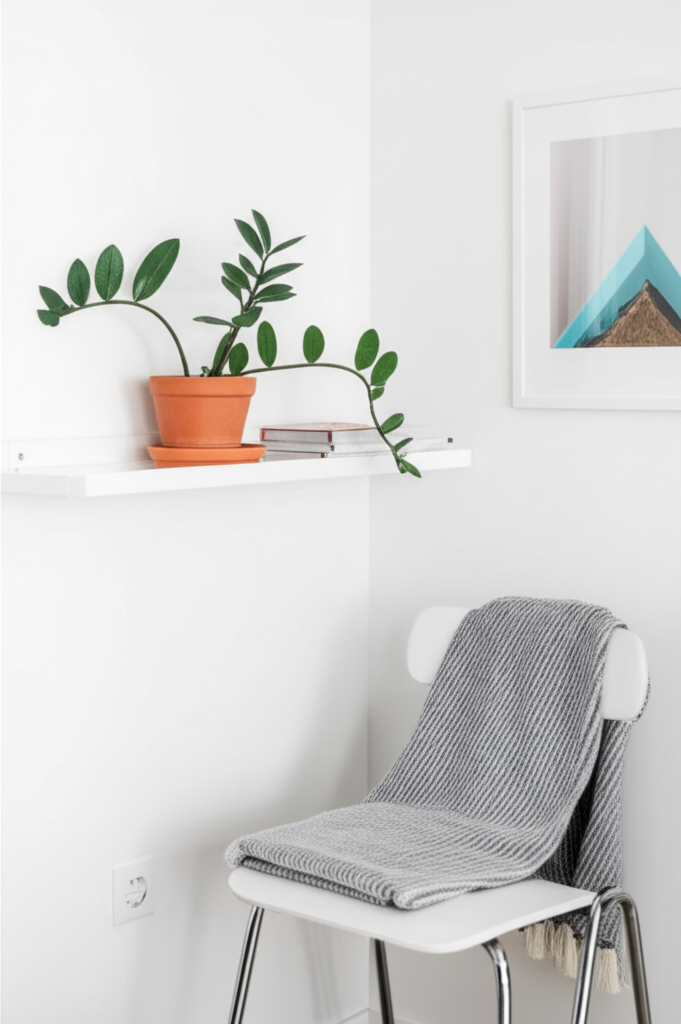
Plants are wonderful for bringing life and color into a room. As mentioned before, hanging plants or tall, slender plants can add a touch of nature without consuming precious floor space. They also improve air quality, which is a bonus!
Personal photos and artwork can make a space feel like home. Instead of scattering many small frames, consider a gallery wall with a cohesive theme or a single, larger piece of art. This adds personality and visual interest without contributing to clutter. When choosing frames, opt for slim profiles or colors that complement your wall color to maintain a sense of spaciousness.
Adding Personal Style:
- Curated Art: Select one or two impactful pieces or a well-arranged gallery wall.
- Textile Accents: Use throw pillows, blankets, and rugs to add color and texture.
- Greenery: Incorporate plants, especially hanging or tall varieties.
- Meaningful Objects: Display a few cherished items rather than many small ones.
- Consistent Theme: Maintain a consistent color palette and style throughout your decor.
Don’t be afraid to experiment! The goal is to create a space that reflects your personality and makes you feel happy and comfortable. Small spaces offer a fantastic opportunity to be creative and intentional with every choice. For more inspiration on creating impactful displays, you might find our guide on cozy small kitchen ideas helpful, as many of the principles of creating appealing displays can be applied to home decor.
Frequently Asked Questions (FAQ)
Q1: What is the most important tip for decorating a small room?
The most crucial tip is to maximize light and space. Use light colors, mirrors, and vertical storage to make the room feel as open and airy as possible. Decluttering is also essential; less stuff equals more perceived space.
Q2: How can I make my small living room look bigger without major renovations?
Focus on smart furniture choices like multi-functional pieces and scaled-down designs. Embrace light colors on walls and use mirrors strategically to reflect light and create an illusion of depth. Ensure good lighting and keep surfaces clear.
Q3: What type of furniture should I avoid in a small bedroom?
Avoid bulky, oversized furniture like large headboards, heavy armchairs, or massive dressers. Furniture with dark colors and thick frames can also make a small bedroom feel cramped. Opt for pieces with lighter colors and open designs.
Q4: How can I add personality to a small space without making it look cluttered?
Be intentional with your decor. Choose a few statement pieces, such as a striking piece of art, a unique lamp, or a stylish rug, rather than many small items. Use textiles like throw pillows and blankets to add color and texture. Plants also add life and personality.
Q5: Are dark colors completely off-limits for small rooms?
Not necessarily! While light colors are generally recommended, you can strategically use dark colors in a small room. Consider a dark accent wall behind a bed or sofa to add depth and drama, or use dark colors in accessories. The key is balance and ensuring there’s plenty of light to prevent the room from feeling too cave-like.
Q6: How important is organization in a small room?
Organization is paramount. A well-organized small room will always feel larger and more inviting than a cluttered one. Invest in smart storage solutions and regularly declutter to keep your space tidy and maximize its perceived size.
Conclusion
Decorating a small space doesn’t have to be a daunting task. By focusing on simple, effective strategies, you can transform even the coziest of rooms into stylish, functional, and inviting areas. Embracing vertical space, maximizing light with colors and mirrors, choosing smart, multi-functional furniture, keeping clutter at bay, and adding personal touches with intention are all achievable steps.
These 5 simple room decor ideas are designed to be beginner-friendly and budget-conscious, proving that you don’t need a huge budget or a professional designer to create a beautiful home. Remember, the goal is to make your space work for you, reflecting your personality while feeling open and comfortable.
So, take these tips, get creative, and start transforming your small space. You’ll be amazed at the difference these effortless ideas can make in making your home feel larger, brighter, and more like the sanctuary you deserve. Happy decorating! For even more inspiration, check out our collection of kitchen decor themes that prove small spaces can pack a big style punch.