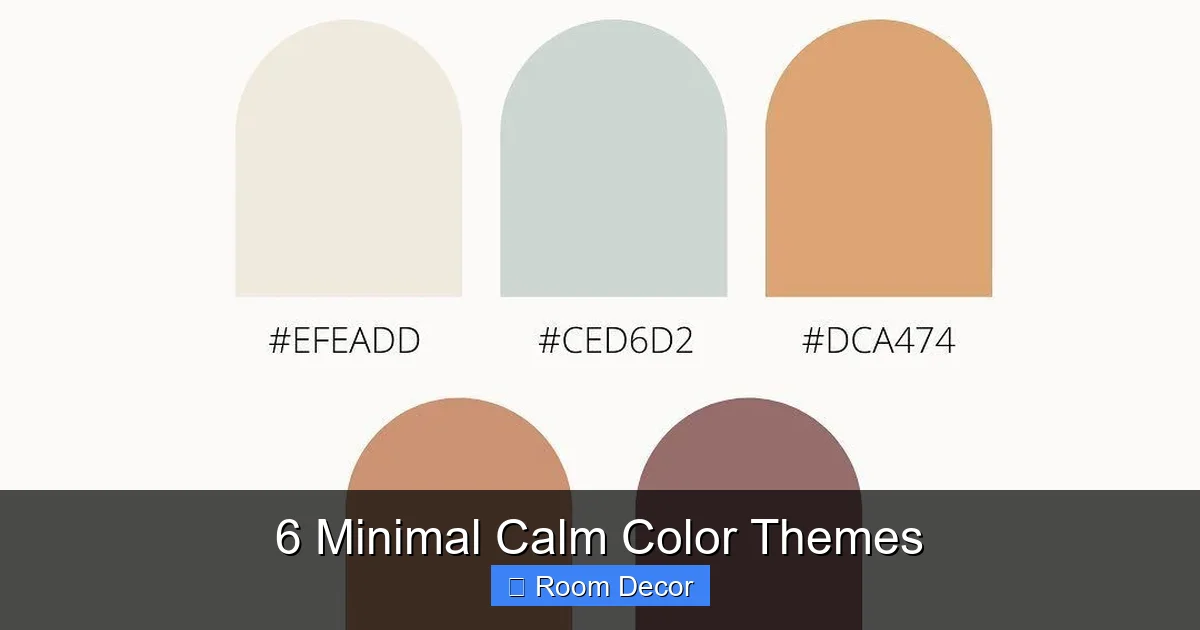
Transform your living space into a haven of tranquility with 6 minimal calm color themes. This guide offers practical advice on selecting and applying soothing palettes, from Nordic serenity to warm desert oases, ensuring your home exudes a peaceful and stylish ambiance. Learn to combine soft hues, natural textures, and smart lighting to create truly serene environments, making your home a true sanctuary.
6 Minimal Calm Color Themes
Do you dream of a home that feels like a peaceful retreat? A space where stress melts away the moment you walk through the door? If so, you’re in the right place. Creating a serene environment often begins with the colors you choose for your walls, furniture, and decor. This guide will walk you through the world of minimal calm color themes, showing you how to transform any room into a haven of tranquility.
Minimal calm color themes are all about simplicity, serenity, and a subtle elegance. They prioritize soft hues, natural textures, and a clutter-free approach to create spaces that soothe the mind and uplift the spirit. Forget overwhelming patterns or jarring brights; here, less is definitely more. By the end of this guide, you’ll have a clear understanding of what makes a color theme minimal and calm, and you’ll be equipped with six distinct palettes to inspire your next decorating project.
Key Takeaways
- Embrace Neutrals as Your Foundation: Minimal calm color themes heavily rely on a base of soft whites, gentle greys, and warm beiges to create a spacious, airy, and adaptable canvas.
- Prioritize Muted and Desaturated Hues: When introducing accent colors, opt for subtle, desaturated versions of blues, greens, pinks, or terracottas to maintain a serene and understated feel.
- Leverage Texture Over Vibrant Color: In minimal calm decor, visual interest comes primarily from a variety of textures – think linen, wool, wood, and ceramic – rather than bold patterns or bright colors.
- Consider Your Room’s Purpose and Natural Light: The ideal minimal calm color theme depends on the room’s function (e.g., bedroom vs. living room) and how much natural light it receives, influencing color warmth and depth.
- Build Your Palette Incrementally: Start with your main base color for walls and large furniture, then gradually introduce accent colors and textural elements to ensure a cohesive and balanced outcome.
- Simplify and Declutter for True Calm: A minimal calm aesthetic isn’t just about color; it’s about reducing visual noise. Decluttering and choosing functional, well-designed pieces are crucial for a truly peaceful space.
Understanding the “Minimal Calm” Aesthetic
Before we dive into specific minimal calm color themes, let’s establish what makes this style so effective. It’s a combination of two powerful design philosophies: minimalism and a focus on tranquility.
What Makes a Color Theme Minimal?
Minimalism in color means using a limited palette. Instead of a rainbow of hues, you focus on a few key colors that work harmoniously together. These colors are often muted, desaturated, and understated. The idea is to reduce visual noise, allowing the eye to rest and the mind to relax. A minimal color theme doesn’t mean boring; it means intentional and refined.
What Makes a Color Theme Calm?
Calm colors are those that evoke feelings of peace, relaxation, and comfort. They tend to be softer, often drawn from nature. Think of the gentle tones of a cloudy sky, a sandy beach, or a tranquil forest. Highly saturated or very bright colors can stimulate and energize, which is great for some spaces, but for a calm environment, we aim for hues that soothe rather than excite.
The Benefits of Minimal Calm Color Themes
- Reduces Stress: A calm color palette helps lower anxiety and promotes a sense of peace.
- Enhances Focus: Without visual distractions, your mind can concentrate better.
- Creates Space: Lighter, more open palettes make rooms feel larger and airier.
- Timeless Appeal: These themes tend to be classic and won’t quickly go out of style.
- Versatility: A neutral, calm base provides a perfect backdrop for evolving decor or seasonal changes.
The Foundation: Building Your Minimal Calm Palette
Every successful minimal calm color theme starts with a strong foundation. These are the elements you’ll consider before even picking your specific theme.
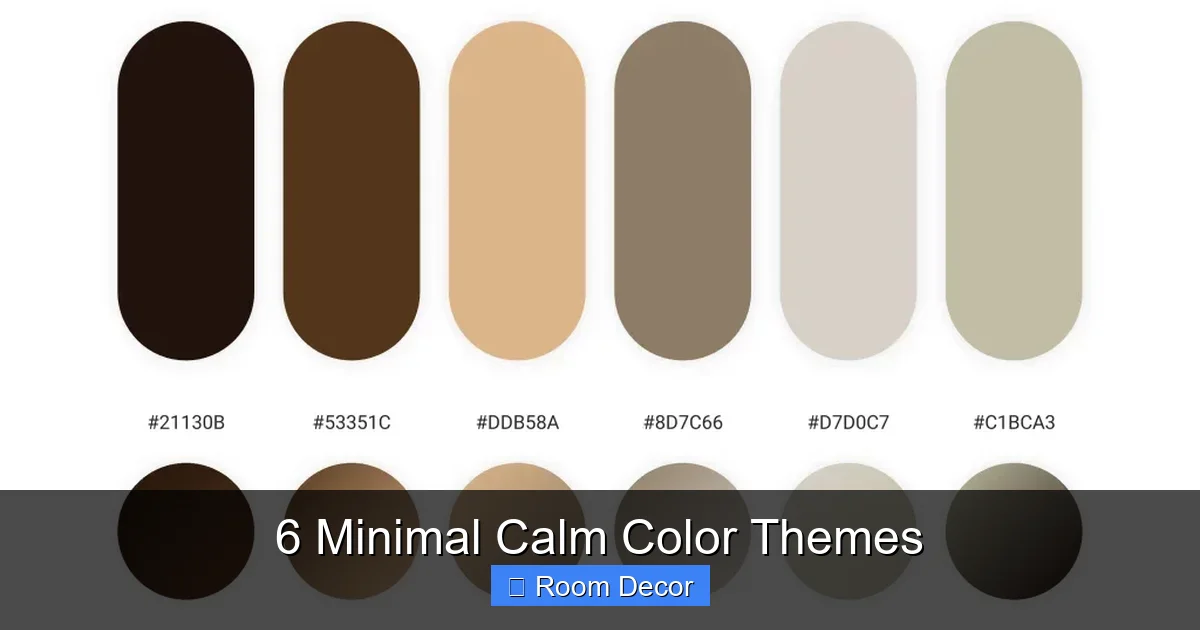
Visual guide about 6 Minimal Calm Color Themes
Image source: aestheticcolorpalette.com
Neutrals Are Your Best Friend
Neutrals like whites, off-whites, greys, and beiges are the backbone of any minimal calm color theme. They provide a clean, expansive canvas that allows the eye to rest. They also beautifully highlight textures and natural materials. Choose warm neutrals for a cozy feel or cool neutrals for a crisp, fresh look.
Introducing Soft Accent Colors
While neutrals are key, a minimal calm theme isn’t entirely devoid of color. The trick is to introduce accent colors that are gentle and desaturated. Think dusty blues, sage greens, blush pinks, or muted terracottas. These hues add interest and personality without overwhelming the serene atmosphere. Use them sparingly for textiles, artwork, or small decorative items.
Texture Is Key for Depth
When you’re working with a limited color palette, texture becomes incredibly important. It’s how you add visual interest and warmth without introducing more color. Layer different materials like chunky knits, smooth ceramics, rough linen, soft wool, warm wood, and cool metal. These tactile elements create a rich, inviting environment that’s far from sterile.
The Role of Natural Light
Natural light is a powerful component of any minimal calm design. It makes colors appear truer, brightens the space, and enhances the feeling of openness. Design your space to maximize natural light wherever possible. Use sheer curtains or no window treatments at all to let the light pour in. Consider how colors will appear at different times of day as the light changes.
Preparing Your Space for a Color Transformation
Before you pick up a paint brush or shop for new decor, take a few preparatory steps.

Visual guide about 6 Minimal Calm Color Themes
Image source: digitalsynopsis.com
Declutter and Streamline
A minimal calm aesthetic goes hand-in-hand with a decluttered space. Remove anything that doesn’t serve a purpose or bring you joy. Organize what remains. A tidy environment immediately feels more calm and allows your chosen color theme to shine.
Assess Existing Elements
Look at your current furniture, flooring, and fixed elements. Do you have a large sofa you can’t replace? A specific wood tone in your cabinets? These existing elements can influence your color choices. You’ll want your new minimal calm color theme to complement, not clash with, what’s already there.
Gather Inspiration
Browse Pinterest, Instagram, or design magazines. Save images of rooms that evoke the feeling you want to achieve. Notice the specific shades of colors, the textures used, and how light interacts with the space. This will help you articulate your vision.
Exploring 6 Minimal Calm Color Themes
Now, let’s dive into six beautiful minimal calm color themes you can use to inspire your home decor.
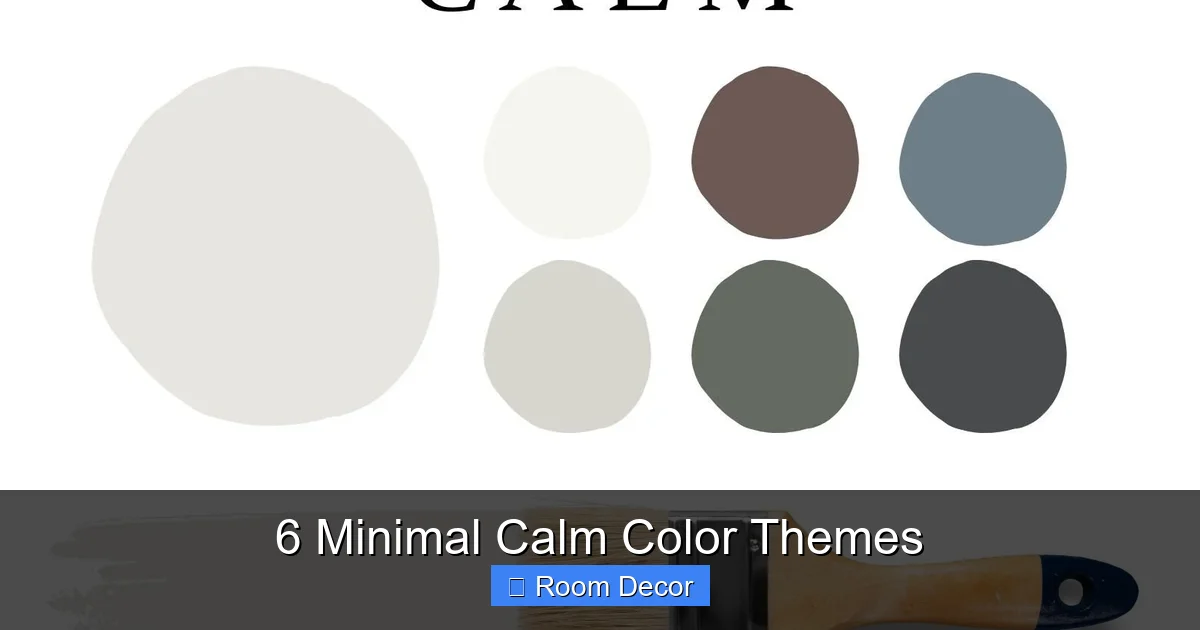
Visual guide about 6 Minimal Calm Color Themes
Image source: i.pinimg.com
Theme 1: Serene Nordic Embrace
Inspired by Scandinavian design, this minimal calm color theme is all about light, comfort, and functionality. It brings a sense of refreshing clarity to any space.
The Palette
- Main Neutrals: Crisp white, soft cool grey, off-white.
- Accent Colors: Muted pale blue, soft sage green, natural light wood tones.
- Metallic Accents: Brushed chrome or matte black.
How to Apply It
Start with walls painted in a clean white or a very pale cool grey. For larger furniture pieces like sofas, opt for light grey or oatmeal fabrics. Incorporate natural light wood furniture, such as birch or ash, for warmth and texture. Use hints of muted pale blue or sage green in throw pillows, blankets, or simple ceramic vases. Keep window treatments light and airy, perhaps sheer white linen, to maximize natural light.
Styling Tips
Embrace the “Hygge” concept – coziness and comfort. Add textured elements like sheepskin throws, wool rugs, and chunky knit blankets. Introduce simple, clean-lined furniture. Potted green plants add a touch of nature and life. Keep surfaces uncluttered, focusing on functionality and a few well-chosen decorative objects. This minimal calm color theme works wonderfully in living rooms and bedrooms, creating a truly restful atmosphere.
Theme 2: Warm Desert Oasis
This minimal calm color theme draws inspiration from sun-baked landscapes and earthy tones. It creates a space that feels grounded, inviting, and deeply comforting.
The Palette
- Main Neutrals: Warm off-white, sandy beige, light terracotta.
- Accent Colors: Dusty rose, soft olive green, deep rust, natural medium wood.
- Metallic Accents: Matte brass or copper.
How to Apply It
Paint walls in a creamy off-white or a light sandy beige. Consider an accent wall in a subtle, muted terracotta for a touch of warmth. Choose furniture in natural wood tones (like oak or walnut) or upholstered pieces in beige, cream, or a subtle linen texture. Introduce a dusty rose or olive green through throw pillows, pottery, or carefully selected artwork. Look for textiles made from natural fibers like linen, cotton, and jute.
Styling Tips
Integrate elements that speak to the desert landscape: handmade pottery, woven baskets, and dried grasses or pampas. Choose tactile fabrics for upholstery and throws to add depth. Opt for low-slung, comfortable furniture to encourage relaxation. This minimal calm color theme thrives on organic shapes and a strong connection to nature, making it ideal for creating a cozy living room or a serene dining area.
Theme 3: Coastal Retreat
Imagine the gentle lapping of waves and a cool ocean breeze. This minimal calm color theme brings the tranquility of the seaside into your home, without being overtly nautical.
The Palette
- Main Neutrals: Soft off-white, barely-there grey, light driftwood.
- Accent Colors: Muted seafoam green, pale sky blue, sandy taupe.
- Metallic Accents: Weathered bronze or brushed nickel.
How to Apply It
Walls should be a soft off-white or a very light, cool grey, reminiscent of beach fog. Furniture can be upholstered in crisp white or light beige linen. Introduce elements of light-colored wood, like whitewashed oak or distressed driftwood finishes. Utilize muted seafoam green or pale sky blue in subtle ways – perhaps through glassware, a delicate throw, or abstract art. Keep everything airy and light.
Styling Tips
Emphasize natural light by keeping windows unobstructed. Incorporate natural textures like jute rugs, woven rattan baskets, and sheer curtains that billow gently. Shells or simple ceramic pieces can add subtle decorative touches. Avoid overly themed nautical items; instead, focus on the colors and textures of a natural beach environment. This minimal calm color theme is perfect for bedrooms, bathrooms, or sunrooms, creating an escape from the everyday.
Theme 4: Urban Sanctuary
Sleek, sophisticated, and utterly calming, this minimal calm color theme brings a touch of modern elegance. It’s about creating a tranquil escape within a bustling city environment.
The Palette
- Main Neutrals: Charcoal grey, cool white, soft black, concrete tones.
- Accent Colors: Deep forest green, muted navy, warm brass/gold.
- Metallic Accents: Black steel, polished chrome, brushed brass.
How to Apply It
Consider walls in a deep, soothing charcoal grey or a crisp cool white. For a truly minimal calm color theme, you might even use a subtle concrete-effect wallpaper or paint. Furniture often features clean lines and solid colors – a soft black sofa, a cool grey accent chair. Introduce deep forest green or muted navy through velvet pillows, a strategically placed plant, or a piece of abstract art. Metallics are crucial here, adding a touch of understated glamour.
Styling Tips
Focus on quality over quantity. Choose functional, well-designed pieces with strong architectural forms. Incorporate sleek materials like glass, metal, and polished stone. Lighting should be intentional, with dimmable fixtures and perhaps a sculptural floor lamp. A well-placed large green plant can soften the edges and add a touch of nature. This minimal calm color theme is ideal for contemporary living spaces, home offices, or a stylish bedroom.
Theme 5: Gentle Earth Tones
Connecting with the natural world, this minimal calm color theme creates a deeply grounding and incredibly warm atmosphere. It’s about creating a space that feels organic and inviting.
The Palette
- Main Neutrals: Cream, taupe, soft beige, light brown.
- Accent Colors: Sage green, dusty rose, muted mustard, terracotta.
- Metallic Accents: Oxidized bronze or matte black.
How to Apply It
Walls can be painted in a creamy off-white or a warm taupe. Look for furniture in natural wood finishes, especially lighter oaks or walnuts. Upholstery in soft beige, cream, or a textured linen will work beautifully. Introduce sage green in soft furnishings or pottery, dusty rose in a throw, or muted mustard in a small accent cushion. The key is to layer these subtle hues to build depth.
Styling Tips
This minimal calm color theme thrives on organic materials and shapes. Think handmade ceramics, woven rugs, and linen textiles. Incorporate plenty of live plants to bring nature indoors. Natural wood elements, from coffee tables to decorative bowls, are essential. Soft, diffused lighting enhances the cozy, earthy feel. This theme is perfect for creating a warm and welcoming living room, dining room, or a truly cozy bedroom.
Theme 6: Pale Pastel Dream
Delicate and ethereal, this minimal calm color theme uses very light, desaturated pastels to create a soft, almost dreamlike environment. It’s gentle, soothing, and wonderfully serene.
The Palette
- Main Neutrals: Barely-there cream, pale grey, soft white.
- Accent Colors: Faint blush pink, whisper mint green, lavender haze.
- Metallic Accents: Rose gold or polished silver.
How to Apply It
Walls should be painted in the lightest possible shades – a soft white, a pale cream, or even a very, very light grey with a hint of warmth. The pastels themselves should be so desaturated they almost blend into the neutrals. Imagine a blush pink that’s more cream than pink, or a mint green that’s barely there. Use these colors in textiles like velvet cushions, silk throws, or subtle patterns. Furniture should be light in color and streamlined in design.
Styling Tips
The goal is softness and lightness. Layer luxurious textures like velvet, silk, and faux fur to add depth without strong color contrast. Incorporate reflective surfaces like mirrors or glass to bounce light around the room. Keep decor minimal and refined. Delicate floral arrangements or small, elegant sculptures can enhance the dreamy aesthetic. This minimal calm color theme is especially lovely for a tranquil bedroom, a nursery, or a light-filled dressing room.
General Application Steps for Any Theme
No matter which minimal calm color theme you choose, these general steps will help you bring your vision to life.
Start with the Largest Surfaces
Begin by painting your walls and ceiling. These are your biggest canvases and will set the overall tone. Choose your primary neutral or the lightest shade from your chosen minimal calm color theme first.
Introduce Accents Thoughtfully
Once your base is established, bring in your accent colors. Do this with textiles (throws, pillows, rugs), artwork, and smaller decorative objects. Remember, less is more; a few well-placed accents are more impactful than many.
Layer Textures for Interest
This is where your minimal calm color theme truly comes alive. Mix and match different textures. Think about how a linen sofa pairs with a wool rug, velvet cushions, and a ceramic vase. These layers prevent the space from feeling flat or sterile.
Don’t Forget Natural Elements
Plants, natural wood, stone, and woven materials connect your space to the outdoors, enhancing the feeling of calm. Even a single well-chosen plant can make a big difference.
Harmonize with Lighting
Lighting is crucial. Use a mix of ambient, task, and accent lighting to create warmth and depth. Soft, diffused light is often preferred for a calm atmosphere. Dimmers are your best friend.
Troubleshooting Your Minimal Calm Design
Even with the best intentions, you might run into a few snags. Here are some common challenges and how to solve them.
“My room feels too sterile or bland.”
This is a common concern when first adopting a minimal calm color theme. The solution usually lies in adding more texture. Are you relying too much on smooth surfaces? Introduce a chunky knit throw, a woven rug, a piece of raw wood furniture, or a textured wallpaper. You can also add a subtle pattern (think tone-on-tone stripes or a very faint geometric design) or one slightly deeper accent color in a small dose to provide more visual anchor.
“I’m struggling to keep it minimal.”
The beauty of a minimal calm aesthetic is its simplicity. If your room feels cluttered, it’s time for another decluttering session. Every item in the room should have a purpose or be genuinely beautiful. Use closed storage to hide everyday items. Be ruthless in your editing. Remember, a peaceful mind often comes from a peaceful, uncluttered space.
“How do I make existing pieces fit?”
You don’t always need to buy new everything. Can your existing sofa be covered with a neutral slipcover? Can a wooden dresser be painted in a soft, calm hue? Look at your larger pieces and see if they can be integrated through simple updates. For example, if you have a colorful piece of art, consider framing it with a wide, simple mat and a neutral frame to tone it down and make it blend with your minimal calm color theme.
Conclusion
Creating a home filled with minimal calm color themes is a journey toward peace and personal sanctuary. It’s about being intentional with your choices, embracing subtle beauty, and understanding the powerful effect colors have on our mood. By choosing one of these six minimal calm color themes and applying the practical tips shared, you can transform your living space into a haven that nurtures your soul every single day.
Experiment, trust your instincts, and enjoy the process of crafting a beautifully serene environment. Your home truly can be your calmest, most inspiring retreat.