
Ready to infuse your home with rustic charm? This guide offers 6 simple farmhouse kitchen decor ideas to help you create a warm, inviting, and stylish space. Discover how to incorporate natural materials, vintage finds, and functional accents to achieve that beloved farmhouse kitchen aesthetic without a complete renovation. Get ready to transform your kitchen into the heart of your home!
6 Simple Farmhouse Kitchen Decor Ideas
Welcome to the heart of the home! The kitchen is often where memories are made, meals are shared, and laughter echoes. If you dream of a space that feels warm, inviting, and full of character, then embracing farmhouse kitchen decor ideas is the perfect path. This beloved style blends rustic charm with practical comfort, creating an atmosphere that feels both timeless and lived-in.
You don’t need a complete renovation to achieve the farmhouse look. With a few thoughtful touches and strategic placements, you can transform your kitchen into a cozy haven. In this comprehensive guide, we’ll walk you through six simple yet impactful farmhouse kitchen decor ideas. We’ll provide practical tips, examples, and advice to help you effortlessly infuse your space with that desirable farmhouse charm. Get ready to create a kitchen that truly feels like home!
Key Takeaways
- Embrace Open Shelving: Displaying beautiful dishes, glassware, and curated items on open shelves is a hallmark of farmhouse style, adding both charm and practicality.
- Incorporate Natural Materials: Utilize wood, linen, wicker, and stoneware to bring warmth, texture, and an organic feel that grounds the farmhouse aesthetic.
- Choose a Neutral Palette: Start with whites, creams, grays, and beiges as your base, then add subtle pops of color through textiles or plants for a serene and inviting atmosphere.
- Add Vintage and Repurposed Elements: Hunt for unique antique pieces, thrift store finds, and upcycled items to infuse your kitchen with character, history, and a personalized touch.
- Focus on Functional Decor: Many farmhouse items double as decor and utility. Think about displaying beautiful canisters, cooking utensils in crocks, or using a charming pot rack.
- Bring in Greenery and Natural Light: Houseplants, fresh herbs, and ample natural light are essential for creating a fresh, lively, and airy farmhouse kitchen environment.
- Prioritize Readability and Simplicity: The essence of farmhouse decor lies in its approachable, unfussy nature. Keep your choices simple, purposeful, and easy to maintain for a truly welcoming space.
1. Embrace Open Shelving and Display
One of the most defining characteristics of a beautiful farmhouse kitchen is the use of open shelving. It’s not just a trend; it’s a practical and visually appealing way to store and display your kitchen essentials. Open shelves create an airy feel, making your kitchen seem larger and more welcoming. They invite you to showcase your favorite dishes, glassware, and decorative items, turning everyday necessities into charming decor.
Why Open Shelving Works for Farmhouse Kitchens
Open shelves immediately signal a relaxed, unpretentious vibe. Unlike solid cabinets that can feel heavy and blocky, open shelving allows your eyes to travel freely, creating a sense of openness. It also encourages a more curated approach to your kitchen items, as you’ll only want to display things that are both functional and visually pleasing. This naturally leads to a less cluttered, more organized space.
What to Display on Your Farmhouse Shelves
The beauty of farmhouse decor lies in its authenticity. Think about items you genuinely use and love.
- White Dishes and Glassware: Classic white ceramic plates, bowls, and simple glass tumblers are perfect. Their neutral color keeps the look cohesive and clean, even when displaying many items.
- Vintage Finds: Incorporate antique crocks, Mason jars, old mixing bowls, or a collection of vintage ceramic pitchers. These pieces add history and unique character.
- Cookbooks: Stack a few favorite cookbooks with charming covers. They add a touch of personality and color.
- Small Plants or Herbs: A tiny potted herb like rosemary or basil, or a trailing plant like Pothos, adds a touch of fresh greenery and life.
- Wood Elements: Lean a small cutting board against the wall or incorporate a wooden bowl for texture.
- Curated Collections: If you collect ceramic mugs or small artisan pottery, choose a few favorites to display.
Tips for Styling Your Open Shelves
Achieving that effortlessly chic look takes a little thought.
- Balance and Asymmetry: Don’t make everything perfectly symmetrical. Vary heights and groupings. Group items in odd numbers (threes or fives) for a more natural look.
- Layering: Place taller items at the back and shorter items or small frames in front. Lean a cutting board against the wall behind a stack of plates.
- Color Cohesion: Stick to a consistent color palette, usually neutrals with one or two accent colors, to keep the shelves from looking too busy.
- Function First: Keep frequently used items on lower, easily accessible shelves. Decorative-only items can go higher.
- Don’t Overload: Less is often more. Give your items room to breathe. Empty space is just as important as the displayed items.
2. Incorporate Natural Materials for Warmth and Texture
Visual guide about 6 Simple Farmhouse Kitchen Decor Ideas
Image source: the36thavenue.com
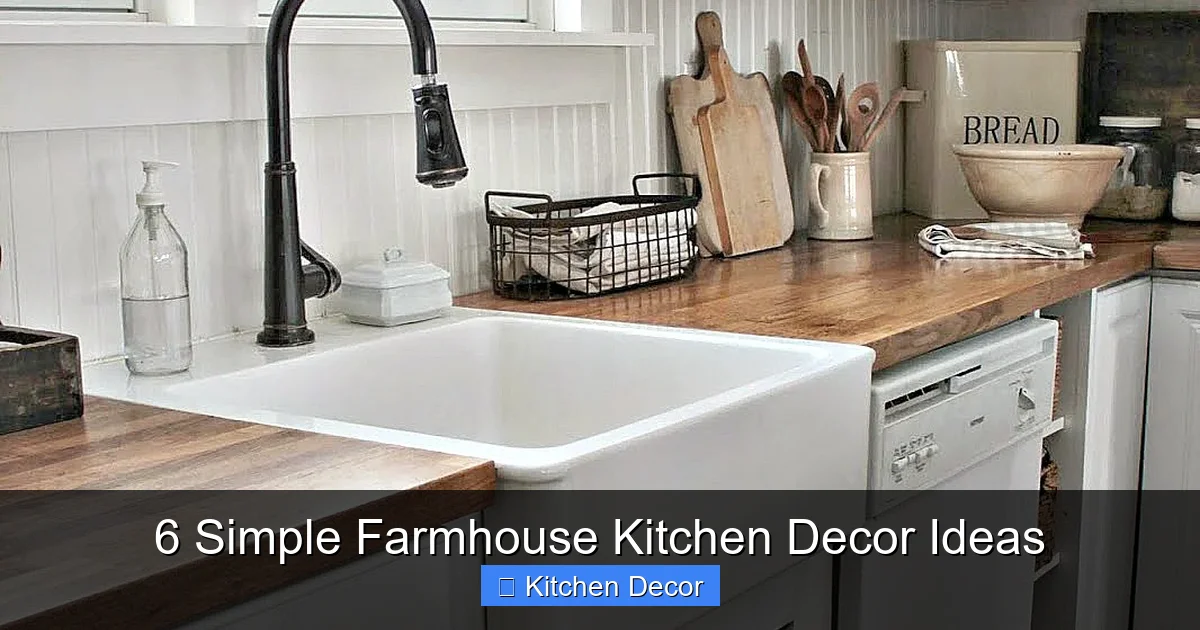
Farmhouse kitchen decor thrives on a connection to nature and honest materials. By bringing in elements like wood, linen, wicker, and stone, you instantly add warmth, texture, and a sense of grounding to your space. These materials aren’t just decorative; they often serve practical purposes, reinforcing the functional beauty of the farmhouse style.
The Power of Wood
Wood is perhaps the most essential natural material in a farmhouse kitchen. It brings unparalleled warmth and authenticity.
- Cutting Boards: A collection of wooden cutting boards in various sizes and shapes can be propped against a backsplash or stacked on a counter. They’re functional art.
- Wooden Utensils: Display wooden spoons, spatulas, and rolling pins in a ceramic crock on the countertop.
- Open Shelving and Beams: If possible, wooden open shelves or exposed wooden ceiling beams instantly elevate the farmhouse feel.
- Furniture: A rustic wooden dining table, chairs, or even a small island with a wooden top will anchor your kitchen in farmhouse style.
Softness from Linen and Cotton
Textiles add softness and coziness, making a hard-working kitchen feel more inviting.
- Tea Towels: Drape linen or cotton tea towels over oven handles or hang them on hooks. Look for simple patterns like stripes or plaids, or plain white options.
- Curtains: Opt for lightweight linen or cotton curtains in a simple style, like cafe curtains or Roman shades, to allow natural light to flow in.
- Table Linens: A simple linen tablecloth or placemats can instantly soften a dining area within the kitchen.
Woven Textures with Wicker and Rattan
These materials add an organic, slightly bohemian touch that complements farmhouse aesthetics beautifully.
- Baskets: Use wicker or rattan baskets for storage – think onions, potatoes, or neatly folded tea towels. They are practical and add visual interest.
- Light Fixtures: A pendant light with a woven shade can be a stunning focal point, casting beautiful shadows and adding texture.
- Small Furniture: A wicker stool or a small rattan tray can serve as a charming accent.
Earthy Elements: Stone and Ceramic
These materials provide a solid, timeless foundation.
- Ceramic Pottery: Display handmade pottery, ceramic crocks, or stoneware bowls. These items have an artisanal quality that fits the farmhouse look.
- Stone Countertops: If your budget allows, soapstone or a light-colored granite can provide a beautiful, durable surface that complements natural wood elements.
By consciously integrating these materials, you’ll build a rich, layered look that feels authentic and deeply comforting.
3. Choose a Neutral Color Palette with Pops of Color
Visual guide about 6 Simple Farmhouse Kitchen Decor Ideas
Image source: easydecor101.com
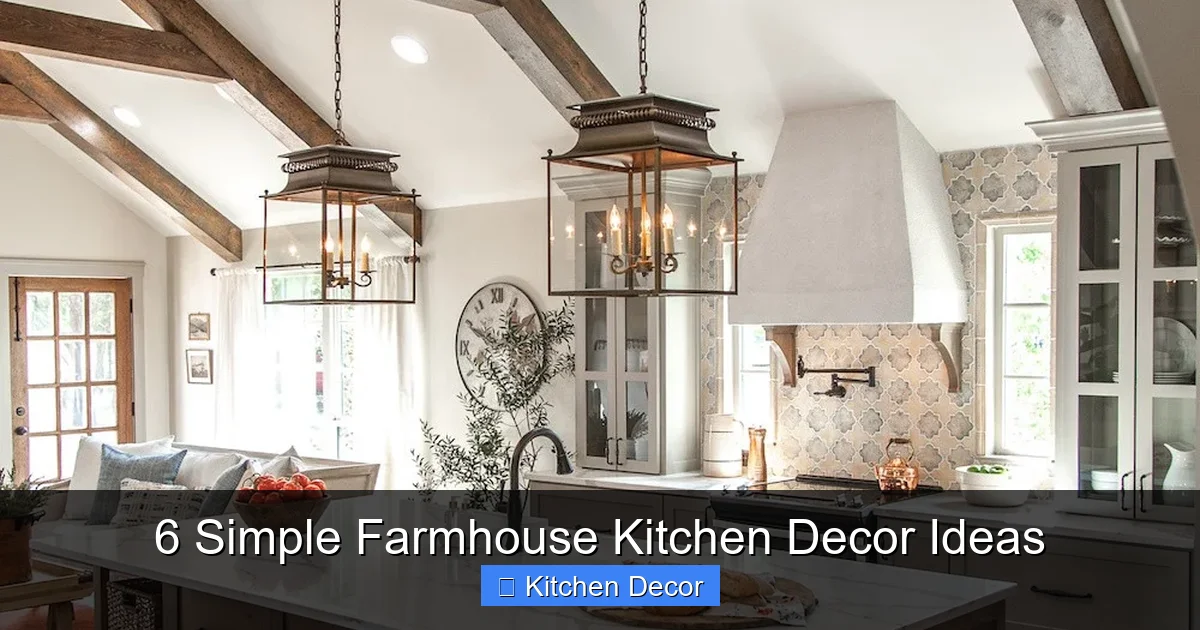
The hallmark of a serene farmhouse kitchen is its calming and cohesive color scheme. A neutral base creates a timeless backdrop, allowing textures and unique pieces to shine. However, “neutral” doesn’t mean boring! Strategic pops of color can infuse personality and vibrancy without overwhelming the peaceful aesthetic.
Building Your Neutral Foundation
Think of your neutral colors as the canvas for your farmhouse masterpiece.
- Whites and Creams: These are classic choices for walls, cabinets, and backsplashes. They reflect light, making your kitchen feel brighter and more spacious. Think “Shaker white,” “cream,” or “off-white” for a softer feel.
- Grays and Greiges: Light grays, particularly those with warm undertones (greiges), offer a sophisticated alternative to pure white. They provide depth and a contemporary edge while still feeling cozy.
- Beiges and Tans: Earthy beiges and sandy tones can create a very warm and inviting atmosphere, especially when paired with natural wood.
The key is to use different shades and tones of these neutrals to add subtle variation and interest. For example, crisp white cabinets paired with a creamy white wall and a light gray island.
Introducing Thoughtful Color Pops
Once your neutral base is established, it’s time to sprinkle in some accent colors. The goal is subtle enhancement, not bold statements.
- Sage Green: This soft, muted green evokes nature and tranquility. Use it in a few potted herbs, a patterned tea towel, or a small decorative ceramic bowl.
- Dusty Blue: A muted, vintage-inspired blue adds a touch of classic charm without being too bright. Think about a striped rug, a set of dishtowels, or a small painted sign.
- Soft Yellow: A very pale, buttery yellow can bring sunshine and warmth, especially in a kitchen that might not get a lot of natural light. Consider a few sunflowers in a vase or a small piece of pottery.
- Earthy Terracotta: For a slightly bolder, rustic touch, terracotta pots or a piece of pottery can add a lovely grounded feel.
Where to Add Your Color Accents
The beauty of these color pops is that they are easily changeable, allowing you to refresh your kitchen’s look with the seasons.
- Textiles: Tea towels, oven mitts, placemats, and small rugs are perfect for introducing color.
- Small Appliances: A retro-style toaster or stand mixer in a soft pastel shade can be a delightful accent.
- Ceramics and Pottery: A colorful pitcher, a collection of vintage bowls, or a set of patterned mugs on open shelves.
- Fresh Flowers or Produce: A vase of wildflowers or a bowl of colorful fruit (lemons, apples) provides natural, vibrant pops of color.
- Wall Art: A simple framed print or an antique sign with a touch of color can draw the eye.
By mastering the balance between a calming neutral foundation and carefully chosen pops of color, you’ll create a farmhouse kitchen that feels both sophisticated and wonderfully inviting.
4. Add Vintage and Repurposed Elements for Character
Visual guide about 6 Simple Farmhouse Kitchen Decor Ideas
Image source: bhg.com
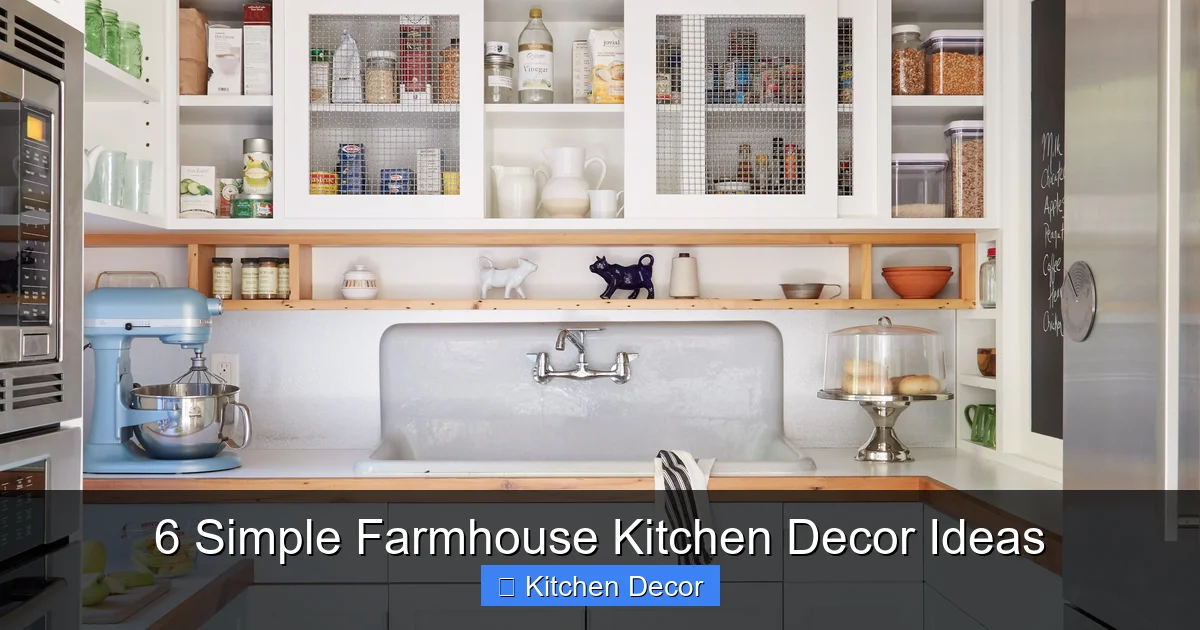
One of the most authentic ways to achieve the farmhouse kitchen aesthetic is by infusing your space with items that tell a story. Vintage and repurposed elements bring character, history, and a unique charm that cannot be replicated by mass-produced decor. This approach celebrates imperfection, sustainability, and the beauty of well-loved objects.
Hunting for Hidden Gems
The thrill of finding the perfect vintage piece is a big part of creating a farmhouse kitchen.
- Thrift Stores and Flea Markets: These are treasure troves! Look for old scales, wooden crates, ceramic crocks, enamelware, antique tools, and rustic signs. Don’t be afraid to dig.
- Antique Shops: While often pricier, antique shops can offer more curated and often better-preserved pieces. Look for wooden chairs, small side tables, or unique lighting fixtures.
- Estate Sales: These can be fantastic for finding entire collections of vintage kitchenware or furniture at reasonable prices.
- Online Marketplaces: Websites like Etsy (for handmade and vintage), Facebook Marketplace, and local online classifieds can yield great finds.
Ideas for Vintage and Repurposed Items
Once you’ve found your treasures, consider how to integrate them into your farmhouse kitchen.
- Antique Scales: A vintage kitchen scale on your counter adds instant charm. You can even place a small plant or a bowl of fruit on it.
- Wooden Crates: Stack old wooden crates for rustic storage, or use one as a shelf.
- Ceramic Crocks and Jars: Use these to hold utensils, store flour or sugar, or simply display them as decorative accents.
- Enamelware: Vintage enamel pots, colanders, and basins bring a pop of color and a touch of nostalgia.
- Old Tools: Hang antique rolling pins, breadboards, or even old farm tools on a wall for an unexpected touch of rustic art.
- Repurposed Furniture: An old dresser can become a kitchen island, or a weathered bench can provide seating in a breakfast nook. A vintage hutch can offer charming storage and display space.
- Chalkboards: An old frame repurposed into a chalkboard is perfect for grocery lists or menu planning.
Mixing Old with New
The key to a successful farmhouse kitchen is not to make it look like a museum. Blend your vintage finds with newer, simpler pieces. This creates a balanced, eclectic look that feels authentic and current. For example, pair a modern farmhouse sink with an antique wooden hutch, or display your vintage crocks on sleek, newly installed open shelving. The contrast highlights the beauty of both old and new. Don’t be afraid of imperfections – a chipped enamel bowl or a scratched wooden crate only adds to the character and authenticity of the farmhouse style.
5. Focus on Functional Decor (Beauty in Utility)
In a farmhouse kitchen, beauty often lies in utility. This style celebrates items that are both lovely to look at and highly practical. Instead of hiding everything away, the farmhouse aesthetic encourages you to display everyday items in a way that enhances the overall charm of the space. It’s about finding elegance in efficiency and appreciating the honest work of the kitchen.
Making Everyday Items Shine
Think about what you use daily and how you can make it part of your decor.
- Canisters and Jars: Store flour, sugar, coffee, or pasta in attractive ceramic, glass, or metal canisters. These look wonderful lined up on a counter or open shelf. Look for clear glass jars, white ceramic crocks, or galvanized metal options.
- Utensils in Crocks: Instead of tucking away your wooden spoons, spatulas, and whisks in a drawer, gather them in a charming ceramic crock or vintage pitcher on your countertop. This keeps them handy and adds a rustic touch.
- Cutting Boards: As mentioned before, a stack of wooden cutting boards can be leaned against a backsplash, making them easy to grab and beautiful to behold.
- Pot Racks: A hanging pot rack is the epitome of functional farmhouse decor. It frees up cabinet space and allows you to display your beautiful pots and pans. Choose one made of wrought iron, copper, or distressed wood.
- Aprons and Tea Towels: Hang a pretty linen or striped apron on a hook, or drape a neatly folded tea towel over the oven handle. They add softness and color.
Classic Farmhouse Fixtures and Furniture
Certain key pieces not only serve a purpose but also define the farmhouse aesthetic.
- Farmhouse Sink (Apron Front Sink): This iconic sink with its exposed front is a cornerstone of farmhouse kitchen design. It’s incredibly practical for washing large pots and pans, and its deep basin and classic look add significant charm.
- Butcher Block Countertops: While not purely decorative, butcher block countertops add immense warmth and a natural feel. They are functional for food prep and age beautifully, developing a rich patina over time.
- Island or Work Table: A sturdy wooden island or a vintage work table can provide additional prep space, storage, and a gathering spot. Look for one with open shelving or drawers for extra functionality.
- Tiered Trays: A two or three-tiered tray can be a fantastic functional decor piece. Use it to hold fresh fruit, small spice jars, or even coffee and tea essentials.
By intentionally choosing pieces that serve a purpose while also contributing to the visual appeal, you’ll create a farmhouse kitchen that is both effortlessly stylish and highly efficient. Every item has a reason to be there, and that authenticity is truly beautiful.
6. Bring in Greenery and Natural Light
No farmhouse kitchen is complete without the refreshing touch of nature. Greenery and ample natural light are crucial for creating a vibrant, airy, and truly inviting space. They breathe life into the room, making it feel fresh, alive, and connected to the outdoors, which is central to the farmhouse philosophy.
The Life-Giving Power of Plants
Plants instantly soften hard lines, add organic texture, and introduce natural color.
- Potted Herbs: Basil, rosemary, mint, and chives are not only beautiful but also incredibly functional. Place them on a windowsill, an open shelf, or a small stand. They add a lovely aroma too!
- Succulents: For those with less of a green thumb, succulents are low-maintenance and add a modern rustic touch. Group a few small ones in terracotta pots or a long planter.
- Trailing Plants: Plants like Pothos or English Ivy can be placed on high shelves, allowing their foliage to elegantly cascade down, adding a lush, natural feel.
- Fiddle Leaf Fig or Olive Tree: If you have floor space, a larger plant like a Fiddle Leaf Fig or a small olive tree can make a stunning statement, bringing significant natural presence.
Embrace Fresh Flowers and Branches
Beyond potted plants, cut greenery and flowers add a touch of seasonal beauty.
- Seasonal Blooms: A simple vase of fresh flowers – sunflowers in summer, tulips in spring, hydrangeas in fall – instantly brightens the room and adds a charming, rustic elegance.
- Wildflowers: Don’t underestimate the beauty of simple wildflowers or even clippings from your garden. They embody that effortless farmhouse charm.
- Eucalyptus or Greenery Branches: Even just a few branches of eucalyptus or other fresh greenery in a pitcher can add a sophisticated touch and a lovely scent.
Maximizing Natural Light
Natural light is essential for that bright, airy farmhouse feel. It makes colors pop, highlights textures, and boosts your mood.
- Minimal Window Treatments: Ditch heavy drapes. Opt for lightweight linen cafe curtains, simple Roman shades, or even go bare for maximum light. The idea is to let the sunshine in!
- Clean Windows: Regularly clean your windows to ensure no dirt or grime is blocking precious light.
- Reflective Surfaces: White or light-colored walls and cabinets reflect light, making the kitchen appear brighter and more spacious.
- Strategic Mirror Placement: If space allows, a strategically placed mirror can bounce light around the room, making it feel larger and more illuminated. Consider a distressed wooden mirror frame for a farmhouse touch.
- Keep Window Areas Clear: Avoid cluttering your windowsills with too many items. A few simple plants or a pretty vase are perfect.
By thoughtfully incorporating greenery and making the most of natural light, you’ll create a farmhouse kitchen that feels fresh, vibrant, and utterly delightful.
Common Pitfalls and How to Avoid Them
While designing your farmhouse kitchen, it’s easy to make a few common mistakes that can detract from the intended aesthetic. Here’s how to steer clear of them:
1. Over-Decorating or Cluttering
The Pitfall: The desire to incorporate many beautiful farmhouse finds can lead to a cluttered, busy space that feels overwhelming rather than cozy. Too many signs, too many small trinkets, or too much on open shelves can make a kitchen feel messy.
The Fix: Embrace the “less is more” philosophy. Curate your collection, choosing only your favorite pieces. Leave some empty space on shelves and countertops to allow items to breathe. Rotate your decor seasonally to keep things fresh without overstuffing.
2. Forgetting Functionality
The Pitfall: Focusing too much on aesthetics and overlooking the practical needs of a working kitchen. A beautiful farmhouse kitchen should still be a joy to cook and live in.
The Fix: Always consider how you use your kitchen. Ensure frequently used items are easily accessible. Choose durable, easy-to-clean surfaces. Make sure your layout supports your cooking habits. Farmhouse style is inherently practical, so let that guide your choices.
3. Being Too Matchy-Matchy
The Pitfall: Buying a “farmhouse set” that makes your kitchen look like a showroom display rather than a unique, lived-in space. True farmhouse style has an eclectic, gathered-over-time feel.
The Fix: Mix and match! Combine new pieces with vintage finds. Vary textures, wood tones, and even metal finishes (e.g., black hardware with a brass faucet). This creates depth and personality, making your kitchen feel genuinely yours.
4. Ignoring Natural Light
The Pitfall: Heavy window treatments or dark color schemes that block precious natural light, making the kitchen feel dim and closed off.
The Fix: Prioritize light and bright. Use light wall colors and simple window coverings. Keep windowsills clear. Ensure your lighting scheme (both natural and artificial) makes the space feel open and inviting.
5. Lack of Texture
The Pitfall: Relying solely on smooth, uniform surfaces without incorporating a variety of textures, which can make a space feel flat and uninteresting.
The Fix: Actively seek out texture. Introduce wooden elements, woven baskets, linen textiles, ceramic pottery, and even the rough finish of galvanized metal. These layers of texture are essential for creating the rich, inviting warmth of a farmhouse kitchen.
Conclusion
Creating a beautiful and inviting farmhouse kitchen doesn’t have to be a daunting task. By focusing on these six simple farmhouse kitchen decor ideas, you can transform your space into a comforting haven that reflects warmth, character, and timeless style. From embracing open shelving and showcasing natural materials to adding vintage treasures and inviting greenery, each step contributes to that coveted relaxed and authentic farmhouse aesthetic.
Remember, the essence of farmhouse decor lies in its simplicity, functionality, and the story it tells. Don’t be afraid to mix and match, repurpose old items, and let your personality shine through. Your kitchen is the heart of your home, and with these tips, you’re well on your way to creating a farmhouse kitchen that’s not only stunning but also a joy to live and gather in. Happy decorating!