
Transforming your bedroom into a low-waste haven doesn’t have to be daunting. This guide offers seven practical, achievable hacks to help you reduce your environmental footprint, from conscious consumption to creative repurposing. By embracing these simple changes, you can create a more sustainable, mindful, and beautiful sleep space without sacrificing style or comfort.
7 Bedroom Hacks for Low Waste Bedrooms
Are you looking to create a cozy, stylish, and environmentally friendly sanctuary? Your bedroom, often seen as a personal retreat, holds incredible potential for reducing waste and embracing a more sustainable lifestyle. It’s not just about what you throw away; it’s about the entire lifecycle of the items you choose to bring into your space. From your bedding to your decor, every decision can make a difference.
This comprehensive guide will walk you through seven practical and inspiring hacks to transform your ordinary bedroom into one of the most inviting and low waste bedrooms you can imagine. We’ll explore simple, actionable steps that empower you to minimize your environmental footprint, save money, and cultivate a space that truly reflects your values. Get ready to learn how to declutter with purpose, choose sustainable materials, embrace creativity through upcycling, and much more. Let’s make your bedroom a beacon of eco-conscious living!
Key Takeaways
- Declutter & Consume Consciously: Start by reducing what you own and only bringing new items into your low waste bedrooms when truly necessary, prioritizing pre-loved or durable goods.
- Invest in Sustainable Bedding: Choose high-quality, eco-friendly materials like organic cotton, linen, or Tencel for bedding that lasts longer and is produced with less environmental impact.
- Embrace Upcycling & DIY Decor: Give existing furniture and decor a new lease on life through creative projects, saving money and reducing demand for new products.
- Adopt Natural Cleaning Practices: Minimize chemical waste and plastic packaging by using homemade cleaning solutions and reusable tools for a healthier bedroom environment.
- Optimize Storage for Longevity: Effective organization helps prevent items from getting lost, damaged, or forgotten, reducing the need for premature replacements in your low waste bedrooms.
- Shop Secondhand & Vintage: Discover unique treasures and significantly lower your carbon footprint by choosing pre-owned furniture, decor, and textiles.
- Master Textile Repair & Repurpose: Extend the life of clothes and linens through mending, or creatively repurpose them, diverting textiles from landfills and supporting truly low waste bedrooms.
Hack 1: The Declutter & Conscious Consumption Cleanse
The first step toward any low waste endeavor, especially for low waste bedrooms, is to assess what you already have. Clutter often leads to forgetting items, buying duplicates, and generally feeling overwhelmed. A thorough declutter not only frees up space but also helps you realize what you truly need and value.
A. Inventory and Purge with Purpose
Start by taking everything out of your drawers, closets, and off your surfaces. Group similar items together. As you go through each item, ask yourself:
- Do I use this regularly?
- Does it bring me joy or serve a practical purpose?
- Do I already own something similar?
- Is it still in good condition?
Be honest with your answers. Create piles for items to keep, donate/sell, recycle, or truly discard as a last resort. For things you’re not sure about, try the “one-year rule”: if you haven’t used it in a year, it’s likely time to let it go. This process is foundational for creating low waste bedrooms.
B. Donate, Sell, or Repurpose
Once you’ve decided what to let go of, don’t just toss it!
- Donate: Good condition clothing, furniture, and decor can find new homes through local charities, thrift stores, or community groups.
- Sell: Consider online marketplaces or local consignment shops for higher-value items. This can even earn you a little extra cash.
- Repurpose: Could that old t-shirt become a cleaning rag? Can an old dresser be painted and given a new life? Creative repurposing is key to low waste bedrooms.
C. Embrace Mindful Purchasing
After your cleanse, adopt a “buy less, choose well” philosophy. Before purchasing anything new for your low waste bedrooms, ask yourself:
- Do I truly need this?
- Can I borrow, rent, or find it secondhand?
- Is it made from durable, sustainable materials?
- Will it last a long time?
- Who made it, and under what conditions?
This intentional approach drastically reduces future waste and promotes a more sustainable mindset.
Hack 2: Invest in Eco-Friendly Bedding & Linens

Visual guide about 7 Bedroom Hacks for Low Waste Bedrooms
Image source: i.pinimg.com
Your bed is the focal point of your bedroom, and your bedding choices have a significant environmental impact. Opting for sustainable materials is a powerful step towards truly low waste bedrooms.
A. Choose Sustainable Materials
Not all fabrics are created equal. When selecting bedding, prioritize these eco-friendly options:
- Organic Cotton: Grown without harmful pesticides or synthetic fertilizers, making it better for the environment and your skin. Look for GOTS (Global Organic Textile Standard) certification.
- Linen: Made from flax plants, which require less water and fewer pesticides than cotton. Linen is incredibly durable, breathable, and gets softer with every wash. It’s an investment that lasts for years.
- Tencel™ Lyocell: A branded lyocell fiber made from sustainably sourced wood pulp, using an eco-friendly closed-loop production process that recycles water and solvents. It’s exceptionally soft and temperature-regulating.
- Bamboo Lyocell: Similar to Tencel, this is a highly sustainable option when processed correctly (look for lyocell, not rayon/viscose, which involves harsher chemicals). It’s naturally hypoallergenic and very soft.
Avoid synthetic fabrics like polyester, which are derived from fossil fuels and shed microplastics.
B. Prioritize Quality and Durability
Fast fashion applies to home goods too. Cheap bedding might seem like a bargain, but it often wears out quickly, leading to more frequent replacements and more waste. Investing in high-quality, durable bedding means:
- It will last longer, reducing the need to buy new.
- It will withstand countless washes, maintaining its integrity.
- You’ll save money in the long run.
Think of your bedding as a long-term relationship, not a fleeting fling.
C. Care for Your Linens Properly
Proper care extends the life of your bedding.
- Follow washing instructions carefully.
- Use cold water and eco-friendly detergents to conserve energy and avoid harsh chemicals.
- Air-dry when possible.
- Repair small tears or loose threads promptly to prevent further damage.
These small habits contribute significantly to maintaining low waste bedrooms.
Hack 3: Embrace Upcycling & DIY Decor
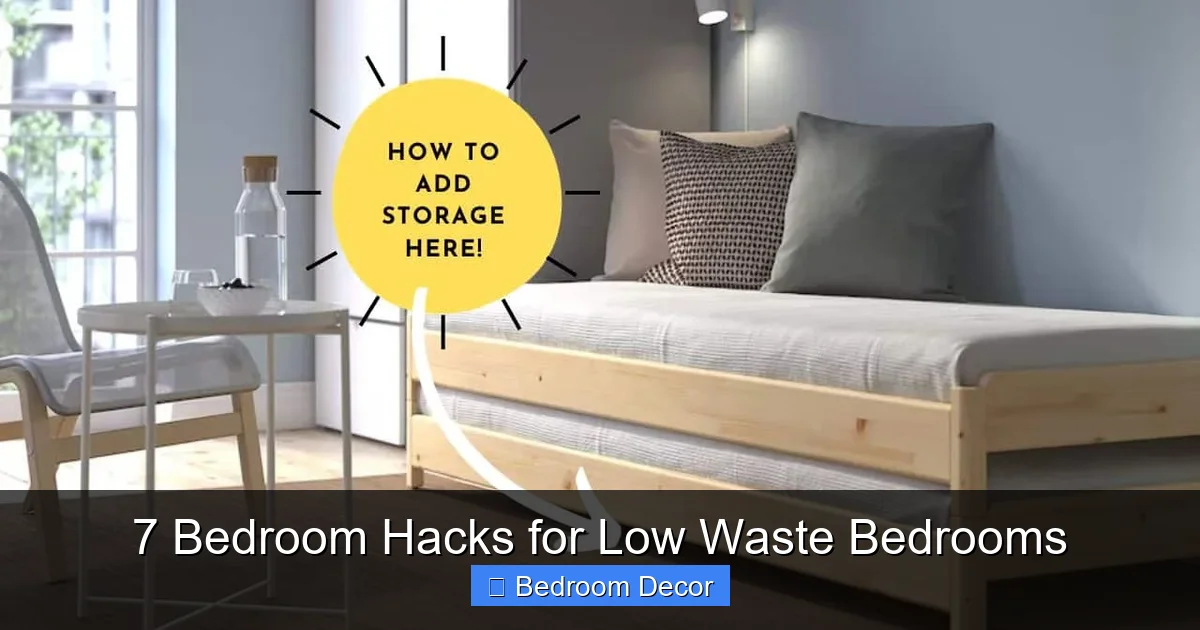
Visual guide about 7 Bedroom Hacks for Low Waste Bedrooms
Image source: ikeahackers.net
Why buy new when you can transform what you already have or find forgotten treasures? Upcycling and DIY projects are fantastic for creating unique, personalized decor while minimizing waste – perfect for low waste bedrooms.
A. Furniture Makeovers
An old dresser, bedside table, or chair doesn’t need to be discarded. With a little creativity, it can become a statement piece.
- Paint it: A fresh coat of low-VOC (Volatile Organic Compound) paint can completely change the look of a piece.
- Add new hardware: Swapping out knobs or pulls can give an old dresser a modern update.
- Reupholster: Give a tired chair new life with a durable, eco-friendly fabric.
Look for tutorials online or attend local workshops to learn new skills.
B. Creative Storage Solutions
Storage doesn’t have to be boring or brand new.
- Old crates or baskets: Paint them or line them with fabric to create stylish storage for books, blankets, or accessories.
- Glass jars: Repurpose food jars for storing small items like cotton pads, hair ties, or jewelry.
- Ladders: An old wooden ladder can be leaned against a wall to hold blankets or scarves.
These ideas not only reduce waste but also add character to your low waste bedrooms.
C. Art from ‘Waste’
Instead of buying mass-produced art, get creative with items destined for the bin.
- Pressed flowers or leaves: Frame them for beautiful, natural wall art.
- Fabric scraps: Create a patchwork quilt, pillow covers, or a wall hanging.
- Old maps or books: Frame interesting pages or use them for decoupage projects.
The possibilities are endless, and your creations will be truly unique to your low waste bedrooms.
Hack 4: Natural & Non-Toxic Cleaning Routine

Visual guide about 7 Bedroom Hacks for Low Waste Bedrooms
Image source: i.pinimg.com
Cleaning is essential, but traditional cleaning products often come in single-use plastic bottles and contain harsh chemicals that are bad for your health and the environment. Shifting to natural and non-toxic cleaning is vital for low waste bedrooms.
A. DIY Cleaning Solutions
You can make most of your cleaning products with simple, inexpensive, and eco-friendly ingredients.
- All-purpose cleaner: Mix equal parts white vinegar and water, add a few drops of essential oil (like tea tree or lemon for scent and antibacterial properties). Use it to wipe down surfaces, windows, and floors.
- Dusting spray: Mix 1 cup water, 1/4 cup white vinegar, 2 tablespoons olive oil, and 10-15 drops essential oil. This cleans and polishes wood surfaces.
- Baking soda: A natural deodorizer and gentle abrasive. Sprinkle on carpets before vacuuming to refresh, or use with a damp cloth to scrub surfaces.
Store these in reusable glass spray bottles to eliminate plastic waste.
B. Reusable Cleaning Tools
Replace disposable wipes and paper towels with reusable alternatives.
- Microfiber cloths: Durable and highly effective for dusting and wiping.
- Old t-shirts or towels: Cut them into rags for cleaning.
- Reusable duster: Look for dusters with washable heads.
These choices significantly cut down on waste, making them perfect for low waste bedrooms.
C. Air Purifying Plants
Beyond cleaning surfaces, consider purifying your air naturally. Certain houseplants are excellent at filtering toxins from the air.
- Snake plants
- Spider plants
- Peace lilies
- ZZ plants
They not only improve air quality but also add a touch of natural beauty to your low waste bedrooms.
Hack 5: Optimize Storage for Longevity
Good organization isn’t just about aesthetics; it’s a practical hack for low waste bedrooms. When items are organized and easily accessible, they are less likely to be forgotten, damaged, or duplicated, thereby extending their lifespan.
A. Utilize Vertical Space
Your walls and closet doors offer valuable storage opportunities.
- Shelving units: Install shelves for books, decorative items, or storage baskets.
- Over-the-door organizers: Perfect for shoes, accessories, or even small towels.
- Wall-mounted hooks: Hang robes, bags, or jewelry to keep them off surfaces and prevent clutter.
Maximizing vertical space keeps your floor clear and makes finding things much easier.
B. Implement Drawer Dividers and Baskets
Drawers can quickly become a chaotic mess.
- Drawer dividers: Keep socks, underwear, and other small clothing items neatly separated.
- Fabric bins or baskets: Use these inside drawers or on shelves to contain smaller items like scarves, ties, or electronics.
When everything has its designated spot, you’re less likely to lose items or buy replacements needlessly.
C. Smart Under-Bed Storage
The space under your bed is prime real estate for seasonal items, extra linens, or rarely used possessions.
- Under-bed storage bins: Choose sturdy, long-lasting bins, preferably made from recycled content or natural fibers. Look for ones with lids to keep dust out.
- Fabric storage bags: Ideal for storing seasonal clothes or spare blankets, allowing them to breathe.
Effective storage ensures that every item has a home, preventing clutter and promoting low waste bedrooms.
Hack 6: Shop Secondhand & Vintage Smartly
One of the most impactful ways to create low waste bedrooms is to embrace the beauty and sustainability of secondhand and vintage items. Every item bought pre-loved is one less new item produced, saving resources and reducing carbon emissions.
A. Thrifting Furniture Finds
Don’t dismiss the potential of used furniture.
- Dressers and nightstands: Often found in solid wood, these can be incredibly durable and easily refinished (see Hack 3).
- Chairs and benches: Perfect for adding a seating area or a decorative touch.
- Bed frames: Sometimes you can find sturdy metal or wooden frames that just need a good clean.
Always inspect items carefully for structural integrity and pests before purchasing.
B. Decor Gems and Unique Accessories
Secondhand shops, antique stores, and online marketplaces are treasure troves for unique decor that adds character to your low waste bedrooms.
- Vases and planters: Find distinctive pieces for your plants or flowers.
- Mirrors and frames: Often cheaper and more unique than new ones, these can be painted or left as is for a vintage look.
- Lamps and light fixtures: A vintage lamp can add a touch of retro charm. Just ensure the wiring is safe or easily replaceable.
These items tell a story and add soul to your space.
C. Textile Treasures (Proceed with Caution)
While you might want to be more selective with secondhand textiles, there are still great finds.
- Curtains: Often available in good condition and can be altered to fit your windows.
- Throw blankets and pillows: Look for natural fibers like wool or cotton. Ensure they are clean and well-maintained. Always wash them thoroughly before use.
- Rugs: Smaller rugs can be great finds, especially natural fiber ones. Deep clean them before bringing them into your home.
Shopping secondhand requires patience and a keen eye, but the rewards for your low waste bedrooms are immense.
Hack 7: Master Textile Repair & Repurpose
Textile waste is a huge global problem. Our fast-fashion culture encourages us to discard clothes and linens at the slightest sign of wear. Breaking this cycle is essential for truly low waste bedrooms.
A. The Art of Mending
Don’t let a small tear or a loose button be the end of an item’s life.
- Basic sewing skills: Learn how to sew on a button, mend a small tear, or fix a hem. There are countless free tutorials online.
- Visible mending: Embrace the repair! Sometimes, a colorful patch or contrasting thread can turn a flaw into a unique design feature. This celebrates the longevity of an item.
- Shoe and bag repair: Don’t forget that many cobblers can repair shoes and bags, extending their life significantly.
This simple act of repair is a rebellion against disposability.
B. Creative Repurposing for Beyond the Wardrobe
When an item is truly beyond repair as clothing or bedding, give it a new purpose.
- Cleaning rags: Old t-shirts, towels, or sheets can be cut into absorbent cleaning rags (see Hack 4).
- Craft projects: Fabric scraps can be used for quilting, patchwork, making pet toys, or stuffing cushions.
- Dust cloths: Soft, worn-out fabrics are perfect for dusting delicate surfaces.
Every piece of fabric diverted from the landfill contributes to low waste bedrooms.
C. Responsible Disposal for End-of-Life Textiles
If an item truly cannot be repaired, repurposed, or donated in its current state, look for textile recycling programs. Many communities and clothing brands now offer drop-off points for textiles, which can be broken down and turned into new fibers, insulation, or other products. Avoid throwing textiles directly into the trash, as they often end up in landfills where they can take hundreds of years to decompose, releasing methane gas.
Conclusion
Transforming your bedroom into a low-waste sanctuary is a journey, not a destination. By implementing these seven practical hacks, you’re not just decluttering or redecorating; you’re making a conscious choice to live more sustainably and mindfully. From embracing second-hand treasures to investing in durable, eco-friendly materials and mastering the art of repair, each step contributes to a healthier planet and a more serene, intentional living space.
Remember, every small change adds up. Your low waste bedrooms will not only look beautiful but will also reflect your commitment to a more sustainable future. Start today, and enjoy the peace of mind that comes with making responsible choices for your home and the environment.