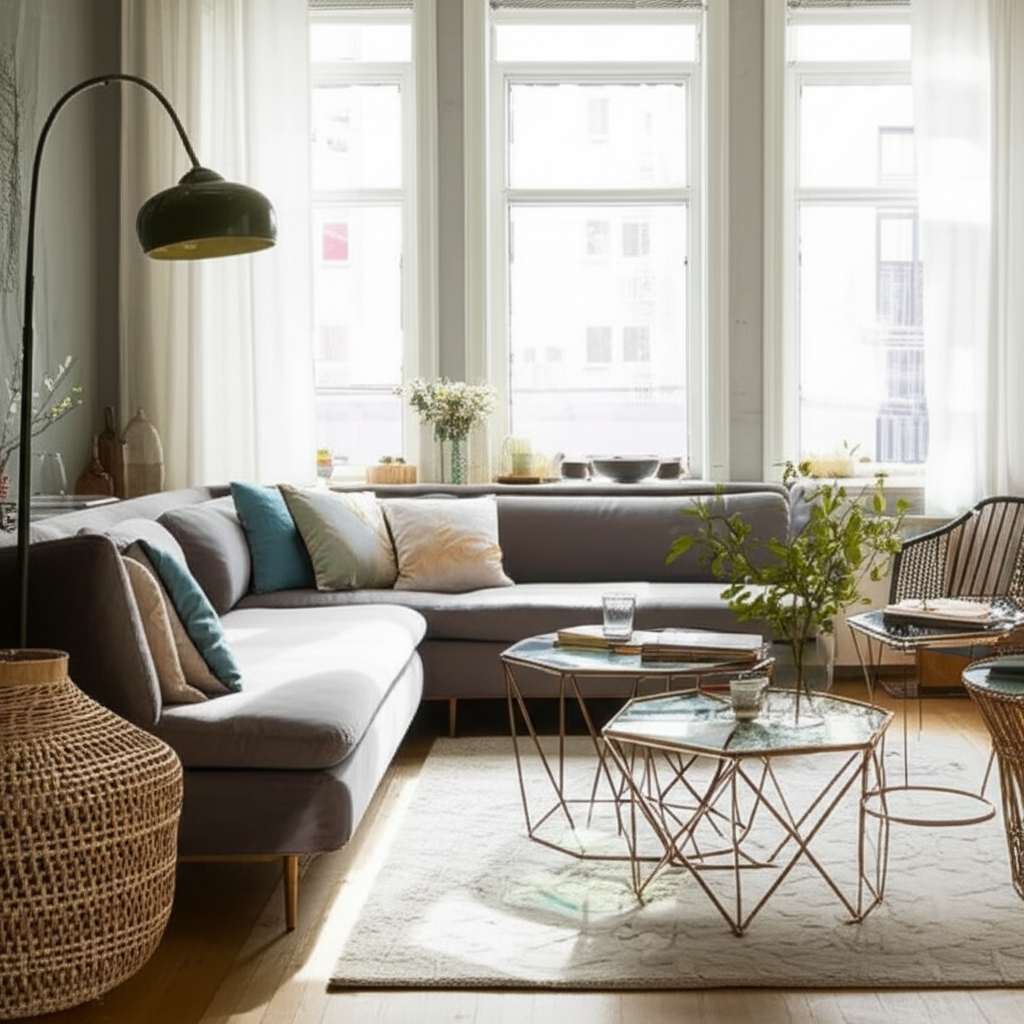
Transform your small living room with these 7 smart decor ideas to maximize space, enhance style, and create a cozy, inviting atmosphere. Perfect for beginners, these tips offer practical, budget-friendly solutions for making any small space feel larger and more functional.
Feeling a bit cramped in your living room? You’re not alone! Many of us dream of spacious, stylish living areas, but reality often means working with smaller dimensions. It can feel a little frustrating when you want to create a beautiful, functional space but feel limited by square footage.
But don’t worry! Decorating a small living room doesn’t have to be a headache. With a few clever tricks and thoughtful choices, you can make your cozy space feel open, inviting, and totally you.
This guide is packed with simple, actionable ideas to help you unlock the full potential of your small living room. Get ready to fall in love with your space all over again!
7 Best Small Living Room Decor Ideas for a Stylish & Spacious Feel
Let’s dive into some fantastic ideas that will make your small living room a place you love to relax and entertain in. These tips are designed to be easy to implement, budget-friendly, and incredibly effective.
1. Embrace Light and Bright Colors
Color plays a huge role in how we perceive space. Lighter, cooler colors tend to recede, making walls appear further away and the room feel larger. Think soft whites, pale blues, gentle grays, and muted greens.
Walls: Opt for a light, neutral paint color. This creates a seamless backdrop that doesn’t visually chop up the room.
Ceiling: Painting your ceiling a shade lighter than the walls, or even a crisp white, can draw the eye upward, creating a sense of height.
Accents: While light colors dominate, don’t be afraid of pops of color! Use them in your decor like throw pillows, artwork, or a rug. Just keep the overall palette light and airy.
This approach is one of the most impactful and budget-friendly ways to make a small living room feel more expansive. It’s a classic design principle for a reason!
2. Maximize Natural Light
The more natural light you can let in, the bigger and more welcoming your living room will feel. Natural light is your best friend when it comes to making a small space shine.
Window Treatments: Ditch heavy, dark curtains. Opt for lightweight, sheer fabrics, blinds, or shades that can be easily opened fully. If you need privacy, consider top-down/bottom-up shades.
Mirror Magic: Strategically placed mirrors are a game-changer. Hang a large mirror opposite a window to reflect light and the view, instantly doubling the perceived space.
Keep it Clear: Avoid cluttering window areas with too much furniture or decor. Let those windows breathe and invite the outdoors in.
A well-lit room simply feels more open and less confined. It’s amazing what a difference sunlight can make!
3. Smart Furniture Choices: Scale and Functionality
Choosing the right furniture is crucial. Oversized, bulky pieces will swallow up your space, making it feel cluttered and cramped. Focus on furniture that is proportionate to the room and offers smart functionality.
Proportion is Key: Select furniture that is scaled down. Look for sofas with slimmer arms, accent chairs with open legs (which create visual space underneath), and coffee tables that aren’t too massive.
Multi-functional Pieces: Invest in furniture that serves more than one purpose. A storage ottoman can double as a coffee table and provide a place to stash blankets or magazines. A sofa bed is perfect for guests.
Leggy Furniture: Furniture raised on legs creates a sense of openness because you can see the floor underneath. This visual trick makes the room feel less heavy.
Consider a Loveseat: Instead of a full-sized sofa, a stylish loveseat might be all you need and will free up valuable floor space.
When shopping, measure your space carefully and bring those measurements with you. It’s easy to fall in love with a piece that looks great in a showroom but is too big for your home.
4. Vertical Space is Your Friend: Think Up!
When floor space is limited, look to the walls and ceiling for storage and decorative opportunities. Utilizing vertical space can draw the eye upward and make the room feel much larger.
Shelving: Install floating shelves or tall, narrow bookshelves. They offer storage and display space without taking up much visual or physical room.
Wall-Mounted Everything: Consider wall-mounted TVs, lighting, and even side tables. This frees up precious floor space.
Artwork Placement: Hang artwork slightly higher than you might normally. This can subtly encourage your gaze to travel upwards.
Tall Plants: Introduce tall, slender plants that add a touch of greenery and draw the eye vertically.
Think of your walls not just as barriers, but as opportunities to add storage and style. For more space-saving inspiration, check out these 10 Cozy Small Kitchen Ideas that apply similar principles to compact spaces.
5. Create Zones with Rugs and Furniture Arrangement
Even in a small living room, you can create distinct areas for different activities, like a seating area and perhaps a small reading nook. This makes the space feel more organized and intentional.
Define with Rugs: A well-placed rug can anchor your seating area and visually separate it from other parts of the room. Make sure the rug is large enough to fit under the front legs of your main furniture pieces.
Furniture Placement: Avoid pushing all furniture against the walls. Pulling your sofa and chairs slightly away from the walls can actually make the room feel larger. Create a conversational grouping in the center.
Floating Furniture: Arrange furniture to create a central focal point. This could be a fireplace, a window with a view, or even a piece of art.
Consider an L-Shaped Sofa: If your layout allows, an L-shaped sofa can be a great way to maximize seating without taking up excessive width.
Experiment with different arrangements. Sometimes, just moving a chair can make a big difference in how the room flows.
6. Strategic Lighting: Layer Your Light Sources
Good lighting is essential for making any room feel inviting, and it’s especially important in smaller spaces. Relying on a single overhead light can make a room feel flat and uninviting.
Ambient Lighting: This is your general, overall light. An attractive ceiling fixture or recessed lighting can provide this.
Task Lighting: Think about where you’ll need light for specific activities, like reading. Floor lamps and table lamps are perfect for this. Position them strategically next to seating areas.
Accent Lighting: Use this to highlight artwork or architectural features. Small picture lights or uplighting can add depth and interest.
Dimmer Switches: Installing dimmer switches allows you to control the mood and intensity of your lighting, making the space adaptable for different times of day and activities.
The interplay of different light sources can create warmth and dimension, making your small living room feel cozy and sophisticated.
7. Declutter and Organize Ruthlessly
This is arguably the most important tip for any small space. Clutter is the enemy of spaciousness. A tidy room instantly feels larger and more peaceful.
Everything Needs a Home: Designate a specific place for everything you own. This makes tidying up quick and easy.
Storage Solutions: Invest in stylish storage. Baskets, decorative boxes, and ottomans with hidden storage are your best friends.
Edit Your Belongings: Regularly go through your items and donate or discard anything you no longer need or love. Less is truly more in a small living room.
Clear Surfaces: Keep coffee tables, side tables, and mantels as clear as possible. A few well-chosen decorative items are better than a crowded surface.
A clean, organized space not only looks better but also feels calmer and more relaxing. It’s the foundation of good design in any size room. For clever storage solutions that work in tight spaces, explore these 10 Stylish Kitchen Storage Accessories with ideas adaptable to living areas.
Choosing the Right Furniture Scale: A Quick Guide
Selecting furniture that fits your space is critical. Here’s a simple breakdown to help you visualize what works best for small living rooms:
| Furniture Type | Ideal for Small Living Rooms | Tips for Choosing |
|---|---|---|
| Sofa | Loveseat, apartment-sized sofa, sofa with slim arms and exposed legs. | Measure your doorway and the room. Look for sofas with a depth of around 30-36 inches and a length that fits comfortably without overwhelming the space. |
| Chairs | Accent chairs with open legs, slipper chairs, armless chairs. | Ensure they are not too wide and allow for easy passage around them. Chairs with visually light designs (e.g., cane, thin metal frames) are great. |
| Coffee Table | Round or oval tables, nesting tables, glass-top tables, storage ottomans. | Aim for a table that is roughly two-thirds the length of your sofa. Avoid sharp corners if possible. Ensure there’s enough space to walk around it (at least 18 inches). |
| Side Tables | C-tables, nesting tables, small round tables. | Choose tables that are proportionate to your sofa or chair height. C-tables can slide under furniture, saving space. |
Remember, it’s better to have slightly less furniture that fits well than too much furniture that crowds your room.
Frequently Asked Questions about Small Living Room Decor
Here are some common questions beginners have about decorating a small living room:
Q1: How can I make my small living room look bigger without spending a lot of money?
A1: Focus on light colors for walls and decor, maximize natural light by using sheer curtains, and strategically place mirrors. Decluttering is also free and makes a huge difference!
Q2: What kind of sofa is best for a small living room?
A2: A loveseat or an apartment-sized sofa with slim arms and exposed legs is ideal. Furniture with visible legs creates a sense of openness. Consider a sofa with built-in storage for added functionality.
Q3: Should I use a large rug or small rugs in a small living room?
A3: Generally, one larger rug that anchors your main seating area is more effective than multiple small rugs. It creates a cohesive look and can make the room feel more expansive. Ensure it’s big enough for the front legs of your sofa and chairs to sit on.
Q4: How can I add personality to a small living room without making it look cluttered?
A4: Use statement pieces like a bold piece of art or a unique accent chair. Incorporate personality through curated decorative items, throw pillows, and blankets. Keep surfaces clear and organized to prevent visual clutter.
Q5: Is it okay to use dark colors in a small living room?
A5: While light colors are generally recommended, you can use dark colors strategically. Consider a dark accent wall behind a sofa or use dark colors in accessories like cushions or artwork. Balance them with plenty of light colors and good lighting to avoid making the room feel smaller.
Q6: What are some good storage ideas for a small living room?
A6: Utilize vertical space with wall shelves and tall bookcases. Opt for furniture with built-in storage, such as ottomans or coffee tables with drawers. Baskets and decorative boxes are also great for corralling smaller items. For more compact storage inspiration, see these 9 Chic Kitchen Accessories that double as clever space-savers.
Q7: How important is furniture arrangement in a small living room?
A7: Extremely important! Avoid pushing all furniture against the walls. Creating a conversational grouping slightly away from the walls can actually make the room feel more open and inviting. Ensure there’s a clear flow of movement through the space.
Conclusion
Decorating a small living room doesn’t have to be daunting. By focusing on smart choices like maximizing light, using appropriate furniture scales, thinking vertically, and keeping things organized, you can create a space that feels both stylish and spacious.
Remember, these ideas are meant to inspire and empower you. Don’t be afraid to experiment and find what works best for your unique space and personal style. Whether you’re a student in a dorm, a renter in a city apartment, or a homeowner looking to maximize your space, these principles can help you create a living room you’ll adore.
So go ahead, embrace the challenge, and transform your small living room into a cozy, functional, and beautiful sanctuary. Happy decorating!