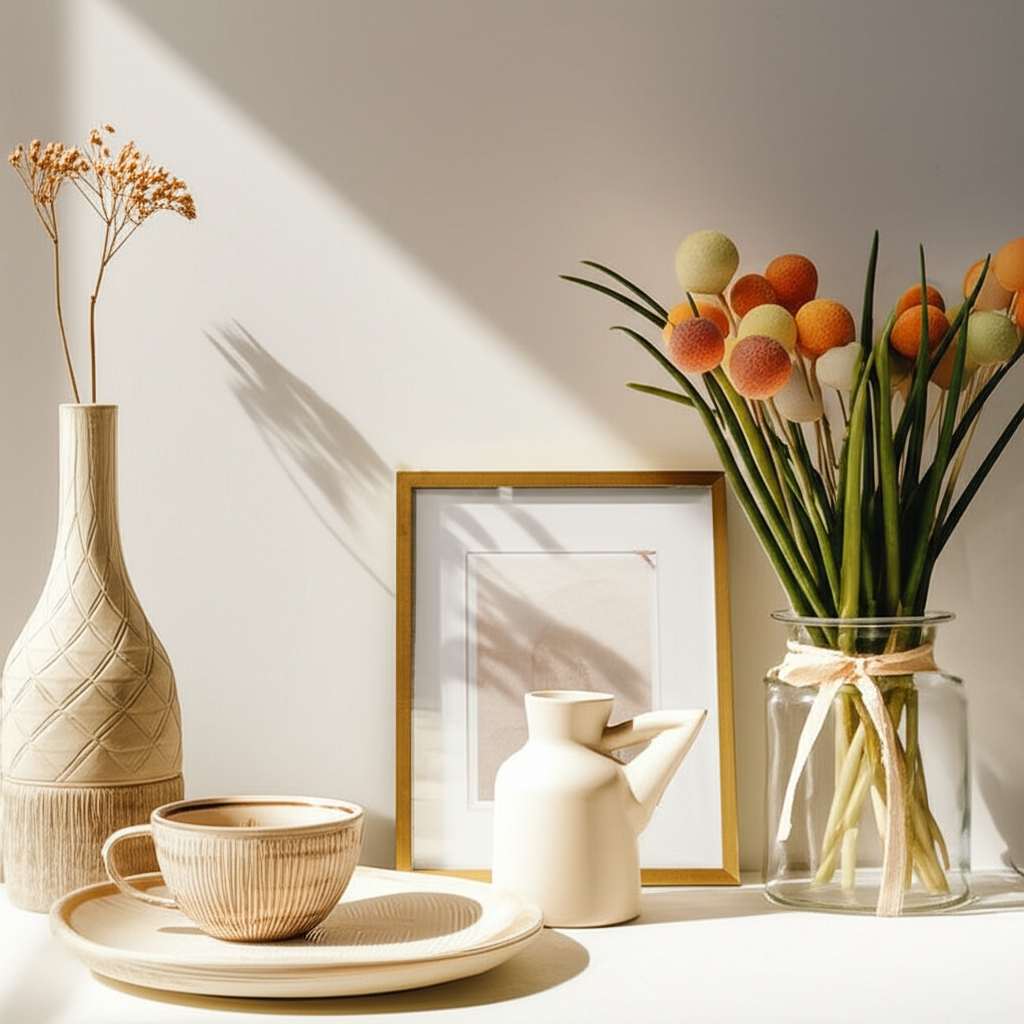
Create a serene and stylish space without breaking the bank with these 7 minimalist room decor ideas and budget-friendly finds. Achieve a clutter-free, chic home that reflects your personality with simple, affordable solutions perfect for any beginner.
Feeling overwhelmed by decorating your space? It’s easy to get lost in endless choices and Pinterest boards that seem impossible to recreate on a budget. Many of us dream of a calm, organized home, but the thought of expensive furniture and complex styling can feel daunting.
Don’t worry! Creating a beautiful, minimalist haven is more achievable than you think. You don’t need a huge budget or years of design experience to make your rooms feel intentional and stylish.
This guide will walk you through seven simple, budget-friendly minimalist decor ideas. We’ll focus on smart choices and essential finds that will transform your space without the stress. Let’s get started on creating a home you love!
Why Minimalism?
Minimalism in interior design isn’t about living with nothing; it’s about living with intention. It’s about surrounding yourself with things you love and that serve a purpose, creating a calm and organized environment. This approach is perfect for beginners because it simplifies decision-making and reduces clutter, making spaces feel larger and more peaceful.
A minimalist aesthetic often focuses on clean lines, functional furniture, and a neutral color palette. This creates a serene backdrop that highlights carefully chosen decorative elements. The beauty of minimalism lies in its simplicity and its ability to make any space feel more open and inviting.
For those on a budget, minimalism is a dream come true. It encourages thoughtful purchasing, focusing on quality over quantity and timeless pieces that won’t go out of style. This means fewer impulse buys and more intentional, cost-effective decorating. If you’re looking to extend these principles into the heart of your home, explore our guide on 10 Minimal Decor Ideas For Kitchens for a cohesive look throughout.
7 Minimalist Room Decor Ideas on a Budget
Let’s dive into some practical and affordable ways to bring minimalist charm into your home. These ideas focus on maximizing impact with minimal spending.
1. Embrace the Power of a Neutral Palette
A neutral color scheme is the cornerstone of minimalist design. Think whites, creams, grays, beiges, and soft earthy tones. These colors create a sense of calm, spaciousness, and sophistication. They also act as a perfect canvas for pops of color or texture you might want to introduce later.
The best part? Achieving a neutral palette is incredibly budget-friendly. You can often find affordable paint options in these versatile shades. Consider painting one accent wall in a soft gray or beige to start. Even changing out smaller textiles like throw pillow covers or curtains to neutral tones can make a big difference without a significant investment.
Budget Finds for a Neutral Palette:
- Affordable Paint: Look for paint brands offering value lines. Many offer a wide range of neutral shades that are just as high-quality as their premium counterparts. Check out resources like EPA’s guidance on reducing lead paint hazards for safe painting practices.
- Textiles: Search discount home stores or online marketplaces for neutral-colored curtains, rugs, and throw pillow covers. Look for natural fabrics like cotton or linen blends for a more sophisticated feel.
- Thrift Stores: You can often find affordable neutral vases, picture frames, and decorative objects at thrift stores.
2. Declutter Ruthlessly: The Foundation of Minimalism
Before you buy a single new decor item, the most important (and cheapest!) minimalist step is to declutter. A minimalist room is a tidy room. Go through your belongings with a critical eye and decide what you truly need, use, and love. Less stuff equals a more peaceful and spacious environment.
Start small. Tackle one drawer, one shelf, or one corner at a time. Create piles for “keep,” “donate/sell,” and “discard.” This process not only declutters your space but also helps you become more mindful of your purchases going forward.
Decluttering Strategy:
- The One-Year Rule: If you haven’t used an item in a year, consider letting it go.
- “Does it Spark Joy?”: Inspired by Marie Kondo, ask yourself if an item brings you happiness or serves a real purpose.
- Organize as You Go: Invest in simple, affordable storage solutions like baskets or bins to keep your remaining items neatly organized.
3. Smart Furniture Choices: Less is More
In minimalist design, every piece of furniture should be functional and contribute to the overall aesthetic. Opt for pieces with clean lines, simple silhouettes, and multi-functional capabilities. Avoid bulky, ornate furniture that can make a space feel crowded.
When shopping on a budget, think about second-hand options or investing in versatile pieces. A good quality sofa in a neutral color can be a long-term investment. For smaller items, focus on smart storage solutions that double as decor.
Budget-Friendly Furniture Tips:
- Second-Hand Treasures: Explore Facebook Marketplace, Craigslist, or local thrift stores for quality furniture at a fraction of the price. Look for solid wood pieces that can be easily refinished.
- Multi-Functional Pieces: Consider an ottoman with storage, a coffee table that lifts to become a desk, or a sofa bed for guest rooms.
- DIY Upgrades: Sometimes, a fresh coat of paint or new hardware can completely transform an older piece of furniture.
4. Strategic Use of Natural Light
Maximizing natural light is a key minimalist principle that costs nothing but has a huge impact. Bright, airy rooms feel larger, more welcoming, and more serene. Keep window treatments simple and light to allow as much sunlight as possible to enter.
Sheer curtains in neutral colors are excellent for diffusing light while maintaining privacy. Avoid heavy, dark drapes that can block light and make a room feel smaller. Ensure your windows are clean, and consider placing mirrors strategically to reflect light and create the illusion of more space.
Tips for Enhancing Natural Light:
- Lightweight Curtains: Opt for sheer or semi-sheer fabrics in white, cream, or light gray.
- Mirrors: Place a large mirror opposite a window to bounce light around the room.
- Declutter Window Areas: Ensure nothing is blocking your windows, like piles of items or bulky furniture.
5. Incorporate Texture for Warmth
While minimalism often features a neutral palette, it doesn’t have to feel sterile. Adding texture is crucial for creating a warm and inviting atmosphere. Think about different materials that add visual and tactile interest without adding clutter.
This could be a chunky knit throw blanket, a woven jute rug, a ceramic vase, or wooden accents. These elements add depth and personality to a room, making it feel cozy and lived-in, even with a simple color scheme. For inspiration on bringing natural elements indoors, check out our post on 8 Kitchen Plant Decor Ideas—many of these concepts translate beautifully to living spaces.
Budget-Friendly Textural Elements:
- Throw Blankets: Look for affordable knit or faux fur throws at discount stores.
- Rugs: Jute, sisal, or simple woven cotton rugs are budget-friendly and add natural texture.
- Decorative Objects: Seek out wooden bowls, ceramic pieces, or woven baskets at thrift stores or affordable home goods retailers.
- Plants: Live plants add life, color, and texture. Choose low-maintenance options like snake plants or ZZ plants.
6. Curate Your Wall Art: Less is More Impactful
In a minimalist space, wall art should be intentional and impactful. Instead of filling walls with many small pieces, opt for one or two larger, thoughtfully chosen pieces. This creates a focal point and avoids a cluttered look.
This doesn’t mean you need expensive art. You can create your own stunning minimalist art on a budget. Think about framing beautiful fabric scraps, pressed leaves, or even simple black and white photography. Affordable prints from online marketplaces or DIY abstract paintings can also work beautifully.
Affordable Wall Art Ideas:
- DIY Abstract Art: Purchase a blank canvas and a few tubes of minimalist-colored acrylic paint (black, white, gray, beige) and create your own abstract piece.
- Framed Prints: Look for affordable art prints on Etsy or other online retailers. You can often find beautiful minimalist designs.
- Personal Photos: Print high-quality black and white photos of nature, abstract patterns, or your favorite landscapes. Frame them simply.
- Thrifted Frames: Find inexpensive frames at thrift stores and spray paint them a uniform color (black, white, or gold) for a cohesive look.
7. Smart Storage Solutions: Hide the Clutter
Minimalism thrives on order, and smart storage is your best friend. The goal is to keep everyday items neatly tucked away, maintaining a clean and uncluttered visual space. This doesn’t mean you need elaborate built-ins; simple, affordable solutions can be just as effective.
Think about baskets, bins, and furniture with integrated storage. When items are organized, your room instantly looks more peaceful and intentional. This is especially important for small spaces where clutter can quickly take over. For more clever storage hacks, especially in compact areas, see our roundup of 10 Stylish Kitchen Storage Accessories—many ideas are adaptable to any room.
Budget-Friendly Storage Solutions:
- Woven Baskets: These are stylish, affordable, and great for storing blankets, magazines, or toys.
- Storage Ottomans: A dual-purpose piece that provides seating and hidden storage.
- Drawer Organizers: Keep essentials tidy within drawers and cabinets.
- Floating Shelves: Create vertical storage without taking up floor space. They also act as display areas for a few curated items. Consider resources from the Federal Trade Commission on making informed furniture purchases.
Creating Your Minimalist Mood Board (Budget Edition)
To help you visualize your minimalist space, let’s put together a quick comparison of budget-friendly options for key decor elements.
| Decor Element | Minimalist Goal | Budget-Friendly Finds | Estimated Cost Range (USD) |
|---|---|---|---|
| Wall Color | Neutral, calming palette | Standard interior paint (e.g., Behr, Sherwin-Williams value lines), DIY stencil patterns | $30 – $70 per gallon |
| Area Rug | Adds texture/color, defines space | Jute rug, flat-weave cotton rug, discount store find | $50 – $200 (depending on size) |
| Throw Pillows | Adds texture, subtle color | Solid color or subtly textured covers, DIY pillow covers from fabric scraps | $10 – $30 each |
| Wall Art | Focal point, personal expression | DIY abstract canvas, framed black & white photos, affordable online prints | $20 – $100 per piece (including frame) |
| Storage Baskets | Tidy and organized | Woven baskets, fabric bins, thrift store finds | $15 – $40 each |
| Accent Chair | Functional, simple design | Second-hand armchair, simple modern chair from online retailers | $75 – $250 |
Frequently Asked Questions About Minimalist Decor on a Budget
Q1: What is the most important first step for minimalist decor on a budget?
A1: The most crucial and cost-free first step is decluttering. Removing unnecessary items creates space and clarity, allowing you to see what you truly need and want for your decor.
Q2: Where can I find affordable minimalist furniture?
A2: Great places include second-hand stores, online marketplaces like Facebook Marketplace or Craigslist, and even IKEA for its simple, modern designs. Don’t forget to look for pieces that can be easily updated with paint or new hardware.
Q3: How can I add warmth to a minimalist room without adding clutter?
A3: Focus on texture! Introduce elements like a soft throw blanket, a woven rug, wooden accents, or plants. These add visual and tactile interest that makes a space feel cozy and inviting.
Q4: Is it okay to have color in a minimalist room?
A4: Absolutely! While minimalism often uses neutrals, color can be used intentionally. Think of a single accent wall, a few colorful throw pillows, or a piece of art that introduces a pop of your favorite hue.
Q5: How can I make my small space feel bigger with minimalist decor?
A5: Maximize natural light, use a neutral color palette, opt for furniture with clean lines and legs (to create a sense of openness), and use mirrors to reflect light and space. Decluttering is also key to making any space feel larger.
Q6: What are some easy DIY minimalist decor projects?
A6: Painting a canvas with abstract shapes, creating minimalist wall art from found objects (like pressed leaves), spray-painting thrift store frames, or even updating old furniture with a fresh coat of paint are all great DIY options.
Q7: How do I avoid buying too much “stuff” when trying to decorate?
A7: Practice mindful shopping. Before buying anything, ask yourself if it truly serves a purpose, if you love it, and if it fits your minimalist vision. Create a shopping list and stick to it. Focus on quality over quantity.
Conclusion
Transforming your space into a minimalist sanctuary on a budget is entirely achievable. By focusing on decluttering, embracing a neutral palette, choosing functional furniture, maximizing natural light, and adding texture thoughtfully, you can create a calm, stylish, and intentional home.
Remember, minimalism is a journey, not a destination. It’s about creating a space that supports your well-being and reflects your personal style without unnecessary stress or expense. These budget-friendly ideas are your stepping stones to a more peaceful and beautiful living environment.
Start small, enjoy the process, and celebrate each step you take towards a more minimalist and mindful home. Your beautifully organized and serene space awaits!