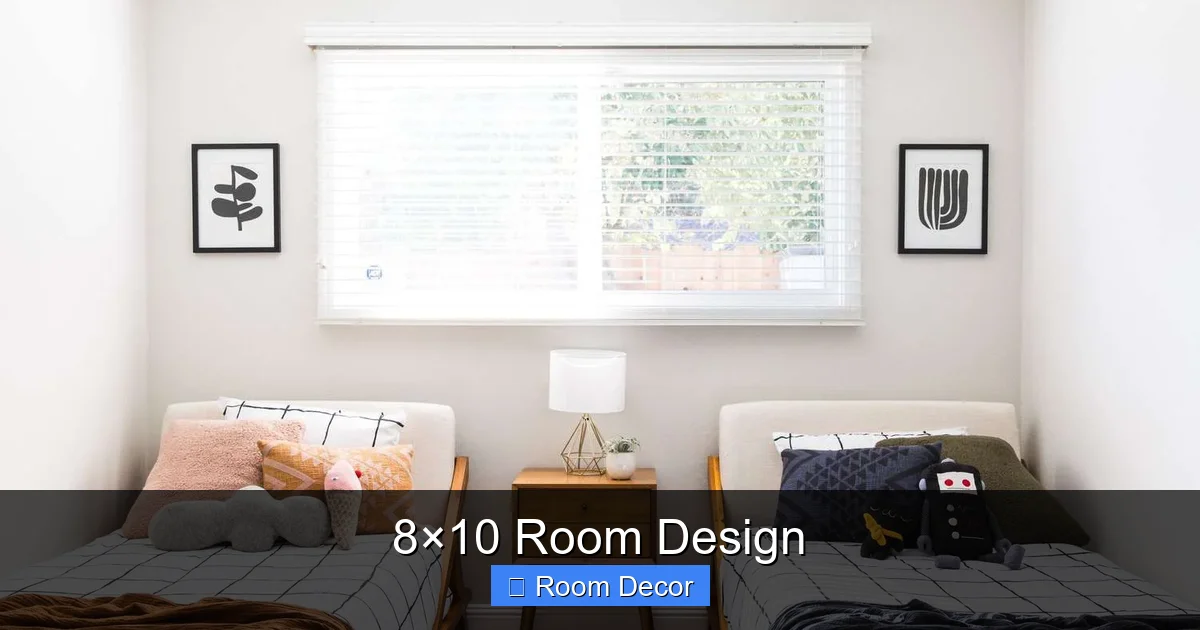
Transform your compact 8×10 room into a functional and stylish space with our comprehensive design guide. Learn how to maximize every inch, choose the right furniture, and create a cohesive look. From clever storage solutions to effective color palettes, this guide provides step-by-step instructions and practical tips for making your small room feel bigger and more inviting.
8×10 Room Design
Welcome to your ultimate guide to designing an 8×10 room! So, you have a small space, perhaps an office, guest bedroom, or even a cozy living area, that measures roughly 8 feet by 10 feet. Don’t let the dimensions discourage you! Small rooms present unique challenges, but they also offer incredible opportunities for creativity and clever design. In this guide, we’ll walk you through everything you need to know to transform your compact 8×10 room into a functional, stylish, and inviting space that feels much larger than its actual square footage.
Key Takeaways
- Understand the Challenges and Opportunities: Recognize that an 8×10 room is small, but with smart design, it can be incredibly functional and aesthetically pleasing.
- Prioritize and Plan Your Layout: Carefully consider the room’s primary purpose and create a floor plan to arrange furniture efficiently, avoiding clutter.
- Choose Space-Saving Furniture Wisely: Opt for multi-functional pieces, appropriately scaled items, and consider vertical storage to make the most of limited floor space.
- Utilize Color and Light Effectively: Employ light colors, mirrors, and strategic lighting to create an illusion of spaciousness and a brighter atmosphere.
- Embrace Smart Storage Solutions: Incorporate hidden storage, floating shelves, and vertical organizers to keep the room tidy and maximize usable space.
- Define Zones for Functionality: Even in a small room, creating distinct areas for different activities (e.g., sleeping, working, relaxing) can enhance its utility.
1. Understanding Your 8×10 Room: Assessment and Goals
Before you even think about furniture or paint colors, it’s crucial to understand the space you’re working with and what you want to achieve. An 8×10 room is approximately 80 square feet. This isn’t a vast expanse, but it’s enough to be a comfortable and purposeful room with the right strategy.
H3: Define the Room’s Purpose
The first step is to clearly define the primary function of your 8×10 room. Is it a dedicated home office? A guest bedroom? A small reading nook? A craft room? Perhaps a combination of a few things? Knowing the main purpose will guide every design decision you make.
* Home Office: Needs a desk, comfortable chair, and storage for supplies.
* Guest Bedroom: Requires a bed, some bedside storage, and perhaps a small dresser.
* Reading Nook/Hobby Room: Focuses on comfortable seating and storage for books or craft supplies.
* Combined Use: If you need to combine functions, you’ll need to be even more strategic with space-saving solutions.
H3: Identify Existing Features and Limitations
Take stock of what’s already in the room: windows, doors, radiators, built-in closets, or electrical outlets. These existing features will influence furniture placement and layout. Note any limitations, such as awkward corners or low ceilings, and think about how you can work with them or around them.
H3: Set Your Design Goals
What do you want the room to *feel* like? Do you want it to feel bright and airy, cozy and intimate, modern and minimalist, or something else? Setting clear goals will help you stay focused and make cohesive design choices. Your goals might include maximizing natural light, creating ample storage, or ensuring a clutter-free environment.
2. Strategic Layout Planning for an 8×10 Room
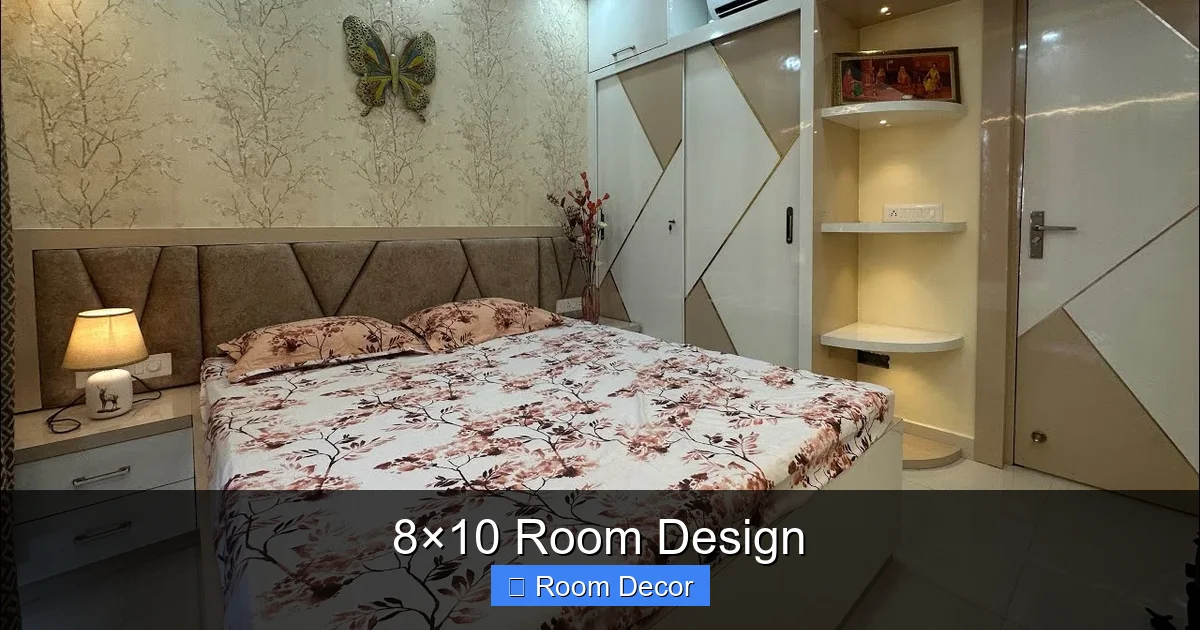
Visual guide about 8×10 Room Design
Image source: i.ytimg.com
With your purpose and goals in mind, it’s time to plan the layout. This is perhaps the most critical step for a small space. A well-thought-out layout can make all the difference.
H3: Measure Everything Accurately
Get out your tape measure! Measure the length and width of the room, as well as the placement and dimensions of doors, windows, and any other fixed elements. Also, measure any furniture you plan to bring into the room or consider purchasing.
H3: Create a Floor Plan
You don’t need to be an architect to create a floor plan. You can use graph paper and a pencil, or free online tools like Floorplanner or Roomstyler.
* **Draw the Room:** Sketch the basic shape of your 8×10 room to scale on your graph paper or digital tool.
* **Mark Doors and Windows:** Accurately place doors and windows, noting the direction they open.
* **Scale Cutouts:** Create scaled cutouts of your furniture pieces. This allows you to move them around on paper (or digitally) without physically rearranging heavy items.
* **Experiment with Arrangements:** Try different furniture placements to see what works best for traffic flow and functionality. Consider the “zones” you want to create.
H3: Prioritize Traffic Flow
In a small room, it’s easy to create a cramped and awkward feeling if you don’t consider how you’ll move around. Ensure there’s enough space to walk comfortably between furniture. A general rule of thumb is to leave at least 2-3 feet for main walkways.
H3: The “Bed/Desk Placement” Dilemma
For bedrooms or offices, the placement of the bed or desk is usually the most significant decision.
* **Bed:** In an 8×10 bedroom, place the bed against the longest wall if possible. This leaves more open space. Consider a “floating” bed arrangement if space is extremely limited.
* **Desk:** Position your desk near a window for natural light if feasible. Avoid placing it directly facing the door if you prefer more privacy while working, or position it to face away from distractions.
3. Choosing the Right Furniture for an 8×10 Room
Furniture selection is paramount in a small space. Scale, function, and multi-purpose are your watchwords.
H3: Opt for Appropriately Scaled Furniture
Avoid large, bulky pieces that will overwhelm the room. Instead, choose furniture that is proportionate to the size of the space.
* **Sofas/Chairs:** Look for loveseats or armless chairs rather than large sectional sofas.
* **Tables:** Consider nesting tables or a slim console table instead of a bulky coffee table.
* **Beds:** A twin or full-size bed is usually best for an 8×10 bedroom. A platform bed can offer under-bed storage.
H3: Embrace Multi-Functional Furniture
This is where you can get really creative. Multi-functional furniture is a lifesaver in small rooms.
* **Ottomans with Storage:** These can serve as footrests, extra seating, and hidden storage.
* **Sofa Beds/Daybeds:** Perfect for guest rooms where you also need seating space.
* **Desks with Built-in Storage:** Combine your workspace with shelving.
* **Murphy Beds:** If the room needs to serve dual purposes (e.g., office and guest room), a wall-mounted bed can be folded away when not in use.
H3: Go Vertical with Storage and Display
When floor space is limited, look up! Vertical storage solutions can dramatically increase your usable space without making the room feel more crowded.
* **Tall, Slim Bookshelves:** These draw the eye upwards and provide ample storage.
* **Floating Shelves:** Perfect for displaying decor or storing essentials without taking up floor space.
* **Wall-Mounted Cabinets:** Offer enclosed storage to hide clutter.
* **Over-the-Door Organizers:** Great for closets or entry doors.
4. Color and Light: Creating an Illusion of Space
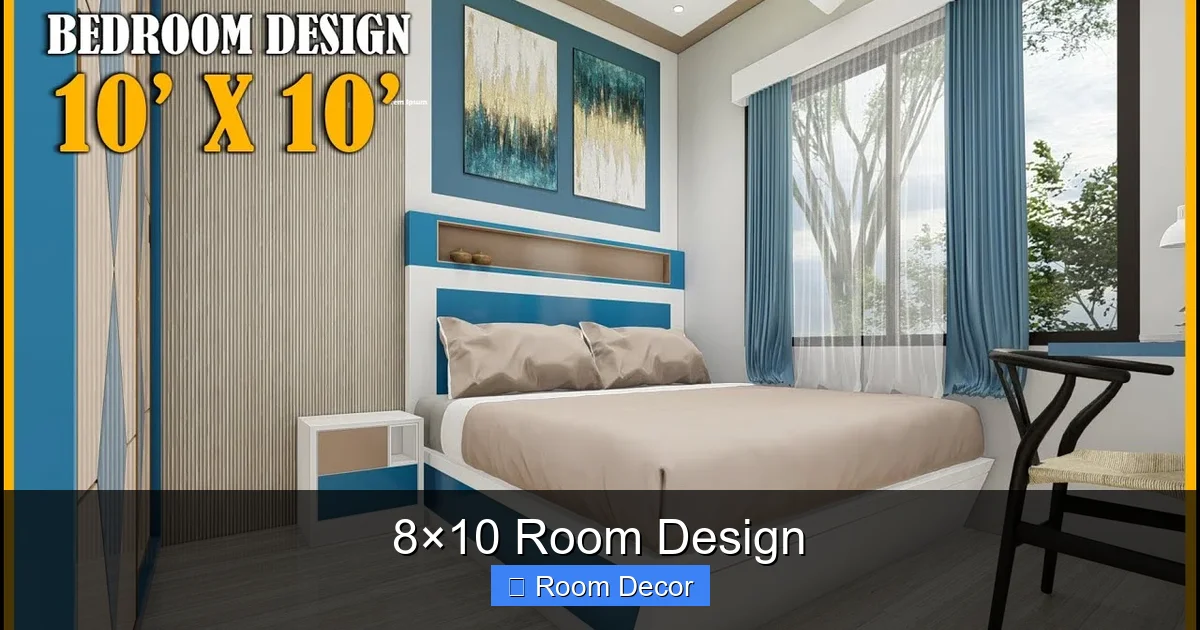
Visual guide about 8×10 Room Design
Image source: i.ytimg.com
The right color palette and lighting can dramatically impact how large or small a room feels.
H3: Light and Neutral Color Palettes
Light colors reflect light, making a room feel brighter and more spacious.
* **Walls:** Whites, creams, light grays, pastels, and soft blues are excellent choices for walls.
* **Ceiling:** Painting the ceiling a lighter shade than the walls (or pure white) can make it appear higher.
* **Monochromatic Schemes:** Using varying shades of the same color can create a cohesive and expansive feel.
H3: Strategic Use of Mirrors
Mirrors are a small room’s best friend. They reflect light and visually expand the space.
* **Large Wall Mirror:** Place a large mirror opposite a window to reflect natural light and the view.
* **Mirrored Furniture:** Mirrored closet doors or a mirrored dresser can add a touch of glamour and bounce light around.
* **Gallery Wall of Mirrors:** A collection of smaller mirrors can also be effective.
H3: Maximize Natural Light
Keep window treatments simple and light.
* **Sheer Curtains:** Allow natural light to filter in while providing some privacy.
* **Blinds or Shades:** Opt for clean, simple blinds or roller shades that can be fully retracted.
* **Keep Windows Clear:** Avoid blocking windows with bulky furniture.
H3: Layered Lighting
Good lighting can transform the ambiance and perceived size of a room.
* **Ambient Lighting:** Overhead fixtures (e.g., a flush mount ceiling light) provide general illumination.
* **Task Lighting:** Desk lamps or reading lights are essential for specific activities.
* **Accent Lighting:** Wall sconces or small table lamps can add warmth and highlight features.
* **Avoid Harsh Shadows:** Ensure the room is well-lit to avoid creating a cave-like atmosphere.
5. Smart Storage Solutions for an 8×10 Room
Clutter is the enemy of small spaces. Effective storage is non-negotiable.
H3: Utilize Under-Bed Storage
If you have a bed frame that allows for it, invest in under-bed storage bins or drawers. For a more streamlined look, consider a platform bed with built-in drawers.
H3: Built-in and Wall-Mounted Storage
As mentioned earlier, vertical storage is key.
* **Wall Shelving:** Install shelves above doors, along unused wall space, or in corners.
* **Pegboards:** Excellent for organizing tools, craft supplies, or even small decor items in an office or hobby room.
* **Wall-Mounted Desks:** Fold-down desks are a great space-saving option for small offices.
H3: Clever Corner Solutions
Don’t let corners go to waste.
* **Corner Shelving Units:** These can fit neatly into any corner and provide surprisingly large storage.
* **Corner Desks:** Designed to fit snugly into a room’s corner.
H3: Hidden Storage
Look for furniture that hides things away.
* **Baskets and Decorative Boxes:** Use these on shelves or in cabinets to keep smaller items organized and out of sight.
* **Storage Benches:** Place them at the foot of a bed or in an entryway for seating and storage.
6. Decorating and Styling Your 8×10 Room
Once the functional elements are in place, it’s time to add your personal touch.
H3: Keep Decor Balanced
While you want to personalize your space, avoid overcrowding it with too many small decorative items.
* **Focus on a Few Statement Pieces:** One or two larger art pieces can have more impact than many small ones.
* **Declutter Regularly:** Make it a habit to put things away. A tidy room always feels larger.
H3: Rugs to Define Zones
A well-placed rug can visually anchor furniture and define different areas within the room, making it feel more organized. In an 8×10 room, a rug that covers most of the floor can make it feel larger.
H3: Wall Decor That Works Hard
* **Vertical Stripes:** On wallpaper or paint, vertical lines can make walls appear taller.
* **Large-Scale Art:** As mentioned, a single large piece is often better than many small ones.
* **Hanging Plants:** Add life and color without taking up floor space.
H3: Personal Touches
Don’t forget to make it your own! Add photos, cherished objects, or textiles that bring you joy. The key is to do so thoughtfully, ensuring they complement the overall design rather than adding to visual clutter.
7. Troubleshooting Common 8×10 Room Design Issues
Even with careful planning, you might encounter challenges. Here are a few common ones and how to tackle them:
H3: The Room Feels Too Dark
* **Solution:** Maximize artificial light. Add more lamps, consider brighter bulbs, and ensure all light sources are clean and functional. Use lighter paint colors and reflective surfaces.
H3: Not Enough Storage Space
* **Solution:** Re-evaluate your vertical space. Add more shelves, use wall-mounted organizers, and consider furniture with hidden storage. Declutter ruthlessly to reduce the need for storage in the first place.
H3: Furniture Feels Too Big
* **Solution:** Consider “visual lightness.” Furniture with exposed legs (sofas, chairs, tables) appears less bulky than pieces that sit directly on the floor. Slimmer profiles are key. If a piece is truly overwhelming, you may need to replace it with something smaller.
H3: Awkward Layout with Doors and Windows
* **Solution:** Use furniture placement to your advantage. Sometimes, rotating a desk or bed can open up traffic flow. Consider custom-built solutions if standard furniture doesn’t work.
Conclusion
Designing an 8×10 room is an exercise in smart, intentional choices. By understanding your space, planning your layout meticulously, choosing furniture wisely, and leveraging color and light, you can create a room that feels spacious, functional, and beautiful. Remember to prioritize, embrace multi-functional pieces, and think vertically. With these strategies, your compact 8×10 room can become a favorite and highly usable space in your home. Happy designing!