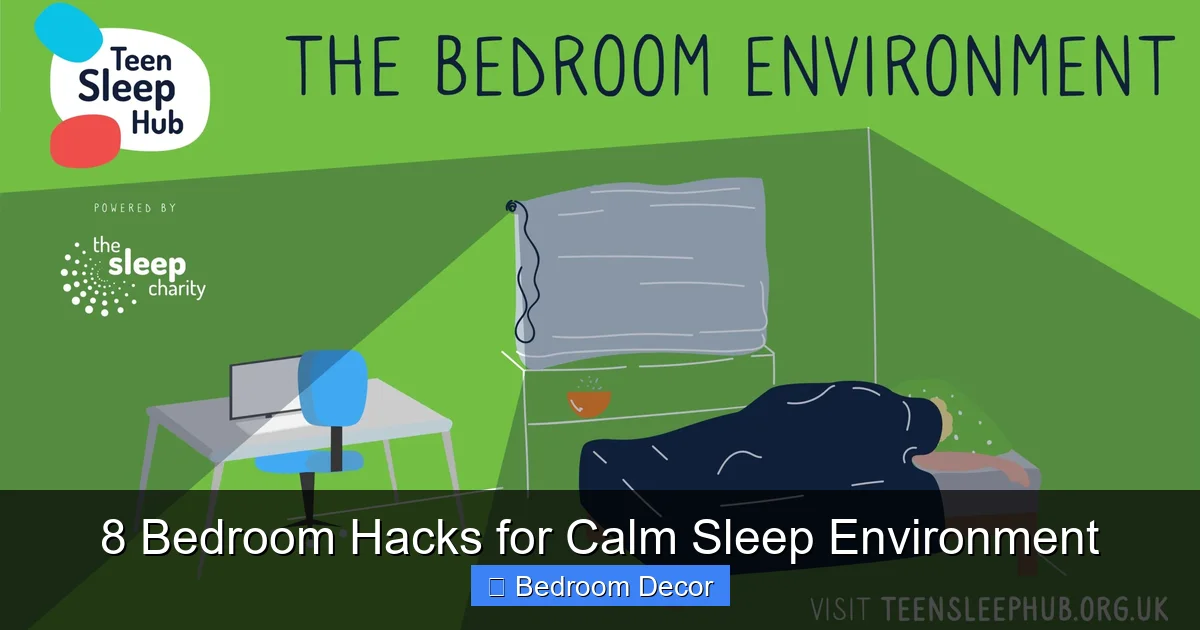
Achieving a calm sleep environment is key to restful nights and energetic mornings. This comprehensive guide provides 8 practical bedroom hacks designed to help you transform your personal space into a serene sanctuary. Learn how to optimize everything from lighting and temperature to scent and organization, creating the perfect setting for better sleep and improved well-being.
8 Bedroom Hacks for Calm Sleep Environment
Welcome to your personal guide to transforming your bedroom into a true sanctuary of calm. We all know how vital a good night’s sleep is for our physical and mental well-being. Yet, many of us struggle to create a sleep environment that truly supports deep, restorative rest. The good news? It doesn’t require a complete overhaul or a massive budget. With a few thoughtful **bedroom hacks**, you can significantly enhance your space and cultivate a **calm sleep environment**.
In this comprehensive guide, we’ll walk you through eight practical, easy-to-implement strategies. From smart organization to sensory enhancements, these tips will help you design a bedroom that promotes relaxation, tranquility, and ultimately, much better sleep. Get ready to turn your bedroom into the peaceful haven you deserve!
Key Takeaways
- Declutter for Visual Calm: A tidy, organized bedroom reduces visual noise and mental stress, directly contributing to a more peaceful sleep environment.
- Master Light & Sound: Blocking out external light and minimizing disruptive noise are fundamental for signaling to your body that it’s time to rest, promoting deeper sleep.
- Optimize Temperature & Air Quality: Keep your bedroom cool and ensure good air circulation to create an ideal physiological environment for falling and staying asleep comfortably.
- Embrace Comfort & Texture: Invest in high-quality bedding, a supportive mattress, and soft textures to enhance physical comfort, making your bed an inviting haven.
- Integrate Calming Scents: Utilize aromatherapy with essential oils like lavender or chamomile to naturally induce relaxation and prepare your mind for sleep.
- Implement a Digital Detox Zone: Designate your bedroom as a screen-free space to avoid blue light exposure and mental stimulation before bed, improving sleep onset and quality.
- Personalize with Soothing Decor: Choose calming colors, soft lighting, and minimal decor that reflects tranquility, fostering a sense of peace unique to your space.
Hack 1: Declutter and Organize for Visual Calm
One of the fastest ways to reduce stress and promote a **calm sleep environment** is to tackle clutter. A messy room can lead to a messy mind, making it harder to unwind at the end of the day.
1.1 Start Small: The Bedside Table
Begin with your bedside table. What truly needs to be there? A lamp, a book, perhaps a glass of water. Remove any unnecessary items like old magazines, charging cables for devices you don’t use in bed, or stacks of papers. A clean, uncluttered bedside table sends a powerful message of tranquility to your brain.
1.2 The “One In, One Out” Rule
As you go through your bedroom, adopt the “one in, one out” rule. For every new item you bring into your bedroom (a new piece of decor, an article of clothing), consider if there’s something old that can be donated, recycled, or discarded. This prevents clutter from accumulating again.
1.3 Utilize Smart Storage Solutions
- Under-bed storage: Bins or drawers under your bed are excellent for storing seasonal clothing or extra linens, keeping them out of sight.
- Closed storage: Opt for dressers, wardrobes, or nightstands with drawers. Items behind closed doors contribute to a cleaner visual aesthetic.
- Vertical space: Floating shelves or tall, narrow bookcases can hold books or decorative items without taking up valuable floor space. Remember to keep shelves organized and not overly packed.
Practical Tip: Dedicate 10 minutes each evening to a quick tidy-up. Putting things back in their place before bed can make a huge difference in waking up to a calm space.
Hack 2: Optimize Lighting for Sleep
Light plays a crucial role in regulating our circadian rhythm, our natural sleep-wake cycle. Too much light, especially blue light, can disrupt melatonin production, making it harder to fall asleep. Creating the right lighting is a key **bedroom hack** for a **calm sleep environment**.
2.1 Block Out External Light
- Blackout Curtains or Blinds: These are a game-changer. They effectively block out streetlights, early morning sun, and any other external light sources that can disturb your sleep. Choose a style that complements your existing bedroom decor.
- Eye Mask: If blackout curtains aren’t an option or you need extra darkness, a comfortable eye mask can work wonders.
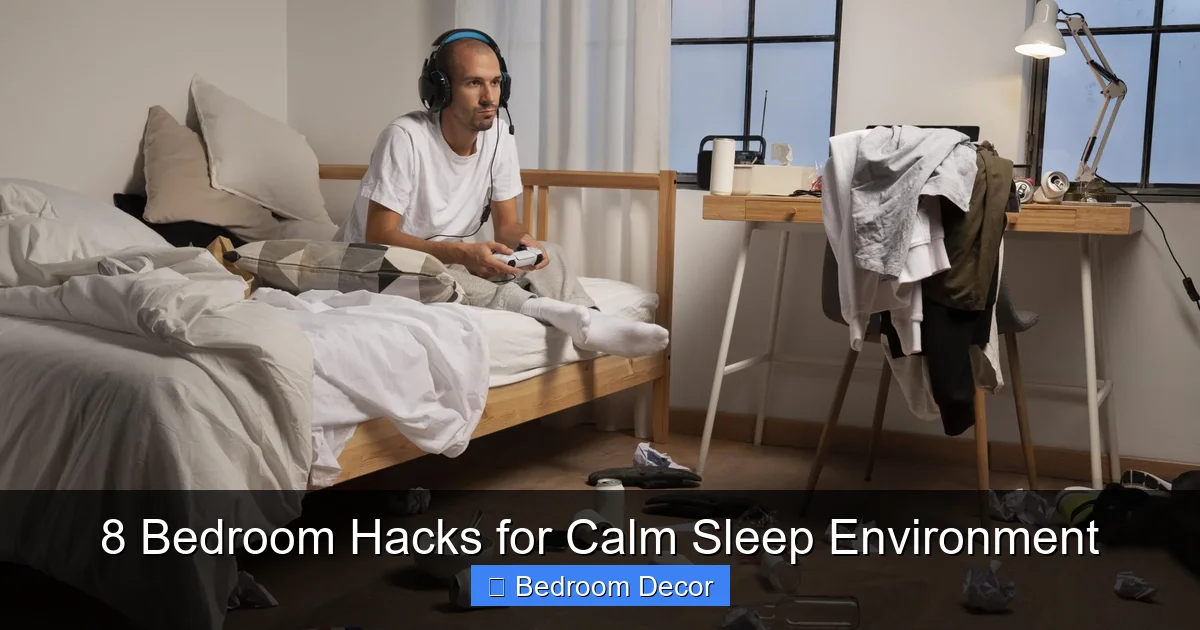
Visual guide about 8 Bedroom Hacks for Calm Sleep Environment
Image source: thesleeptutor.com
2.2 Embrace Soft, Warm Lighting
- Ditch Bright Overhead Lights: Before bed, avoid harsh overhead lighting. Instead, use dimmable lamps with warm-toned bulbs (around 2700 Kelvin).
- Salt Lamps or Fairy Lights: These can provide a very soft, ambient glow that is incredibly relaxing and won’t disrupt your sleep hormones.
- Smart Lighting: Consider smart bulbs that allow you to adjust brightness and color temperature from your phone, even programming them to dim gradually as your bedtime approaches.
Practical Tip: About an hour before you plan to sleep, dim all the lights in your bedroom and switch to softer, warmer light sources. This signals to your body that it’s time to wind down.
Hack 3: Control Temperature and Air Quality
The ideal sleep temperature is cooler than what most people realize. A comfortable temperature, combined with good air quality, creates an optimal **sleep environment**.
3.1 Aim for the “Sweet Spot”
Most sleep experts recommend keeping your bedroom temperature between 60-67°F (15-19°C). Our bodies naturally drop in temperature when we sleep, and a cooler room facilitates this process. Experiment to find what works best for you within this range.

Visual guide about 8 Bedroom Hacks for Calm Sleep Environment
Image source: sleepauthority.com
3.2 Ensure Good Air Circulation
- Open a Window: If possible, crack open a window slightly before bed to allow fresh air in, especially if the outdoor temperature is cool.
- Fan: A ceiling fan or a small oscillating fan can help circulate air and provide a gentle breeze, which can be particularly soothing. Some people also enjoy the white noise a fan produces.
- Air Purifier: If you suffer from allergies or live in an area with poor air quality, an air purifier can significantly improve the air you breathe, removing dust, pollen, and other irritants.
Practical Tip: Avoid extreme temperatures. Too hot or too cold can both disrupt sleep. Use breathable bedding materials like cotton or linen to help regulate your body temperature throughout the night.
Hack 4: Minimize Noise Pollution
Unwanted sounds can easily disrupt sleep, even if you don’t fully wake up. Addressing noise is a vital **bedroom hack** for a truly **calm sleep environment**.
4.1 Block or Mask Noise
- Sound-Proofing: For persistent noise issues, consider heavy curtains or even weatherstripping around windows and doors to dampen external sounds.
- White Noise Machine: A white noise machine can be incredibly effective. It creates a consistent, soothing background hum that masks sudden, disruptive noises like traffic, noisy neighbors, or even snoring partners. Look for machines with various sound options like rain, ocean waves, or static.
- Earplugs: Simple and effective, earplugs are an inexpensive solution for blocking out most sounds. Find a comfortable pair that fits well.
Visual guide about 8 Bedroom Hacks for Calm Sleep Environment
Image source: sleepfoundation.org
4.2 Eliminate Internal Noises
- No Ticking Clocks: Replace any alarm clocks that make a loud ticking sound with silent digital ones.
- Silence Notifications: Put your phone on silent or ‘do not disturb’ mode well before bedtime. Better yet, keep it out of the bedroom entirely (see Hack 8!).
- Squeaky Doors/Floors: Address any household noises that might wake you up. A little lubricant on a squeaky door hinge can go a long way.
Practical Tip: Experiment with different types of white noise. What’s relaxing for one person might be irritating for another. Apps on your phone can offer a wide variety of sounds to try.
Hack 5: Engage Your Sense of Smell with Aromatherapy
Certain scents have powerful calming properties, directly influencing your mood and promoting relaxation. Incorporating aromatherapy is a delightful **bedroom hack** to create a **calm sleep environment**.
5.1 Choose Calming Scents
- Lavender: Perhaps the most well-known sleep aid, lavender essential oil is proven to reduce anxiety and promote relaxation.
- Chamomile: Another popular choice, chamomile has mild sedative properties.
- Bergamot: A citrusy scent with calming effects that can reduce stress and improve mood.
- Sandalwood: Earthy and woody, sandalwood helps to ground and calm the mind.
5.2 How to Incorporate Scents
- Diffuser: An essential oil diffuser is a popular and effective way to disperse calming aromas throughout your bedroom. Start it 30-60 minutes before bed.
- Linen Spray: Create a DIY linen spray by mixing essential oils with water (and a little witch hazel) and lightly mist your sheets and pillowcases before bed.
- Scented Candles (use with caution): While lovely, never leave candles burning while you sleep. Light them for a short period before bed to infuse the room with scent, then extinguish them completely.
- Sachet Bags: Place small sachets filled with dried lavender or other herbs under your pillow or in your dresser drawers.
Practical Tip: Always use high-quality, pure essential oils for the best results and avoid synthetic fragrances, which can sometimes be irritating. If you have pets, research which essential oils are safe to use around them.
Hack 6: Select Soothing Color Palettes and Textures
Colors and textures have a significant impact on our mood and perception of a space. A well-chosen palette can contribute immensely to a **calm sleep environment**.
6.1 Opt for Calming Colors
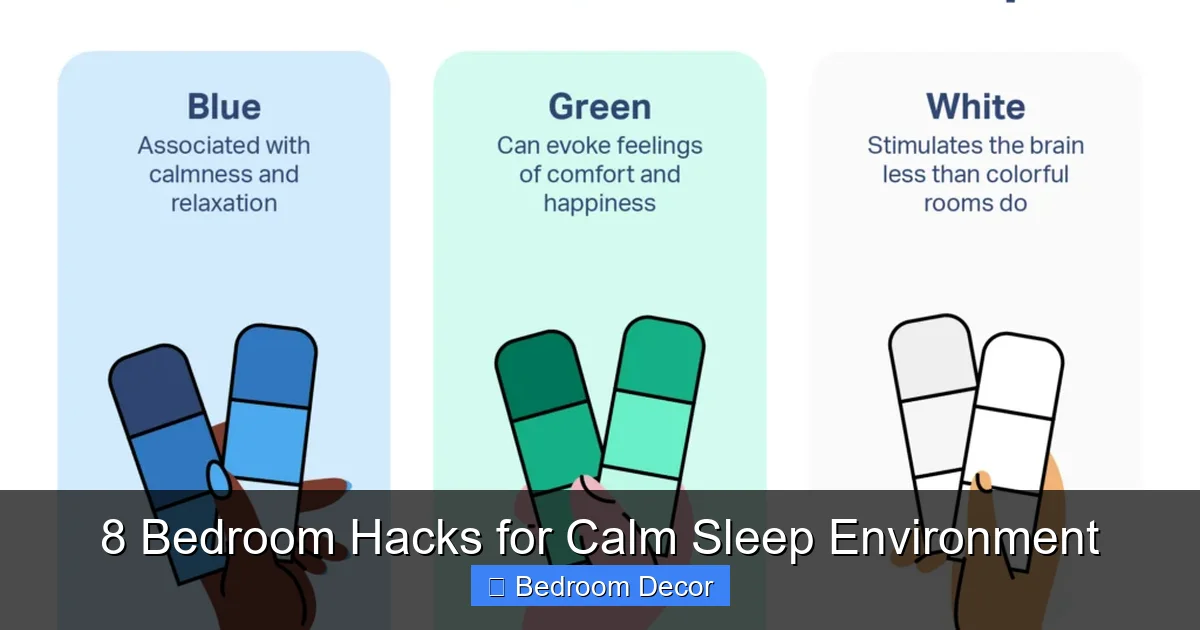
- Blues and Greens: These colors are often associated with nature and tranquility. Soft blues, muted greens, and gentle teals can evoke a sense of peace and openness.
- Neutrals: Creams, grays, and soft whites provide a clean, serene backdrop. They are versatile and can be paired with subtle accents of calming colors.
- Muted Tones: Avoid bright, stimulating colors like reds, oranges, or vibrant yellows, which can increase alertness rather than relaxation.
6.2 Embrace Soft, Inviting Textures
- Bedding: Choose soft, breathable fabrics like cotton, linen, or bamboo for your sheets, duvets, and pillowcases. The feel of luxurious bedding can enhance physical comfort.
- Rugs: A plush rug can add warmth and softness underfoot, especially nice for cold mornings. It also helps to absorb sound.
- Throw Blankets and Pillows: Add soft throw blankets in calming colors and a few decorative pillows with interesting, pleasant textures (e.g., knit, faux fur, velvet) for an inviting touch.
Practical Tip: You don’t need to repaint your entire room. Introduce calming colors through bedding, curtains, artwork, or decorative accessories to achieve a similar effect.
Hack 7: Invest in a Comfortable Bed and Bedding
Your bed is the absolute centerpiece of your **sleep environment**. It needs to be the most comfortable spot in your home. This **bedroom hack** focuses on ensuring your primary sleep tools are top-notch.
7.1 The Right Mattress and Pillows
- Mattress: This is arguably the most important investment for good sleep. Choose a mattress that provides adequate support for your spine and comfort for your preferred sleeping position. Mattresses have a lifespan (typically 7-10 years), so if yours is old and lumpy, it might be time for an upgrade.
- Pillows: Just as important as your mattress, the right pillow supports your head and neck, keeping your spine aligned. Side sleepers, back sleepers, and stomach sleepers all require different pillow types and firmness levels.
7.2 High-Quality, Breathable Bedding
- Sheets: Opt for natural, breathable materials like Egyptian cotton, percale, linen, or bamboo. These fabrics help regulate body temperature, preventing you from getting too hot or too cold. Look for a thread count between 200-400 for cotton for a good balance of softness and breathability.
- Duvet/Comforter: Choose a duvet or comforter appropriate for your climate and personal preference. Down, down alternative, or wool are popular choices for their warmth and breathability.
- Layering: Use layers that you can easily add or remove throughout the night. A light blanket under a duvet, for example, allows you to adjust if you get too warm.
Practical Tip: Rotate your mattress regularly (every 3-6 months) to ensure even wear and extend its lifespan. Wash your bedding weekly to keep it fresh, clean, and inviting.
Hack 8: Create a Tech-Free Zone
Our modern lives are filled with screens, but bringing them into the bedroom can severely disrupt sleep. Making your bedroom a tech-free zone is a crucial **bedroom hack** for a truly **calm sleep environment**.
8.1 Banish Screens from the Bedroom
- No TVs: Resist the urge to have a television in your bedroom. The blue light emitted from screens can suppress melatonin production, making it harder to fall asleep. The stimulating content can also keep your mind active.
- Smartphones and Tablets: Charge your phone in another room overnight. If you use it as an alarm, invest in a dedicated alarm clock instead. Avoid scrolling through social media or checking emails in bed.
- Laptops and Work: Your bedroom should be a place for rest, not work. Keep laptops, work documents, and other work-related items out of this space.
8.2 Replace Tech with Calming Alternatives
- Books: Instead of a screen, pick up a physical book or a calming magazine.
- Journaling: Use the time before bed to jot down thoughts, gratitude, or your to-do list for the next day. This can help clear your mind.
- Meditation or Light Stretching: Incorporate a few minutes of meditation or gentle yoga stretches to help your body and mind relax.
- Audiobooks or Podcasts: If you enjoy listening to something, opt for a calming audiobook or a meditative podcast, setting a sleep timer so it turns off automatically.
Practical Tip: Start small. If going completely tech-free feels too daunting, begin by putting your phone on ‘Do Not Disturb’ mode an hour before bed and charging it across the room instead of on your nightstand.
Troubleshooting Common Bedroom Sleep Disruptors
Even with these hacks, sometimes sleep still feels elusive. Here’s quick guidance for common issues:
- Still struggling to fall asleep? Re-evaluate your pre-sleep routine. Are you doing anything stimulating (heavy exercise, intense conversations) too close to bedtime?
- Waking up frequently? Check your bedroom temperature and light again. Even subtle light leaks or a room that’s too warm can cause micro-awakenings.
- Waking up with aches? Your mattress or pillow might be the culprit. Consider its age and suitability for your sleep position.
- Mind racing at night? Implement a “brain dump” before bed – write down everything on your mind in a notebook to clear your thoughts.
Conclusion
Creating a **calm sleep environment** is a powerful act of self-care. By implementing these eight simple yet effective **bedroom hacks**, you’re not just redecorating; you’re investing in your health, happiness, and overall well-being. From decluttering and optimizing light to embracing soothing scents and banishing technology, each step contributes to a space that nurtures restful sleep. Start with one or two hacks that resonate most with you, and gradually build your ideal sleep sanctuary. You’ll be amazed at the difference a truly peaceful bedroom can make to your nights and your days. Sweet dreams await!