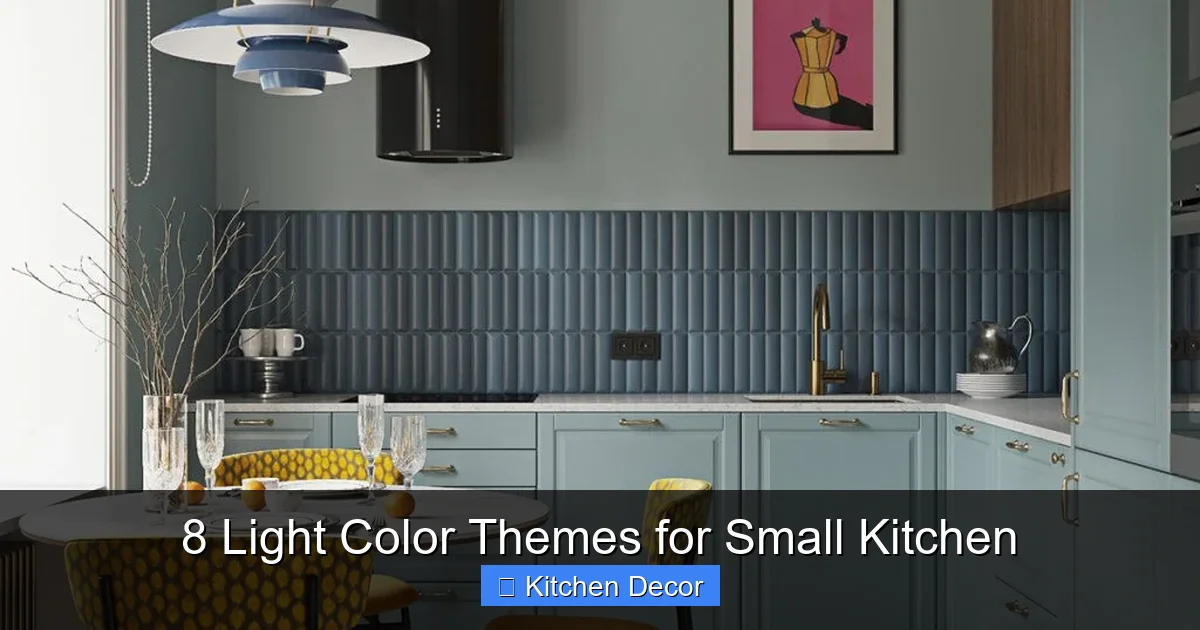
Transforming a small kitchen can feel daunting, but the right color palette makes a huge difference. This guide explores 8 beautiful light color themes for small kitchen spaces, showing you how to select hues that expand your room visually, enhance natural light, and create a welcoming atmosphere. Discover practical tips for incorporating these themes into your cabinets, countertops, walls, and accessories to achieve a bright, airy, and stylish kitchen you’ll love.
8 Light Color Themes for Small Kitchen
Welcome to the ultimate guide for transforming your small kitchen! Do you dream of a kitchen that feels spacious, bright, and inviting, even if it’s on the smaller side? You’re in the right place. The secret often lies in the power of color, specifically light colors. Light color themes for small kitchen spaces are not just a trend; they are a fundamental design principle that can dramatically alter the perception of space and light.
In a small kitchen, dark colors can absorb light, making the room feel cramped and enclosed. Light colors, however, do the opposite. They reflect light, pushing walls visually outward and making the ceiling appear higher. This creates an airy, open, and cheerful atmosphere. It’s like magic for tiny rooms!
In this guide, we’re going to explore 8 fantastic light color themes for small kitchen remodels or refreshes. We will give you practical tips and examples for each theme. You’ll learn how to pick the perfect shade and apply it to your cabinets, walls, countertops, and accessories. Get ready to unleash the full potential of your compact cooking space!
Key Takeaways
- Light Colors Expand Space: Choosing light color themes for small kitchen walls and cabinetry is crucial for making the room appear larger and more open by reflecting light.
- Utilize Natural Light: Light colors work best when paired with ample natural or artificial lighting, enhancing their brightening effect and preventing the space from feeling dim.
- Consider Undertones Carefully: Even within light color families, undertones (warm, cool, neutral) matter. Select undertones that complement your existing elements and desired mood.
- Layer Textures and Finishes: To prevent a light kitchen from feeling sterile, introduce varied textures through backsplashes, countertops, hardware, and accessories.
- Balance with Pops of Color: While focusing on light themes, strategically placed vibrant accessories or a plant can add personality and depth without overwhelming the space.
- Consistency is Key: Aim for a cohesive look across major surfaces. Light cabinets, walls, and often countertops create the most impactful sense of spaciousness in a small kitchen.
- Test Colors Before Committing: Always sample your chosen light color themes for small kitchen areas on actual walls and under different lighting conditions before painting everything.
1. Embrace the Timeless Elegance of Crisp White
The Purest Choice for Small Spaces
Crisp white is perhaps the most classic and effective light color theme for small kitchen areas. It is bright, clean, and endlessly versatile. White reflects light better than any other color, instantly making your kitchen feel larger and more open. It creates a sense of freshness and simplicity that is truly timeless.
Why Crisp White Works Wonders
White walls and cabinets bounce natural and artificial light around the room. This makes your small kitchen feel much bigger than it is. It also provides a perfect blank canvas. You can easily introduce pops of color or texture through accessories without overwhelming the space. A white kitchen never goes out of style and always feels clean.
Tips for Implementing Crisp White
- Cabinets: Opt for bright white cabinets. Shaker style or flat-panel doors will enhance the clean, modern look.
- Walls: Paint walls a brilliant white. Consider a slight sheen like eggshell or satin to further reflect light and make cleaning easier.
- Countertops: White quartz, marble, or even a white laminate can keep the theme consistent. If you want contrast, a light wood or gray countertop can add warmth.
- Backsplash: White subway tiles are a classic choice. For a bit more interest, choose white tiles with a unique shape or texture, like a picket or herringbone pattern.
- Accessories: Introduce warmth with natural wood cutting boards, a few green plants, or metallic hardware (brass or polished chrome look great).
2. Discover the Versatility of Soft Greige
The Perfect Blend of Gray and Beige
Greige is a beautiful mix of gray and beige. It offers the warmth of beige with the sophistication of gray. This makes it an incredibly popular and effective light color theme for small kitchen designs. Soft greige avoids the starkness of pure white while still reflecting plenty of light. It provides a neutral, calming backdrop.
Why Soft Greige is a Smart Pick
Greige adds a subtle warmth and depth that pure white might lack. It’s incredibly adaptable and works well with many different design styles, from modern to farmhouse. It can make a small kitchen feel cozy and welcoming without sacrificing the feeling of spaciousness. It hides minor imperfections better than stark white, too.
Tips for Implementing Soft Greige
- Cabinets: Greige cabinets are elegant and provide a soft, inviting feel. Look for shades with balanced undertones.
- Walls: Paint walls a lighter shade of greige than your cabinets, or a complementary off-white. This creates subtle dimension.
- Countertops: Pair with white quartz, a light granite, or even a butcher block for warmth.
- Backsplash: A subway tile in a similar greige shade, or a textured white tile, works beautifully.
- Hardware & Accents: Black matte hardware provides a modern contrast. Warm wood tones or woven textures can enhance the cozy feel.
3. Introduce Calmness with Pale Sky Blue
A Breath of Fresh Air for Your Kitchen
Pale sky blue is a serene and refreshing light color theme for small kitchen spaces. It evokes feelings of calm and openness, much like a clear sky. This gentle hue can make a small kitchen feel exceptionally airy and light. It’s a fantastic way to add a touch of color without overwhelming the space.
Why Pale Sky Blue Brightens Your Day
Blue is often associated with cleanliness and tranquility. A pale sky blue reflects light well and adds a cheerful, yet soothing, presence. It makes the room feel cool and expansive. It’s perfect for creating a light and airy coastal or farmhouse vibe in a compact area.
Tips for Implementing Pale Sky Blue
- Cabinets: Consider painting upper cabinets pale sky blue and keeping lower cabinets white for a balanced look, or use blue for all cabinets.
- Walls: A very light sky blue on the walls can create a seamless, expansive feel. Alternatively, use white walls and reserve the blue for cabinets or a feature wall.
- Countertops: White, light gray, or even a light butcher block countertop will complement the blue beautifully.
- Backsplash: White subway tiles or a mosaic with hints of blue and white will tie the theme together.
- Accessories: Introduce natural wood elements, silver or polished chrome hardware, and perhaps some coastal-themed decor or white ceramic dishes.
4. Refresh with Lively Mint Green
A Hint of Nature for Your Culinary Space
Mint green is a cheerful and invigorating light color theme for small kitchen designs. It brings a touch of nature indoors, creating a fresh and vibrant atmosphere. This gentle green hue is light enough to expand the space while adding a unique personality.
Why Mint Green is a Delightful Choice
Mint green is known for its calming yet uplifting qualities. It reflects light effectively, preventing the small kitchen from feeling claustrophobic. It pairs wonderfully with white and natural wood, creating a balanced and harmonious environment that feels both retro and modern. It’s a color that evokes cleanliness and growth.
Tips for Implementing Mint Green
- Cabinets: Mint green cabinets can be a delightful focal point. They add personality without being too bold.
- Walls: Keep walls white or a very light off-white to let the mint green shine. Or, use a barely-there mint on the walls for an immersive feel.
- Countertops: White quartz, butcher block, or a light gray solid surface will complement the mint green perfectly.
- Backsplash: White subway tiles, a light gray mosaic, or even a subtle patterned tile with green accents will look great.
- Accessories: Incorporate natural wood tones, brass or gold hardware, and plenty of actual green plants to enhance the natural feel.
5. Brighten Up with Buttery Yellow
Warmth and Sunshine in Every Corner
Buttery yellow is a wonderfully warm and inviting light color theme for small kitchen areas. It mimics natural sunlight, instantly making any space feel brighter, cheerier, and more welcoming. This soft, creamy yellow is far from overwhelming; it’s a gentle hug for your kitchen.
Why Buttery Yellow Spreads Joy
Yellow is inherently an optimistic color. A buttery yellow reflects light beautifully and can make a small kitchen feel sunny and expansive, even on a cloudy day. It adds a cozy warmth that many neutral light colors might lack, making your kitchen a truly joyful place to be. It’s especially effective in kitchens that don’t get a lot of natural light.
Tips for Implementing Buttery Yellow
- Cabinets: Creamy yellow cabinets paired with white walls create a delightful cottage or country look.
- Walls: Paint walls a soft buttery yellow. Ensure it’s not too saturated to avoid making the room feel smaller.
- Countertops: White, light wood, or a very light gray countertop will prevent the room from looking too yellow.
- Backsplash: White subway tiles or a classic cream-colored tile will complement the warmth.
- Accessories: White ceramics, warm wood accents, and brushed nickel or bronze hardware can complete the look.
6. Soothe with Light Lavender/Lilac
A Touch of Whimsy and Elegance
Light lavender or lilac is an unexpectedly elegant and calming light color theme for small kitchen designs. This soft purple hue brings a sophisticated and slightly whimsical touch, making your kitchen feel unique and serene. It’s subtle enough to reflect light and expand the space.
Why Light Lavender Adds Charm
Purple, especially in its lighter forms, is associated with creativity and peace. Light lavender or lilac can make a small kitchen feel more luxurious and unique. It’s a refreshing alternative to traditional neutrals, adding a cool, sophisticated vibe that is still incredibly light and airy. It avoids feeling dark by being a very muted, soft pastel.
Tips for Implementing Light Lavender/Lilac
- Cabinets: Consider light lilac for upper cabinets, or even all cabinets for a bolder, yet still soft, statement.
- Walls: Keep walls white or a very pale gray to let the lavender shine without overwhelming the small kitchen.
- Countertops: White quartz or a light gray solid surface will beautifully complement the cool tones of lavender.
- Backsplash: White tiles, perhaps with a subtle texture or geometric pattern, will work well.
- Accessories: Silver or polished chrome hardware, clear glass elements, and perhaps some fresh flowers (lavender, of course!) can enhance the theme.
7. Cultivate Calm with Muted Sage Green
Earthiness Meets Serenity
Muted sage green is a sophisticated and calming light color theme for small kitchen environments. It’s a more subdued cousin of mint green, offering a tranquil, earthy feel. Sage green is light enough to keep the space open but provides a beautiful depth and connection to nature.
Why Muted Sage Green is Grounding
Sage green offers a sense of stability and peace. Its muted quality means it reflects light well while still offering a distinct color personality. It’s incredibly versatile, pairing beautifully with natural materials and various metallic finishes. It creates a serene and timeless atmosphere in a small kitchen. It feels organic and fresh without being overtly bright.
Tips for Implementing Muted Sage Green
- Cabinets: Sage green cabinets are highly popular and for good reason. They offer a refined look.
- Walls: A very light off-white or cream on the walls will allow the sage green cabinets to be the star.
- Countertops: Butcher block, white, or a light speckled granite would be excellent choices.
- Backsplash: White subway tiles, natural stone, or zellige tiles can add texture and charm.
- Accessories: Brass or gold hardware, woven baskets, ceramic pottery, and abundant greenery will complete this natural look.
8. Wrap in Warm Off-White/Cream
The Soft Alternative to Stark White
Warm off-white or cream is a lovely and inviting light color theme for small kitchen areas that seek warmth without sacrificing brightness. These shades are less stark than pure white, offering a softer, more traditional, and incredibly cozy feel. They still reflect a good amount of light, making the kitchen feel open and welcoming.
Why Warm Off-White is So Comforting
Pure white can sometimes feel cold or clinical, especially in north-facing kitchens. Warm off-white or cream injects a subtle warmth, making the space feel more inviting and less sterile. It still achieves the goal of visual expansion and light reflection but with a softer touch. It’s a timeless choice that feels comforting.
Tips for Implementing Warm Off-White/Cream
- Cabinets: Cream-colored cabinets are a classic and elegant choice for a warm, inviting feel.
- Walls: Paint walls a slightly lighter shade of cream or a complementary pure white to create subtle contrast and depth.
- Countertops: White, light wood, or a light veined marble/quartz will pair beautifully.
- Backsplash: Creamy subway tiles, or a natural stone tile, will enhance the warmth.
- Accessories: Brushed gold or bronze hardware, wooden elements, and soft textiles can amplify the cozy atmosphere. Consider pops of muted blues or greens for contrast.
General Tips for Maximizing Light in a Small Kitchen
No matter which of the light color themes for small kitchen spaces you choose, these universal tips will help you create an even brighter and more spacious environment:
- Maximize Natural Light: Keep window treatments minimal or choose sheer fabrics. Ensure windows are clean.
- Layer Artificial Lighting: Combine overhead lighting (recessed lights, flush mounts) with task lighting (under-cabinet lights) and accent lighting (pendants).
- Use Reflective Surfaces: Glossy finishes on cabinets, polished countertops, and metallic hardware will bounce light around the room.
- Mirror, Mirror: A well-placed mirror can work wonders. If you have a wall space, a mirror can reflect light and views, visually doubling the space.
- Open Shelving: Replace some upper cabinets with open shelving to reduce visual bulk and make the walls feel less crowded. Keep items on shelves neat and minimal.
- Glass Cabinet Doors: Opt for glass inserts in some cabinet doors to break up solid surfaces and add visual depth.
- Declutter Ruthlessly: A tidy kitchen always looks larger. Keep countertops clear of unnecessary items.
- Consistent Flooring: Using the same light-colored flooring throughout the kitchen and adjacent rooms can create a seamless flow and make both spaces feel larger.
Troubleshooting Common Small Kitchen Challenges
Even with the perfect light color themes for small kitchen designs, you might encounter a few hurdles. Here are some solutions:
My kitchen still feels dark!
Re-evaluate your lighting. Are all light bulbs high wattage and in the correct Kelvin temperature (cool white to daylight usually works best for brightness)? Add more task lighting, especially under cabinets. If natural light is minimal, consider a light tube or solar tube if feasible.
Visual guide about 8 Light Color Themes for Small Kitchen
Image source: cdn.slidesharecdn.com
Visual guide about 8 Light Color Themes for Small Kitchen
Image source: bindrag.com
It looks too “matchy-matchy” or sterile.
Introduce texture! This is key. A textured backsplash (like zellige tiles or a herringbone pattern), a woven rug, a wooden cutting board, or even different finishes on your hardware can add depth and interest without adding dark colors. Introduce a few carefully selected decorative items in a contrasting but complementary color.
I’m worried about dirt and grime on light surfaces.
This is a common concern with light color themes for small kitchen areas. Choose materials that are easy to clean. For example, high-quality satin or semi-gloss paint is wipeable. Quartz countertops are non-porous and stain-resistant. Regular cleaning routines are your best friend!
The chosen color looks different at home than in the store.
Lighting is everything! Always buy samples and paint swatches directly onto your kitchen walls. Observe them at different times of day (morning, afternoon, evening) and under both natural and artificial light. The surrounding colors and light sources significantly impact how a color appears.
Conclusion
Choosing the right light color themes for small kitchen spaces is a game-changer. By embracing crisp whites, soft greiges, calming blues, lively greens, warm yellows, elegant lavenders, muted sages, or comforting off-whites, you can transform your compact kitchen into a bright, airy, and inviting haven. Remember to layer your lighting, incorporate textures, and keep clutter to a minimum to maximize the impact of your chosen palette. Your small kitchen is full of potential – now go unlock it with the perfect light colors!