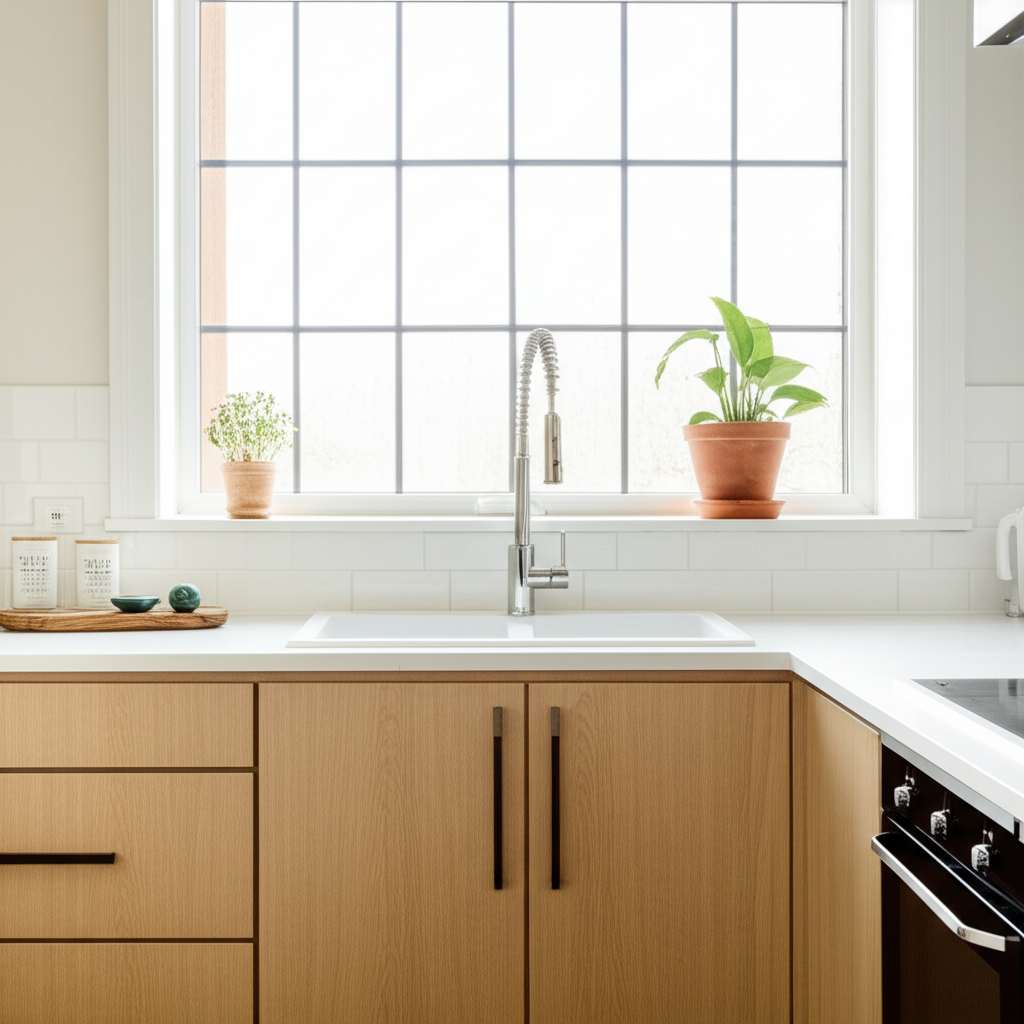
Quick Summary:
Achieve a bright, functional, and minimalist Scandinavian kitchen with these 8 simple design tips. Focus on light colors, natural materials, smart storage, and cozy touches for an effortlessly stylish and inviting space. Perfect for beginners looking for practical, budget-friendly ideas.
Dreaming of a kitchen that feels airy, organized, and super stylish? Maybe you’ve seen those beautiful kitchens online with clean lines and a calm vibe, and you’re wondering how to get that look yourself. It can feel a bit overwhelming when you’re just starting out with decorating, especially if your kitchen space isn’t huge or if you’re on a tight budget.
But guess what? Creating a gorgeous Scandinavian-inspired kitchen is totally achievable, even for beginners! It’s all about simplicity, functionality, and a touch of warmth.
We’ll walk you through 8 easy-to-follow tips that will transform your kitchen into a serene and stylish sanctuary. Get ready to fall in love with your kitchen again!
8 Scandinavian Kitchen Design Tips: Amazing Ideas
Scandinavian design is all about creating spaces that are bright, functional, and filled with natural beauty. Think of cozy cabins in Sweden, minimalist apartments in Copenhagen, or sleek homes in Norway – they all share a common thread of simplicity and comfort. Let’s dive into how you can bring that magic into your own kitchen!
1. Embrace the Light Palette
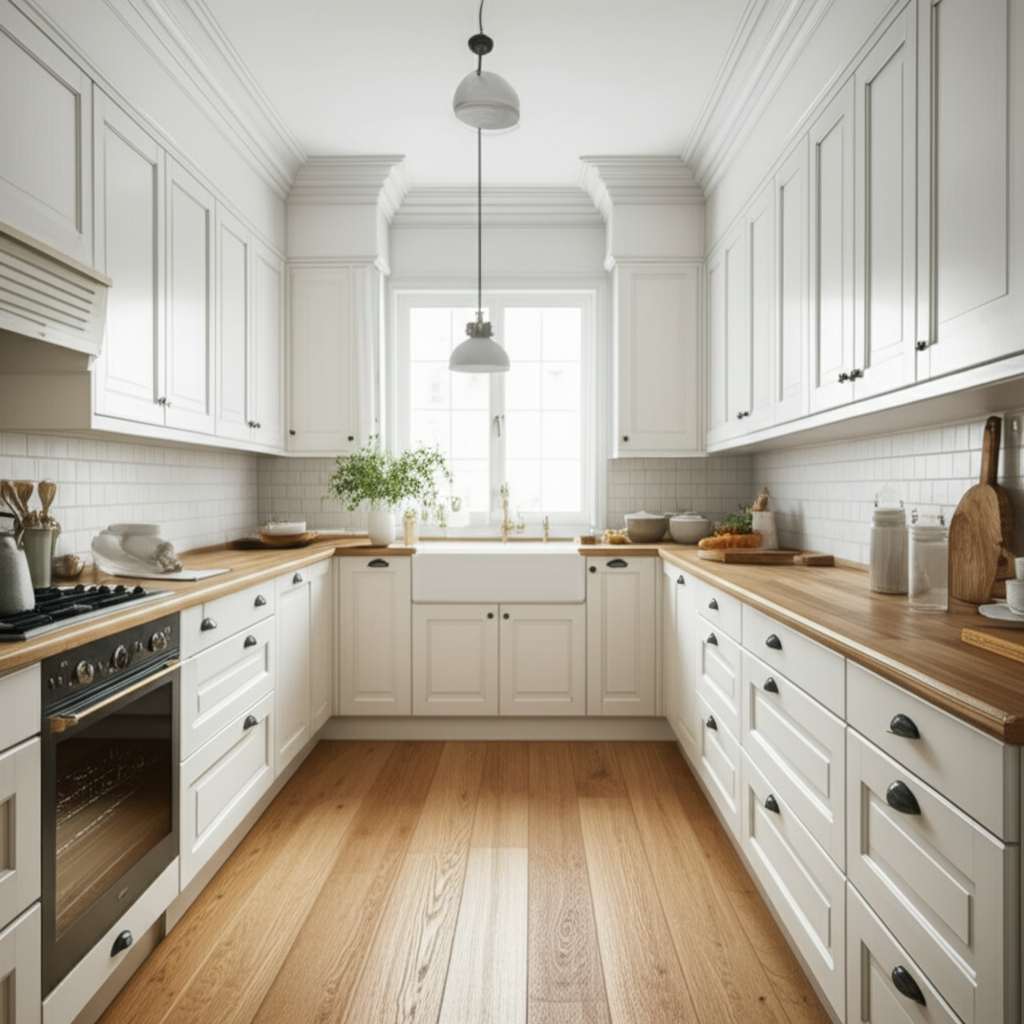
The cornerstone of Scandinavian design is light. Lots and lots of light! This is especially important in kitchens, which are often the heart of the home. A light color scheme makes any space feel larger, brighter, and more open.
- Whites and Off-Whites: These are your best friends. Use them on walls, cabinets, and even the backsplash. They reflect light beautifully, making your kitchen feel expansive.
- Soft Grays and Pastels: If pure white feels too stark, opt for soft, muted grays, pale blues, or gentle greens. These add a subtle touch of color without overwhelming the space.
- Natural Light is Key: Maximize any natural light you have. Keep window treatments minimal – think sheer curtains or no curtains at all if privacy allows.
A bright kitchen feels more welcoming and energizing, setting a positive tone for your day. It’s amazing how much difference a fresh coat of light paint can make! For more inspiration on light-filled kitchens, explore our guide to 12 White Kitchen Decor Ideas.
2. Let Natural Materials Shine
Scandinavian design heavily features materials found in nature. Wood is a star player, bringing warmth and texture into the kitchen. But it’s not just about wood!
- Wood Accents: Consider wooden countertops, open shelving, or a beautiful wooden cutting board as decor. Light-colored woods like birch, ash, or pine are popular choices.
- Stone and Ceramic: Natural stone countertops or ceramic tiles for the backsplash add a touch of elegance and durability.
- Leather and Wool: For added coziness, introduce small touches of leather (like on stool seats) or wool (a small rug).
The key is to use these materials in their most natural or minimally processed forms to maintain their authentic beauty. This connection to nature is what gives Scandinavian spaces their calming feel.
3. Keep it Clean and Clutter-Free
Minimalism is a core principle. A Scandinavian kitchen is a place for cooking and gathering, not for displaying clutter. This means smart storage is essential!
- Streamlined Cabinetry: Opt for simple, flat-front cabinets. Avoid ornate details or busy hardware.
- Concealed Storage: Utilize cabinets and drawers to keep everyday items out of sight. This creates a clean, uninterrupted look.
- Open Shelving (Used Wisely): A few well-styled open shelves can add personality, but keep them organized. Display only your most attractive items.
- Dedicated Zones: Assign specific places for everything. This makes it easy to put things away and keeps the countertops clear.
A clutter-free kitchen is not just visually appealing; it’s also more functional. It’s easier to clean and prepare food when your surfaces are clear.
4. Smart Storage Solutions
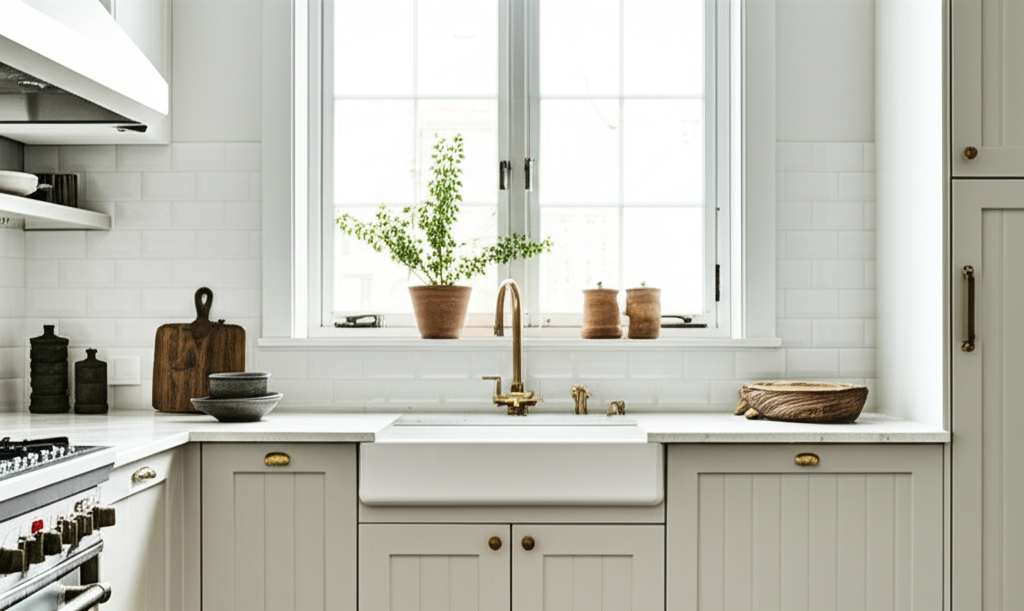
Since clutter is the enemy of Scandinavian style, brilliant storage is your best friend. This is where functionality meets form in a beautiful way.
- Drawer Organizers: Invest in drawer inserts for utensils, spices, and cutlery. This keeps everything tidy and easy to find.
- Pull-Out Shelves and Baskets: Make the most of deep cabinets with pull-out solutions. They bring items from the back to the front, preventing lost items.
- Wall-Mounted Solutions: Use wall rails with hooks for pots, pans, and utensils. This frees up cabinet space and adds a decorative element.
- Built-in Solutions: If possible, consider custom built-in cabinets or shelving that maximizes every inch of space.
Don’t forget about the benefits of good pantry organization. Even a small pantry can become incredibly efficient with the right systems. Discover more clever ideas in our post on 10 Stylish Kitchen Storage Accessories.
For more on efficient kitchen storage, check out these tips from the Better Homes & Gardens, a trusted source for home improvement.
5. Functional Layouts and Simplicity
Scandinavian kitchens are designed to be used. Every element serves a purpose, and the layout is practical and efficient.
- The Work Triangle: Ensure your sink, refrigerator, and stove are arranged in a logical flow to make cooking easier.
- Adequate Counter Space: Plenty of clear counter space is crucial for food preparation.
- Minimalist Hardware: Choose simple knobs or handles for cabinets and drawers, or even opt for handleless designs.
- Integrated Appliances: For a super sleek look, consider appliances that blend seamlessly with your cabinetry.
The goal is a space that feels effortless to move around in and a joy to cook in. Functionality doesn’t have to be boring; it can be beautifully integrated into the design.
6. Add Cozy Touches (Hygge!)
While Scandinavian design is known for its minimalism, it’s also deeply rooted in the concept of “hygge” – a Danish and Norwegian word for a mood of coziness and comfortable conviviality with feelings of wellness and contentment.
- Warm Lighting: In addition to overhead lights, use pendant lights over an island or dining area, and perhaps some under-cabinet lighting for a warm glow. Dimmers are your friend!
- Textiles: A soft rug underfoot, comfortable cushions on stools, or a simple linen dishtowel can add warmth and texture.
- Plants: Bring life into your kitchen with potted herbs or a small plant. They add a touch of natural color and freshness.
- Personal Touches: Display a few favorite pieces of art or ceramics. These personal items make the space feel lived-in and loved.
Hygge is all about creating a warm, inviting atmosphere. It’s the feeling of being comfortable and content in your own home, and the kitchen is the perfect place to cultivate it. For more ways to bring nature indoors, see our collection of 8 Kitchen Plant Decor Ideas.
7. Choose Simple, Elegant Lighting
Lighting is crucial in Scandinavian design, not just for functionality but for ambiance. It’s about creating layers of light.
- Natural Light Maximization: As mentioned, let in as much daylight as possible.
- Task Lighting: This is essential for prepping food. Think under-cabinet lights or focused spotlights.
- Ambient Lighting: Pendant lights or a stylish ceiling fixture provide general illumination and can be a design focal point.
- Accent Lighting: Consider small lamps on shelves or inside glass-front cabinets to create a cozy glow in the evenings.
Opt for fixtures with clean lines and natural materials. Metal finishes like brushed nickel, matte black, or even brass can work beautifully, as can wood or glass.
The U.S. Department of Energy offers great insights into energy-efficient lighting choices that can help you save money while keeping your kitchen bright.
8. Select Minimalist Cabinet Fronts and Hardware
The cabinets are a dominant feature in any kitchen, so their style significantly impacts the overall Scandinavian feel.
- Flat-Panel Doors: These are the epitome of Scandinavian simplicity. They create a smooth, uninterrupted surface.
- Matte Finishes: Matte paints or laminates in white, light gray, or natural wood tones are perfect.
- Simple Hardware: If you choose hardware, go for minimalist designs. Sleek bar pulls, simple knobs in brushed metal, or even black finishes work well.
- Handleless Design: For the ultimate minimalist look, consider cabinets with integrated finger pulls or push-to-open mechanisms.
This focus on clean lines ensures that your kitchen cabinets contribute to the overall sense of calm and order that defines Scandinavian style.
Scandinavian Kitchen Design: A Comparison of Materials
Choosing the right materials can make or break your Scandinavian kitchen. Here’s a quick look at some popular options and their benefits:
| Material | Pros | Cons | Scandinavian Suitability |
|---|---|---|---|
| Light-Colored Wood (Birch, Ash, Pine) | Warm, natural, durable, brings texture, sustainable options available. | Can be prone to scratches or water damage if not sealed properly, may require more maintenance. | Excellent for cabinets, countertops, flooring, and shelving. Adds organic warmth. |
| White or Light Gray Paint | Brightens space, reflects light, versatile, budget-friendly, easy to update. | Can show dirt or scuffs more easily, may require touch-ups. | Ideal for walls, cabinets, and backsplashes. Creates a clean, airy foundation. |
| Marble or Quartz Countertops | Durable, heat-resistant (quartz), elegant look, easy to clean (quartz). | Marble can stain and etch; both can be expensive. | Adds a touch of refined elegance. White or light gray veining works well. |
| Ceramic or Porcelain Tiles | Durable, water-resistant, wide variety of styles and colors, easy to clean. | Grout lines can be hard to clean; some can chip if heavy objects are dropped. | Perfect for backsplashes, often in simple subway tile patterns or natural stone looks. |
| Stainless Steel Appliances | Durable, professional look, easy to clean, modern. | Can show fingerprints and smudges, can be a higher upfront cost. | A common and practical choice that fits the functional aspect of the style. |
When selecting materials, always consider durability, maintenance, and how they contribute to the overall bright and natural aesthetic. You can often find beautiful, budget-friendly alternatives that mimic the look of more expensive natural materials.
Frequently Asked Questions About Scandinavian Kitchen Design
What are the main colors used in Scandinavian kitchens?
The primary colors are whites, off-whites, and very light grays. Soft, muted pastels like pale blue or green are also sometimes used. The focus is on creating a bright, airy feel by reflecting light.
Is Scandinavian design only for small kitchens?
No, Scandinavian design works beautifully in kitchens of all sizes. Its emphasis on light, simplicity, and organization makes small kitchens feel larger and more open, while in larger kitchens, it creates a serene and uncluttered atmosphere.
Do I need to spend a lot of money to achieve a Scandinavian look?
Not at all! Scandinavian design prioritizes simplicity and functionality, which often means fewer decorative items. You can achieve the look with smart paint choices, natural-looking materials (even affordable ones like laminate wood flooring), and by focusing on decluttering and organization.
What kind of flooring works best for a Scandinavian kitchen?
Light-colored wood flooring is ideal. This can be real wood, laminate, or luxury vinyl planks that mimic the look of light wood. Simple, light-colored tiles are also a good option, especially in high-moisture areas.
How can I add warmth to a minimalist Scandinavian kitchen?
Warmth is added through natural materials like wood, cozy textiles such as rugs and cushions, soft lighting (pendant lights, under-cabinet lights), and the inclusion of plants. The concept of “hygge” is key to bringing in that comforting, inviting feel.
Are open shelves a must in a Scandinavian kitchen?
Open shelves can be a great addition, but they are not a requirement. If you choose open shelving, use them sparingly and keep them neatly styled with attractive items. Closed cabinets are perfectly in line with the minimalist, clutter-free aspect of the style.
What are some simple ways to update my current kitchen to feel more Scandinavian?
Start with a fresh coat of white or light gray paint. Declutter your countertops and cabinets. Add a few wooden accents like a new cutting board or utensil holder. Swap out old cabinet hardware for simple, modern pulls. Introduce a few plants or a soft rug.
Conclusion
Creating a Scandinavian kitchen is less about strict rules and more about embracing a philosophy of simplicity, functionality, and a connection to nature. By focusing on a light color palette, natural materials, smart storage, and cozy touches, you can transform your kitchen into a beautiful, inviting space.
Remember, it’s your kitchen! Feel free to adapt these tips to your personal style and your unique space. Whether you’re working with a tiny apartment kitchen or a spacious family hub, the principles of Scandinavian design can help you create a sanctuary that is both stylish and supremely livable. So, grab your paintbrush, clear those counters, and get ready to enjoy the calm and beauty of your newly inspired kitchen!