Transform your sleeping space with our top 9 bedroom hacks for better lighting. Learn to harness natural light, strategically place mirrors, and use layered illumination to create an inviting and functional environment. Elevate your bedroom’s ambiance and functionality with these simple, impactful tips, ensuring every corner is beautifully lit and your bedroom lighting is perfect.
9 Bedroom Hacks for Better Lighting
Your bedroom is more than just a place to sleep; it’s your personal sanctuary, a space for relaxation, reading, and unwinding. The quality of lighting in this important room can dramatically influence your mood, productivity, and the overall feel of the space. Poor bedroom lighting can make a room feel cramped, dark, and uninviting, while well-planned illumination can create a calming, spacious, and functional environment. If you’re looking to brighten up your personal haven, you’re in the right place.
This comprehensive guide will walk you through 9 simple yet impactful bedroom hacks for better lighting. We’ll explore everything from harnessing natural light to strategic decor choices and smart technology. By the end of this guide, you’ll have all the tools you need to transform your bedroom into a beautifully lit retreat. Let’s illuminate your world!
Key Takeaways
- Embrace Natural Light: Prioritize maximizing sunlight by clearing windows, using sheer curtains, and keeping panes clean to create a bright, airy feel.
- Strategic Mirror Placement: Position mirrors opposite or adjacent to windows to reflect natural and artificial light, making your bedroom appear larger and brighter.
- Layered Lighting is Key: Combine ambient (general), task (functional), and accent (decorative) lighting to create versatile and inviting bedroom lighting for any mood or activity.
- Utilize Dimmers & Smart Bulbs: Gain complete control over your bedroom’s atmosphere by installing dimmers or using smart bulbs, allowing you to adjust brightness and color temperature.
- Choose Light-Colored Decor: Opt for light paint colors, furniture, and bedding to reflect light rather than absorb it, enhancing the overall brightness of your space.
- Declutter for Brighter Spaces: Removing unnecessary items, especially from surfaces, prevents shadows and allows light to flow more freely, making your bedroom feel more open.
- Select the Right Bulbs: Pay attention to Kelvin (color temperature) and Lumens (brightness) when choosing bulbs to ensure they suit the purpose and desired mood for each area of your bedroom.
1. Maximize Natural Light
There’s nothing quite like the warm, inviting glow of natural light to make your bedroom feel open and airy. Maximizing the sunlight entering your space is one of the most effective and free bedroom hacks for better lighting. It not only brightens the room but can also boost your mood and regulate your sleep cycle.
Keep Windows Unobstructed
First things first, take a good look at your windows. Are they blocked by heavy furniture, tall plants, or clutter? Move anything that stands in the way of natural light streaming into your room. Even a small shift can make a big difference, allowing more daylight to penetrate deeper into your bedroom. Think about the flow of light and remove any physical barriers.
Opt for Sheer or Light Curtains
While privacy is important, heavy, dark curtains can block out valuable natural light even when open. Consider swapping them for sheer fabrics or light-colored blinds and shades. Sheer curtains allow diffused light to filter in, creating a soft, ethereal glow, while light-colored options reflect more light back into the room. For ultimate flexibility, layer sheer curtains under blackout drapes. This way, you get the benefits of natural light during the day and complete darkness for sleep.
Clean Your Windows Regularly
It might sound simple, but dirty windows can significantly dim the light entering your room. Dust, grime, and streaks act like a filter, reducing the brightness. Make it a habit to clean your windows, both inside and out, every few months. You’ll be surprised at how much brighter your bedroom feels with sparkling clean panes. This is a quick and easy win for better bedroom lighting.
2. Harness the Power of Mirrors
Mirrors are not just for checking your outfit; they are incredibly powerful tools for enhancing bedroom lighting. They work by reflecting light, making a room feel larger and brighter instantly. This is one of the most clever bedroom hacks for better lighting.
Strategic Mirror Placement
The key to using mirrors effectively is placement. Position a large mirror directly opposite a window to reflect the natural light back into the room. This effectively doubles the light source and spreads brightness across your space. If you don’t have a wall opposite a window, placing a mirror adjacent to a window can also work wonders.
Lean or Hang Large Mirrors
Don’t shy away from oversized mirrors. A full-length mirror leaned against a wall or a large decorative mirror hung strategically can make a dramatic impact. The larger the mirror, the more light it can reflect. Consider a mirror with a light-colored or metallic frame to further enhance its light-reflecting properties.
Group Smaller Mirrors
If a large mirror isn’t an option, a gallery wall of smaller mirrors can also create a bright focal point. Arrange them in a way that catches light from multiple angles, bouncing illumination around your bedroom. This adds visual interest while improving your bedroom lighting.
3. Embrace Layered Lighting
One single overhead light simply won’t cut it for optimal bedroom lighting. Layered lighting involves combining different types of light sources to create a versatile and inviting atmosphere. This approach ensures your bedroom is well-lit for any activity, from reading to relaxing.
Ambient Lighting
This is your general, overall illumination. It sets the base level of brightness. A ceiling fixture, such as a flush mount, semi-flush mount, or even a small chandelier, provides ambient light. Ensure it’s bright enough to banish dark corners but not so harsh that it feels like an operating room. Dimmers are crucial here.
Task Lighting
Task lighting is focused illumination for specific activities. In a bedroom, this often means bedside lamps for reading or a vanity light for grooming. Choose lamps with shades that direct light where it’s needed without causing glare. Swing-arm sconces or adjustable desk lamps can be perfect for this. Good task lighting prevents eye strain and makes your space more functional.
Accent Lighting
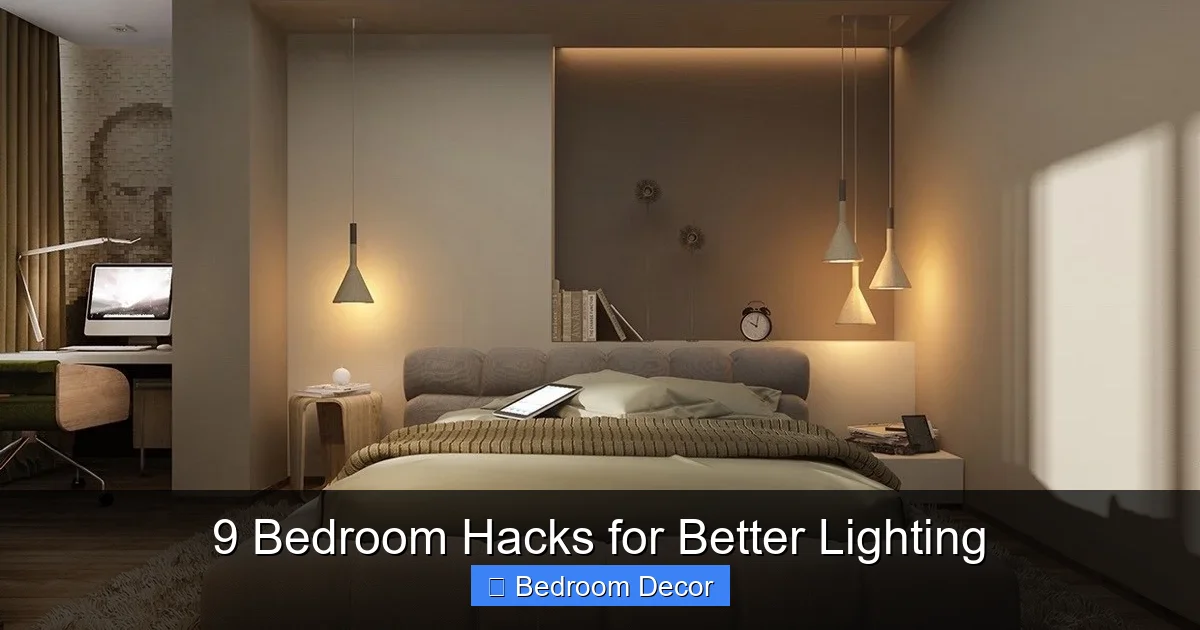
Accent lighting highlights specific features or creates a mood. Think small lamps, picture lights, or LED strip lights. Use them to draw attention to artwork, architectural details, or to add a soft, warm glow. Fairy lights, up-lighting behind furniture, or puck lights in shelving can add a touch of magic and make your bedroom feel more cozy and inviting. This layer adds depth and character to your bedroom lighting scheme.
4. Invest in Dimmers and Smart Lighting
Control is key when it comes to creating the perfect ambiance. Dimmers and smart lighting systems are game-changers for versatile bedroom lighting, allowing you to adjust brightness and even color temperature with ease.
Install Dimmers on All Light Sources
This is perhaps one of the most impactful bedroom hacks for better lighting flexibility. Dimmers allow you to adjust the intensity of your lights. Brighten them for cleaning or getting ready, then dim them down for relaxation or a cozy evening. This simple addition completely transforms the functionality and mood of your bedroom. You can buy dimmer switches that replace your standard ones or smart plugs with dimming capabilities.
Explore Smart Light Bulbs and Systems
Smart lighting takes control to the next level. Smart bulbs can be controlled via an app on your phone, voice commands, or even integrated with smart home systems. Many smart bulbs allow you to change not only the brightness but also the color temperature (from cool white to warm yellow) and even the color of the light itself. Imagine setting your bedroom lights to a soft, warm glow for winding down, then switching to a cool, bright white for an early morning workout – all with a tap or a voice command.
Set Up Schedules and Scenes
With smart lighting, you can program your lights to turn on or off at specific times, or create “scenes” for different activities. A “Relax” scene might dim the overhead lights, turn on soft accent lighting, and set the color to a warm amber. A “Morning” scene could slowly brighten the room to mimic sunrise. This level of customization makes your bedroom lighting truly work for you.
5. Choose Light-Colored Decor
The colors in your bedroom play a huge role in how light is perceived. Dark colors absorb light, making a room feel smaller and dimmer, while light colors reflect light, making the space feel larger and brighter.
Paint Walls in Light Hues
This is a foundational tip for better bedroom lighting. Opt for paint colors in shades of white, cream, pale gray, or soft pastels. These colors reflect natural and artificial light around the room, instantly making it feel more open and airy. If you love a darker accent wall, balance it with lighter tones on the other walls.
Select Light-Colored Furniture
Just like walls, furniture color impacts brightness. Choose furniture pieces in light woods, white finishes, or light upholstery fabrics. A heavy, dark dresser or bed frame can soak up a lot of light. If you already have dark furniture, consider painting it or adding light-colored throws and pillows to balance the visual weight.
Use Light Bedding and Textiles
Your bedding, rugs, and curtains make up a significant visual portion of your bedroom. Swapping out dark, heavy fabrics for light-colored, airy ones can make a huge difference. Crisp white, off-white, or pastel bedding can reflect light beautifully, contributing to an overall brighter aesthetic. Consider a light-colored rug to bounce light from the floor up.
6. Declutter for Brighter Spaces
Clutter isn’t just an organizational issue; it can actually diminish your bedroom lighting. A cluttered room creates shadows and obstructs the flow of light, making the space feel heavier and darker.
Clear Surfaces
Take a critical look at your nightstands, dresser tops, and any shelves. Are they overflowing with books, trinkets, or clothes? Clear them off! Minimalist surfaces allow light to spread unimpeded and make the room feel much cleaner and brighter. Keep only essential items and decorative pieces that genuinely enhance the space.
Remove Unnecessary Furniture
Too much furniture, especially large, bulky pieces, can block windows, create dark corners, and make a bedroom feel cramped. Evaluate if every piece of furniture serves a purpose and if it’s appropriately sized for your room. Removing a seldom-used chair or a too-large chest of drawers can open up the room and allow light to circulate better.
Organize and Conceal
If you have items you need but don’t want on display, invest in smart storage solutions. Baskets, storage ottomans, or under-bed storage can help keep clutter out of sight. When items are neatly stored away, the room feels more organized, spacious, and allows your carefully planned bedroom lighting to shine through.
7. Strategic Task Lighting
While we touched on task lighting in the layered lighting section, it deserves its own emphasis because effective task lighting is crucial for both functionality and comfort in your bedroom. This is one of the most practical bedroom hacks for better lighting.
Bedside Lamps for Reading
A common mistake is having only one bedside lamp or one that’s too dim. Ensure each side of the bed has its own dedicated task light. Choose lamps that provide sufficient brightness for reading without disturbing a sleeping partner. Adjustable lamps or wall-mounted sconces with flexible arms are excellent choices, as they allow you to direct the light precisely where you need it. Look for bulbs in the 2700K-3000K range for warm, comfortable reading light.
Vanity Lighting
If you have a vanity or dressing area in your bedroom, proper lighting is essential for grooming and applying makeup. Side-mounted sconces or a light bar placed above a mirror provide even, shadow-free illumination. Avoid single overhead lights, which can cast harsh shadows on your face. Aim for bulbs that offer good color rendering (high CRI) to ensure accurate color perception.
Desk or Workspace Lighting
If your bedroom doubles as a workspace, a dedicated desk lamp is a must. It should provide focused light on your work surface, reducing eye strain. An adjustable arm lamp is ideal, allowing you to position the light exactly where it’s needed.
8. Add Mood with Accent Lighting
Accent lighting is the secret ingredient for creating atmosphere and highlighting your bedroom’s best features. It adds depth, warmth, and personality to your bedroom lighting scheme, making it feel less utilitarian and more luxurious.
Highlight Artwork or Architectural Features
Use small picture lights to illuminate wall art, or discreet spotlights to draw attention to unique architectural details like a textured wall or a built-in shelf. This adds a sophisticated touch and elevates the overall design of your room.
Backlight Furniture or Shelves
LED strip lights can be hidden behind your headboard, under floating shelves, or beneath a dresser to create a soft, ethereal glow. This indirect lighting adds a modern touch and can make furniture appear to float, contributing to a more spacious feel. It’s a subtle yet impactful way to enhance your bedroom lighting.
Decorative Lamps and String Lights
Beyond functionality, consider lamps purely for their decorative appeal. A small, sculptural table lamp or a floor lamp with an interesting design can act as a visual accent. For a whimsical or romantic touch, string fairy lights around a bed frame, window, or along a wall. These aren’t meant to light the entire room but to add a beautiful, inviting twinkle.
9. Select the Right Light Bulbs
The type of light bulb you choose can make a world of difference in your bedroom lighting. It’s not just about brightness; color temperature and energy efficiency are equally important. This is one of the most technical yet impactful bedroom hacks for better lighting.
Understand Color Temperature (Kelvin)
Color temperature, measured in Kelvin (K), dictates the “warmth” or “coolness” of the light.
- Warm White (2700K-3000K): Emits a soft, yellowish light, similar to traditional incandescent bulbs. Ideal for creating a cozy, relaxing, and inviting atmosphere in a bedroom.
- Cool White/Bright White (3500K-4100K): More neutral, less yellow, and closer to natural daylight. Can be good for task lighting if you need a brighter, more alert feel, but might be too harsh for ambient bedroom lighting.
- Daylight (5000K-6500K): A bright, bluish-white light that mimics midday sun. Generally too intense and stimulating for a bedroom, but some prefer it for specific task areas like a makeup vanity.
For general bedroom lighting, stick to the warm white range (2700K-3000K) for a comforting glow.
Consider Brightness (Lumens)
Lumens measure the brightness of a bulb. Don’t rely solely on wattage, as LED bulbs produce more lumens with less wattage.
- Ambient Lighting: For a typical bedroom, you might aim for 1500-4000 lumens in total, spread across multiple fixtures.
- Task Lighting: A bedside reading lamp might need 400-800 lumens on its own.
It’s always better to have more lumens than you need and use a dimmer to reduce brightness, rather than having too little light.
Opt for Energy-Efficient LEDs
LED bulbs are highly energy-efficient, long-lasting, and come in a wide range of color temperatures and brightness levels. While they might have a higher upfront cost, they save money on electricity bills and replacement costs in the long run. They are also available in dimmable versions, which is essential for bedroom lighting control.
Troubleshooting Common Bedroom Lighting Issues
Even with the best hacks, you might run into some snags. Here are a few common problems and how to fix them:
Issue: Lights are too harsh or too dim.
Solution: If too harsh, install dimmers or swap high-lumen bulbs for lower ones (or vice-versa for dim). Check bulb Kelvin rating; too high (e.g., 5000K) can feel harsh. Always aim for adjustable light.
Visual guide about 9 Bedroom Hacks for Better Lighting
Image source: cdn.home-designing.com

Visual guide about 9 Bedroom Hacks for Better Lighting
Image source: i.ytimg.com

Visual guide about 9 Bedroom Hacks for Better Lighting
Image source: i.ytimg.com
Issue: Dark corners despite overhead light.
Solution: You likely need more layered lighting. Add floor lamps, table lamps, or wall sconces to fill in those dark areas. Mirrors can also help bounce light into corners.
Issue: Flickering lights.
Solution: This often indicates an incompatible dimmer switch with an LED bulb, a loose bulb, or a faulty bulb. Ensure your dimmer is LED-compatible if using LEDs. Try tightening the bulb or replacing it. If the problem persists, an electrician may be needed.
Issue: Room feels cold or uninviting.
Solution: Your color temperature might be too high (e.g., 4000K+). Switch to bulbs with a warmer color temperature (2700K-3000K) to create a cozier atmosphere. Also, consider adding accent lighting.
Conclusion
Transforming your bedroom lighting doesn’t require a complete overhaul or a massive budget. By implementing these 9 bedroom hacks for better lighting, you can significantly enhance the comfort, functionality, and aesthetic appeal of your personal sanctuary. From maximizing natural daylight and strategically placing mirrors to embracing layered lighting and smart bulb technology, each tip offers a practical way to brighten your space.
Remember, good bedroom lighting is about creating a flexible environment that can adapt to your needs throughout the day and night. Experiment with these ideas, mix and match, and find what works best for your unique space. A well-lit bedroom isn’t just about seeing better; it’s about feeling better, more relaxed, and more at home. Start applying these hacks today and enjoy the beautiful, inviting glow of your revitalized bedroom.