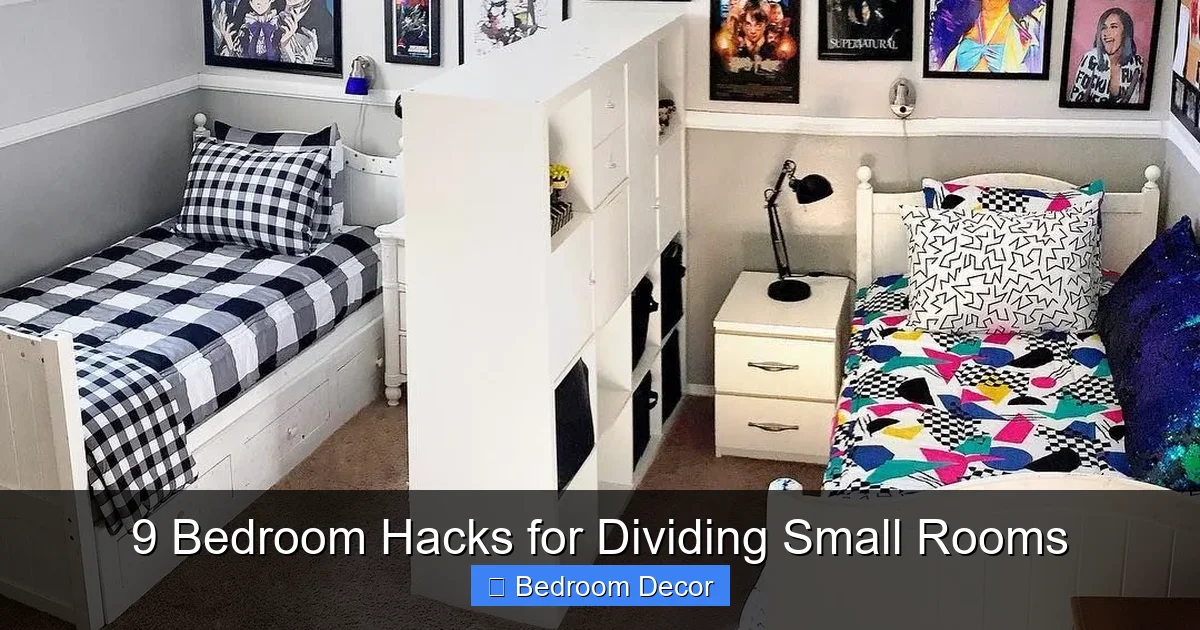
Small bedrooms often present a challenge when you need to create distinct zones for sleeping, working, or lounging. This guide reveals 9 ingenious bedroom hacks for dividing small rooms, offering practical and stylish solutions without the need for major renovations. You’ll learn how to leverage everything from curtains and bookshelves to strategic furniture placement and creative lighting to maximize both privacy and functionality in your compact space, transforming it into a versatile and harmonious haven.
9 Bedroom Hacks for Dividing Small Rooms
Living in a small space doesn’t mean you have to sacrifice functionality or privacy. In fact, with a bit of creativity and strategic thinking, you can transform even the most compact bedroom into a multi-functional sanctuary. Whether you’re sharing a room, carving out a home office nook, or simply want to define distinct zones within your personal space, these 9 bedroom hacks for dividing small rooms are here to inspire.
We understand the challenges: a single room often needs to serve multiple purposes. You need a sleeping area, perhaps a study zone, a dressing corner, or even a lounge spot. The good news is that you don’t need a major renovation or a massive budget to achieve this. We’re going to explore smart, stylish, and practical ways to section off your small bedroom, making it feel larger, more organized, and perfectly tailored to your needs. Get ready to unlock the full potential of your compact living area!
Key Takeaways
- Embrace Versatile Room Dividers: Utilize physical barriers like curtains, screens, bookshelves, or even custom half-walls to create distinct zones for sleeping, working, or relaxing within a single small room.
- Leverage Furniture Strategically: Position large furniture pieces like wardrobes, armoires, or even the bed itself to naturally section off areas, defining boundaries without adding extra structures.
- Think Vertically: Maximize space efficiency by choosing tall, slender room dividers that draw the eye upwards, or by utilizing vertical storage solutions that double as partitions.
- Prioritize Light and Flow: When dividing a small room, opt for solutions that don’t completely block natural light or impede the flow of movement. Sheer curtains, open shelving, or clever lighting can maintain an airy feel.
- Define Zones with Lighting: Use different types of lighting – task, ambient, accent – in each “zone” to psychologically separate areas, even without physical barriers, creating distinct moods and functions.
- Consider Flexibility and Portability: For rented spaces or evolving needs, opt for temporary and movable room dividers like screens, tension-rod curtains, or modular shelving that can be easily rearranged or removed.
- Personalize and Style: Ensure your chosen dividing solution complements your existing decor and personal style. A well-integrated divider enhances both the function and aesthetic appeal of your small bedroom.
1. Embrace Curtains and Drapes for Instant Division
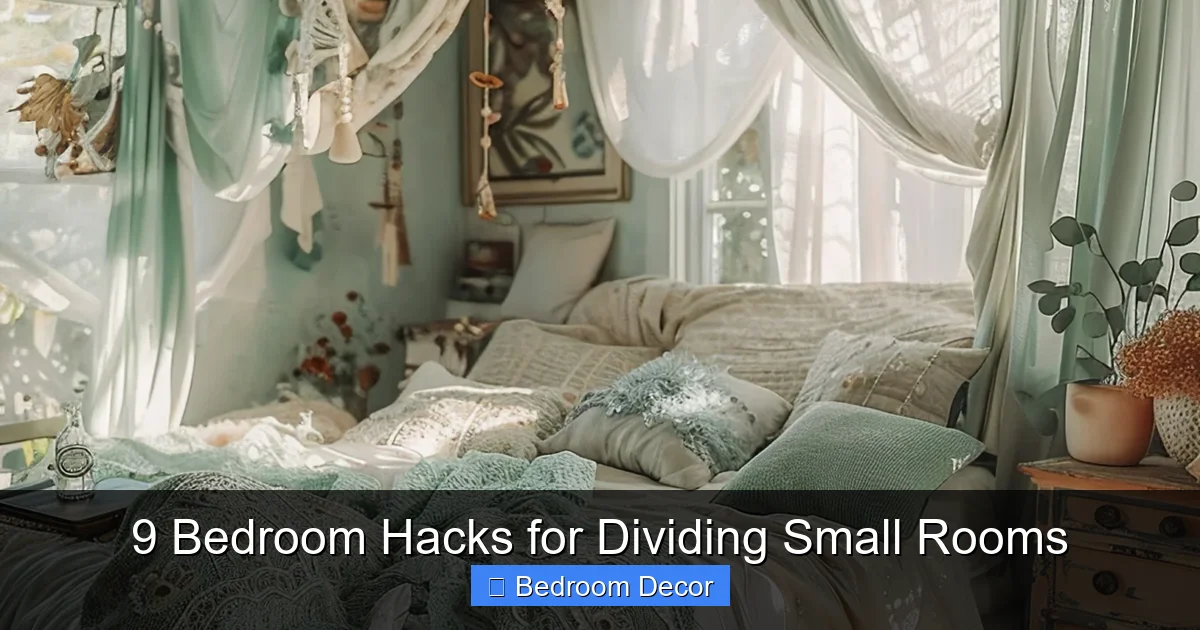
One of the most versatile and budget-friendly bedroom hacks for dividing small rooms is the humble curtain. Curtains offer a soft, flexible barrier that can be easily opened or closed, allowing you to control privacy and light with ease. They introduce a touch of elegance and can instantly transform the feel of your room.
How to Implement Curtain Dividers:
- Choose Your Style: Decide if you want sheer, light-filtering curtains to maintain an airy feel, or heavier, blackout drapes for maximum privacy and light control. The material and color can significantly impact the room’s aesthetic.
- Installation Methods:
- Tension Rods: Perfect for renters or those who want a non-permanent solution. Simply extend a tension rod between two walls or inside a doorway.
- Ceiling-Mounted Tracks: For a more seamless and custom look, install tracks directly onto the ceiling. This creates a floor-to-ceiling division that feels very intentional and high-end.
- Wire Systems: A thin wire strung across the room provides a minimalist look for lighter curtains.
- Placement Ideas:
- Around the Bed: Create a cozy, private sleeping nook within a larger studio apartment or shared bedroom.
- To Hide a Wardrobe: If you don’t have a built-in closet, curtains can elegantly conceal an open wardrobe or clothes rack.
- Separating a Workspace: Draw a curtain to visually separate your desk area from the rest of the bedroom when it’s time to relax.
Practical Tip:
Layer different curtain types (e.g., sheer behind solid) on a double track for ultimate flexibility in light and privacy. This is one of the most effective bedroom hacks for dividing small rooms because it’s so adaptable.
2. Utilize Bookshelves and Open Shelving as Dividers
Visual guide about 9 Bedroom Hacks for Dividing Small Rooms
Image source: craftsyhacks.com
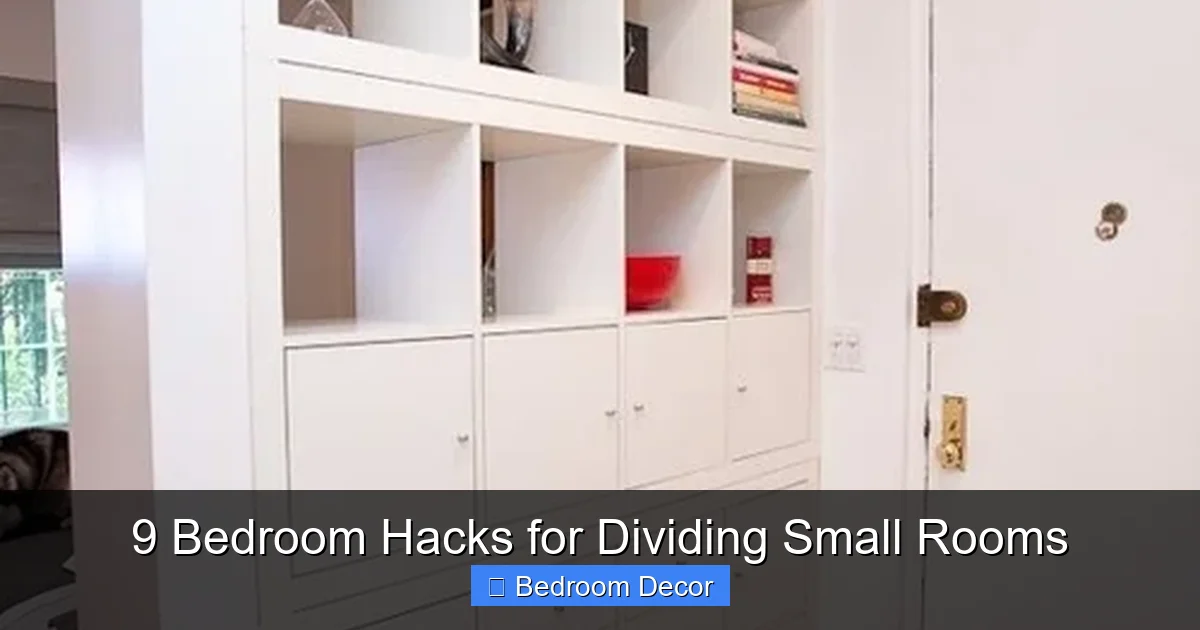
Bookshelves are much more than just storage; they are fantastic multi-functional room dividers. They offer a physical barrier without completely blocking light, and they provide valuable storage or display space. This is a brilliant solution when you’re looking for bedroom hacks for dividing small rooms that also solve storage woes.
Choosing the Right Bookshelf:
- Open-Backed Shelving: Ideal for small rooms as they allow light to filter through, preventing the space from feeling too cramped. You can still see through them, which maintains an open feel.
- Cube Storage Units: Modular and flexible, these units can be configured in various ways and often include fabric bins or baskets for concealed storage.
- Height Matters: A full-height bookshelf will create a more defined separation, while a shorter one can delineate zones without completely closing off the view.
How to Position and Style:
- Place Strategically: Position the bookshelf perpendicular to a wall to divide a bedroom into sleeping and living/working areas.
- Decorate Smartly: Fill shelves with books, decorative objects, plants, or even task lighting to make the divider both functional and aesthetically pleasing. Avoid overstuffing, as this can make the room feel cluttered.
- Anchor for Safety: Always anchor tall bookshelves to the wall or floor, especially if they are free-standing, to prevent tipping.
Practical Tip:
Consider a bookshelf with different orientations. Some units allow you to place items from both sides, maximizing their utility as a divider.
3. Implement Freestanding Room Divider Screens
Visual guide about 9 Bedroom Hacks for Dividing Small Rooms
Image source: lovethispic.com
Room divider screens are classic and chic bedroom hacks for dividing small rooms. They are portable, easy to move, and come in a vast array of styles, materials, and designs, making them highly adaptable to any decor.
Types of Screens and Their Benefits:
- Folding Screens: Typically made of wood, bamboo, or fabric panels, these are lightweight and can be easily folded away when not needed. They offer instant privacy.
- Shoji Screens: Japanese-inspired screens often feature translucent paper or fabric panels, allowing diffused light to pass through while still providing a sense of division.
- Artistic Screens: Some screens are designed as standalone pieces of art, adding a decorative element to your room while serving a functional purpose.
Where to Use Them:
- Privacy for Dressing: Set up a screen to create a private changing area.
- Headboard Alternative: Place a screen behind your bed to define the sleeping zone and add a decorative touch.
- Temporary Office Nook: Quickly establish a workspace that can be hidden away at the end of the day.
Practical Tip:
Choose a screen that complements your existing furniture and color scheme. A metallic screen can add modern flair, while a bamboo one can bring a touch of natural warmth.
4. Explore Folding Walls or Bi-Fold Doors
Visual guide about 9 Bedroom Hacks for Dividing Small Rooms
Image source: i.pinimg.com
While slightly more involved than the previous options, incorporating folding walls or bi-fold doors can be a game-changer for truly flexible bedroom division. These solutions provide a more substantial separation when needed but can completely open up the space when desired. This is a more permanent yet incredibly flexible one of the bedroom hacks for dividing small rooms.
Considerations for Installation:
- Folding Walls: These systems are often installed on a track and can fully extend to create a solid wall or fold back almost flush against another wall. They are excellent for creating a guest room or home office that disappears when not in use.
- Bi-Fold Doors: Similar to closet doors, bi-fold doors can be installed in an opening to create a semi-permanent division. They pivot and fold, taking up less space than traditional swing doors.
Benefits and Applications:
- Maximum Privacy and Sound Control: Compared to curtains or screens, these offer a much better barrier for sound and visual privacy.
- Space Efficiency: When folded, they reclaim almost all of the floor space, making the room feel larger and more open.
- Defining Multi-Use Areas: Perfect for a studio apartment where you want to completely separate the sleeping area from the living room or kitchen when entertaining.
Practical Tip:
Consult with a professional installer for these options, as they require precise measurements and proper structural support. Choose materials that are lightweight but sturdy.
5. Strategic Furniture Placement to Define Zones
Sometimes, the best room dividers aren’t dedicated partitions at all, but rather existing furniture pieces positioned cleverly. This is one of the most cost-effective bedroom hacks for dividing small rooms, as it uses what you already have.
How to Arrange Furniture:
- The Sofa or Bench Method: In a studio, place the back of a small sofa or bench against the foot of your bed to create a living room zone. This immediately defines two distinct areas.
- Headboard as a Divider: For a dramatic effect, consider a very tall or wide headboard. Instead of placing the bed against a wall, float it in the center of the room with the headboard acting as a partial room divider. The back of the headboard can be a great place to attach a small console table or shelving unit.
- Desk as a Divider: Position a desk perpendicular to a wall, allowing it to act as a barrier between your work zone and your relaxation space.
Benefits:
- No Extra Cost: Uses furniture you already own.
- Multi-functional: Each piece serves its primary purpose while also aiding in room division.
- Maintains Openness: Doesn’t create solid walls, so light and air can still flow freely.
Practical Tip:
Ensure there’s still enough clearance for movement around all furniture pieces. A crowded room can feel smaller, not larger.
6. Construct Half-Walls or Pony Walls
For a more architectural approach to dividing small rooms, consider building a half-wall or pony wall. These low-height walls offer a permanent division without completely enclosing the space, maintaining an open feel while providing clear definition.
Design and Functionality:
- Visual Separation: A pony wall creates a clear boundary between areas, like a sleeping zone and a reading nook, without blocking natural light or making the room feel claustrophobic.
- Dual Functionality: The top of a half-wall can serve as a shelf for decor, books, or a charging station. The side facing one area could have built-in shelving, while the other side is left plain.
- Sound Reduction: While not fully soundproof, a solid half-wall offers more sound dampening than curtains or screens.
Installation Considerations:
- Permit Requirements: Check local building codes, as even a non-load-bearing half-wall might require a permit depending on its size and location.
- Professional Help: Unless you have advanced DIY skills, consider hiring a carpenter for accurate construction and finishing.
- Material Matching: Ensure the wall’s finish (paint, wallpaper) matches or complements your existing decor.
Practical Tip:
Integrate electrical outlets into your pony wall for added convenience, especially if it’s dividing a workspace from a sleeping area.
7. Install Sliding Barn Doors or Pocket Doors
If your small bedroom has an existing doorway or a wide opening you want to cover with more than a curtain, sliding barn doors or pocket doors are stylish and space-saving alternatives to traditional swing doors. They’re excellent bedroom hacks for dividing small rooms when you need a solid barrier that doesn’t consume valuable floor space.
Space-Saving Solutions:
- Sliding Barn Doors: These mount on a track above the doorway and slide along the wall. They are a popular choice for their rustic yet modern aesthetic and ease of installation.
- Pocket Doors: These doors slide directly into a compartment within the wall itself, disappearing completely when open. They offer the most space efficiency but require more significant construction.
Benefits:
- Full Enclosure: Offers complete visual and significant sound privacy when closed.
- No Swing Arc: Frees up floor space that would otherwise be needed for a traditional door to swing open.
- Stylish Statement: A well-chosen barn door can be a strong design element in itself.
Practical Tip:
For barn doors, ensure you have enough clear wall space adjacent to the opening for the door to slide open fully. For pocket doors, this is a job best left to professionals unless you are experienced with wall construction.
8. Repurpose Wardrobes or Armoires as Dividers
A large wardrobe or armoire is a fantastic piece of furniture for storage, and it can double as an effective room divider. This is a brilliant two-in-one solution for bedroom hacks for dividing small rooms that are short on both space and storage.
How to Use Them:
- Position Perpendicular: Place a wardrobe or armoire perpendicular to a wall to create a clear boundary. For example, use it to separate your sleeping area from a small dressing room or a study nook.
- Back-to-Back: If you have two wardrobes, you could even place them back-to-back to form a more substantial wall, perhaps with a small gap in between for wiring or decorative elements.
- Add Functionality to the Back: The back of a wardrobe is often plain. Consider adding a self-adhesive wallpaper, a mirror, a chalkboard, or even a small picture gallery to make it an attractive feature from the “other” side of the room.
Advantages:
- Heavy-Duty Storage: Provides ample space for clothes, linens, or other items.
- Solid Division: Offers good visual and some sound separation.
- Portability: While heavy, a wardrobe can still be moved if your room layout needs to change.
Practical Tip:
For safety, always secure tall, free-standing wardrobes to the wall, especially if they are not against a full wall. This is crucial for stability.
9. Use Clever Lighting Zones for Psychological Division
Sometimes, a physical barrier isn’t necessary. You can achieve a sense of division and different “zones” in your small bedroom purely through clever lighting. This is one of the more subtle yet powerful bedroom hacks for dividing small rooms.
Implementing Lighting Zones:
- Task Lighting: Use a desk lamp for your workspace, a reading lamp by your bed, or focused spotlights over a dressing area. This highlights the function of each zone.
- Ambient Lighting: Use different ambient light sources (e.g., a warm floor lamp in the lounge area, cooler overhead light in a workspace) to create distinct moods.
- Accent Lighting: Add decorative lighting like LED strips under shelves, picture lights, or small fairy lights to draw attention to specific areas and define their boundaries.
Benefits:
- Maintains Openness: No physical barriers means the room still feels completely open and spacious.
- Flexibility: Lighting can be changed or adjusted instantly with switches or smart home technology.
- Mood Creation: Different lighting can evoke different feelings, allowing you to easily switch from a bright workspace to a cozy sleeping haven.
Practical Tip:
Invest in smart bulbs or dimmer switches for maximum control over brightness and color temperature in each zone. This allows for quick transitions between functions and moods in your divided small room.
Important Considerations for Dividing Small Rooms
When implementing any of these bedroom hacks for dividing small rooms, keep these points in mind:
Maintain Light and Airflow
One of the biggest challenges in a small room is maintaining a sense of openness. Avoid solutions that completely block natural light from windows or impede air circulation. Opt for translucent materials, open designs, or solutions that can be easily opened up.
Consider Your Needs and Lifestyle
Think about *why* you’re dividing the room. Do you need a permanent private space, or just a temporary visual barrier? Is sound privacy a priority, or is visual separation enough? Your specific needs will guide your choice of divider.
Aesthetic Integration
Whatever method you choose, ensure it blends seamlessly with your existing decor. The divider should enhance, not detract from, the room’s overall aesthetic. Consider colors, materials, and styles that complement your current furnishings.
Safety First
Always ensure that any freestanding structures like tall bookshelves or wardrobes are properly anchored to prevent tipping. If installing anything permanent or semi-permanent, consult with professionals.
Flexibility for the Future
If you’re a renter or anticipate your needs changing, prioritize flexible and portable solutions like curtains, screens, or modular furniture that can be easily rearranged or removed.
Conclusion
Dividing a small bedroom doesn’t have to be a daunting task. With these 9 creative bedroom hacks for dividing small rooms, you have a wealth of options to transform your compact space into a highly functional, stylish, and comfortable environment. From the soft elegance of curtains to the robust utility of bookshelves and the subtle magic of lighting, each solution offers a unique way to create distinct zones without sacrificing precious square footage.
By thinking strategically about how you use your space and leveraging smart design principles, you can carve out areas for work, rest, and relaxation, making your small bedroom feel significantly larger and more purposeful. Embrace these ideas, experiment with what works best for your needs, and enjoy the newfound versatility of your beautifully divided room!