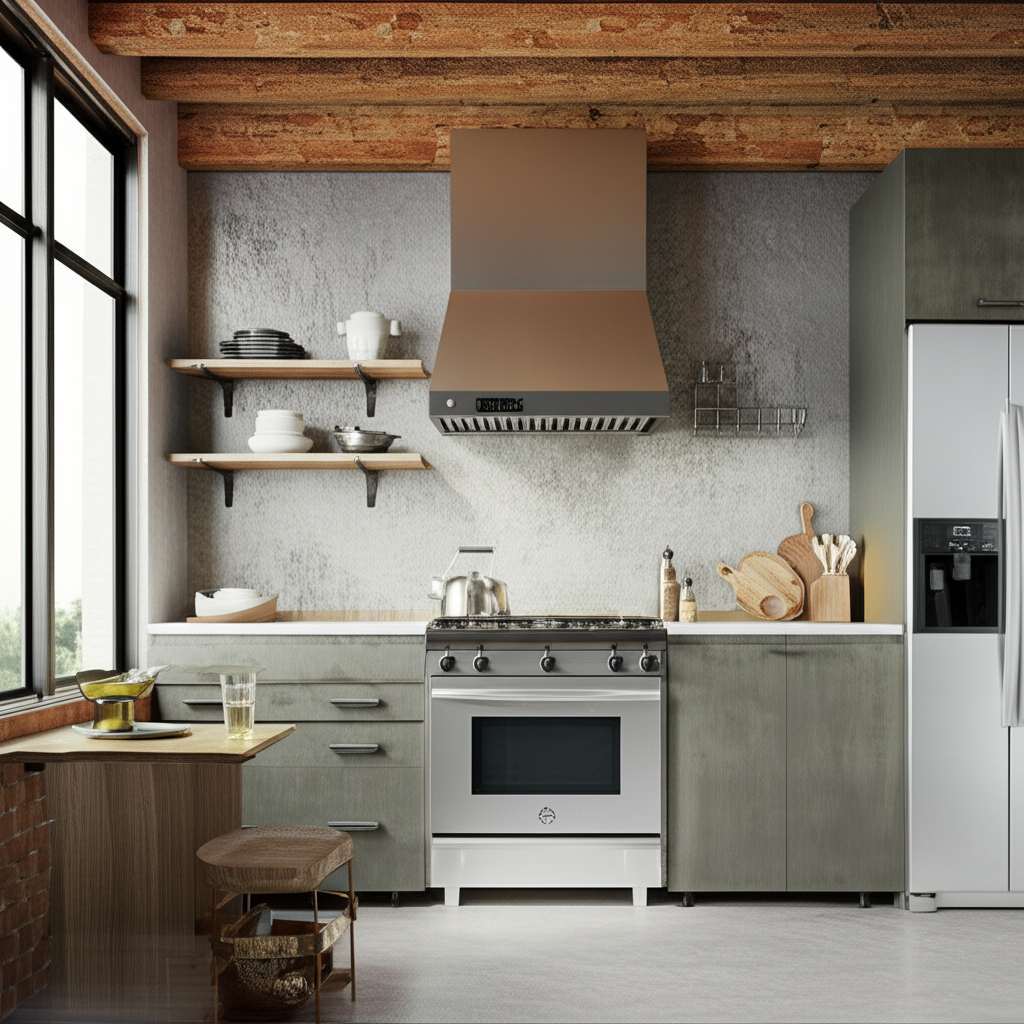
Transform your kitchen into a chic, functional industrial space with these 9 stunning design ideas! Perfect for beginners, this guide offers easy-to-implement tips for a modern, durable, and stylish makeover on any budget.
Dreaming of a kitchen that feels both edgy and welcoming? An industrial kitchen design might be just what you’re looking for. These spaces blend raw, unfinished elements with sleek functionality, creating a look that’s both timeless and on-trend.
But where do you even start? The thought of a major renovation can feel a bit daunting, especially if you’re new to design. Don’t worry, I’m here to help!
We’ll walk through 9 amazing industrial kitchen design ideas that are totally achievable. You’ll get simple, practical tips to bring this cool, modern vibe into your home, no matter your space or budget.
Ready to discover how to create your dream industrial kitchen? Let’s dive in!
What is Industrial Kitchen Design?
Industrial kitchen design is inspired by old factories, warehouses, and industrial spaces. Think exposed brick, metal accents, open shelving, and raw materials. It’s a style that embraces the beauty of imperfection and functional elements.
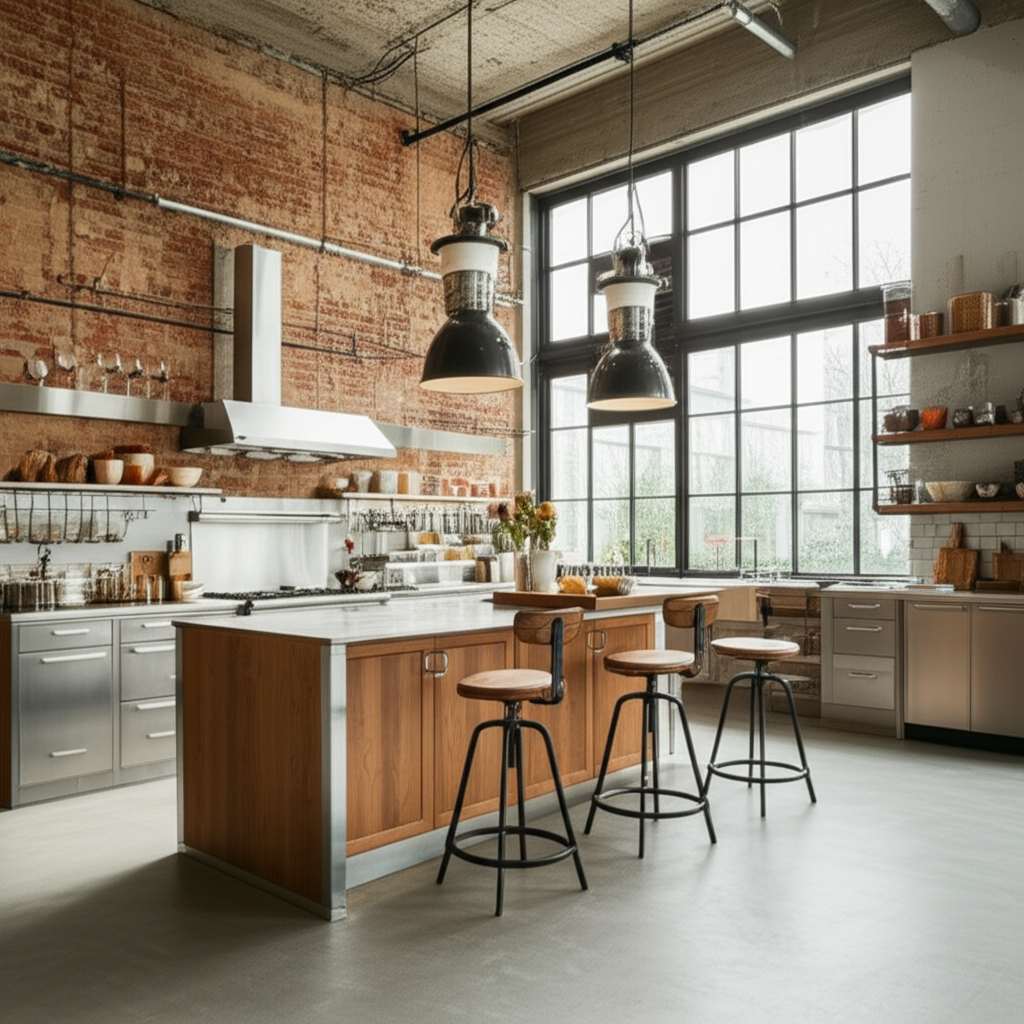
The goal is to create a space that feels authentic, durable, and effortlessly cool. It’s less about fussy details and more about showcasing the materials and structure in a beautiful way.
9 Industrial Kitchen Design Ideas for a Stunning Makeover
Let’s get to the fun part! Here are 9 industrial kitchen design ideas to inspire your next makeover:
1. Embrace Exposed Brick
One of the hallmarks of industrial design is exposed brick. Whether you have an existing brick wall or want to add it, this element instantly brings warmth, texture, and character to your kitchen.
You can expose an existing brick wall by carefully removing plaster and paint. If that’s not an option, consider using thin brick veneers or even high-quality brick-patterned wallpaper for a similar effect without the structural changes.
This adds a rustic, authentic feel that pairs wonderfully with other industrial elements. It’s a fantastic focal point that makes a big statement.
2. Go for Metal Accents
Metal is a key player in industrial kitchens. Think stainless steel appliances, open shelving made of metal, pendant lights with metal shades, or even a metal backsplash.
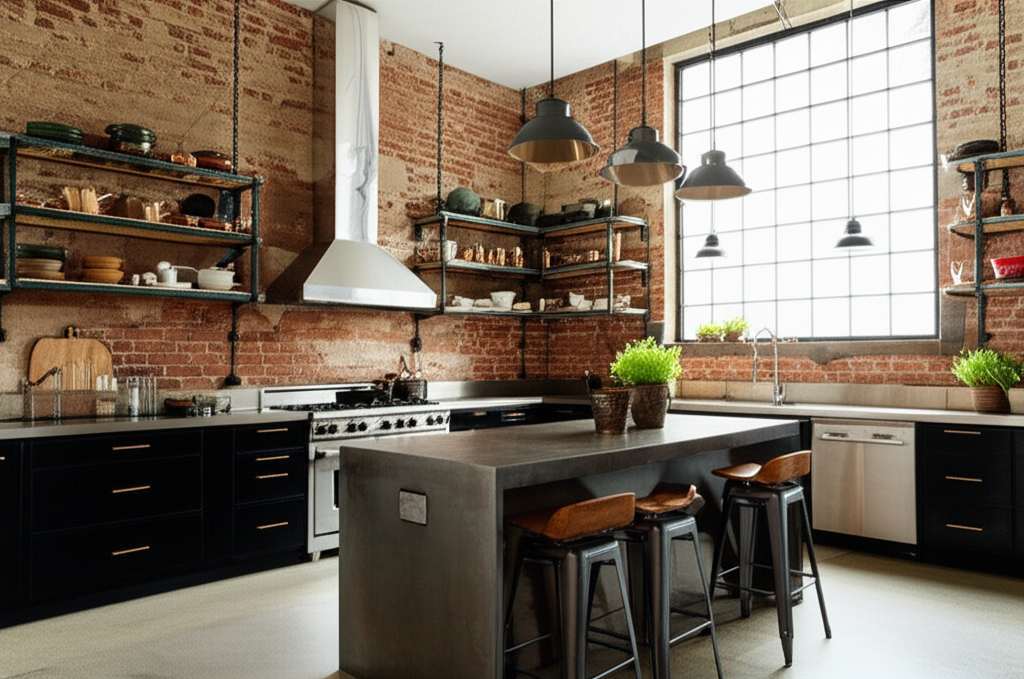
Matte black, brushed nickel, and raw steel are popular choices. These metals add a touch of sleekness and durability, contrasting nicely with warmer materials like wood or brick.
Don’t be afraid to mix metals, but try to keep it cohesive. For example, if your faucet is brushed nickel, consider cabinet hardware in a similar finish.
3. Install Open Shelving
Forget bulky upper cabinets! Open shelving is a fantastic way to display your favorite dishes, glassware, and even some decorative items. It makes your kitchen feel more spacious and accessible.
You can opt for wooden shelves with metal brackets for a rustic look, or sleek metal shelves for a more modern industrial feel. Ensure your shelves are sturdy and securely mounted, especially if you plan to store heavy items.
This design choice encourages organization and keeps your most-used items within easy reach. It also allows you to showcase your personal style through curated displays. For even more clever storage solutions, check out these stylish kitchen storage accessories.
4. Choose Raw Wood Elements
To balance the coolness of metal and concrete, incorporate natural wood. This could be in the form of reclaimed wood countertops, wooden shelves, or a butcher block island.
The natural grain and imperfections of wood add warmth and a lived-in feel. Opt for finishes that highlight the wood’s natural beauty, rather than overly glossy or synthetic looks.
Wooden elements can soften the industrial edge, making your kitchen feel more inviting and comfortable. It’s a beautiful way to add organic texture. Explore more ways to integrate wood with these wooden kitchen decor ideas.
5. Incorporate Concrete
Concrete is a quintessential industrial material. Think concrete countertops, a concrete floor, or even a concrete pendant light. It’s durable, versatile, and adds a raw, modern edge.
While concrete countertops might sound intimidating, they are quite practical. They are heat-resistant and can be sealed to prevent staining. You can even find pre-cast concrete countertops for easier installation.
The neutral, matte finish of concrete works well with almost any color palette and other industrial materials. It offers a sleek, no-fuss aesthetic.
6. Opt for Stainless Steel Appliances
Stainless steel appliances are a natural fit for industrial kitchens. They are durable, easy to clean, and embody the professional-grade look that industrial design often emulates.
From refrigerators and ovens to dishwashers and range hoods, stainless steel brings a sleek, modern, and functional element. It’s a practical choice that holds up well to heavy use.
If a full suite of stainless steel appliances is out of budget, consider a stainless steel range hood as a statement piece. You can also find stainless steel accessories like sinks or backsplashes.
7. Use Subway Tiles (with a Twist)
Subway tiles are a classic choice, but in an industrial kitchen, they can be given a modern twist. Opt for larger format subway tiles, or choose ones with a slightly irregular texture or finish.
Dark grout can enhance the graphic quality of the tiles, making them pop against a lighter tile. Consider a matte finish rather than glossy for a more subdued industrial look.
Subway tiles are also incredibly practical for backsplashes, being easy to clean and maintain. They offer a clean, timeless backdrop for your industrial elements. For more tile inspiration, see these kitchen wall tile ideas.
8. Hang Industrial Pendant Lights
Lighting is crucial in setting the mood. Industrial pendant lights, often made of metal with exposed bulbs or wire cages, are perfect for this style.
Hang them over an island or a dining area to create a focal point. Edison bulbs, with their warm, vintage glow, are a popular choice that complements the industrial aesthetic.
Consider adjustable pendants or track lighting to direct light where you need it most, adding both style and functionality. Good lighting can completely transform the feel of your kitchen.
9. Choose a Neutral Color Palette
Industrial kitchens typically lean towards a neutral color palette. Think grays, blacks, whites, beiges, and earthy tones. This allows the raw materials and textures to take center stage.
You can add pops of color through accessories like dish towels, plants, or artwork, but the overall feel should be grounded and sophisticated. This restrained approach makes the space feel larger and more cohesive.
Using a neutral palette also makes it easier to update your kitchen’s look over time by simply swapping out smaller decorative items.
Bringing It All Together: Creating a Cohesive Look
The key to a successful industrial kitchen is balancing the raw, rugged elements with functional comfort. It’s about creating a space that feels intentional, not just a collection of disparate items.
Start with one or two strong industrial elements, like exposed brick or metal shelving, and build from there. Layer in textures and materials gradually to see what works best for your space.
Don’t be afraid to mix and match! A reclaimed wood countertop can soften a concrete floor, and sleek stainless steel appliances can ground a brick wall. The goal is to create a harmonious blend.
Materials and Their Industrial Appeal
Understanding the materials is key to nailing the industrial look. Here’s a quick rundown:
| Material | Industrial Kitchen Application | Why it Works |
|---|---|---|
| Brick | Walls, Backsplashes, Accent Features | Adds raw texture, warmth, and a historical feel. |
| Metal (Steel, Iron, Copper) | Cabinet Hardware, Lighting, Shelving, Appliances, Fixtures | Provides durability, sleekness, and a utilitarian vibe. |
| Concrete | Countertops, Flooring, Sinks | Offers a modern, minimalist, and highly durable surface. |
| Wood (Reclaimed, Rough-Hewn) | Countertops, Shelving, Islands, Flooring | Introduces natural warmth, texture, and a vintage touch. |
| Stainless Steel | Appliances, Sinks, Backsplashes, Fixtures | Emulates professional kitchens, is easy to clean, and highly durable. |
Tips for Small Kitchens
Think industrial design is only for large lofts? Think again! You can absolutely bring this style to a smaller kitchen.
- Lighten Up: Use lighter colors for walls and larger surfaces to keep the space feeling open.
- Vertical Space: Maximize vertical space with open shelving or wall-mounted racks to keep countertops clear.
- Mirrored Surfaces: A metal-framed mirror can bounce light and make the space feel larger.
- Streamlined Appliances: Opt for compact or integrated appliances where possible.
- Focal Points: Use one or two strong industrial elements, like a metal pendant light or a brick-patterned backsplash, rather than overwhelming the space.
Budget-Friendly Industrial Touches
You don’t need a huge budget to achieve an industrial kitchen look. Here are some affordable ideas:
- DIY Open Shelving: Use affordable lumber and metal brackets.
- Spray Paint: Update old cabinet hardware or light fixtures with a matte black or metallic spray paint.
- Contact Paper: Use marble or concrete-look contact paper for countertops or backsplashes as a temporary or budget solution.
- Secondhand Finds: Scout flea markets and online marketplaces for vintage metal stools, industrial carts, or unique lighting.
- Accent Wall: Instead of a full brick wall, consider an accent wall with brick veneer or even a textured paint finish.
Industrial Kitchen Design vs. Other Styles
It’s helpful to see how industrial design differs from other popular kitchen styles. This can help you decide if it’s the right fit for you.
| Feature | Industrial Kitchen | Modern Kitchen | Farmhouse Kitchen |
|---|---|---|---|
| Materials | Brick, metal, concrete, raw wood | Sleek surfaces, glass, minimal wood | Natural wood, ceramic, wrought iron |
| Color Palette | Neutrals, grays, blacks, whites | Clean whites, grays, bold accents | Whites, creams, pastels, natural wood tones |
| Aesthetic | Raw, utilitarian, edgy, open | Minimalist, clean lines, uncluttered | Cozy, rustic, charming, homey |
| Key Elements | Exposed pipes, metal fixtures, open shelving | Flat-panel cabinets, integrated appliances, simple hardware | Shaker cabinets, apron sinks, beadboard, vintage touches |
Understanding these differences can help you refine your vision and ensure your kitchen design truly reflects your personal taste.
Where to Find Industrial Kitchen Inspiration
Looking for more visual ideas? Websites like Houzz and Pinterest are treasure troves of inspiration. You can save your favorite looks and create mood boards.
Magazines and home decor blogs also offer great insights. Pay attention to how different elements are combined to achieve that signature industrial feel. You might also find inspiration in local cafes or converted industrial spaces.
Frequently Asked Questions (FAQs)
Q1: Is industrial kitchen design suitable for a small kitchen?
Absolutely! Industrial design can work beautifully in small kitchens by focusing on smart use of space, lighter color palettes, and strategic industrial accents like pendant lighting or open shelving to create an open feel.
Q2: What are the main colors used in industrial kitchens?
The primary colors are neutrals like grays, blacks, whites, and browns. These serve as a backdrop for the raw textures of brick, metal, and wood, creating a grounded and sophisticated look.
Q3: How can I make an industrial kitchen feel warmer?
Balance the cool industrial elements with warm materials like natural wood (countertops, shelves) and soft textiles (rugs, seating cushions). Adding plants and warm lighting, like Edison bulbs, also helps.
Q4: Are concrete countertops practical for a kitchen?
Yes, concrete countertops are very practical. They are durable, heat-resistant, and can be sealed to resist stains. They require occasional sealing and maintenance, but offer a unique industrial aesthetic.
Q5: What kind of flooring works best for an industrial kitchen?
Concrete floors are a classic choice for their durability and raw look. Other good options include large-format porcelain tiles in gray or wood-look tiles that mimic reclaimed wood planks.
Q6: How do I avoid making an industrial kitchen feel too cold or sterile?
The key is balance. Mix industrial materials with warmer elements like wood, textiles, and plants. Use a neutral color palette but incorporate varied textures. Good lighting is also essential to create a welcoming atmosphere.
Conclusion
Creating an industrial kitchen is an exciting journey into a style that’s both ruggedly beautiful and incredibly functional. By embracing exposed materials, metal accents, and thoughtful design choices, you can transform your kitchen into a space that feels authentic, stylish, and built to last.
Remember, you don’t need a massive budget or a huge space to achieve this look. Simple touches like a few industrial pendant lights, some open shelving, or even a coat of the right paint can make a significant difference. Focus on balancing textures and materials to create a cohesive and inviting atmosphere.
So, take these ideas, get inspired, and start planning your own stunning industrial kitchen makeover. Your dream kitchen awaits!