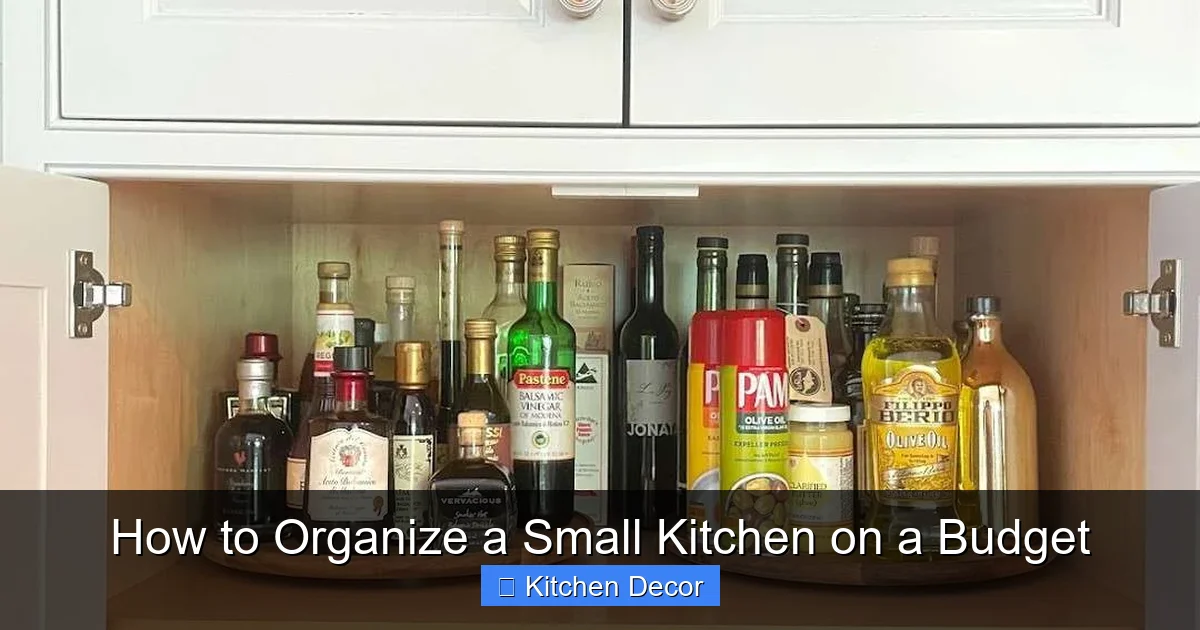
Discover how to transform your cluttered cooking space into a highly functional and beautiful area without overspending. This guide provides step-by-step instructions and creative, budget-friendly solutions to organize a small kitchen on a budget, focusing on decluttering, smart storage, and maintaining an efficient layout. Get ready to enjoy a more streamlined and enjoyable cooking experience in your newly organized space.
How to Organize a Small Kitchen on a Budget
Having a small kitchen can sometimes feel like a daily challenge. Limited counter space, cramped cabinets, and overflowing drawers can make cooking a stressful rather than enjoyable experience. But here’s the good news: you don’t need a massive renovation or an endless budget to transform your compact cooking area into a highly functional, efficient, and even stylish space.
This comprehensive guide will walk you through exactly how to organize a small kitchen on a budget. We’ll cover everything from ruthless decluttering to smart storage solutions and clever DIY hacks, ensuring you can create a kitchen that works for you without breaking the bank. Get ready to reclaim your countertops, find what you need with ease, and fall back in love with your kitchen!
Key Takeaways
- Declutter Ruthlessly First: Before buying any organizers, remove everything and sort items into keep, donate, toss, or relocate piles. This ensures you only organize what you truly need and use.
- Maximize Vertical Space: Small kitchens benefit immensely from utilizing every inch of vertical space. Think about wall-mounted shelves, pegboards, tiered organizers, and stackable containers to expand storage upwards.
- Utilize Overlooked Areas: Don’t forget the inside of cabinet doors, the sides of your refrigerator, or the often-empty space under the sink. These spots are perfect for slim organizers, hooks, and small baskets.
- Embrace DIY and Repurposing: Budget-friendly organization means getting creative. Repurpose old jars, cereal boxes, or tension rods, and explore DIY solutions like homemade drawer dividers or spice racks to save money.
- Create Functional Zones: Group similar items together and store them where they are most frequently used. This “zoning” approach improves efficiency, reduces searching time, and makes your small kitchen feel larger and more organized.
- Establish Maintenance Habits: Organization isn’t a one-time event. Implement simple daily or weekly routines like putting items back immediately and regularly decluttering to keep your kitchen tidy and functional long-term.
- Focus on Functionality Over Aesthetics: While a beautiful kitchen is nice, prioritize how well your kitchen works for you. Practical, accessible storage solutions that fit your cooking habits are more important than perfectly matched containers, especially on a budget.
Step 1: Declutter Ruthlessly – The Foundation of Organization
The first and most crucial step to organize a small kitchen on a budget is to declutter. You can’t organize clutter; you can only move it around. This phase requires honesty and a willingness to let go.
Empty Everything Out
Start by completely emptying every cabinet, drawer, pantry shelf, and countertop surface. Yes, everything! Place all items on your dining table, a cleared floor space, or even a temporary folding table. Seeing everything you own in one place can be incredibly eye-opening and is the first step to truly understand what you have.
Sort into Categories (Keep, Donate/Sell, Toss, Relocate)
Now, go through each item, one by one, and place it into one of four piles:
- Keep: These are items you use regularly (at least weekly), love, or genuinely need. Be strict here.
- Donate/Sell: Items that are still in good condition but you no longer use, need, or love. Think about that bread maker you used once or the extra set of measuring cups. Local charities or online marketplaces are great options.
- Toss: Broken items, expired food, mismatched lids without their counterparts, or anything too old/worn to be donated.
- Relocate: Items that somehow ended up in your kitchen but don’t belong there (e.g., mail, remote controls, kids’ toys). Move them to their rightful home immediately.
The One-Year Rule
When deciding what to keep, apply the “one-year rule.” If you haven’t used an item in the past year, seriously consider letting it go. Exceptions might be special occasion bakeware or holiday dishes, but even then, question if they are truly worth the valuable space in a small kitchen.
Step 2: Clean and Assess Your Space
With your kitchen now empty, it’s the perfect time to give it a thorough cleaning and evaluate its layout. This helps you understand the true potential of your space before you start putting things back.
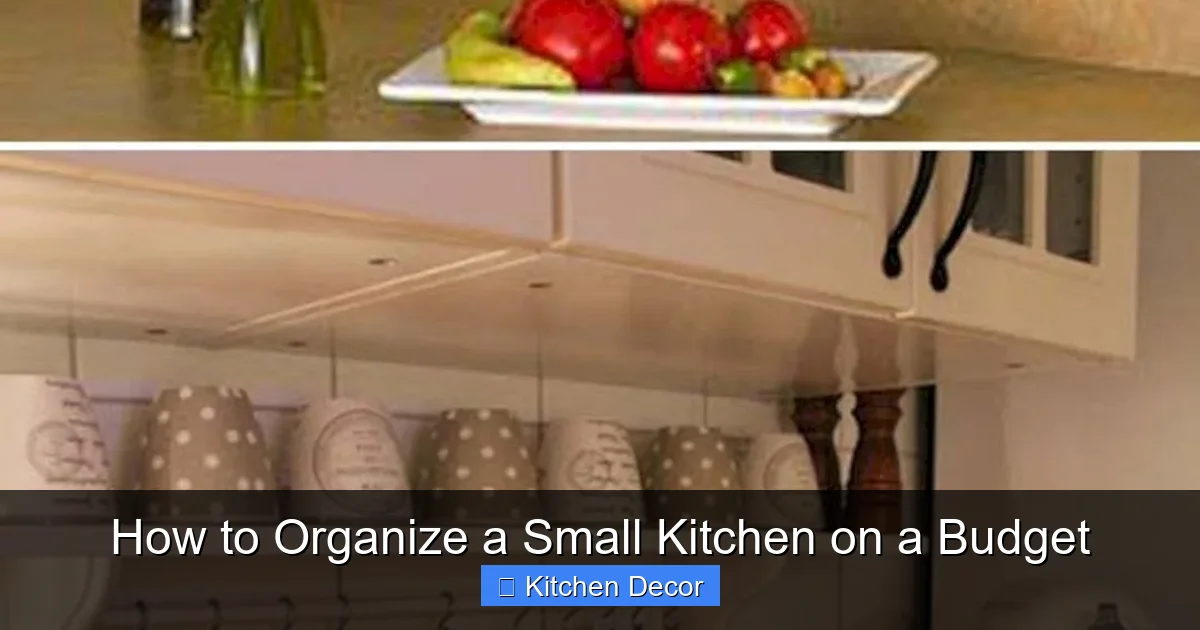
Visual guide about How to Organize a Small Kitchen on a Budget
Image source: i.pinimg.com
Deep Clean Your Space
Wipe down the inside of every cabinet and drawer. Clean your countertops, sink, and any appliances. A clean slate is essential for effective organization. This also allows you to spot any damage or areas that might need attention.
Evaluate Your Kitchen’s Layout
Stand in your kitchen and think about how you move and cook. Where are your most active zones (e.g., near the stove, sink, or fridge)? Where do you prep food? Understanding these natural workflows will guide you on where to store items for maximum efficiency.
Step 3: Strategize Your Storage Zones
Now that you know what you’re keeping and have a clean space, it’s time to strategize. This step is about planning where everything will go before you start putting items back. This strategic thinking is key to effectively organize a small kitchen on a budget.
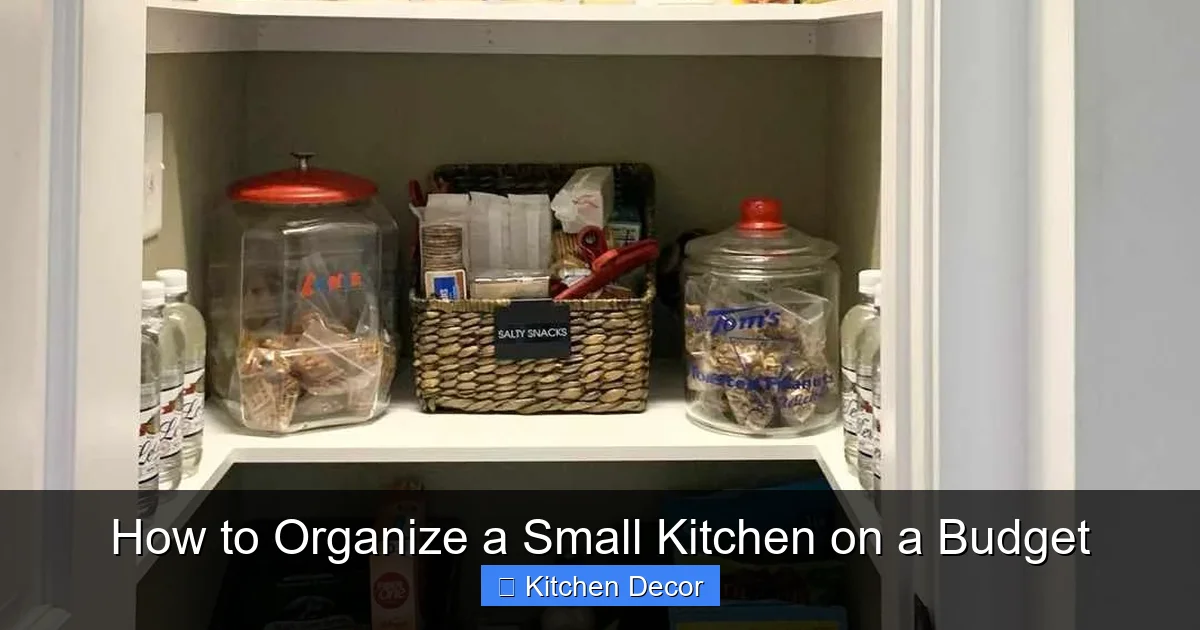
Visual guide about How to Organize a Small Kitchen on a Budget
Image source: thespruce.com
The Golden Triangle (Sink, Stove, Fridge)
Think about the “work triangle” – the path between your sink, stove, and refrigerator. Items related to cooking should be near the stove, cleaning items near the sink, and food storage near the fridge. This minimizes unnecessary movement and makes cooking much more enjoyable.
Group Similar Items
Store items that belong together or are used together. Examples:
- Cooking Zone: Pots, pans, cooking utensils, spices, oils near the stove.
- Prep Zone: Cutting boards, knives, mixing bowls, measuring cups near your main prep area.
- Baking Zone: Baking sheets, cake pans, flour, sugar, extracts together.
- Dishware Zone: Plates, bowls, glasses, mugs near the dishwasher or drying rack.
- Food Storage Zone: Tupperware, foil, plastic wrap, reusable bags in one designated area.
Think Vertical, Think Smart
Small kitchens often lack horizontal space, but they usually have plenty of vertical space. Look up! Can you add shelves? Can you stack items? This concept is vital when you want to organize a small kitchen on a budget.
Step 4: Smart Storage Solutions (Budget-Friendly)
This is where the magic happens! We’ll explore creative, low-cost ways to maximize every inch of your small kitchen.
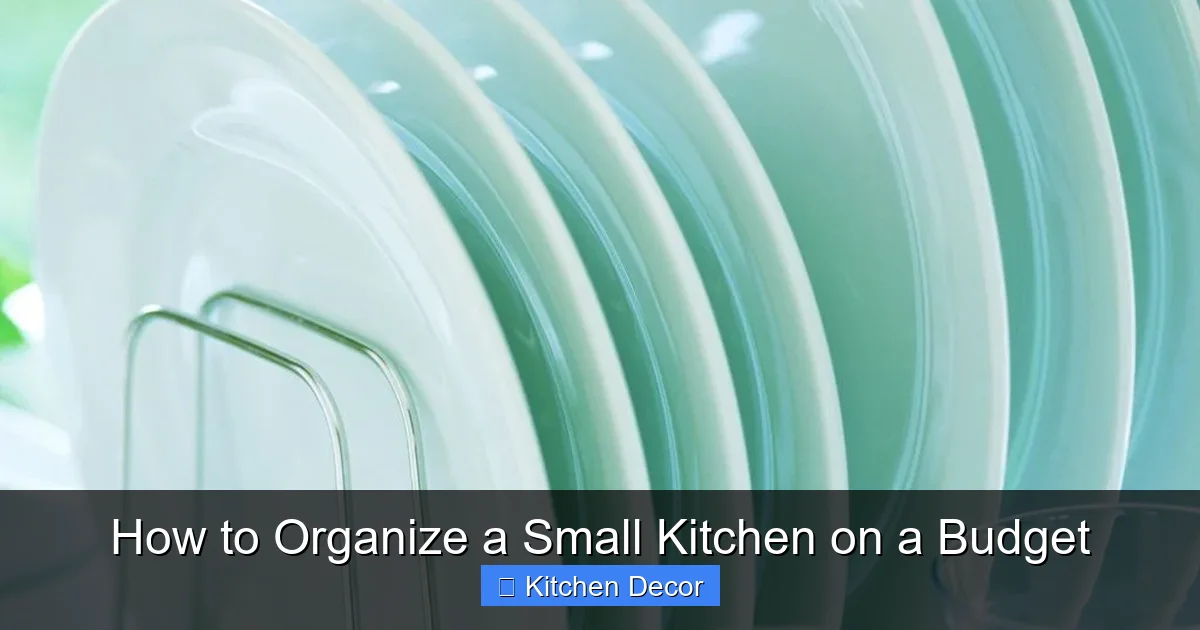
Visual guide about How to Organize a Small Kitchen on a Budget
Image source: cdn.mos.cms.futurecdn.net
Utilize Drawers and Cabinets
Drawers and cabinets are prime real estate. Make them work harder for you.
Drawer Dividers (DIY Options)
- Repurpose Boxes: Cereal boxes, shoeboxes, or even smaller gift boxes can be cut down and used as free drawer dividers for utensils, foils, or plastic wraps. Cover them with pretty paper for a custom look.
- Tension Rods: A few small tension rods can create adjustable dividers for pot lids, baking sheets, or even spices in a deep drawer.
- Bamboo Cutlery Trays: While not DIY, simple bamboo trays are inexpensive and vastly improve drawer organization.
Stackable Shelves/Risers
These are game-changers for cabinets. They double your storage space by allowing you to stack plates, bowls, or cans without creating precarious towers. Look for affordable plastic or wire options at discount stores or online. These are an absolute must when you want to organize a small kitchen on a budget.
Under-Shelf Baskets
These wire baskets clip onto existing shelves, creating instant extra storage underneath. Perfect for foil, plastic wrap, lightweight snacks, or even mugs.
Maximize Wall Space
Walls are often overlooked storage opportunities, especially in a small kitchen.
Pegboards
A pegboard is a versatile and budget-friendly solution. You can hang pots, pans, utensils, cutting boards, and even small shelves for spices. Paint it to match your kitchen decor for a customized look. It’s an excellent way to organize a small kitchen on a budget, offering flexibility and visibility.
Wall-Mounted Racks (Spice, Utensil)
Simple spice racks can be mounted inside a cabinet door or on an empty wall. Magnetic knife strips save drawer space and keep knives safely accessible. A wall-mounted rail with S-hooks is perfect for hanging frequently used utensils, mugs, or dish towels.
Magnetic Strips
Beyond knives, magnetic strips can hold small metal items like measuring spoons, graters, or even small spice tins. Place one on the side of your fridge or an unused wall space.
Door Storage
Don’t forget the back of doors! These slim spaces are perfect for many items.
Over-the-Door Organizers
For pantry doors, a slim over-the-door organizer with multiple pockets can store snacks, spices, wraps, or even cleaning supplies. For smaller cabinet doors, look for plastic caddies that attach with adhesive strips or small screws.
Command Hooks for Inside Cabinet Doors
These inexpensive hooks are great for hanging oven mitts, dish towels, lightweight cutting boards, or even small dustpans inside cabinet doors. They are renter-friendly and cause no damage.
Countertop and Appliance Organization
Counter space is precious in a small kitchen. The goal is to keep it as clear as possible.
Minimalism is Key
Only keep frequently used items on your countertops. Large, bulky appliances should be stored away if not used daily. If you have an appliance you only use once a month, find a home for it in a cabinet or even a nearby closet.
Trays and Caddies
corral frequently used items like oils, salt, pepper, or often-reached-for utensils on a small tray or caddy. This keeps them tidy and makes it easy to move them for cleaning. A decorative tray can also elevate the look of these essentials.
Pantry and Food Storage
Efficient food storage is essential to organize a small kitchen on a budget and prevent waste.
Clear Containers (Upcycled Jars)
Invest in a few matching clear containers for staples like flour, sugar, pasta, and rice. This looks tidy, helps you see what you have, and keeps food fresh. For budget-friendly options, thoroughly wash and reuse glass jars from pasta sauce, pickles, or jam. They are excellent for bulk spices, nuts, or even small snacks.
Lazy Susans (Turntables)
These are fantastic for corner cabinets or deep pantries. They allow easy access to items like oils, vinegars, spices, or condiments without having to dig. You can find affordable plastic versions at discount stores.
Tiered Can Organizers (DIY Options)
A simple tiered organizer helps you see all your canned goods at a glance. You can even make a DIY version by stacking small, sturdy boxes or cutting down a strong cardboard box into graduated steps.
Step 5: Implement and Maintain
Once you’ve done all the hard work, the final step is to put everything back and establish routines to keep your kitchen organized.
A Place for Everything
As you put items back, ensure every single item has a designated “home.” When you’re done using something, put it back in its home immediately. This simple habit prevents clutter from accumulating.
The Power of Labeling
Labeling shelves, containers, and even drawer sections can be incredibly helpful, especially for those living with others. It ensures everyone knows where things belong and helps maintain the system you’ve created. Simple masking tape and a marker work perfectly on a budget.
Establish Routine Maintenance
Organization isn’t a one-time project; it’s an ongoing process. Schedule a quick 5-10 minute tidy-up at the end of each day. Every few months, do a mini-declutter of your pantry or a specific cabinet to ensure things aren’t creeping back to their old habits. This proactive approach helps you maintain your newly organized small kitchen on a budget.
Troubleshooting Common Small Kitchen Challenges
Small kitchens come with their unique set of problems. Here’s how to tackle some common ones on a budget.
Limited Counter Space
- Folding Cutting Boards: Use a cutting board that fits over your sink to expand prep space temporarily.
- Appliance Garage: If you have an unused corner, consider a small, inexpensive baker’s rack or utility cart with wheels that can be tucked away when not in use.
- Under-Cabinet Lighting: While not a storage solution, good lighting can make a small counter feel more open and functional. Battery-operated puck lights are a budget-friendly option.
Awkward Cabinet Sizes
- Customizable Shelves: If your budget allows, adjustable shelves can be a lifesaver. Otherwise, use stackable risers or small bins to make the most of tall, narrow, or deep cabinets.
- Tension Rods: As mentioned, these are great for creating custom dividers or even hanging spray bottles under the sink.
Too Many Small Appliances
- Vertical Storage: Stack appliances carefully if possible (e.g., a hand mixer bowl inside a stand mixer bowl).
- Only Keep Essentials: Be honest about what you truly use. If an appliance hasn’t been used in months, consider selling or donating it.
- Designated “Appliance Corner”: If you have a deep pantry, dedicate one shelf to appliances. Otherwise, consider a kitchen cart or even a space in a nearby closet for less frequently used items.
Conclusion
Organizing a small kitchen on a budget might seem like a daunting task at first, but with a strategic approach, a willingness to declutter, and a little creativity, it’s entirely achievable. By following these step-by-step instructions and embracing budget-friendly solutions, you can transform your cramped kitchen into a highly efficient, enjoyable space that truly works for you.
Remember, the goal isn’t perfection but functionality. Start small, be patient, and celebrate each little victory along the way. Your organized small kitchen on a budget will not only make cooking more pleasant but also add a sense of calm and order to your entire home. Happy organizing!