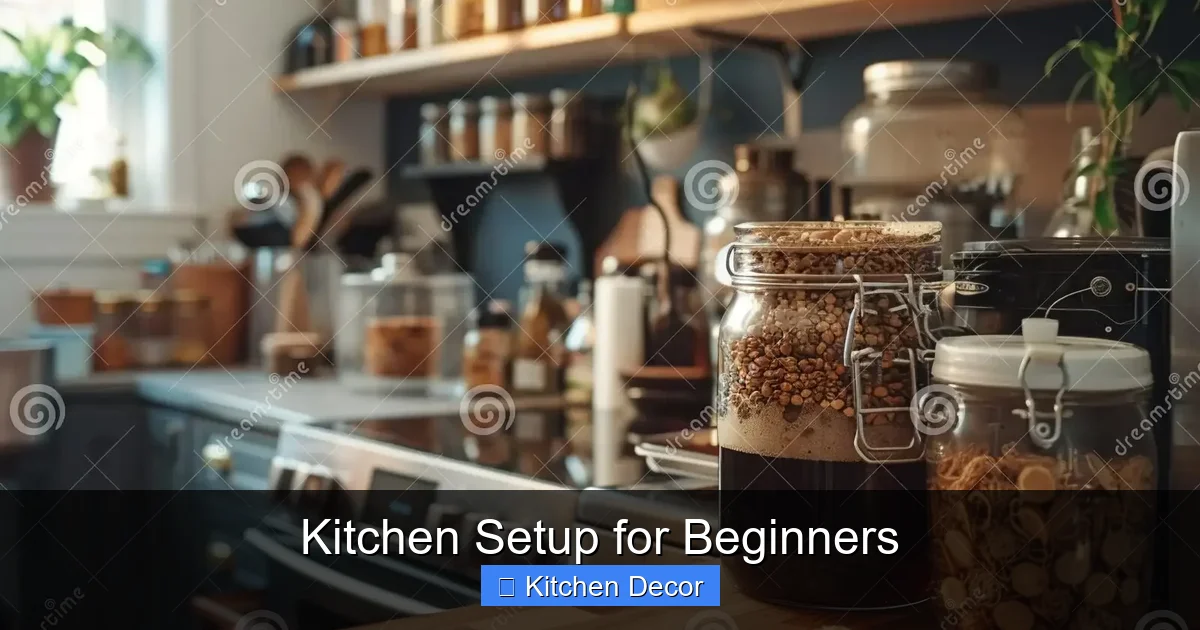
Setting up a functional kitchen from scratch can seem daunting, but it’s an exciting journey! This guide breaks down the process for beginners, focusing on essential tools, smart organization strategies, and creating a safe, inspiring space. Learn how to prioritize purchases, arrange your kitchen for efficiency, and build a foundation for culinary success.
Kitchen Setup for Beginners: Your Ultimate Guide to a Functional Cooking Space
Welcome to the exciting world of setting up your very first kitchen! Whether you’ve just moved into a new place, are venturing out on your own, or simply want to revamp your current cooking area, creating a functional and enjoyable kitchen is a rewarding experience. It might seem like a huge task, deciding what to buy, where to put everything, and how to make sense of all the gadgets out there. But don’t worry, this comprehensive guide on kitchen setup for beginners is here to walk you through every step.
In this guide, you will learn how to approach your kitchen setup systematically, from assessing your space and budget to selecting essential tools, organizing for efficiency, and adding those personal touches that make a kitchen truly feel like home. We’ll focus on practical, beginner-friendly advice, ensuring you build a solid foundation for all your culinary adventures without getting overwhelmed.
Key Takeaways
- Start with Essentials: Prioritize versatile cooking tools and basic pantry staples before investing in specialized gadgets. Focus on quality items that will last.
- Organize by Zones: Designate specific areas for prep, cooking, storage, and cleaning to create an efficient workflow and minimize wasted movement.
- Utilize Smart Storage: Make the most of your space with vertical organizers, drawer dividers, and smart cabinet solutions, especially in smaller kitchens.
- Prioritize Safety and Cleanliness: Understand basic kitchen safety, food hygiene, and establish a simple cleaning routine to maintain a healthy and functional environment.
- Budget Wisely: Set a realistic budget and be prepared to build your kitchen collection gradually. Don’t feel pressured to buy everything at once.
- Personalize Your Space: Once the basics are in place, add personal touches and decorative elements that make your kitchen feel inviting and uniquely yours.
Step 1: Assess Your Space and Budget
Before you buy a single pot or pan, it’s crucial to understand the “canvas” you’re working with – your kitchen space – and how much you’re willing to spend. This foundational step will save you time, money, and frustration in the long run.
Measure and Plan
Walk into your kitchen with a measuring tape, a notepad, and a pen. Take note of everything: the number of cabinets, drawers, counter space available, and the layout of major appliances (stove, fridge, sink). Think about how you move through the space. Where will you prep food? Where will you cook? Where will you wash up? Visualizing these workflow zones now helps in organizing later. Don’t forget to measure the inside of cabinets and drawers to help you choose appropriate organizers.
Set a Realistic Budget
Setting up a kitchen can range from very affordable to quite expensive, depending on your choices. As a beginner, it’s wise to start with a modest budget for essentials and then gradually add items as your cooking skills and needs evolve. List out categories like “must-haves” (e.g., a good knife, one versatile pan), “nice-to-haves” (e.g., a toaster, a blender), and “wants” (e.g., a stand mixer). Prioritizing will help you allocate funds effectively. Remember, quality over quantity is often a smart approach, especially for frequently used items.
Step 2: Prioritize Essential Cooking Tools
This is where many beginners get lost in a sea of shiny gadgets. For your initial kitchen setup for beginners, focus on versatile tools that serve multiple purposes. You don’t need every utensil or appliance on the market.
Visual guide about Kitchen Setup for Beginners
Image source: i.ytimg.com
The “Holy Trinity”: Knives, Cutting Board, Pans
- Good Quality Knife: One sharp 8-inch chef’s knife is far more useful than a block full of dull knives. Invest in a decent one and learn how to maintain it.
- Cutting Board: A sturdy plastic or wooden cutting board is essential for safe food preparation. Consider having one for meats and one for produce.
- Versatile Pans: Start with a 10-12 inch non-stick skillet (for eggs, pancakes, sautéing) and a 3-4 quart saucepan with a lid (for sauces, boiling pasta, rice). A baking sheet is also incredibly useful for roasting vegetables or baking cookies.
Basic Cooking Utensils
You’ll need a few key tools to handle food safely and effectively. Look for heat-resistant options made from silicone, wood, or stainless steel.
- Spatulas: One flexible silicone spatula for scraping bowls, and one sturdy turner for flipping.
- Ladle: For soups, stews, and sauces.
- Tongs: Incredibly versatile for flipping, stirring, and serving.
- Whisk: For mixing batters, dressings, or sauces.
- Can Opener & Bottle Opener: Practical necessities.
- Vegetable Peeler: For fruits and veggies.
Measuring Tools and Mixing Bowls
Accuracy is important in cooking and baking, especially for beginners.
- Measuring Cups (Dry): A set of nested cups (1/4 cup to 1 cup).
- Measuring Cups (Liquid): A clear glass or plastic cup with pour spout (1-2 cup capacity).
- Measuring Spoons: A set (1/4 tsp to 1 tbsp).
- Mixing Bowls: A set of 2-3 varying sizes, preferably with non-slip bottoms.
Small Appliances (Optional but helpful)
While not strictly “essential” for a basic kitchen setup, some small appliances can make life much easier, depending on your habits.
- Toaster or Toaster Oven: Great for quick breakfasts or reheating small items.
- Electric Kettle: For tea, coffee, or quickly boiling water for pasta.
- Blender: For smoothies, sauces, or soups.
Step 3: Stock Your Pantry Smartly
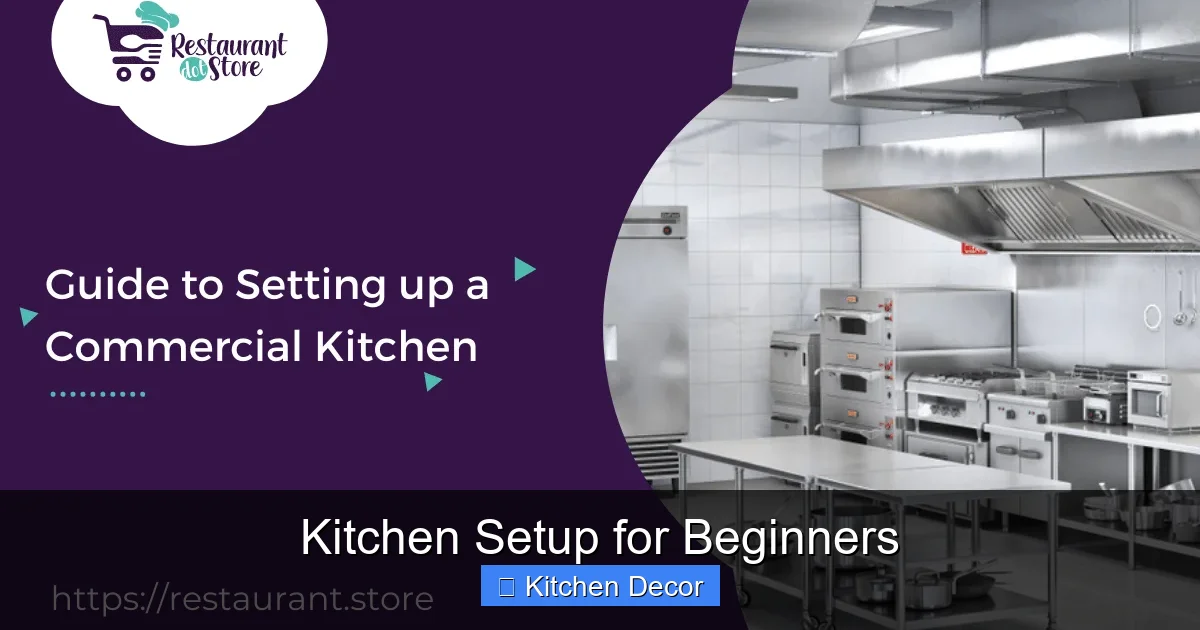
A well-stocked pantry is the secret to whipping up meals even when you haven’t had time to grocery shop. Focus on versatile, long-lasting staples for your kitchen setup for beginners.
Visual guide about Kitchen Setup for Beginners
Image source: restaurant.store
Staple Ingredients (Dry Goods, Oils, Spices)
- Grains: Rice (white or brown), pasta, oats.
- Legumes: Canned beans (black, cannellini, chickpeas), lentils.
- Canned Goods: Diced tomatoes, tomato paste, tuna or chicken, coconut milk.
- Oils & Vinegars: Olive oil (for cooking and dressing), vegetable or canola oil (for high-heat cooking), balsamic or white vinegar.
- Baking Basics: Flour, sugar, salt, black pepper, baking powder, baking soda.
- Spices: Start with commonly used spices like garlic powder, onion powder, cumin, paprika, oregano, chili powder.
- Condiments: Soy sauce, hot sauce, mustard, ketchup.
Refrigerator & Freezer Basics
- Dairy: Milk, butter, eggs, cheese.
- Produce: Onions, garlic, potatoes (store in a cool, dark place), sturdy greens.
- Frozen: Frozen vegetables (peas, corn, broccoli), frozen fruits (berries), and a protein source like chicken breasts or ground meat.
Step 4: Organize for Efficiency
Once you have your essentials, the next step in your kitchen setup for beginners is to arrange them in a way that makes cooking a joy, not a chore. The concept of “kitchen zones” is incredibly helpful here.
The Prep Zone
This is typically a clear section of your countertop, ideally near your sink for washing produce and near your trash can for easy disposal. Store your cutting boards, knives, mixing bowls, and frequently used measuring tools in this area or in drawers/cabinets directly below it.
The Cooking Zone
This zone centers around your stove and oven. Keep your pots, pans, and baking sheets in cabinets nearby. Utensils like spatulas, ladles, and tongs should be easily accessible, perhaps in a crock on the countertop or in a utensil drawer right next to the stove. Spices and cooking oils also belong here.
The Storage Zone
This includes your pantry, refrigerator, and freezer. Group similar items together: all baking supplies, all pasta, all canned goods. Use clear containers for dry goods to keep them fresh and easily visible. Fridge and freezer organization involves placing frequently used items at eye level and keeping an eye on expiration dates.
The Cleaning Zone
This is typically around your sink. Dish soap, sponges, dish towels, and a dish rack should be readily available. Keep cleaning supplies (cleaners, scrub brushes) stored safely under the sink or in an easily accessible cabinet nearby.
Step 5: Master Smart Storage Solutions
Even small kitchens can be incredibly functional with clever storage. This is a key aspect of an effective kitchen setup for beginners.
Utilize Vertical Space
Think upwards! Add shelves to cabinets, use stackable containers, or install floating shelves on open walls for frequently used items or decorative elements. Pot racks can free up valuable cabinet space and add a rustic charm. Magnetic knife strips are excellent for safety and accessibility while freeing up counter or drawer space.
Drawer and Cabinet Organizers
These are game-changers. Use drawer dividers for utensils, cutlery trays, and spice racks for your cabinets. Pan and lid organizers can prevent that annoying clatter and make finding what you need much easier. Tiered shelves inside cabinets can double your storage for plates or canned goods.
Countertop Management
Aim for clear countertops. Only keep truly essential and frequently used items out, such as a knife block (if not using a magnetic strip), a small appliance you use daily, or a fruit bowl. Everything else should have a home in a cabinet or drawer to maintain a sense of calm and provide ample workspace.
Step 6: Focus on Safety and Cleanliness
A functional kitchen setup for beginners isn’t just about tools and organization; it’s also about creating a safe and hygienic environment.
Fire Safety
Always have a working smoke detector nearby and a fire extinguisher readily accessible. Know how to use it. Never leave cooking unattended, especially when using high heat or oil. Keep flammable materials (like paper towels or oven mitts) away from the stove.
Food Safety & Hygiene
- Wash Your Hands: Before and after handling food, especially raw meat.
- Prevent Cross-Contamination: Use separate cutting boards for raw meats and produce. Always wash utensils after they touch raw meat.
- Cook to Proper Temperatures: Use a food thermometer if unsure, especially with poultry and ground meats.
- Store Food Correctly: Refrigerate perishables promptly. Understand “use-by” and “best-by” dates.
Regular Cleaning Habits
Clean as you go! Wipe down counters immediately after food prep. Wash dishes as soon as you’re done eating (or load the dishwasher). This prevents food from drying on and makes bigger cleanups less daunting. Designate a “cleaning day” for deeper tasks like wiping down the microwave or cleaning the stovetop.
Step 7: Add Personal Touches
Once the functional aspects of your kitchen setup for beginners are in place, it’s time to infuse some personality. This is where the “Kitchen Decor” aspect truly comes in.
Aesthetics and Comfort
Your kitchen should be a place you enjoy being in. Consider adding elements that reflect your style: a colorful rug, a nice piece of art, some indoor plants, or attractive dish towels. Good lighting is also crucial for both functionality and mood. Even simple things like a nice soap dispenser or a pretty jar for utensils can make a difference.
Grow with Your Kitchen
Remember that setting up a kitchen is an ongoing process. As you cook more, you’ll discover what tools you truly need, what ingredients you use most often, and what organization methods work best for you. Don’t be afraid to adjust your setup as your needs and skills evolve. Your initial kitchen setup for beginners is just the starting point!
Troubleshooting Common Beginner Kitchen Setup Challenges
Even with the best plans, you might encounter some hurdles. Here are solutions to common issues beginners face.
Limited Space
If your kitchen feels tiny, embrace multi-functional items. An over-the-sink cutting board can expand your counter space. Use magnetic strips for knives and spices. Consider a rolling cart for extra storage or prep space that can be tucked away. Vertical storage is your best friend – think wall-mounted shelves, pot racks, and cabinet organizers that maximize height.
Tight Budget
Don’t feel pressured to buy everything new. Check out second-hand stores, garage sales, or online marketplaces for gently used items like mixing bowls, small appliances, or even pots and pans. Prioritize your spending on items like a good knife and versatile pans, which you’ll use daily. Build your collection slowly; you don’t need a fully stocked kitchen on day one.
Overwhelmed by Choices
When faced with endless options, stick to the basics recommended in Step 2. Read reviews, but don’t obsess. For beginners, a mid-range, highly-rated item is usually perfect. Ask friends or family for recommendations on their most-loved kitchen tools. Remember, cooking is about experimenting, not perfection, and your kitchen setup should reflect that ease of exploration.
Conclusion
Congratulations! You’ve navigated the essential steps to create a functional and inviting kitchen setup for beginners. By assessing your space, prioritizing essential tools, organizing smartly, focusing on safety, and adding personal touches, you’ve built a solid foundation for countless delicious meals and memorable moments. Remember, your kitchen is a reflection of you—a space to create, nourish, and enjoy. So, roll up your sleeves, embrace the process, and get ready to enjoy your beautifully set up kitchen!