
Transforming a small kitchen into a functional and inviting space is easier than you think. This ultimate small kitchen setup tips checklist guides you through decluttering, maximizing vertical storage, optimizing countertops, and choosing space-saving appliances. Learn how to create an incredibly efficient, organized, and enjoyable cooking area, making the most of every inch with practical, actionable advice.
Small Kitchen Setup Tips Checklist
Do you have a small kitchen? Many people do! Small kitchens can feel tricky. You might think there’s no room for anything. You might feel cramped. Cooking can even seem like a chore. But this doesn’t have to be your reality!
A small kitchen isn’t a problem. It’s an opportunity. It’s a chance to be creative. It’s a way to be super organized. With smart planning, you can make your small kitchen amazing. You can make it functional. You can make it beautiful. You can make it a place you love to cook.
This guide is your ultimate small kitchen setup tips checklist. It’s designed to help you. We will walk you through every step. You’ll learn how to maximize every inch. You’ll discover clever storage ideas. You’ll find ways to make cooking easier. Get ready to transform your tiny kitchen. Let’s make it efficient, inviting, and truly yours!
Key Takeaways
- Declutter Ruthlessly First: Before adding any storage, empty your kitchen completely. Then, critically evaluate every item to keep only what you truly use and love. This foundational step is crucial for any small kitchen setup tips checklist.
- Embrace Vertical Space: Look up! Walls are valuable real estate in a small kitchen. Utilize open shelving, magnetic strips, pegboards, and wall-mounted racks to store items off your countertops and out of your cabinets.
- Prioritize Multipurpose and Compact Items: Choose appliances and tools that serve multiple functions or have a small footprint. This minimizes clutter and maximizes the utility of each item in your compact space.
- Implement Smart Internal Organizers: Don’t just stack items inside cabinets and drawers. Invest in shelf risers, drawer dividers, pot and pan organizers, and pull-out solutions to make every inch of enclosed storage efficient and accessible.
- Optimize Countertops for Function: Not Storage: Keep your countertops as clear as possible. Use them for active prep and cooking, not for storing appliances or decor. Portable prep surfaces can add temporary space when needed.
- Brighten and Lighten with Aesthetics: Use light colors, reflective surfaces, and layered lighting to create an illusion of spaciousness. A visually open and well-lit kitchen feels much larger and more inviting.
- Maintain a Tidy Routine: An organized small kitchen stays organized with daily habits. A quick clean-up and regular purging sessions prevent clutter from creeping back in, ensuring long-term success of your small kitchen setup.
1. The Foundation: Declutter and Assess Your Space
Before you buy new organizers, stop. Before you move things around, wait. The first and most important step for any small kitchen setup is to declutter. Think of it as hitting the reset button. You can’t organize clutter. You can only get rid of it. This step lays the groundwork for all other improvements. It makes sure you’re only organizing what you truly need.
1.1. Empty Everything Out
This might sound extreme. But it’s vital. Take everything out of your cabinets. Take everything out of your drawers. Remove all items from your countertops. Even clear your pantry if it’s part of the kitchen. Place everything on a table. Or use your living room floor. You need to see everything you own. This gives you a true picture. It shows you what you’re working with. It helps you identify duplicates. It uncovers forgotten items.
1.2. Categorize and Purge Ruthlessly
Now, look at each item. Be honest with yourself. This is the hardest part. Create three piles: Keep, Donate/Sell, and Toss. Ask yourself key questions for each item:
- When did I last use this? (If it’s been over a year, consider getting rid of it.)
- Do I use this regularly? (Daily or weekly?)
- Do I have another item that does the same job? (Duplicates are space killers!)
- Is it broken or chipped? (If so, toss it!)
- Does it truly spark joy or serve a vital purpose?
For example, if you have three spatulas but only ever use one, let the others go. That bread maker you bought years ago? If it gathers dust, it’s taking up valuable space. That fancy gadget? If you never figured out how to use it, it’s time to part ways. This ruthless purging is a cornerstone of an effective small kitchen setup tips checklist. It ensures you only keep essentials.
1.3. Measure and Map Your Kitchen
Once you know what you’re keeping, measure your space. Measure the inside of your cabinets. Measure your drawers. Measure your available wall space. Note down the dimensions. Sketch a simple layout of your kitchen. Mark where windows are. Note outlets. Pay attention to “dead zones.” These are often corners or narrow gaps. Knowing your exact dimensions is crucial. It helps you choose the right organizers later. It helps you plan where things will go. This precise mapping ensures every new addition fits perfectly.
2. Go Up! Maximize Vertical Space
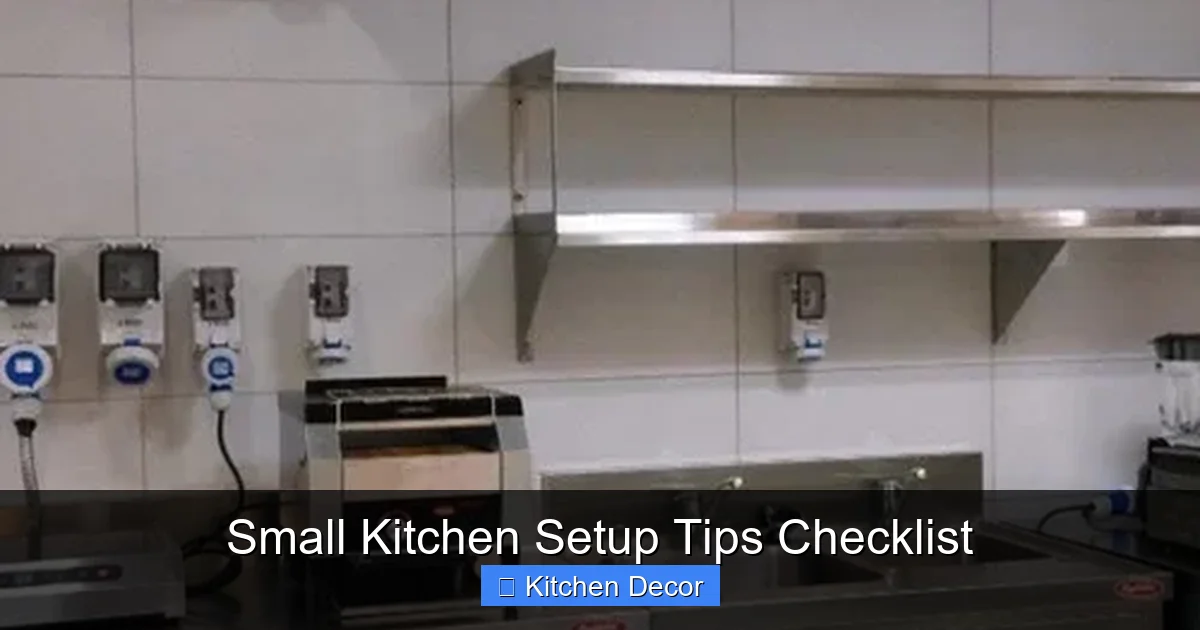
In a small kitchen, floor space is rare. Counter space is precious. But walls? Walls are often ignored. They are goldmines for storage. Thinking vertically can double your storage capacity. It’s a key strategy in any small kitchen setup tips checklist.
Visual guide about Small Kitchen Setup Tips Checklist
Image source: 5.imimg.com
2.1. Install Open Shelving and Wall-Mounted Racks
Open shelves are wonderful for small kitchens. They make the space feel lighter. They add storage without bulky cabinets. Install them above your sink. Or put them above your prep area. Use them for everyday items. Store your frequently used dishes. Display pretty mugs. Keep spices handy. Floating shelves look sleek. They also add visual interest. Wall-mounted racks are also great. Think about a magnetic knife strip. This clears up drawer space. A wall-mounted spice rack keeps spices organized. A small pot rack can hang above your stove. This frees up cabinet space significantly. Just make sure the items on open shelves are neat. Too much clutter defeats the purpose.
2.2. Utilize Unused Wall Space Smartly
Beyond shelves, walls offer more. Consider pegboards. They are super customizable. You can hang pots, pans, and utensils. Change the layout whenever you like. Use hooks for aprons, oven mitts, or even small baskets. A slim wall organizer can hold mail or recipes. Even the sides of your refrigerator can be useful. Add magnetic racks or pockets there. This can hold wraps, foils, or small spice jars. Every bit of wall space counts in a small kitchen setup.
2.3. Over-the-Door Solutions
Don’t forget the back of your pantry door. Don’t forget the back of cabinet doors. These are often unused spots. Install slim organizers here. You can find ones for spices. Some hold cleaning supplies. Others are perfect for foil and plastic wrap. An over-the-door shoe organizer can even hold snacks or small kitchen tools. This kind of hidden storage is a lifesaver. It keeps things accessible but out of sight.
3. Optimize Countertop Functionality
Your countertops are your primary workspace. In a small kitchen, this space is extremely limited. The goal is to keep them as clear as possible. This makes cooking easier. It makes your kitchen feel larger. It’s a crucial part of your small kitchen setup tips checklist.
Visual guide about Small Kitchen Setup Tips Checklist
Image source: i.etsystatic.com
3.1. Clear the Clutter – Rule of Bare Minimum
After decluttering, apply the “bare minimum” rule. Only truly essential items should live on your counters. Think about items you use daily. Maybe a coffee maker. Perhaps a knife block. Anything else should be stored away. This includes small appliances. Yes, even your toaster. If you don’t use it every single day, store it in a cabinet. This creates visual calm. It gives you more room to actually prep food. It makes cleaning a breeze.
3.2. Embrace Multipurpose and Compact Appliances
When you do keep appliances on the counter, make them count. Choose compact versions. Or, better yet, choose multipurpose ones. An Instant Pot is a great example. It’s a pressure cooker, slow cooker, rice cooker, and more. This replaces several single-function appliances. A compact food processor is another good choice. Or a hand immersion blender instead of a bulky stand blender. Each item you select should work hard for its space. This is smart strategy for any small kitchen setup.
3.3. Add Portable Prep Surfaces
Sometimes you just need more counter space. That’s where portable options come in handy. A large, sturdy cutting board can fit over your sink. This creates a temporary extra surface. A slim kitchen cart on wheels is another excellent solution. It can be pulled out for prep. Then it can be tucked away or used for storage. Look for models with shelves or drawers. These carts offer flexibility. They give you extra space when you need it most. They don’t take up permanent floor space.
4. Smart Storage Solutions for Cabinets and Drawers
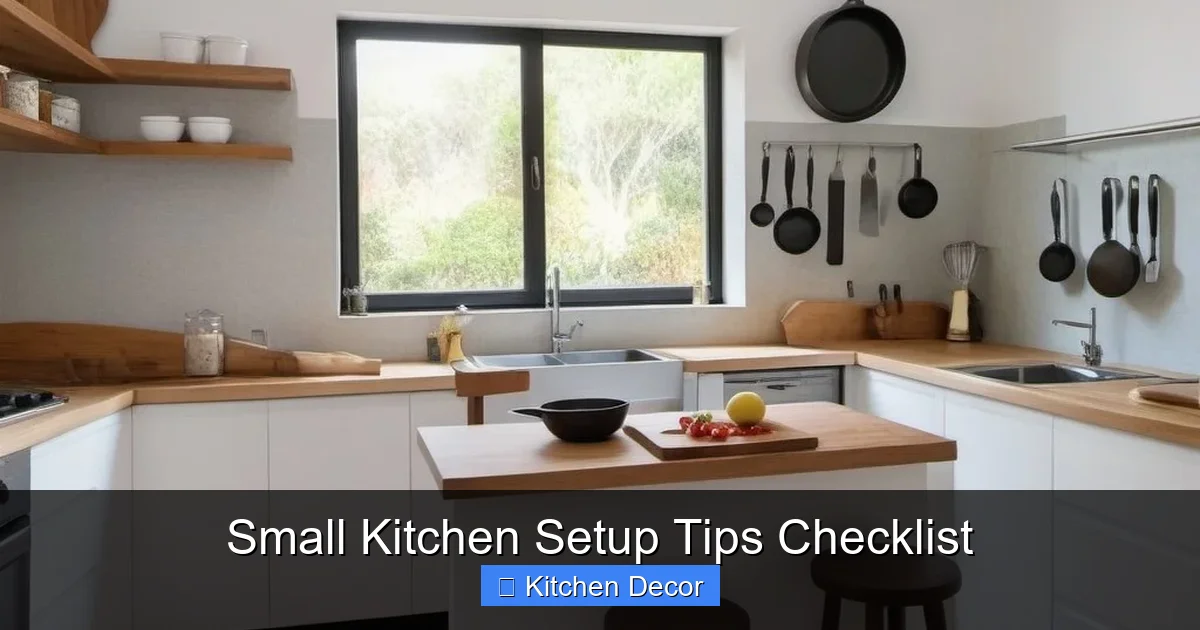
Even after decluttering, your cabinets and drawers can get messy. This section focuses on internal organization. It makes sure every inch inside your storage counts. This is a key part of any good small kitchen setup tips checklist.
Visual guide about Small Kitchen Setup Tips Checklist
Image source: imgcdn.stablediffusionweb.com
4.1. Implement Drawer Dividers and Organizers
Open drawers quickly become junk drawers. Everything gets mixed up. Use drawer dividers. They keep cutlery neat. They separate utensils. Look for adjustable dividers. These fit different drawer sizes. They adapt to your needs. This makes finding items easy. It prevents frustrating searches. It keeps your drawers orderly and functional.
4.2. Utilize Cabinet Shelf Inserts and Risers
Cabinets often have a lot of vertical space inside. But standard shelves limit how you use it. Shelf inserts and risers fix this. They create extra levels. You can stack plates below. Then place bowls or cups on top of the riser. This doubles your usable shelf space. It prevents items from being stacked too high. It makes everything easier to access. Wire racks or clear acrylic risers work well. They make the most of that unused air space in your cabinets.
4.3. Invest in Pot and Pan Organizers
Pots and pans are notorious space hogs. Stacking them creates clanking messes. It scratches surfaces. It makes getting the bottom pan a chore. Invest in an organizer. Vertical pot racks allow you to store pans on their sides. This saves horizontal space. Pull-out shelves can also work wonders. They bring items to you. Lids can be stored in separate lid organizers on cabinet doors. This keeps everything tidy. It makes cooking less stressful. It’s a game-changer for a small kitchen setup.
4.4. Under-Sink Organizers
The space under your sink is often awkward. Pipes get in the way. But it’s still usable! Use tiered shelves designed for under-sink areas. These often have cut-outs for plumbing. They create vertical storage around the pipes. Pull-out baskets are also useful. They hold cleaning supplies, sponges, and dish soap. This keeps the area tidy. It makes items easy to grab. It turns an awkward space into a functional one.
5. Choose Space-Saving Appliances Wisely
Appliances are essential. But they can eat up a small kitchen quickly. Smart choices here can save a lot of space. This is a vital part of your small kitchen setup tips checklist.
5.1. Prioritize Compact or Multifunction Models
When buying new appliances, think small. Do you really need a full-size blender? Or would a personal-sized one work? Do you need a huge microwave? Or would a compact model suffice? Always look for appliances that do more than one job. An air fryer that also toasts. A microwave that also bakes. These save both money and space. Choose items that fit your actual cooking habits. Don’t just buy the biggest or most popular model.
5.2. Consider Built-in or Integrated Appliances
If you’re renovating, think about built-in options. A built-in microwave frees up counter space. A dishwasher drawer or a narrow dishwasher model can fit in tight spots. Smaller refrigerators are available. Some models are “counter-depth.” This means they don’t stick out as far. Integrated appliances blend into your cabinetry. This creates a seamless look. It makes your kitchen feel larger and less cluttered. While a bigger investment, it’s a superb long-term small kitchen setup strategy.
5.3. Smart Storage for Small Appliances
For appliances you don’t use daily, find a dedicated home. Store them in a lower cabinet. Use a pantry shelf. Consider a appliance “garage” if you have one. This is a cabinet designed to hide appliances. If you use a rolling cart (as mentioned in section 3.3), it can also house some appliances. The key is to keep them off your limited countertops. Always put them back after use.
6. The Illusion of Space: Lighting and Aesthetics
Beyond practical storage, how your kitchen looks matters. Visual tricks can make a small kitchen feel much larger. This adds to the effectiveness of your small kitchen setup tips checklist.
6.1. Brighten with Layered Lighting
Good lighting is magic for small spaces. It opens them up. It makes them feel airy. Don’t rely on just one overhead light. Use layered lighting. Install under-cabinet lights. These illuminate your countertops. They also add warmth. Add task lighting over your sink or stove. Use brighter bulbs. Natural light is best. Maximize it with sheer curtains. Keep windows clear. Good lighting creates a welcoming atmosphere. It banishes dark corners that make a room feel smaller.
6.2. Incorporate Mirrors and Reflective Surfaces
Mirrors reflect light. They also reflect the room itself. This tricks the eye into thinking there’s more space. Consider a mirrored backsplash. Or hang a decorative mirror on a bare wall. Stainless steel appliances also reflect light. Glass cabinet doors can do this too. They visually expand the area. They add a touch of elegance. Reflective surfaces are a powerful tool in a small kitchen setup.
6.3. Choose a Light and Consistent Color Scheme
Dark colors absorb light. They make a room feel enclosed. Light colors reflect light. They make a room feel open and expansive. Stick to whites, off-whites, pastels, or light neutrals for walls and cabinets. A consistent color palette prevents visual clutter. It creates a seamless flow. This contributes greatly to the illusion of space. You can add pops of color with accessories. But keep the main elements light.
6.4. Minimalist Decor
Less is more in a small kitchen. Avoid excessive decorations. Clutter on open shelves or countertops will shrink the space. Choose a few meaningful pieces. Let them shine. A small plant. A framed picture. A beautiful bowl. Each item should have a purpose. Or it should bring you joy. This minimalist approach enhances the feeling of spaciousness. It complements your organized small kitchen setup.
7. Maintain Your Organized Small Kitchen
You’ve put in all this hard work. You’ve followed every step on the small kitchen setup tips checklist. Now, how do you keep it this way? Maintenance is key. It ensures your efforts last. It prevents clutter from creeping back in.
7.1. Daily Tidy-Up Routine
Make a habit of a quick daily tidy-up. After every meal, wash your dishes. Wipe down your countertops. Put items back in their designated spots. Don’t let dirty dishes pile up. Don’t leave small appliances out. This takes only a few minutes. But it makes a huge difference. Waking up to a clean, organized kitchen starts your day right. It makes cooking a pleasure, not a chore.
7.2. Regular Purging and Reassessment
Clutter doesn’t just appear overnight. It builds up slowly. Schedule a mini-purge every few months. Look through your cabinets and drawers again. Are there items you haven’t used? Are there new duplicates? Did a new gadget sneak in? Reassess your needs. What worked six months ago might not work now. This ongoing process keeps your small kitchen setup optimized. It ensures it remains functional and enjoyable for years to come.
Congratulations! You now have a complete small kitchen setup tips checklist. You’re equipped with the knowledge to transform your compact cooking space. Remember, it’s not about having a huge kitchen. It’s about making the most of the space you have. Be patient. Be persistent. Celebrate each small victory. Soon, you’ll have an incredibly efficient, organized, and beautiful kitchen. A kitchen that truly works for you. Enjoy your new culinary haven!