Tired of constant dust? This guide reveals 9 effective bedroom hacks to significantly reduce dust buildup and create a cleaner, healthier sleeping environment. Learn practical strategies from smart decluttering to choosing the right bedding and mastering cleaning techniques for a truly dust-free sanctuary. Implement these simple changes to enjoy fresher air and a more restful sleep, making your bedroom a haven.
9 Bedroom Hacks to Reduce Dust Buildup
Ah, the bedroom. It’s meant to be a sanctuary, a place of peace and rest. But often, it feels like a never-ending battle against a common enemy: dust. That fine, grey film seems to settle everywhere, no matter how much you clean. It’s more than just an annoyance; dust can trigger allergies, worsen asthma, and simply make your personal space feel less inviting.
The good news? You don’t have to live with a dusty bedroom. This comprehensive guide will walk you through 9 simple yet incredibly effective bedroom hacks designed to significantly reduce dust buildup. We’re talking about practical, actionable steps that will transform your sleeping environment into a cleaner, healthier haven. Get ready to breathe easier and enjoy a truly dust-free retreat!
Key Takeaways
- Strategic Decluttering: Removing unnecessary items from surfaces and utilizing closed storage drastically reduces the places dust can settle and accumulate, making cleaning much more effective.
- Smart Bedding Choices: Investing in allergen-proof mattress and pillow covers, coupled with frequent washing of all bedding, traps dust mites and pet dander, which are major sources of indoor dust.
- Effective Dusting Techniques: Embracing wet dusting with microfiber cloths ensures dust is captured and removed, rather than just redistributed into the air, for a truly cleaner surface.
- Air Purification Power: Using an air purifier with a HEPA filter actively removes airborne dust particles, allergens, and pet dander, significantly improving your bedroom’s air quality.
- Thorough Floor Cleaning: Regular vacuuming with a HEPA filter and damp mopping hard floors prevents dust from being kicked back into the air, keeping it trapped and out of your breathing space.
- Pet Dander Management: Consistent grooming of pets and frequent washing of their bedding, along with defining “no-go” zones, helps control a major source of dust and allergens.
- Optimized Ventilation and Humidity: Regularly airing out your bedroom and maintaining optimal humidity levels (around 40-50%) discourages dust mites and helps clear stale, dust-laden air.
Hack 1: Declutter Like a Pro
One of the easiest and most impactful ways to reduce dust buildup is to simply have less stuff. Every item in your bedroom, from decorative trinkets to stacks of books, provides a surface for dust to land on. Fewer surfaces mean less dust accumulation and less time spent cleaning.
Clear Horizontal Surfaces
Take a good look at your nightstands, dressers, and shelves. Are they covered with items you rarely use? Or perhaps just lots of things that could be put away? The more open space you have, the easier it is to dust. Consider consolidating items or finding new homes for things that don’t truly belong in the bedroom. A minimalist approach here can make a world of difference.
Embrace Closed Storage
Open shelving might look stylish, but it’s a dust magnet. Books, photos, and decorative objects stored on open shelves collect dust rapidly. Transition to closed storage solutions whenever possible. Think dressers with drawers, wardrobes, or decorative boxes and bins. These keep your belongings neatly tucked away and protected from dust, making it much simpler to keep your bedroom clean and to reduce dust buildup.
Rotate Decor
If you love decorative items but hate the dust, try rotating them. Keep a few favorite pieces out at a time, and store the rest in closed containers. When you get tired of the current display, swap them out. This strategy allows you to enjoy your decor without constantly battling dust on every single item. It’s a smart way to maintain a fresh look while helping to reduce dust buildup.
Hack 2: Choose Dust-Resistant Bedding
Your bed is a primary culprit for dust buildup. It’s not just the fabric itself; it’s also where dust mites thrive and where skin flakes and pet dander accumulate. Tackling your bedding is crucial for a truly dust-free bedroom.
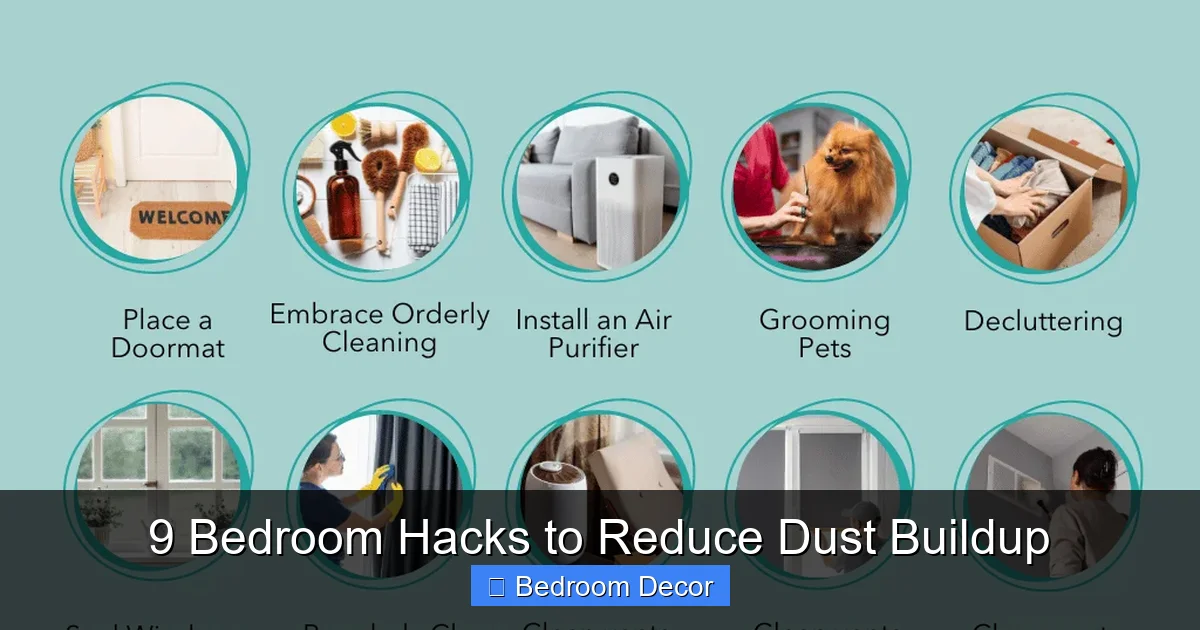
Visual guide about 9 Bedroom Hacks to Reduce Dust Buildup
Image source: images.squarespace-cdn.com
Invest in Allergen-Proof Covers
This is arguably the most important bedding hack. Purchase zippered, allergen-proof covers for your mattress, pillows, and duvet. These covers create a barrier, preventing dust mites, their droppings, and other allergens from settling deep into your bedding. They are made from tightly woven fabrics that dust mites cannot penetrate. This simple investment can significantly reduce dust buildup in your bed.
Wash Bedding Frequently
Aim to wash all your bedding – sheets, pillowcases, and duvet covers – at least once a week in hot water (130°F or 54°C). This temperature effectively kills dust mites and washes away skin flakes, pet dander, and other allergens. If you have severe allergies, consider washing twice a week. Regular washing is a non-negotiable step to reduce dust buildup in your sleeping area.
Opt for Synthetic Fillings
While down and feather bedding can be luxurious, they can also trap dust and trigger allergies for some individuals. Consider switching to synthetic alternatives for pillows and duvets. These are often hypoallergenic and less appealing to dust mites. Many modern synthetic options offer comparable comfort without the added dust burden.
Hack 3: Master the Art of Wet Dusting
Traditional dry dusting with a feather duster or dry cloth often just pushes dust around, sending it airborne only to settle elsewhere. The key to effectively reduce dust buildup is to trap and remove it, not just move it.
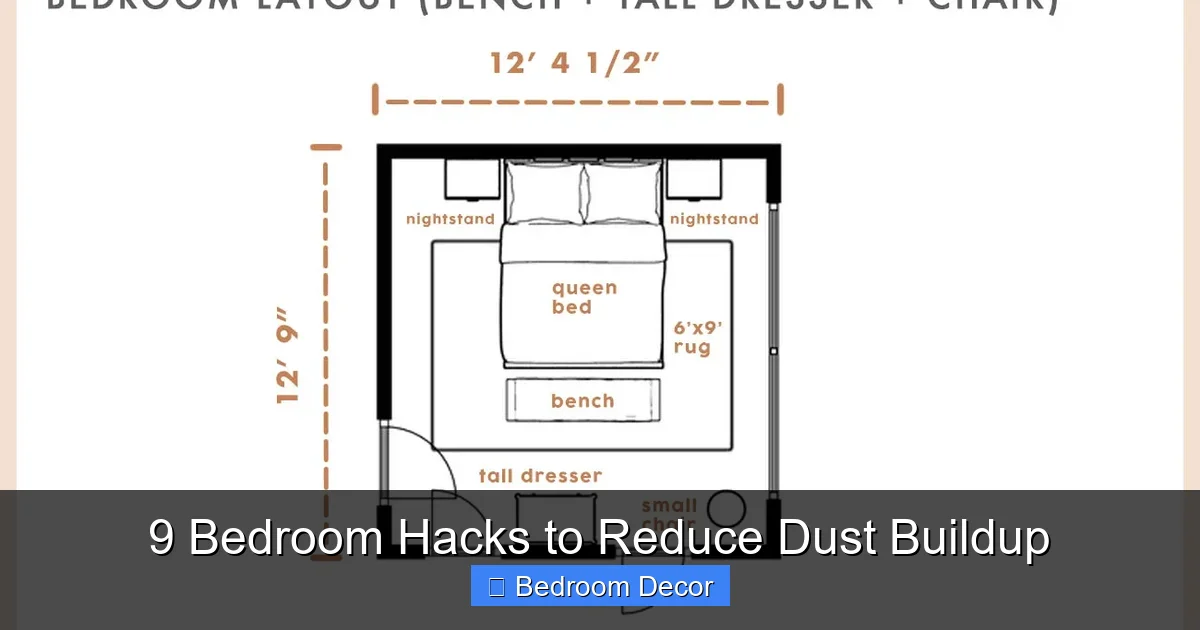
Visual guide about 9 Bedroom Hacks to Reduce Dust Buildup
Image source: stylebyemilyhenderson.com
Use Microfiber Cloths
Microfiber cloths are fantastic for dusting because their tiny fibers are designed to pick up and hold onto dust particles, rather than just scattering them. Slightly dampen a microfiber cloth with water or a mild cleaning solution. The dampness helps trap the dust, preventing it from floating back into the air.
Work from Top to Bottom
When dusting, always start at the highest points in your room and work your way down. This ensures that any dust that gets dislodged will fall onto already-cleaned surfaces below, or onto the floor, where it can be easily vacuumed or mopped up later. Start with ceiling fans, light fixtures, then shelves, furniture, and finally, floor-level items.
Don’t Forget the Details
Dust loves to hide in nooks and crannies. Pay attention to often-overlooked spots like baseboards, window sills, door frames, picture frames, and the tops of lampshades. Use a slightly damp cloth to wipe down blinds and shutters regularly. For electronics, use an appropriate cleaner or a very slightly damp cloth after unplugging. Being thorough with these details will make a big difference in your efforts to reduce dust buildup.
Hack 4: Bring in an Air Purifier
Even with diligent cleaning, microscopic dust particles can remain suspended in the air. An air purifier acts as a powerful ally in your fight to reduce dust buildup and improve overall air quality.
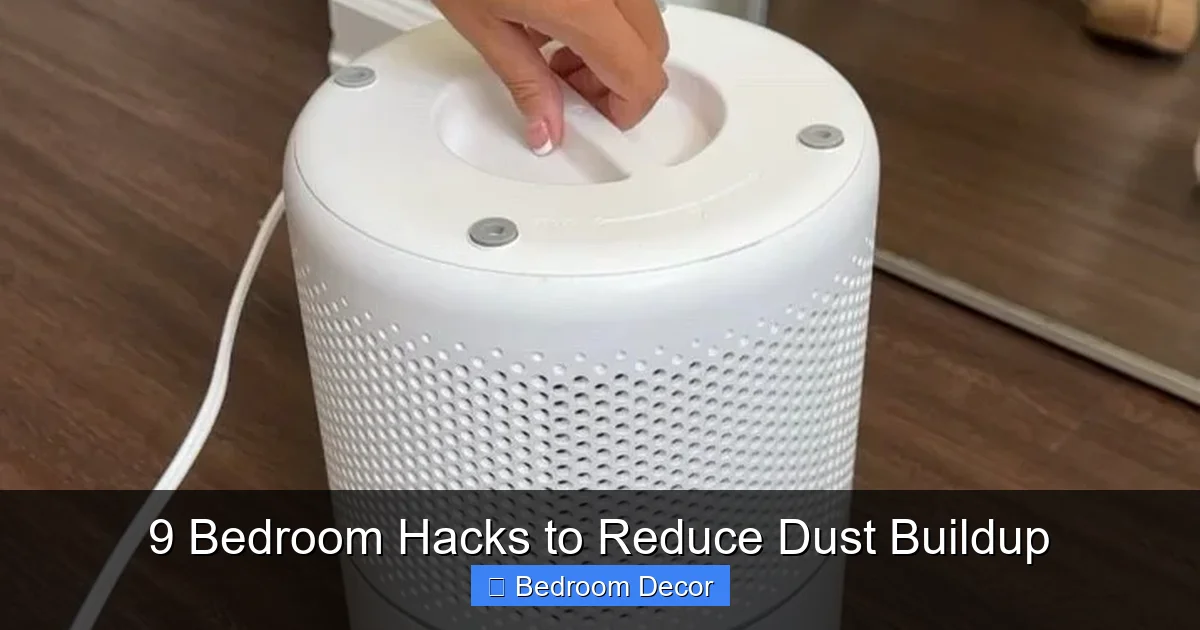
Visual guide about 9 Bedroom Hacks to Reduce Dust Buildup
Image source: product-images-cdn.liketoknow.it
Look for HEPA Filters
When choosing an air purifier, ensure it features a True HEPA filter. HEPA stands for High-Efficiency Particulate Air, and these filters are designed to capture 99.97% of airborne particles as small as 0.3 microns. This includes dust, pollen, pet dander, mold spores, and even some bacteria and viruses. Place the air purifier in your bedroom and run it consistently, especially while you sleep.
Proper Placement and Maintenance
Position your air purifier in a central location in your bedroom, away from walls or obstructions, to allow for optimal airflow. Remember to regularly check and replace the filters according to the manufacturer’s recommendations. Clogged filters lose their effectiveness and can actually impede airflow. Proper maintenance ensures your purifier continues to work hard to reduce dust buildup.
Consider CADR Ratings
CADR (Clean Air Delivery Rate) ratings indicate how quickly an air purifier removes pollutants from a room. Look for a model with a CADR rating appropriate for the size of your bedroom. A higher CADR means faster air cleaning. Choosing the right size purifier for your space will maximize its ability to reduce dust buildup and allergens.
Hack 5: Clean Floors Effectively
Your bedroom floor is a major repository for dust, skin cells, and tracked-in dirt. How you clean it significantly impacts how much dust becomes airborne again. Effective floor cleaning is essential to reduce dust buildup throughout the room.
Vacuum with a HEPA Filter
If you have carpets or rugs, invest in a vacuum cleaner with a HEPA filter. Just like with air purifiers, HEPA-filtered vacuums prevent fine dust particles and allergens from being released back into the air as you clean. Vacuum your bedroom carpet at least once a week, more often if you have pets or allergies. Take your time and go over areas multiple times to ensure thorough dust removal.
Damp Mop Hard Floors
For hardwood, laminate, or tile floors, sweeping can often just push dust around. Instead, opt for a damp mop or a specialized hard floor cleaner. The dampness traps the dust and prevents it from recirculating. Mop at least once a week, making sure to rinse your mop head frequently to avoid spreading dirt. This method is far superior for helping to reduce dust buildup on hard surfaces.
Regular Rug and Carpet Care
Even with regular vacuuming, rugs and carpets can harbor deep-seated dust. Consider having your carpets professionally cleaned every 6-12 months. For smaller area rugs, take them outside and beat them or vacuum them thoroughly on both sides. This helps dislodge hidden dust and fibers that regular vacuuming might miss, significantly contributing to your efforts to reduce dust buildup.
Hack 6: Manage Pet Dander Smartly
For many pet owners, furry friends are a huge source of dust. Pet dander (tiny flakes of skin) combined with pet hair makes up a significant portion of household dust. While you wouldn’t trade your pet for anything, you can take steps to manage their contribution to dust buildup.
Groom Pets Regularly
Brush your pets frequently, ideally outdoors, to remove loose fur and dander before it can shed indoors. Regular bathing with pet-friendly shampoo can also help. The less dander and hair your pet sheds inside, the less dust will accumulate in your bedroom. This simple routine is vital to reduce dust buildup from pets.
Designate “No-Go” Zones
If possible, try to keep pets out of your bedroom, especially if you have allergies. If that’s not feasible, at least try to keep them off the bed itself. Pet dander easily clings to bedding and can be difficult to remove. A pet bed in a designated spot, away from your bed, can help consolidate their dander to a single, easily cleanable area.
Wash Pet Bedding Often
Just like your own bedding, pet beds and blankets are huge dust and dander traps. Wash all pet bedding at least once a week, using hot water to kill dust mites and remove allergens. This helps prevent the spread of pet-related dust throughout your bedroom and is a key step to reduce dust buildup.
Hack 7: Maintain Good Ventilation
Stagnant air allows dust particles to hang around and settle. Good ventilation helps to circulate air, remove airborne particles, and bring in fresh air, which can significantly help to reduce dust buildup.
Open Windows Daily
Even for a short period each day, opening your bedroom windows allows fresh air to enter and stale, dust-laden air to escape. Aim for about 10-15 minutes, especially in the morning after sleeping. On dry, breezy days, this simple act can do wonders for air quality and help sweep out fine dust particles.
Use Exhaust Fans
If your bedroom has an attached bathroom, always use the exhaust fan during and after showers. Excess moisture can encourage dust mites and mold growth, which contribute to dust. The fan also helps to pull air, including some dust, out of the room.
Check HVAC Filters
Your home’s heating, ventilation, and air conditioning (HVAC) system can either help or hinder dust control. Regularly check and replace your HVAC filters (every 1-3 months, depending on usage and filter type). A clean, high-quality filter (look for MERV 8 or higher) will trap more airborne dust and prevent it from circulating throughout your home, including your bedroom, thereby helping to reduce dust buildup.
Hack 8: Control Humidity Levels
Dust mites, a significant component of household dust and a major allergen source, thrive in warm, humid environments. Controlling the humidity in your bedroom can make it a less hospitable place for these microscopic creatures.
Use a Dehumidifier
If your bedroom tends to be humid, especially during warmer months, consider using a dehumidifier. Aim to keep the relative humidity level between 40% and 50%. This range is too dry for dust mites to reproduce effectively, helping to naturally reduce dust buildup associated with their presence. Empty the water reservoir regularly and clean the unit according to its instructions.
Monitor Humidity with a Hygrometer
A simple hygrometer (humidity monitor) can help you track your bedroom’s humidity levels. They are inexpensive and can give you a clear picture of whether you need to run your dehumidifier more often or if your humidity levels are already optimal. Maintaining this balance is a smart long-term strategy to reduce dust buildup from mites.
Hack 9: Regularly Wash Soft Furnishings
Beyond your bed, many other soft furnishings in your bedroom can act as dust reservoirs. Fabrics easily trap dust, pet dander, and other allergens, making regular cleaning essential to reduce dust buildup.
Curtains and Blinds
Fabric curtains and drapes are notorious dust collectors. Depending on the material, wash them every 3-6 months. If they are dry-clean only, ensure they get professional cleaning. For blinds (especially horizontal slatted ones), wipe them down regularly with a damp microfiber cloth or a specialized blind duster. Consider swapping heavy drapes for washable curtains or even roller blinds that are easier to wipe clean.
Throw Pillows and Blankets
Decorative throw pillows, blankets, and duvets not covered by an allergen-proof cover should be washed regularly. Check their care labels, but most can be machine washed every month or two. If they are too delicate, shake them outdoors vigorously to dislodge dust and then tumble dry on a no-heat or low-heat cycle to air them out. This helps significantly to reduce dust buildup.
Upholstered Furniture
If you have an upholstered headboard, chair, or bench in your bedroom, it’s also collecting dust. Vacuum upholstered items weekly using the upholstery attachment on your vacuum cleaner. For deeper cleaning, consider using a fabric refresher or a steam cleaner on occasion, making sure to test in an inconspicuous area first. Regular attention to these items will help to further reduce dust buildup in your sanctuary.
Troubleshooting: “I’m Still Seeing Dust!”
Even with the best efforts, dust can be persistent. If you’re still noticing significant dust buildup, consider these points:
- Frequency: Are you cleaning often enough? In high-dust environments or during allergy season, you might need to increase your cleaning schedule.
- Hidden Sources: Have you checked less obvious places like air vents, light fixtures, or the backs of furniture?
- HVAC System: Ensure your HVAC system isn’t blowing dust around. A professional duct cleaning might be necessary if your ducts are old or very dirty.
- Outside Influence: Is dust entering from outside? Ensure windows and doors seal properly.
- Professional Help: For persistent issues or severe allergies, consider a professional deep cleaning service for carpets and upholstery. They have specialized equipment to extract deeply embedded dust.
Conclusion
Creating a truly clean and dust-free bedroom takes a consistent effort, but the benefits are well worth it. By implementing these 9 simple yet powerful bedroom hacks, you’re not just tackling a chore; you’re investing in your health, comfort, and peace of mind. From decluttering and smart bedding choices to advanced air purification and effective cleaning techniques, each step plays a vital role in your mission to reduce dust buildup.
Imagine walking into a bedroom that feels fresh, where the air is clean, and surfaces stay visibly dust-free for longer. It’s an environment where you can truly relax, rejuvenate, and breathe easy. Start incorporating these hacks today, and transform your bedroom into the dust-free haven you deserve!