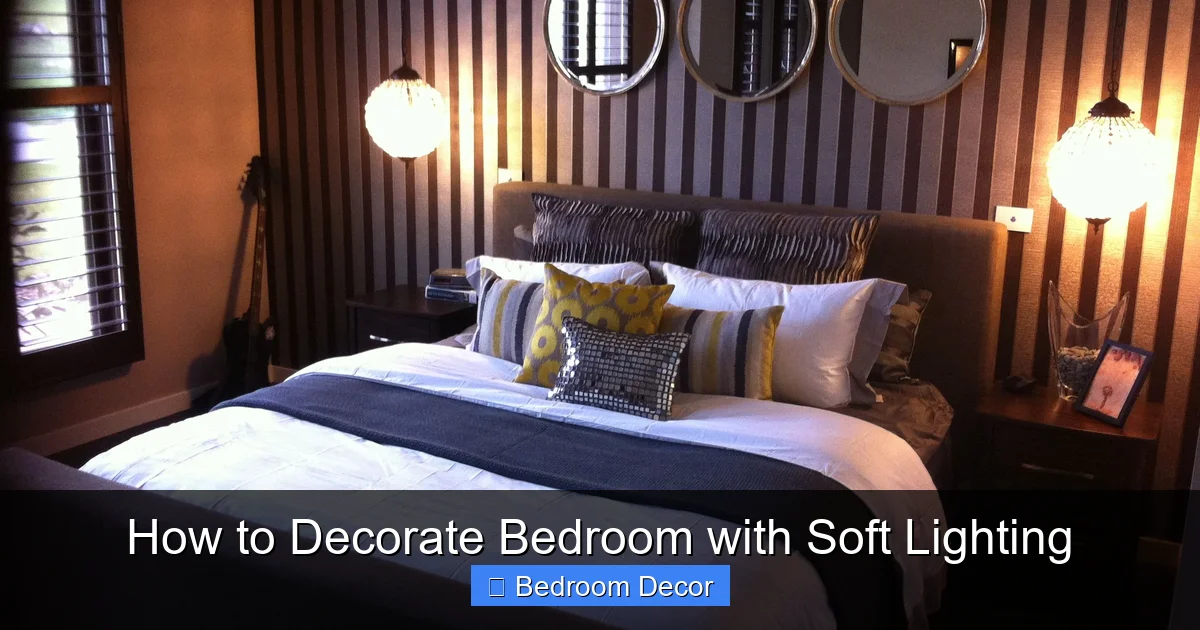
Transform your bedroom into a serene escape by embracing the art of soft lighting. This guide will show you how to choose the right fixtures, bulbs, and placement strategies to create a warm, inviting ambiance. Learn to layer different light sources and incorporate dimmers to achieve ultimate comfort and relaxation, making your personal space truly restful.
How to Decorate Bedroom with Soft Lighting
Your bedroom should be your sanctuary – a peaceful retreat where you can unwind, relax, and recharge. One of the most powerful tools for creating this serene atmosphere is lighting. Specifically, learning how to decorate bedroom with soft lighting can transform a stark, functional space into a cozy haven. Forget harsh overhead lights; we’re talking about a gentle glow that soothes your senses and encourages tranquility.
In this comprehensive guide, we’ll walk you through everything you need to know to decorate your bedroom with soft lighting effectively. From understanding color temperatures and lumens to choosing the perfect fixtures, bulbs, and placement strategies, you’ll learn how to craft an inviting, warm, and utterly relaxing environment. Get ready to banish harsh glares and welcome a world of gentle illumination that makes your bedroom truly shine with comfort.
Key Takeaways
- Embrace Dimmer Switches: These are fundamental for soft lighting, allowing you to adjust brightness to suit your mood and time of day, making them essential when you decorate bedroom with soft lighting.
- Choose Warm Color Temperatures: Opt for bulbs in the 2200K-3000K range (warm white) to foster a cozy, relaxing atmosphere, avoiding harsh cool tones.
- Layer Different Light Sources: Combine ambient (general), task (focused), and accent (decorative) lighting to create depth and eliminate single, overpowering light sources.
- Prioritize Diffused Light: Use lampshades, frosted bulbs, and indirect lighting to soften light output and prevent glare, contributing significantly to a soft bedroom lighting scheme.
- Strategic Placement Matters: Position lights at varying heights and in corners to eliminate shadows and create an even, gentle glow throughout the room.
- Leverage Smart Lighting: Consider smart bulbs for effortless control over brightness and color temperature, enhancing your ability to decorate bedroom with soft lighting dynamically.
- Don’t Forget Natural Light: Filter incoming sunlight with sheer curtains to maintain a soft glow during the day, seamlessly integrating with your artificial lighting choices.
Step 1: Understand the Basics of Soft Lighting
Before you dive into buying lamps and bulbs, it’s crucial to understand what “soft lighting” actually means in practical terms. It’s more than just dimness; it’s about quality, color, and diffusion.
What is “Soft Lighting”?
Soft lighting is characterized by a diffused, gentle glow that minimizes harsh shadows and glare. It’s light that spreads evenly, creating a comforting ambiance rather than a stark illumination. Think of the warm glow of a sunset or candlelight – that’s the feeling we’re aiming for when we decorate bedroom with soft lighting.
Color Temperature (Kelvin Scale)
Light isn’t just bright or dim; it also has a “color.” This is measured in Kelvins (K). The lower the Kelvin number, the warmer and more yellow/orange the light appears. The higher the number, the cooler and more blue/white it looks.
- Warm White (2200K-3000K): This is your go-to range for creating soft, cozy, and inviting bedroom lighting. It mimics incandescent bulbs and the warm glow of a fire, perfect for relaxation.
- Cool White (3100K-4500K): While good for task-oriented areas like kitchens or offices, this can feel sterile and harsh in a bedroom. Avoid it for primary soft lighting.
- Daylight (4600K-6500K): Best for workspaces or areas requiring high color accuracy; definitely too harsh for a relaxing bedroom environment.
When you decorate bedroom with soft lighting, always prioritize bulbs in the warm white range.
Brightness (Lumens)
Lumens measure the total amount of visible light from a lamp or light source. The higher the lumen count, the brighter the light. For soft bedroom lighting, you don’t need a high lumen count. Instead, you’ll want multiple sources with lower lumens that can be combined or used individually.
- General Ambient Light: Aim for a total of 1500-4000 lumens for an average bedroom, but crucially, ensure this is spread across multiple sources and is dimmable.
- Task Lighting: A bedside reading lamp might need around 400-800 lumens, but it should be focused.
The key here is control. You want the ability to adjust the overall brightness to create the desired softness.
Step 2: Plan Your Lighting Zones
Effective soft lighting isn’t about one big light; it’s about a symphony of lights working together. Think about your bedroom in terms of “zones” and how different types of lighting can serve each area.

Visual guide about How to Decorate Bedroom with Soft Lighting
Image source: imgcdn.stablediffusionweb.com
Ambient Lighting
This is your general, overall illumination that provides a comfortable baseline brightness. It’s the foundation of your soft bedroom lighting scheme. Instead of a single overhead fixture that casts harsh shadows, consider multiple, diffused sources.
- Examples: A ceiling fan light with a diffuser (on a dimmer), wall sconces providing uplight, or a floor lamp with a wide, fabric shade.
Task Lighting
This is focused light designed for specific activities. In a bedroom, this primarily means reading in bed or getting ready at a vanity.
- Examples: Bedside table lamps, swing-arm wall lamps next to the bed, or a small, focused lamp on a dresser.
While task lighting needs to be bright enough for its purpose, it should still emit a warm glow and ideally be dimmable so you can soften it when not actively needed.
Accent Lighting
Accent lighting is purely decorative. It’s used to highlight architectural features, artwork, or to create visual interest and mood. This is where you can add truly magical touches to decorate bedroom with soft lighting.
- Examples: LED strip lights behind a headboard, fairy lights draped across a canopy, small spotlights on artwork, or illuminated shelves.
Step 3: Choose the Right Light Fixtures
The fixtures you select are crucial for directing and diffusing light. When you decorate bedroom with soft lighting, look for fixtures that naturally soften the light output.

Visual guide about How to Decorate Bedroom with Soft Lighting
Image source: thumbs.dreamstime.com
Dimmer Switches: An Absolute Must
Seriously, if you take away only one tip, let it be this: install dimmer switches on every light fixture possible. Dimmers give you unparalleled control over the ambiance, allowing you to fine-tune the brightness from fully lit to a barely-there glow. They are the cornerstone of soft bedroom lighting.
Lamps: Table Lamps and Floor Lamps
Lamps are versatile and essential for layered soft lighting. Choose lamps with fabric shades, frosted glass, or opaque bases that diffuse light rather than letting it shine directly.
- Table Lamps: Place them on bedside tables, dressers, or chests. Use at least two bedside lamps for balance and sufficient reading light.
- Floor Lamps: Ideal for corners or next to an armchair, providing ambient light without taking up table space. Look for arc lamps or those with upward-facing bowls for indirect light.
Wall Sconces
Wall sconces are excellent for adding ambient and accent lighting without cluttering surfaces. They can create beautiful patterns of light on your walls.
- Uplighting Sconces: Direct light upwards, bouncing it off the ceiling for a gentle, indirect glow.
- Downlighting Sconces: Create pools of light below, great for highlighting texture on a wall or providing subtle task lighting.
- Bedside Sconces: Free up bedside table space and offer focused reading light.
Pendant Lights
Small pendant lights can be hung on either side of the bed instead of table lamps, offering a modern and space-saving solution. Ensure they are at an appropriate height to avoid glare when lying down and that they have a warm, diffused light source.
Fairy Lights & String Lights
These are fantastic for adding a whimsical, magical touch and pure accent lighting. Their low lumen output and warm glow create instant coziness.
- Placement ideas: Drape them around a headboard, frame a mirror, tuck them behind sheer curtains, or string them across a canopy bed.
LED Strips (Tape Lights)
LED strips are incredibly versatile for hidden, indirect lighting. They are perfect for accentuating features with a soft, diffused glow.
- Placement ideas: Behind a headboard, under floating shelves, along the perimeter of a dropped ceiling (cove lighting), or behind a TV for bias lighting. Choose warm white strips, and make sure they are dimmable.
Chandeliers/Ceiling Lights (Used Cautiously)
While often too bright for a primary soft lighting source, a chandelier or decorative ceiling fixture can work if it meets specific criteria:
- It must be on a dimmer switch.
- It should have multiple bulbs with low wattage/lumens.
- The fixture itself should diffuse light, perhaps with frosted glass or a drum shade, rather than exposing bare bulbs.
Natural Light Enhancement
Don’t forget the power of natural light. Even during the day, you can control its softness.
- Sheer Curtains: Filter harsh sunlight into a gentle, diffused glow.
- Mirrors: Strategically placed mirrors can reflect light (both natural and artificial) deeper into the room, making it feel brighter without adding more fixtures, and enhancing the overall soft ambiance.
Step 4: Select the Ideal Light Bulbs
The bulb is the heart of your fixture. Choosing the right one is paramount when you decorate bedroom with soft lighting.
Warm White Bulbs (2200K-3000K)
As mentioned, this color temperature range is non-negotiable for soft bedroom lighting. It promotes relaxation and a feeling of warmth.
Dimmable LEDs
LEDs are energy-efficient, long-lasting, and widely available. Crucially, many are now dimmable. Always double-check the packaging to ensure the bulb specifies “dimmable” if you plan to use it with a dimmer switch.
Frosted or Milky Bulbs
These bulbs have an opaque coating that diffuses the light internally, softening its output even before it hits the shade. They are excellent for fixtures where the bulb might be partially visible, preventing harsh direct glare.
Smart Bulbs (Optional)
For ultimate control, smart bulbs allow you to change color temperature, brightness, and even color via an app or voice command. This gives you incredible flexibility to create the perfect soft lighting for any mood.
Step 5: Master Placement and Layering
How you arrange your lights is just as important as what lights you choose. Thoughtful placement creates a truly immersive soft lighting experience.
Create Depth: Combine Ambient, Task, and Accent
Never rely on a single light source. Layering these three types of lighting is the secret to a rich, inviting atmosphere. For example, have an ambient floor lamp in a corner, bedside lamps for task lighting, and LED strips behind your headboard for accent.
Avoid Overhead Glare
The single most common mistake in bedroom lighting is relying on one bright overhead fixture. This creates harsh shadows and an uninviting atmosphere. Instead, use multiple smaller light sources at different heights.
Strategic Placement
- Corners: Place floor lamps or wall sconces in corners to eliminate dark spots and bounce light off walls, creating a softer overall glow.
- Bedside: Use matching table lamps or wall sconces on either side of the bed. Ensure the light source is at a comfortable height for reading without shining directly into your eyes.
- Behind Furniture: Tuck LED strips or small lamps behind a headboard or under a console table for indirect, subtle illumination that adds depth.
- Eye Level: Place light sources at or below eye level whenever possible. This prevents direct glare and creates a more intimate feel, essential to decorate bedroom with soft lighting.
Symmetrical vs. Asymmetrical
While symmetry can create a sense of order (e.g., matching bedside lamps), don’t be afraid to experiment with asymmetrical arrangements to add visual interest and layers of light.
Step 6: Incorporate Light-Softening Elements
Beyond the fixtures and bulbs themselves, other elements in your room can help diffuse and enhance the softness of your lighting.
Lampshades
The material, color, and opacity of your lampshades significantly impact light diffusion.
- Fabric Shades: Linen, cotton, or silk shades in light, neutral colors are excellent diffusers.
- Frosted or Opaque Shades: Prevent direct glare from the bulb.
- Darker Shades: While they limit light output, they can create a more dramatic, intimate pool of light.
Diffusers
Some fixtures come with built-in diffusers, such as frosted glass panels or milky acrylic covers. If your ceiling light is too harsh, consider adding a fabric diffuser or a light-filtering film.
Mirrors
Mirrors are fantastic for making a room feel larger and brighter, but they also help distribute light. Position a mirror opposite a window or a light source to reflect and spread its soft glow around the room.
Sheer Curtains
As mentioned before, sheer curtains are vital for managing natural light. They filter harsh daylight into a soft, inviting glow, making the room feel consistently bright and airy without being overpowering.
Wall Colors
Light, muted wall colors (e.g., soft grays, warm whites, pastels) reflect light more effectively than dark colors. This helps to distribute the soft lighting throughout the room, making it feel more expansive and brighter with less intense artificial light.
Step 7: Smart Lighting and Automation (Optional but Recommended)
For ultimate convenience and flexibility when you decorate bedroom with soft lighting, consider integrating smart lighting technology.
Smart Bulbs
These Wi-Fi or Bluetooth enabled bulbs can be controlled via an app or voice assistant. Many offer tunable white options, allowing you to seamlessly switch between warm (2700K) and cool (5000K+) tones, and adjust brightness instantly. You can even set schedules for them to gradually brighten in the morning or dim at night.
Smart Plugs
If you have existing lamps that aren’t smart, a smart plug can turn them into smart devices. Just plug the lamp into the smart plug, and you can control it remotely, set timers, and even integrate it with other smart home routines.
Smart lighting allows you to create multiple “scenes” – for instance, a “Relax” scene with dim, warm light from all sources, or a “Reading” scene with only the bedside lamps at a brighter setting.
Troubleshooting Common Soft Lighting Challenges
Even with the best intentions, you might run into a few snags. Here are some common issues and how to solve them when you decorate bedroom with soft lighting:
“My room feels too dim.”
- Increase Lumens (Carefully): You might need slightly brighter bulbs, but keep the color temperature warm.
- Add More Sources: Instead of one brighter lamp, add another smaller lamp or some accent lighting (like LED strips or fairy lights) to distribute the light more evenly.
- Check Dimmer Settings: Ensure your dimmers aren’t set too low. Adjust them until the light feels comfortable.
- Reflective Surfaces: Introduce a mirror or light-colored artwork to help bounce light around the room.
“The light still feels harsh.”
- Lower Color Temperature: Make sure your bulbs are truly warm white (2200K-2700K).
- Add Diffusers: Are your lampshades thick enough? Are your bulbs frosted? Consider adding a light-filtering film to exposed bulbs or glass fixtures.
- Indirect Lighting: Rely more on sconces that direct light upwards or floor lamps that bounce light off the ceiling.
- Review Placement: Ensure no light source is shining directly into common sightlines.
“It’s not cohesive or looks messy.”
- Consistency in Style: While layering is key, try to maintain a consistent style or finish for your fixtures (e.g., all brushed brass, all minimalist, or all rustic).
- Hide Cords: Use cord covers or secure cords behind furniture to keep the look clean and intentional.
- Balance: Step back and assess. Is one area too bright and another too dark? Adjust placement and brightness to create a balanced, even glow.
Conclusion
Learning how to decorate bedroom with soft lighting is an art, but it’s an art that anyone can master with a little planning and the right tools. By understanding color temperature, lumens, and the power of layering different light sources, you can transform your bedroom into a tranquil oasis.
Remember to prioritize dimmer switches, warm white bulbs, and diffused light through carefully chosen fixtures and shades. Don’t be afraid to experiment with accent lighting like fairy lights or LED strips to add that extra touch of magic. Your bedroom should be a reflection of calm and comfort, and soft lighting is the most effective way to achieve this.
Now, go forth and create the dreamy, relaxing sanctuary you deserve. Sweet dreams await in your beautifully lit haven!