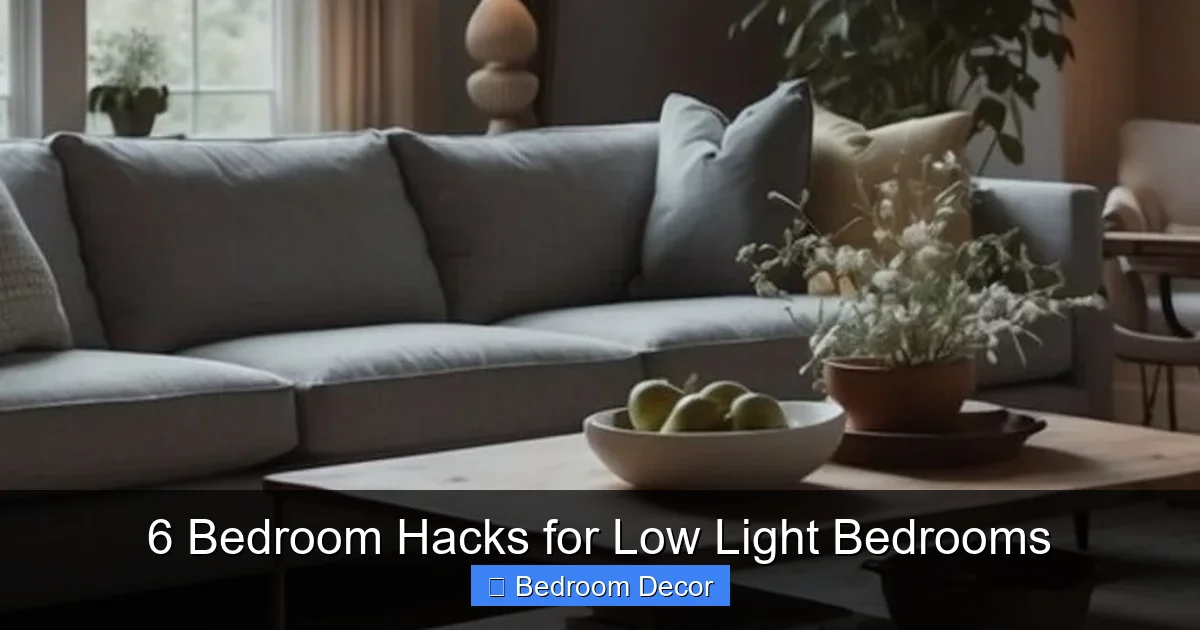
Struggling with a perpetually dim bedroom? This guide offers six practical and impactful hacks to transform your low light bedroom into a brighter, more inviting sanctuary. Learn to harness mirrors, layered lighting, light-reflecting decor, strategic paint choices, smart decluttering, and even low-light-loving plants to maximize brightness and create a serene atmosphere. Say goodbye to gloom and hello to a wonderfully luminous space!
6 Bedroom Hacks for Low Light Bedrooms
Do you wake up feeling like you’re still in the dark, even in the middle of the day? Does your bedroom constantly feel dim, gloomy, or just plain uninviting? You’re not alone! Many homes, especially those with smaller windows, unfortunate orientations, or surrounding obstructions, feature bedrooms that struggle with a lack of natural light. A low light bedroom can impact your mood, your productivity, and even the perceived size of your space.
But don’t despair! You don’t need to knock down walls or install new windows to brighten things up. With a few clever design tricks and strategic choices, you can transform your perpetually dim space into a wonderfully bright and airy sanctuary. This comprehensive guide will walk you through six effective bedroom hacks specifically designed to combat the challenges of low light bedrooms. We’ll explore everything from smart lighting solutions to clever decor choices, all aimed at maximizing the light you have and creating the illusion of more. Get ready to illuminate your personal haven!
Key Takeaways
- Maximize Reflections: Strategically place mirrors and use reflective surfaces like glass and metallics to bounce light around your low light bedroom, effectively amplifying any available natural light.
- Layer Your Lighting: Don’t rely on just one overhead fixture. Combine ambient, task, and accent lighting with warm-toned bulbs and dimmers to create a versatile and inviting atmosphere in a low light room.
- Embrace Light Colors: Opt for light, cool paint colors for walls and choose furniture, bedding, and decor in lighter shades. These colors absorb less light and help make your low light bedroom feel more open and airy.
- Declutter and Optimize Space: A minimalist approach reduces visual clutter, allowing light to flow more freely. Choose furniture that is proportionate and keeps pathways open to enhance the sense of spaciousness.
- Introduce Low-Light Greenery: Plants like Pothos or Snake Plants thrive in low light conditions and add life, freshness, and a touch of natural brightness to your bedroom, improving air quality too.
- Smart Window Treatments: Select sheer or light-colored curtains that can be easily pulled back during the day. Keeping windows clean also ensures maximum light penetration into your low light bedroom.
Hack 1: Unleash the Power of Mirrors and Reflective Surfaces
One of the oldest and most effective tricks in the book for a low light bedroom is harnessing the power of reflection. Mirrors don’t just show you your reflection; they reflect light, bouncing it around the room and making the space feel instantly brighter and larger.
Strategic Placement is Key
Simply hanging a mirror anywhere won’t give you the best results. For maximum impact in a low light bedroom, consider these placements:
- Opposite a Window: This is the golden rule. A large mirror placed directly across from your window will capture the natural light pouring in (no matter how little) and reflect it deep into the room. It essentially doubles your window, making your low light bedroom feel much brighter.
- Adjacent to a Window: If placing it directly opposite isn’t feasible, position a mirror on an adjacent wall. It will still catch some light and reflect it, adding depth and brightness.
- Behind a Light Source: Placing a mirror behind a lamp, especially a table lamp or floor lamp, amplifies its light output. The mirror will reflect the lamp’s glow, distributing it more widely throughout your low light bedroom.
- Gallery Wall with Mirrors: Instead of just artwork, incorporate mirrors of various shapes and sizes into a gallery wall. This creates multiple points of reflection, scattering light in interesting ways.
Beyond Just Mirrors
Mirrors aren’t the only reflective game in town. Consider other surfaces that can help bounce light around your low light bedroom:
- Glass and Acrylic Furniture: A glass-top nightstand, an acrylic chair, or a console table can create an airy feel and allow light to pass through, reducing visual bulk.
- Metallic Accents: Gold, silver, chrome, or copper finishes on lamps, decorative objects, picture frames, or furniture legs can catch and reflect light. A cluster of metallic votives or a shiny tray on your dresser can work wonders.
- High-Gloss Finishes: Furniture with a high-gloss paint finish or lacquered surfaces will have a subtle reflective quality that can contribute to a brighter feel.
- Mirrored Furniture: A mirrored dresser or nightstand can be a show-stopping piece that dramatically enhances light in a low light bedroom, though it requires more diligent cleaning!
Hack 2: Master the Art of Layered Lighting
In a low light bedroom, relying on just one overhead light is a recipe for a dim, uninviting space. The key is to create a lighting scheme with multiple layers, mimicking natural light patterns and offering flexibility.
Ambient Light: The Foundation
This is your general illumination, providing overall brightness. For a low light bedroom, avoid harsh, single-source overhead lights. Instead, consider:
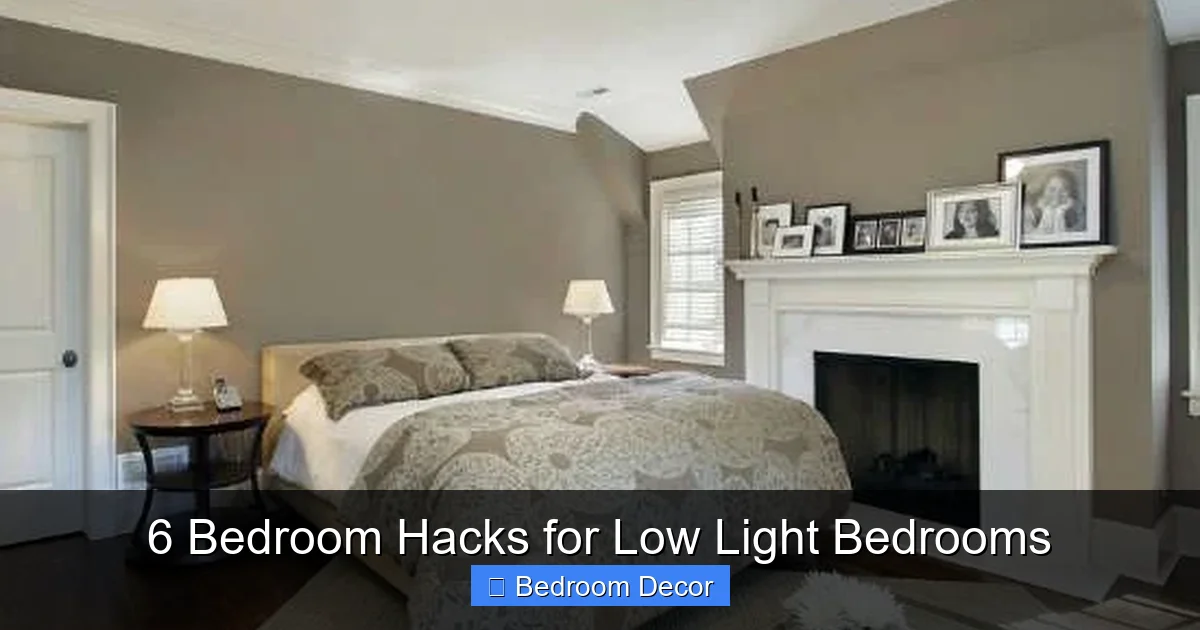
Visual guide about 6 Bedroom Hacks for Low Light Bedrooms
Image source: i.pinimg.com
- Ceiling Fixtures with Diffusers: Choose fixtures that disperse light evenly rather than directing it downwards in a harsh beam. A flush mount or semi-flush mount with a frosted shade can be effective.
- Recessed Lighting with Dimmers: If possible, recessed lights offer unobtrusive ambient light. Dimmers are crucial here to control intensity throughout the day and evening.
- Floor Lamps with Up-Lighting: A tall floor lamp that projects light upwards can bounce light off the ceiling, creating a softer, more diffused ambient glow.
Task Lighting: Function and Flair
Task lighting is essential for specific activities like reading in bed or getting ready at a vanity. It also adds a focused glow to your low light bedroom.
- Bedside Lamps: Crucial for reading. Choose lamps with shades that allow light to spread, or go for wall-mounted sconces to free up nightstand space.
- Desk Lamps/Vanity Lights: If you have a workspace or vanity in your bedroom, dedicated task lighting is a must.
- Adjustable Arms: Lamps with adjustable arms allow you to direct light exactly where you need it.
Accent Lighting: Drama and Depth
Accent lighting adds visual interest, highlights features, and creates a cozy ambiance. This layer is vital for making a low light bedroom feel less flat.
- Picture Lights: To illuminate artwork.
- Cabinet or Shelf Lighting: LED strips inside shelves or cabinets can create a soft glow.
- Fairy Lights/String Lights: Drape these around a headboard, a mirror, or across a wall for a whimsical, soft, and inviting glow.
- Candles (Battery-Operated for Safety): For warmth and ambiance without open flames.
Choosing the Right Bulbs and Dimmers
- Color Temperature: Opt for bulbs with a “warm white” color temperature (around 2700K-3000K). Cooler temperatures (bluish light) can make a dim room feel stark and unwelcoming.
- LED Bulbs: Energy-efficient and available in a wide range of brightness and color temperatures.
- Dimmers: Install dimmer switches on as many of your light sources as possible. This allows you to adjust the light intensity to suit different times of day and moods, preventing your low light bedroom from ever feeling too bright or too dim.
Hack 3: Embrace Light-Colored Palettes and Finishes
Dark colors absorb light, while light colors reflect it. This is a fundamental principle in design, and it’s especially critical in a low light bedroom.
The Magic of Wall Colors
For your walls and ceiling, think light, bright, and airy. White is always a safe bet, but you’re not limited to it:
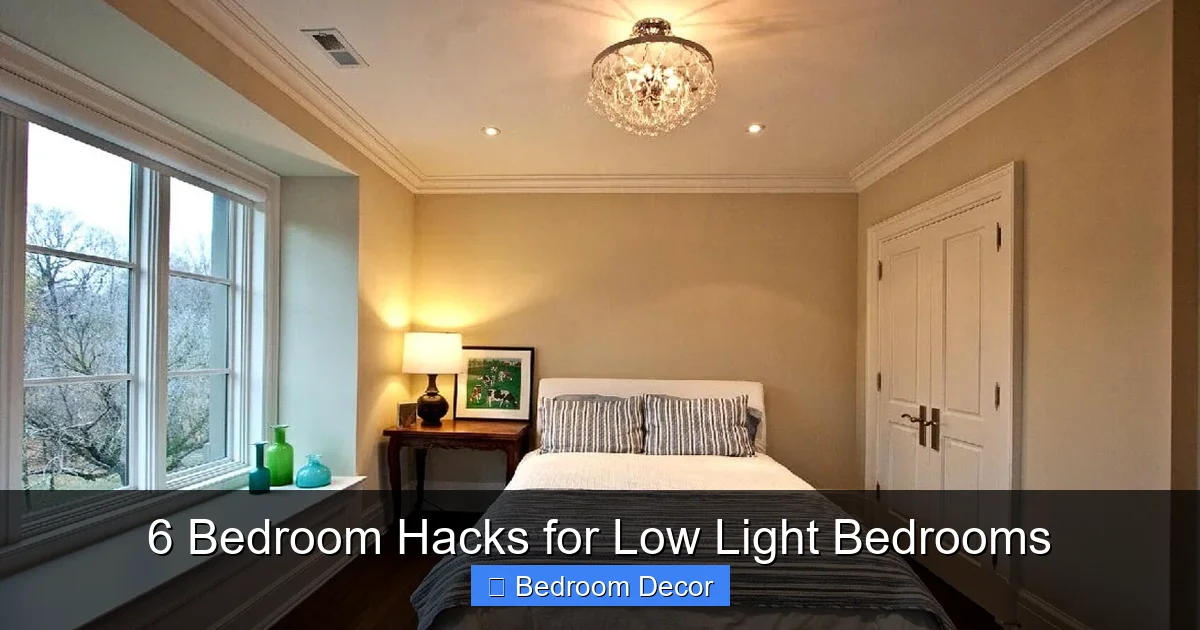
Visual guide about 6 Bedroom Hacks for Low Light Bedrooms
Image source: i.ytimg.com
- Whites and Off-Whites: These are powerful light reflectors. Choose whites with subtle undertones (e.g., a hint of gray, blue, or yellow) to add personality without sacrificing brightness.
- Pale Pastels: Soft blues, greens, lavenders, and yellows can bring a gentle wash of color to your low light bedroom while still reflecting light effectively. These cool tones often make a room feel larger and more serene.
- Light Grays: A very pale gray can offer sophistication and still contribute to an airy feel, especially when paired with white trim.
- Ceiling Paint: Always paint the ceiling a lighter color than the walls, preferably white. A bright ceiling will make the room feel taller and prevent it from feeling like a box.
- Satin or Eggshell Finish: While matte paint is popular, a satin or eggshell finish has a subtle sheen that can reflect more light than a flat finish.
Furniture and Textiles: Your Canvas
Don’t stop at the walls! Extend your light color palette to your furniture and soft furnishings.
- Light-Colored Furniture: A white, cream, or light wood bed frame, dresser, or nightstands will appear less bulky and reflect light more efficiently than dark pieces.
- Sheer or Light Curtains: Heavy, dark curtains will block precious natural light. Opt for sheer fabrics like linen or cotton in white, off-white, or light pastels. If you need privacy or room darkening, layer sheer curtains with blackout blinds that can be completely pulled up during the day.
- Bright Bedding: Choose bedding in crisp whites, creams, or light patterns. A bright duvet cover can instantly lift the mood of your low light bedroom.
- Area Rugs: A light-colored area rug can anchor the room and reflect light upwards, especially if you have dark flooring.
- Upholstery: If you have an upholstered headboard or accent chair, select lighter fabrics like linen or cotton in pale shades.
Hack 4: Declutter and Optimize Space
A cluttered room, regardless of its size, will always feel smaller and darker. In a low light bedroom, clutter creates visual noise and absorbs light, making the space feel even more oppressive.
Less is More: A Minimalist Approach
Embrace the philosophy of “less is more” to allow light to flow freely and create a sense of openness.
Visual guide about 6 Bedroom Hacks for Low Light Bedrooms
Image source: i.pinimg.com
- Clear Surfaces: Keep nightstands, dressers, and shelves as clear as possible. A few carefully chosen decorative items are fine, but avoid excessive trinkets and piles of books or clothes.
- Hidden Storage: Invest in smart storage solutions like under-bed storage, closed cabinets, or ottomans with internal storage to tuck away items that don’t need to be on display.
- Vertical Storage: Utilize wall space with floating shelves or wall-mounted cabinets to free up floor space.
- Regular Decluttering: Make it a habit to regularly go through your belongings and get rid of anything you don’t use, need, or love. The fewer items you have, the more open your low light bedroom will feel.
Functional Furniture Choices
The type and arrangement of your furniture can also impact how light and spacious your low light bedroom feels.
- Proportionate Furniture: Choose furniture that is appropriately sized for your room. Overly large pieces will overwhelm a small, dim space.
- Legged Furniture: Pieces with visible legs (beds, dressers, nightstands) allow light to pass underneath and create a sense of openness compared to solid, floor-level pieces.
- Multi-functional Pieces: A bench at the foot of the bed that also offers storage, or a desk that doubles as a vanity, can reduce the number of individual furniture items needed.
- Keep Pathways Clear: Arrange furniture to ensure clear pathways. This not only improves flow but also prevents visual obstructions that can block light.
Hack 5: Incorporate Greenery Strategically
Plants bring life, freshness, and a natural element into any space. In a low light bedroom, they can add a vibrant touch of color and vitality, counteracting any drabness. Plus, many plants are excellent air purifiers!
Plants That Thrive in Low Light
You don’t need a sun-drenched window for every plant. Many species are perfectly happy with minimal light:
- Snake Plant (Sansevieria trifasciata): Incredibly hardy, tolerant of neglect and low light. Its upright leaves add a clean, architectural element.
- Pothos (Epipremnum aureum): A beautiful vining plant that trails gracefully from shelves or hanging baskets. It’s very forgiving and thrives in low to medium light.
- ZZ Plant (Zamioculcas zamiifolia): Known for its glossy, dark green leaves and extreme drought and low light tolerance.
- Peace Lily (Spathiphyllum): Elegant with dark green leaves and striking white flowers (when happy). It prefers indirect, low light.
- Ferns (e.g., Boston Fern, Maidenhair Fern): Many ferns love humidity and indirect light, perfect for adding a lush, natural feel.
Placement for Maximum Impact
Consider where to place your green companions to best brighten your low light bedroom:
- Near a Window: Even if the light is low, placing a plant close to the window will give it the most exposure and draw the eye towards the light source.
- On Shelves or Nightstands: Smaller plants in attractive pots can add a pop of color and life to otherwise dim corners.
- Hanging Baskets: Vining plants like Pothos look fantastic in hanging baskets, drawing the eye upwards and adding greenery without taking up floor space.
- Large Floor Plants: A tall Snake Plant or ZZ Plant in a light-colored pot can add height and a touch of nature to a forgotten corner.
- Reflective Pots: Choose pots in light colors or with a subtle sheen to further enhance light reflection.
Hack 6: Optimize Your Window Treatments and Window Cleaning
Your windows are the primary source of natural light, no matter how limited. How you treat them and how clean they are can make a surprising difference in a low light bedroom.
Choose Sheer and Light
Heavy, dark, or voluminous window treatments are the enemy of natural light. For a low light bedroom, think light and airy.
- Sheer Curtains: Opt for sheer or semi-sheer curtains in white, cream, or light pastels. These allow light to filter through while still offering a touch of privacy and softness.
- Light-Colored Fabrics: If you need more privacy or insulation, choose curtains in light-colored, lightweight fabrics like linen or cotton.
- Outside the Frame: Install curtain rods that extend beyond the window frame. This allows you to pull the curtains completely off the window when open, maximizing every inch of glass to let light in.
- Roll-Up or Roman Blinds: These blinds can be pulled up entirely during the day, revealing the full window. Choose light colors for these as well. If you need blackout for sleep, consider layering a light sheer curtain with a discreet blackout roller blind.
Keep Your Windows Sparkling
It might seem obvious, but dirty windows can significantly reduce the amount of light entering your low light bedroom. A film of dust, grime, or water spots can literally dim your outlook.
- Regular Cleaning Schedule: Make it a habit to clean your windows, both inside and out, every few weeks or at least once a month.
- Effective Cleaning Tools: Use a good quality glass cleaner, microfiber cloths, or a squeegee for streak-free results.
- Don’t Forget Screens: Window screens can also accumulate dirt and block light. Clean them regularly or consider removing them during seasons when insects aren’t a major concern.
- Trim Overhanging Branches: If trees or shrubs outside your window are blocking light, consider trimming them back if they are on your property or you have permission.
Troubleshooting Common Pitfalls
Even with these hacks, you might encounter some challenges. Here are a few common issues and solutions for your low light bedroom:
- “My room still feels dark after all this!”
Double-check your bulb temperatures – ensure they are warm white (2700-3000K). Are all your curtains pulled fully back? Is your ceiling pure white? Sometimes, it takes a combination of all elements working together to make a significant impact. Also, consider the time of day and external factors.
- “I don’t want to paint my walls white.”
That’s okay! Explore very pale pastels with cool undertones (light blues, greens, lavenders). These can still reflect light well and offer a subtle pop of color without making your low light bedroom feel heavy. Focus heavily on light-colored bedding, furniture, and plenty of mirrors.
- “My landlord won’t let me paint.”
No problem! Focus intensely on light-colored bedding, rugs, and furniture. Use large mirrors, strategic lamps, and metallic accents. Peel-and-stick wallpaper in a light pattern could also be an option for an accent wall, but always check with your landlord first.
- “My room is small AND dark.”
Small and dark is a tough combination, but these hacks are even more important here. Emphasize decluttering, multi-functional furniture, light colors, and using mirrors to create the illusion of space and depth in your low light bedroom.
Conclusion
Transforming a low light bedroom into a brighter, more inviting space doesn’t require a major renovation or a massive budget. By strategically implementing these six bedroom hacks – from the reflective magic of mirrors to the cozy glow of layered lighting, the airy feel of light colors, the serenity of decluttering, the vitality of plants, and optimized window treatments – you can dramatically improve the ambiance of your sleeping sanctuary.
Embrace these tips with a creative and experimental mindset. Play around with different lighting placements, mirror angles, and decor arrangements. You might be surprised at just how much light you can coax into even the dimmest of rooms. Say goodbye to the gloom and hello to a wonderfully luminous, refreshing, and truly relaxing low light bedroom that you’ll love spending time in. Sweet dreams in your newly brightened space!