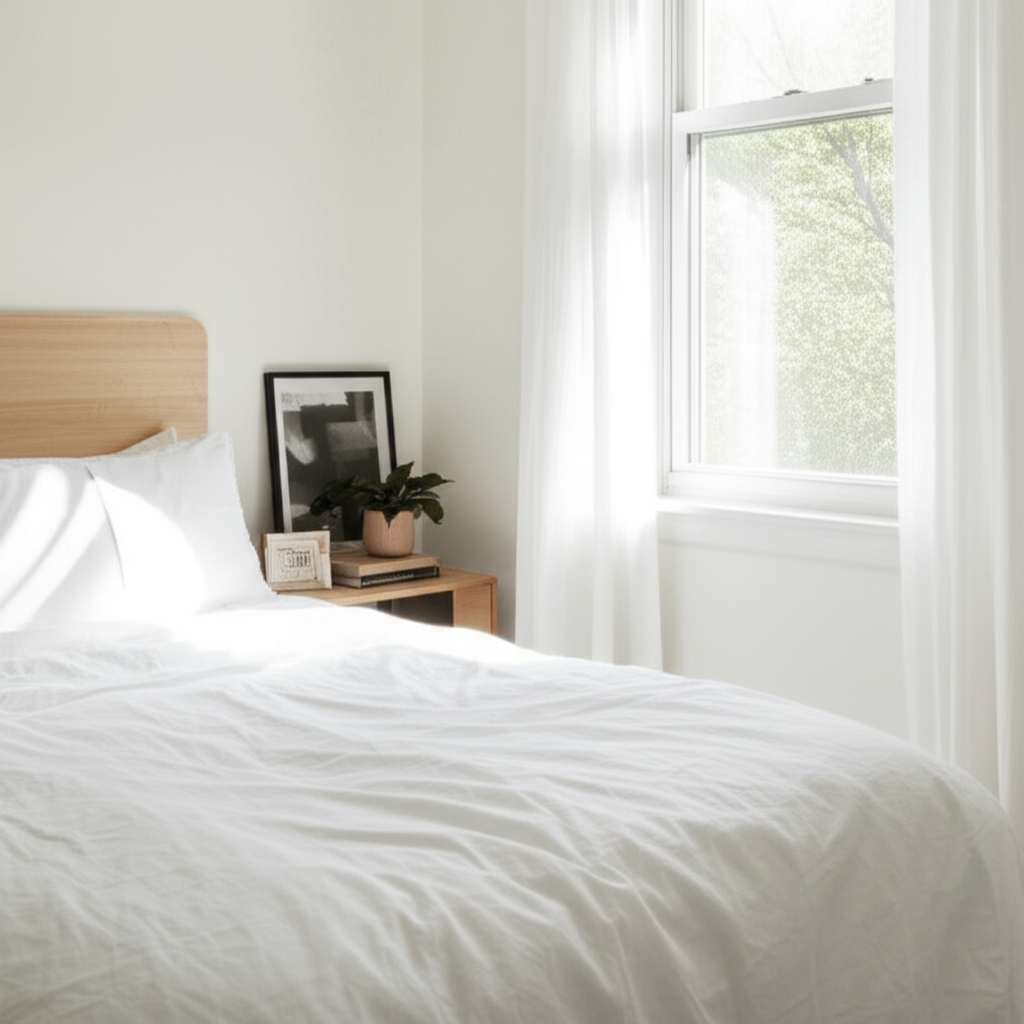
Aesthetic room ideas for small rooms are all about smart choices! Maximize your space with multi-functional furniture, strategic lighting, and a cohesive color palette. Embrace vertical space and declutter ruthlessly to create a cozy, stylish, and inviting sanctuary that feels bigger than it is.
Feeling a bit cramped in your living space? You’re not alone! Many of us dream of a beautifully decorated room, but our square footage doesn’t always cooperate.
It can feel overwhelming to try and fit your style into a small space without making it feel cluttered or even smaller. But don’t worry, transforming a small room into an aesthetic haven is totally achievable.
We’re here to share some simple, creative ideas that will make your small room feel both stylish and spacious. Get ready to fall in love with your room all over again!
Creating a Stylish Small Space: The Big Picture
When decorating a small room, the goal is to make it feel open, airy, and reflective of your personal style. It’s about being clever with what you have and focusing on elements that create an illusion of space.
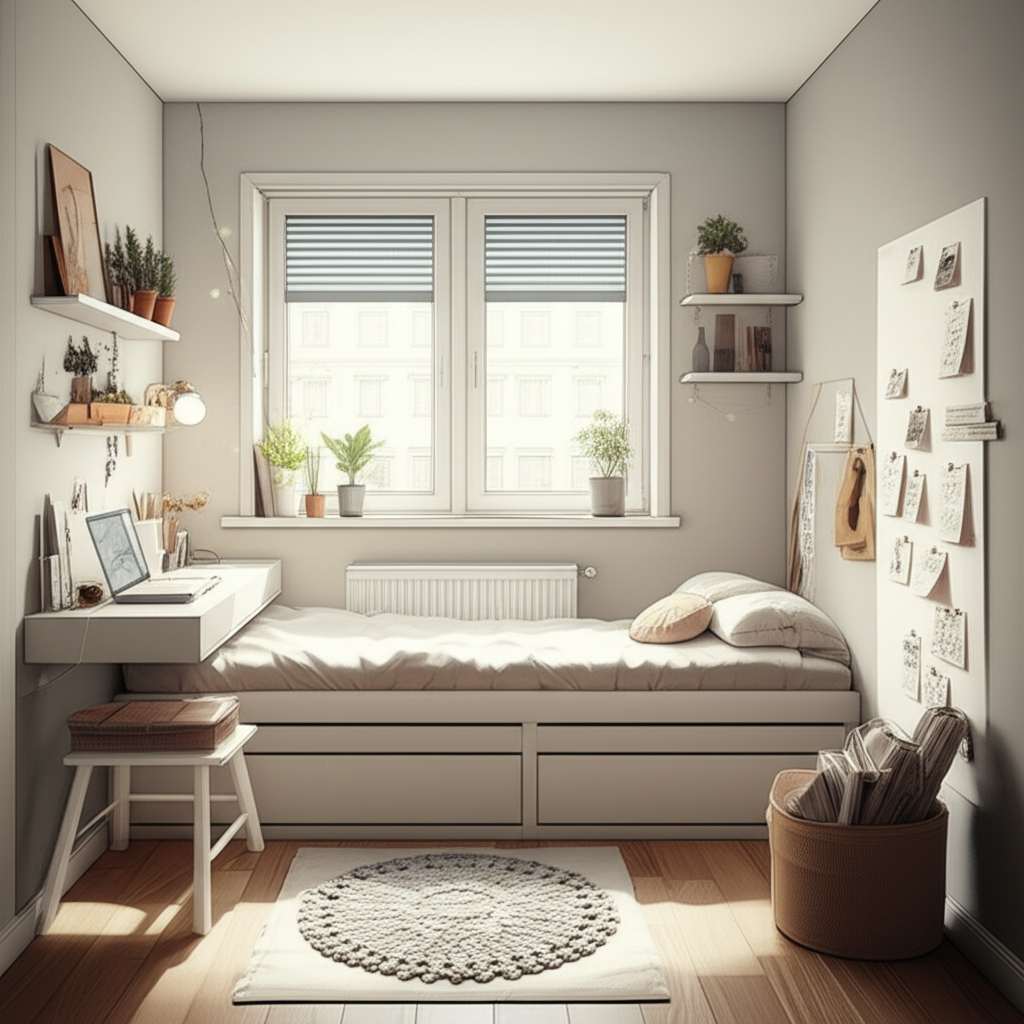
Think of it as a puzzle where each piece contributes to the overall feeling of comfort and beauty. We’ll guide you through the essential steps to achieve that perfectly curated look, even in the coziest of quarters.
1. Embrace a Light and Bright Color Palette
Colors have a huge impact on how a space feels. For small rooms, lighter colors are your best friend. They reflect light, making walls recede and the room feel larger and more open.
Think soft whites, creamy beiges, pale grays, and gentle pastels. These colors create a serene backdrop and allow your decorative touches to shine without overwhelming the space.
- Whites: Not just stark white! Consider warm whites with a hint of yellow or cream for coziness, or cool whites with a touch of blue for a crisp feel.
- Neutrals: Beiges, greiges (gray-beige), and light taupes offer warmth and sophistication.
- Pastels: Soft blues, greens, pinks, and lavenders can add a touch of color without making the room feel closed in.
2. Maximize Natural Light
Natural light is a free design tool that can dramatically enhance a small room. Keeping windows unobstructed is key to letting in as much sunlight as possible.
Avoid heavy, dark curtains. Opt for sheer fabrics, blinds, or light-colored drapes that can be easily opened wide. This will make your room feel instantly brighter and more expansive.
- Hang curtains higher and wider than the window frame to make windows appear larger.
- Use mirrors strategically to bounce light around the room.
3. Strategic Mirror Placement: The Illusionist
Mirrors are magical in small spaces. They reflect light and create the illusion of depth, making a room feel significantly larger than it is. Think of them as an extra window!
Place a large mirror opposite a window to maximize natural light and the view. You can also use a collection of smaller mirrors to create a feature wall that adds sparkle and dimension.
- Opposite windows: This is the golden rule for maximum light reflection.
- In narrow hallways or entryways: A mirror can make these tight spaces feel more open.
- Behind furniture: A large mirror placed behind a sofa or console table can create a sense of depth.
4. Smart Furniture Choices: Less is More, Multi-functional is Key
When space is limited, every piece of furniture needs to work hard. Choose pieces that are appropriately scaled for the room and serve multiple purposes.
Avoid bulky, oversized items. Instead, opt for furniture with clean lines and a lighter visual weight. Think about pieces that can be tucked away or transformed.
A. Multi-functional Furniture
This is where small-space decorating truly shines! Furniture that does double duty saves precious floor space and keeps your room clutter-free.
Consider an ottoman with hidden storage, a sofa bed for guests, or a nesting table set that can be expanded when needed and tucked away when not.
- Storage ottomans/benches: Perfect for blankets, books, or extra pillows.
- Nesting tables: Offer flexible surface area without taking up constant space.
- Sofa beds/daybeds: Ideal for studios or rooms that need to serve multiple functions.
- Wall-mounted desks: Foldable or slim-profile desks can disappear when not in use.
B. Furniture with Legs
Furniture that is elevated off the floor creates an airier feel. Seeing the floor beneath a sofa or table makes the room seem less dense and more spacious.
Look for sofas, chairs, and tables with visible legs. This visual lift makes a big difference in how open your room feels.
Consider pieces like a sleek armchair with slender legs or a coffee table with an open base. Even a few inches of visible floor space can create a sense of openness.
C. Scale is Everything
Don’t cram oversized furniture into a small room. It will make the space feel cramped and uncomfortable. Measure your room and your furniture carefully.
Opt for apartment-sized sofas, smaller accent chairs, and slim side tables. The right scale ensures that your furniture fits comfortably without dominating the room.
5. Vertical Space is Your Friend
When you can’t spread out horizontally, look up! Utilizing vertical space is a game-changer for small rooms. Think shelves, wall-mounted units, and tall, slender furniture.
This draws the eye upward, making the ceiling feel higher and the room more spacious. It also provides valuable storage without eating into your floor space.
- Floating shelves: Great for books, decor, or plants, and they have a minimal visual footprint.
- Tall bookshelves: Draw the eye up and offer ample storage.
- Wall-mounted cabinets: Keep items organized and out of sight.
6. Smart Storage Solutions: Declutter and Organize
Clutter is the enemy of small spaces. A well-organized room instantly feels larger and more aesthetically pleasing. Invest in smart storage solutions to keep your belongings tidy and out of sight.
Think creatively about where you can add storage. Every corner and every wall can potentially hold something.
A. Hidden Storage
The less you see, the cleaner and more spacious your room will feel. Utilize furniture with built-in storage or decorative baskets and bins.
Under-bed storage bins, decorative boxes on shelves, and furniture with drawers are excellent ways to keep clutter hidden.
B. Open Shelving (with a plan!)
While hidden storage is great, open shelving can also be used effectively. The key is to curate what you display.
Arrange items neatly, group them by color or type, and don’t overcrowd the shelves. This adds personality without creating visual chaos. Consider adding a few decorative items alongside your books and essentials.
7. Lighting: Beyond the Overhead Fixture
Good lighting can transform a small room, making it feel cozy, inviting, and even larger. Relying solely on one overhead light can leave corners dark and create shadows, making the space feel smaller.
Layer your lighting with a mix of ambient, task, and accent lighting. This creates depth and visual interest.
- Ambient lighting: General illumination, like a stylish floor lamp or a well-placed ceiling fixture.
- Task lighting: For specific activities, such as a reading lamp by your favorite chair or a desk lamp.
- Accent lighting: To highlight artwork or architectural features, like small picture lights or LED strip lights.
Consider wall sconces to save floor space, or plug-in pendant lights for a stylish touch without complex wiring. The U.S. Department of Energy offers great insights into energy-efficient lighting options that can also save you money.
8. Visual Tricks to Make it Feel Bigger
Beyond furniture and color, there are several visual tricks you can employ to enhance the sense of space.
- Vertical stripes: On wallpaper or curtains, these can make ceilings appear higher.
- Diagonal lines: Laying flooring or rugs diagonally can trick the eye into perceiving more width.
- Monochromatic schemes: Using varying shades of a single color can create a seamless, expansive look.
These subtle design choices can have a profound effect on how a room is perceived.
9. Embrace Negative Space (The Power of Emptiness)
It might sound counterintuitive, but leaving some areas intentionally uncluttered is crucial. Too much stuff, even if neatly arranged, can make a small room feel busy and cramped.
Don’t feel the need to fill every surface or wall. A few well-chosen pieces with space around them will make the room feel more serene and open.
Think about the flow of the room. Ensure there’s enough space to move around comfortably. This “breathing room” is essential for a calm and aesthetic environment.
Aesthetic Room Ideas for Specific Small Spaces
Let’s get more specific! Here are some aesthetic room ideas tailored for common small spaces, focusing on functionality and style.
Small Bedroom Aesthetic Ideas
Your bedroom should be a sanctuary. In a small bedroom, focus on creating a calm, organized, and inviting atmosphere.
- Wall-mounted bedside tables: Free up floor space and offer a minimalist look.
- Under-bed storage: Utilize rolling bins or drawers to keep linens and out-of-season clothes tidy.
- A light, airy duvet cover: Opt for soft, neutral colors or subtle patterns.
- Strategic art: A large piece of art above the bed can act as a focal point without cluttering the walls.
- Soft lighting: Use bedside lamps with warm bulbs for a cozy ambiance.
Small Living Room Aesthetic Ideas
Make your small living room the perfect spot for relaxation and entertaining.
- Leggy furniture: A sofa and chairs with visible legs create an open feel.
- Floating media console: Saves floor space and offers a clean look.
- Round coffee table: Easier to navigate around and can soften the room’s lines.
- Vertical shelving unit: For books, plants, and decorative items.
- A large rug: Paradoxically, a rug that is too small can make a room feel disjointed. A larger rug can unify the space and make it feel more cohesive.
Small Kitchen Aesthetic Ideas
Even a tiny kitchen can be functional and beautiful.
- Open shelving for frequently used items: Arrange attractive dishware and glassware neatly.
- Magnetic knife strip: Frees up counter space.
- Over-the-sink drying rack: Practical and space-saving.
- A cohesive color scheme: Use similar colors for cabinets, countertops, and backsplash to create a unified look.
- Good lighting: Under-cabinet lighting can make a huge difference.
For more inspiration on maximizing style and storage in compact kitchens, check out our guide to cozy small kitchen ideas that blend charm with clever organization.
Small Bathroom Aesthetic Ideas
Transform your small bathroom into a spa-like retreat.
- Wall-mounted vanity: Creates a floating effect and makes cleaning easier.
- Vertical storage: Tall, narrow cabinets or shelves for towels and toiletries.
- Large mirror: Reflects light and makes the space feel much bigger.
- Consistent tile: Using the same tile on the floor and walls can create a seamless look.
- Shower curtain instead of a glass door: A lighter visual option that can be easily changed.
Choosing Your Aesthetic: Popular Styles for Small Spaces
The “aesthetic” is your personal style. For small spaces, some styles lend themselves particularly well to creating a feeling of openness and calm.
1. Minimalist Aesthetic
The minimalist approach is perfect for small rooms. It’s all about “less is more.”
- Color palette: Primarily neutral colors like white, gray, and beige.
- Furniture: Clean lines, simple shapes, and multi-functional pieces.
- Decor: Sparse, intentional, and high-quality items. Focus on function and form.
- Organization: Clutter is non-existent. Everything has its place.
This style emphasizes a clean, uncluttered environment that naturally feels larger and more serene. You can explore minimalist design principles further on resources like ArchDaily.
2. Scandinavian Aesthetic
Scandinavian design is known for its simplicity, functionality, and connection to nature.
- Color palette: Light and airy, with whites, grays, and natural wood tones.
- Furniture: Functional, often with tapered legs, and made from light-colored wood.
- Decor: Cozy textiles (think chunky knits), plants, and minimal art.
- Lighting: Emphasis on natural light and warm, ambient artificial light.
It creates a hygge (cozy) atmosphere that feels both stylish and comfortable, making small spaces feel welcoming.
3. Boho (Bohemian) Aesthetic (with restraint!)
Boho can be tricky in small spaces as it often involves layering and textures, but it can be adapted.
- Color palette: Earthy tones, with pops of vibrant colors.
- Furniture: Mix of vintage and new, often with natural materials like rattan or wood.
- Decor: Plants, macrame, patterned textiles, global-inspired accents.
- Key for small spaces: Be selective. Choose a few statement boho pieces and balance them with neutrals and open space. Avoid over-accessorizing.
A few well-chosen boho elements can add personality and warmth without making the room feel cluttered.
4. Japandi Aesthetic
Japandi is a hybrid of Japanese and Scandinavian design, focusing on simplicity, natural materials, and a calm, functional aesthetic.
- Color palette: Muted, earthy tones, whites, and blacks.
- Furniture: Low-profile, functional, with clean lines and natural wood.
- Decor: Minimalist, with an emphasis on craftsmanship and natural elements like ceramics and plants.
- Overall feel: Serene, organized, and warm.
This style is excellent for small rooms because it prioritizes order and a sense of tranquility. Discover how to bring this harmonious look into your kitchen with our collection of minimal kitchen decor ideas inspired by Japandi principles.
DIY Aesthetic Room Ideas for Small Rooms on a Budget
You don’t need a huge budget to create an aesthetic space. Many stylish transformations can be achieved with a little creativity and DIY effort.
1. Paint It Forward
A fresh coat of paint is one of the most affordable and impactful ways to change a room. Use light, neutral colors as a base, but consider an accent wall in a slightly deeper shade for interest, or a subtle pattern.
Even painting the ceiling a slightly lighter shade than the walls can make it feel higher.
2. DIY Floating Shelves
You can easily create stylish floating shelves using simple wooden planks and shelf brackets. These are perfect for displaying decor, books, or plants without taking up floor space.
You can find tutorials for this on many DIY home decor blogs and YouTube channels.
3. Upcycle Furniture
Give old furniture new life with a bit of sanding, painting, or new hardware. An old dresser can become a chic storage unit, or a plain table can be transformed with contact paper or a new top.
Check out thrift stores or flea markets for potential treasures.
4. Create Your Own Art
Don’t underestimate the power of DIY art! Abstract paintings, pressed flowers in frames, or even nicely arranged photographs can add personality without costing a fortune.
Look for affordable frames at discount stores.
5. Fabric Transformations
Use fabric to add color and texture. You can create your own throw pillows, a no-sew headboard, or even cover a plain lampshade. This is a budget-friendly way to inject personality.
Consider using lightweight, light-colored curtains to maximize natural light.
Quick Comparison: Small Space Furniture Features
Choosing the right furniture can make or break a small room. Here’s a quick look at what to prioritize:
| Feature | Benefit for Small Rooms | Example |
|---|---|---|
| Multi-functional | Saves space and reduces clutter. | Storage ottoman, sofa bed. |
| Legs/Elevated | Creates an illusion of more floor space and airiness. | Sofa with exposed legs, coffee table with a slim base. |
| Slim Profile | Takes up less visual and physical space. | Narrow console table, sleek armchair. |
| Vertical Design | Utilizes wall space for storage and draws the eye up. | Tall, narrow bookshelf, wall-mounted shelves. |
| Light Colors/Materials | Reflects light and feels less heavy. | Light wood furniture, white cabinets. |
Prioritizing these features ensures your furniture enhances, rather than detracts from, your small space.
Frequently Asked Questions About Aesthetic Small Rooms
Q1: How can I make a small room feel bigger without expensive renovations?
You can make a small room feel bigger through smart decorating choices! Use light colors on walls, maximize natural light, strategically place mirrors, and choose furniture that is appropriately scaled and multi-functional. Decluttering and utilizing vertical space are also key.
Q2: What are the best colors for a small room?
Light and bright colors are best for small rooms. Think whites, creams, pale grays, soft blues, and pastels. These colors reflect light and make walls appear to recede, creating a sense of spaciousness.
Q3: Should I use a lot of decorative items in a small room?
In a small room, it’s best to be selective with decorative items. Opt for fewer, well-chosen pieces that have a significant impact. Too many small knick-knacks can make the space feel cluttered and smaller. Focus on quality over quantity.
Q4: How can I add personality to a small room without making it feel cluttered?
Add personality through a few key elements. Consider one statement piece of art, a vibrant rug, or unique throw pillows. Ensure these items are balanced with plenty of neutral space and organized storage so the room still feels calm and uncluttered.
Q5: What is the most important rule for decorating a small room?
The most important rule is to prioritize function and scale. Every item in the room should serve a purpose, and its size should be appropriate for the space. Avoid bulky furniture and unnecessary clutter to keep the room feeling open and comfortable.
Q6: Are dark colors completely off-limits for small rooms?
Not necessarily! While light colors are generally recommended, dark colors can be used strategically. An accent wall in a deep, moody color can add depth and sophistication, especially if balanced with light-colored furniture and ample lighting. It’s about using them thoughtfully, not extensively.
Conclusion: Your Stylish Small Space Awaits!
Decorating a small room doesn’t have to be a challenge. By focusing on light colors, smart furniture choices, strategic lighting, and clever storage, you can create a space that feels both aesthetically pleasing and wonderfully spacious.
Remember, the goal is to make your room a reflection of you – comfortable, functional, and beautiful. Embrace these essential ideas, get creative, and enjoy the process of transforming your cozy corner into a stylish sanctuary you’ll love spending time in. Your dream aesthetic room is within reach!