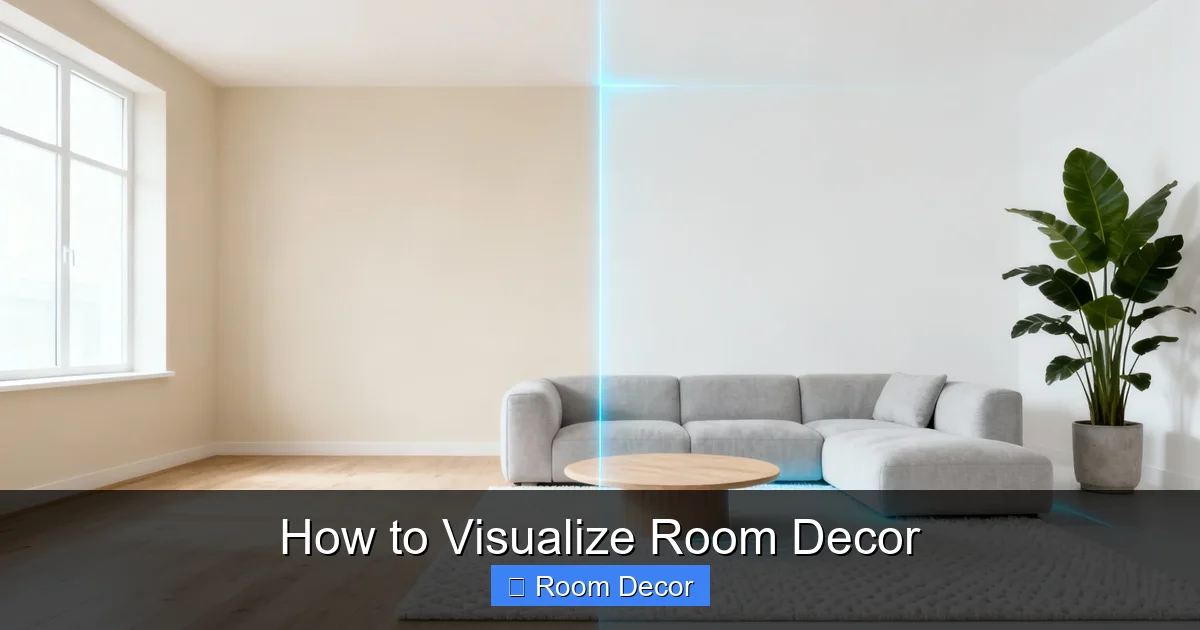
Transforming your living space starts with a clear vision. This guide will teach you how to visualize room decor effectively, using a blend of creative techniques and modern technology. From sketching your ideas to leveraging 3D rendering software, you’ll gain the confidence to envision your dream room before you buy a single item. Get ready to achieve the perfect aesthetic with ease!
How to Visualize Room Decor
Ever look at a room and think, “I wish mine looked like that”? Or perhaps you have a vision in your head, but you’re struggling to translate it into reality. You’re not alone! Many people find it challenging to visualize how new furniture, paint colors, or decor items will actually look in their space. This can lead to buyer’s remorse, wasted money, and a general sense of frustration. But what if you could see your dream room before you even bought a single item? That’s where visualizing room decor comes in.
This comprehensive guide will walk you through everything you need to know about how to visualize room decor. We’ll cover traditional methods like sketching and mood boards, as well as the exciting world of digital tools and even virtual reality. By the end, you’ll be equipped with the skills and knowledge to confidently see your perfect room come to life. Let’s get started on your journey to a beautifully visualized space!
Key Takeaways
- Understand the Power of Visualization: Recognizing how visualizing helps prevent costly mistakes and ensures a cohesive design is the first step.
- Start with the Basics: Measuring your space accurately and creating a floor plan are fundamental for any successful room decor project.
- Embrace Sketching and Mood Boards: Traditional methods like hand-drawn sketches and curated mood boards are excellent for capturing the initial feel and style of your room.
- Leverage Digital Tools: Explore various apps and software, from simple drag-and-drop planners to advanced 3D rendering programs, to create realistic room visualizations.
- Consider Virtual Reality (VR): For the most immersive experience, understand how VR tools can let you “walk through” your designed space.
- Involve Your Senses: Think beyond just the visual; consider how textures, lighting, and even sound will contribute to the overall atmosphere of your visualized room.
Step 1: Understand Your Space and Your Needs
Before you can visualize anything, you need to deeply understand the canvas you’re working with. This means getting to know your current room and what you want to achieve.
Measure Everything Accurately
This is the absolute foundation of good design. Grab a tape measure and measure everything.
- Room Dimensions: Measure the length, width, and height of your room. Don’t forget to note the placement and size of windows and doors.
- Architectural Features: Measure any built-in elements like fireplaces, bookshelves, or alcoves.
- Existing Furniture: If you plan to keep some pieces, measure them so you know what you’re working with.
Precision here saves a lot of headaches later. Imagine buying a sofa that’s too big for the doorway or too long for the wall!
Assess Your Lifestyle and Needs
Think about how you use the room.
- Functionality: Is it for relaxing, entertaining, working, or a combination?
- Occupants: Who uses the room? Do you need child-friendly furniture or pet-friendly materials?
- Storage: Do you need more storage solutions? Where would they best fit?
Understanding your daily life will guide your design choices. A minimalist approach might not work for a family with lots of toys, for example.
Define Your Style and Goals
What’s the overall feeling you want to create?
- Aesthetic: Modern, minimalist, bohemian, farmhouse, traditional?
- Color Palette: Do you have specific colors in mind?
- Mood: Cozy and inviting, bright and airy, sophisticated and elegant?
Having a clear vision for the style will make all subsequent decisions easier.
Step 2: Embrace Traditional Visualization Techniques
Sometimes, the most effective ways to visualize are the oldest. These methods help you connect with your ideas on a tactile and intuitive level.
Create a Floor Plan
A floor plan is a bird’s-eye view of your room.
- Hand-Drawn: Using graph paper and a pencil is a classic approach. Draw your room to scale (e.g., 1 inch = 1 foot). Then, cut out paper shapes representing furniture and move them around until you find a good layout.
- Online Tools: Many free online floor planners can help you create a basic, to-scale floor plan digitally. You can often drag and drop basic furniture shapes.
This step is crucial for understanding scale and flow within your room. It helps you see if your layout makes sense and if there’s enough space to move around comfortably.
Develop a Mood Board
A mood board is a collage of images, colors, textures, and inspiration that represents your desired aesthetic.
- Gather Inspiration: Collect images from magazines, Pinterest, Instagram, or even fabric swatches and paint chips.
- Organize: Arrange these elements on a physical board (like foam core) or digitally using tools like Pinterest or Canva.
- Focus on Feel: Think about the colors, materials, and overall vibe. This helps solidify your style and color palette.
A mood board is a powerful tool for communicating your vision, whether to yourself or a designer. It ensures that all your chosen elements work harmoniously together.
Sketch It Out
Don’t underestimate the power of a simple sketch.
- Basic Layout: Draw the room’s outline and place furniture in it.
- Perspective Views: Try drawing what the room would look like from different angles. This gives you a better sense of depth and scale.
- Add Details: You don’t need to be an artist. Simple shapes can represent furniture. Add notes about colors or materials.
Sketching helps you quickly experiment with different arrangements and visualize how elements will interact.
Step 3: Leverage Digital Tools for Realistic Visualization
The digital age offers incredible tools to bring your room decor ideas to life with stunning realism. These tools range from user-friendly apps to sophisticated software.
Explore Room Design Apps and Websites
Many platforms allow you to create a virtual representation of your room.
- 2D Planners: These are similar to digital floor planners, often with a wider selection of furniture and decor items you can place. Examples include Planner 5D or Roomstyler.
- 3D Room Planners: These go a step further by allowing you to view your design from multiple angles, often giving a more immersive experience. You can change wall colors, flooring, and place virtual furniture.
These are great for experimenting with different layouts and seeing how various color schemes look. Most are quite intuitive and don’t require any technical skills.
Utilize Augmented Reality (AR)
Augmented reality lets you overlay digital objects onto your real-world view.
- Furniture Placement: Many furniture retailers offer AR features in their apps. You can see how a sofa or table would look in your actual living room using your smartphone or tablet.
- See It in Context: This is incredibly useful for understanding scale and how a new piece will interact with your existing decor.
This is one of the most practical ways to visualize specific items. It removes a lot of guesswork.
Consider 3D Rendering Software
For a more professional and detailed visualization, 3D rendering software is the way to go.
- Professional Software: Programs like SketchUp, AutoCAD (more for architectural design), or Blender (advanced 3D modeling) can create highly realistic renders.
- Learning Curve: These programs often have a steeper learning curve but offer unparalleled control and detail.
- Hire a Professional: If you’re not tech-savvy, consider hiring an interior designer or a 3D rendering artist to create visualizations for you.
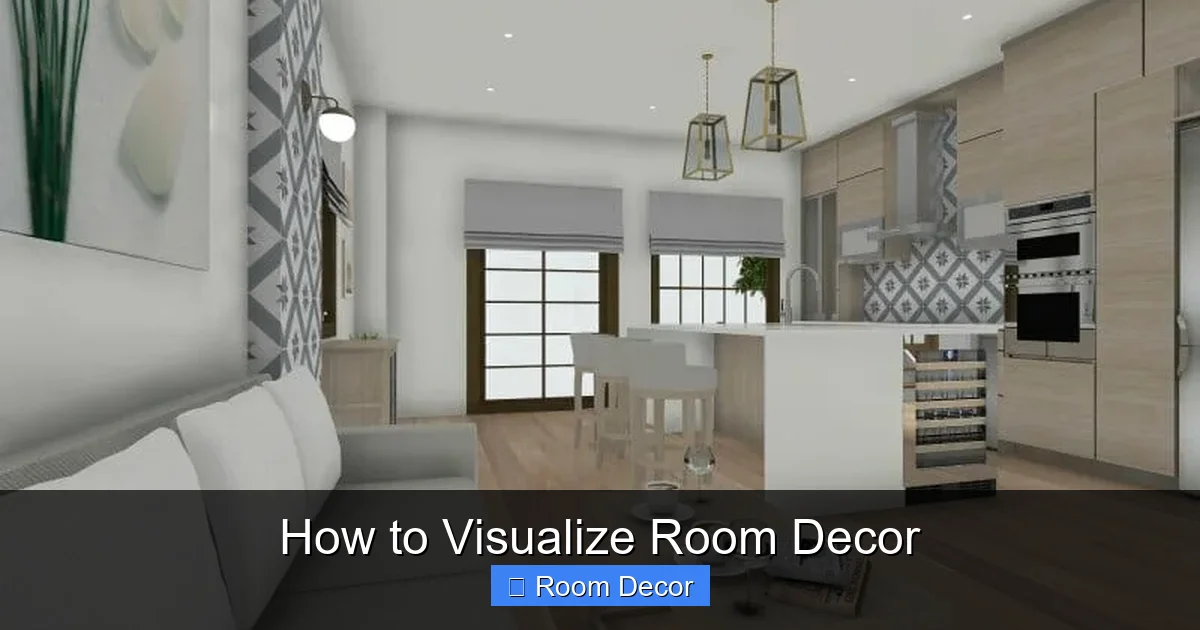
3D rendering can show you realistic lighting, textures, and the overall ambiance of your room. It’s the closest you can get to seeing the finished product before it’s real.
Step 4: Visualize Beyond the Static Image
A truly well-designed room isn’t just about how it looks; it’s about how it feels. Think about the sensory experience.
Imagine the Lighting
Lighting is crucial for setting the mood.
- Natural Light: How does sunlight stream into the room at different times of day?
- Artificial Light: Consider ambient lighting, task lighting (for reading or working), and accent lighting (to highlight artwork).
- Fixture Styles: Visualize the style of lampshades, chandeliers, and sconces.
When visualizing, try to imagine how different light sources will affect the colors and textures in your room.
Consider Textures and Materials
Texture adds depth and interest.
- Fabrics: Think about plush velvet sofas, chunky knit throws, or smooth linen curtains.
- Surfaces: Imagine the cool feel of marble countertops, the warmth of a wooden floor, or the roughness of exposed brick.
- Visualizing Tactile Qualities: Even in a 2D or 3D render, pay attention to how textures are depicted. If possible, get physical samples of fabrics and materials to touch.
The way light interacts with different textures can drastically change the perception of a room.
Think About Flow and Movement
How will you move through the space?
- Traffic Paths: Ensure there are clear pathways between furniture and doorways.
- Conversation Areas: Arrange seating to encourage interaction.
- Room Balance: Distribute visual weight evenly. Don’t put all the large items on one side.
Visualization isn’t just about static placement; it’s about how the room functions and feels when you’re in it.
Step 5: Refine and Iterate
Visualization is rarely a one-and-done process. It’s about experimentation and refinement.
Don’t Be Afraid to Change Things
Your first visualization might not be perfect. That’s okay!
- Experiment: Try different furniture layouts, color schemes, and decor items.
- Get Feedback: Show your visualizations to trusted friends or family members and ask for their honest opinions.
- Trust Your Gut: Ultimately, the room should feel right to you.
The goal is to get closer and closer to your ideal vision.
Step Back and Reassess
Take breaks from your visualization process.
- Fresh Eyes: Coming back to your designs with fresh eyes can help you spot things you missed.
- Compare to Inspiration: Regularly compare your visualizations to your mood board and inspiration images.
This helps ensure your design stays on track with your original goals.
Troubleshooting Common Visualization Challenges
Sometimes, even with the best tools, visualization can be tricky. Here are some common issues and how to overcome them.
Challenge: The Scale Feels Off
Solution: Always double-check your measurements and ensure you’re using a consistent scale in your floor plans or digital tools. If using AR, ensure your device’s camera is positioned correctly.
Visual guide about How to Visualize Room Decor
Image source: wpmedia.roomsketcher.com
Visual guide about How to Visualize Room Decor
Image source: uploads-ssl.webflow.com
Visual guide about How to Visualize Room Decor
Image source: cyber-fox.net
Challenge: Colors Look Different in Real Life
Solution: Digital screens can’t perfectly replicate how colors appear under different lighting conditions. Always get paint swatches and test them on your walls in your actual room. For fabrics and finishes, order samples.
Challenge: The Room Feels Too Cluttered or Too Empty
Solution: This often comes down to layout and furniture scale. Use your floor plan or 3D model to ensure there’s enough negative space (empty areas) and that furniture pieces are appropriately sized for the room.
Challenge: I Can’t Visualize the “Vibe”
Solution: Go back to your mood board. Focus on the textures, the emotions the images evoke, and the overall atmosphere. Sometimes, adding small, specific details like artwork or plants in your visualization can help convey the desired feeling.
Conclusion
Visualizing room decor is a powerful skill that can transform your design process from guesswork to confident creation. By understanding your space, employing traditional techniques like mood boards and floor plans, and leveraging the incredible capabilities of digital tools, you can see your dream room come to life before you spend a single dollar.
Remember, visualization is a process. It involves measuring, planning, experimenting, and refining. Don’t be afraid to try different approaches and trust your instincts. Whether you’re sketching on paper, arranging furniture in an app, or even using VR, the ability to visualize your room decor will lead to more cohesive, functional, and beautiful spaces that you’ll love for years to come. Happy visualizing!