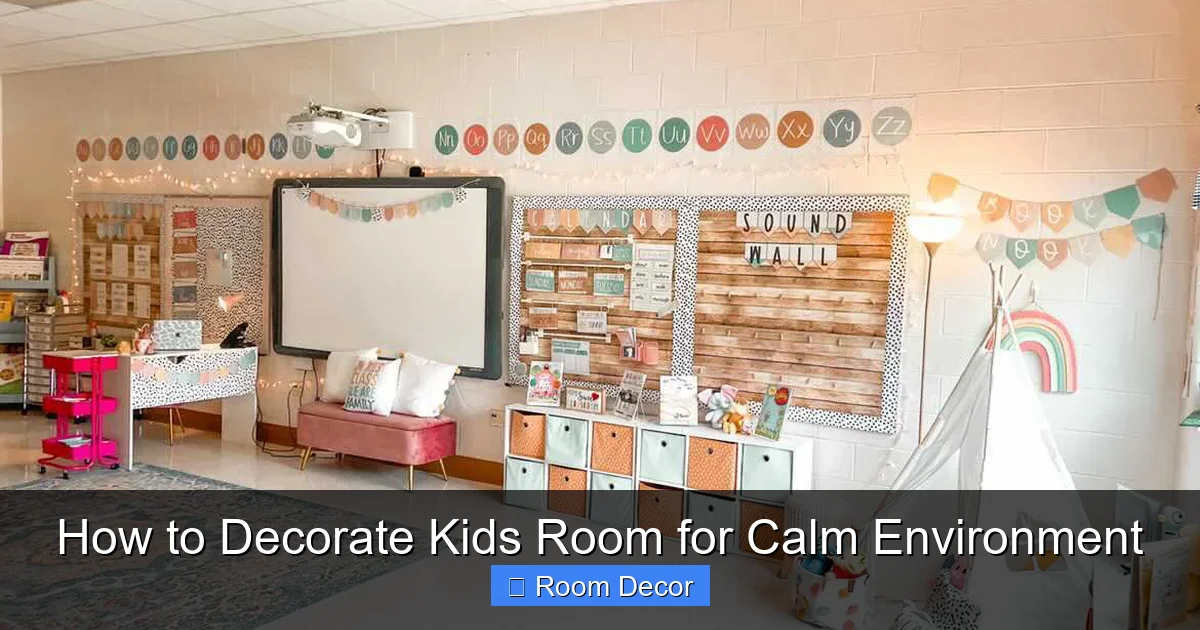
Creating a calm environment in a child’s room can significantly benefit their well-being, promoting better sleep, focus, and emotional regulation. This guide provides practical, step-by-step instructions on how to decorate kids room for calm environment by focusing on soothing colors, smart organization, gentle lighting, natural elements, and thoughtful personalization. By implementing these strategies, you can transform any space into a serene haven where your child can thrive.
How to Decorate Kids Room for Calm Environment
Welcome to the ultimate guide on transforming your child’s space into a peaceful haven! In today’s fast-paced world, children are constantly bombarded with stimuli. Their room should be a sanctuary, a place where they can unwind, feel secure, and simply be themselves. Learning how to decorate kids room for calm environment isn’t just about aesthetics; it’s about fostering emotional well-being, improving sleep, and encouraging focus.
This comprehensive guide will walk you through every step, from choosing the right colors to smart organization and thoughtful sensory details. You’ll discover practical tips and actionable strategies to create a serene, supportive, and truly calm environment for your child, no matter their age. Get ready to turn that chaotic space into a tranquil retreat!
Key Takeaways
- Embrace a Soft Color Palette: Opt for muted, natural, or pastel shades on walls and major furnishings to create a visually soothing backdrop that promotes tranquility.
- Declutter and Organize Relentlessly: A tidy space reduces visual noise and stress. Implement smart, accessible storage solutions to keep toys and belongings neatly out of sight.
- Utilize Calming Lighting: Maximize natural light and incorporate soft, warm artificial lighting with dimmers. Blackout options are crucial for quality sleep.
- Integrate Natural Elements and Textures: Bring the outdoors in with wood, plants, and soft, natural fabrics like cotton or wool to enhance comfort and sensory calm.
- Create Dedicated Zones: Designate specific areas for sleep, quiet activities, and active play to help children understand expectations for different behaviors in different parts of their room.
- Minimize Visual Overload: Avoid too many busy patterns, bright colors, or excessive decor. Rotate toys and wall art to keep the environment fresh yet simple.
- Add Thoughtful Personalization: While keeping it minimal, incorporate a few meaningful items that reflect your child’s personality without overwhelming the calm aesthetic.
Step 1: Start with a Vision: Understanding Calm for Your Child
Before you pick up a paintbrush or move any furniture, take a moment to consider what “calm” means for your child. Every child is unique, but generally, a calm environment supports relaxation, reduces overstimulation, and encourages positive behavior. This often translates to a space that feels safe, uncluttered, and aesthetically pleasing without being overly busy.
Understand Your Child’s Needs
Think about your child’s personality. Is your child easily overwhelmed by bright colors or loud noises? Do they thrive with structure, or do they need more open space? Observing these aspects will help you tailor the room specifically to their temperament. A toddler’s need for calm might differ slightly from a pre-teen’s, but the core principles remain the same. The goal is to decorate kids room for calm environment that truly resonates with its little occupant.
Define the Room’s Purpose
A child’s room often serves multiple purposes: sleeping, playing, learning, and quiet time. For a calm environment, it’s essential to define these zones, even if subtly. This foundational step will guide all subsequent decor decisions, ensuring every element contributes to the overall sense of peace.
Step 2: Choose Your Color Palette Wisely
Colors have a profound impact on mood and behavior. When you want to decorate kids room for calm environment, selecting the right palette is perhaps the most crucial decision. Avoid vibrant, high-energy colors like bright reds, oranges, or neon hues, which can be overstimulating.
Neutral Bases for Serenity
Start with a neutral base for walls and larger furniture pieces. Think soft whites, warm greys, gentle beiges, or light pastels. These colors create a serene backdrop that allows the eyes to rest and provides a sense of spaciousness. They don’t demand attention, instead, they invite tranquility.
- Soft Whites: Create a clean, airy feel.
- Warm Greys: Offer sophistication and quiet calm.
- Gentle Beiges/Creams: Provide warmth and comfort.
Soothing Accent Colors
Once you have your neutral base, introduce calming accent colors. Blues, greens, and lavenders are excellent choices for fostering a peaceful atmosphere.
- Light Blues: Evoke feelings of peace, serenity, and stability, reminiscent of the sky and ocean.
- Soft Greens: Connect with nature, promoting feelings of balance and harmony.
- Muted Lavenders: Can be very calming, often associated with relaxation and creativity.
Use these colors in small doses – throw pillows, a rug, artwork, or bedding – to add interest without overwhelming the senses. The key is subtlety when you decorate kids room for calm environment.
Step 3: Declutter and Organize for Serenity
A cluttered room often leads to a cluttered mind. Visual chaos is one of the biggest deterrents to a calm environment. This step is non-negotiable for anyone looking to decorate kids room for calm environment.
Smart Storage Solutions
Invest in smart, easily accessible storage solutions that encourage tidiness. The goal is to give everything a home, making it simple for your child to put things away (with some guidance, of course!).
- Closed Storage: Bins, baskets, and cabinets are your best friends. They hide visual clutter, making the room feel more orderly and peaceful. Opt for natural materials like woven baskets or simple wooden bins.
- Open Shelving (Minimal): Use open shelves sparingly for displaying a few cherished items or books, not for general toy storage.
- Multi-functional Furniture: Beds with built-in drawers, ottomans with storage, or benches with cubbies can maximize space and hide clutter effectively.
- Labeling: For younger children, use picture labels; for older kids, word labels. This makes finding and returning items a breeze, promoting independence and order.
The “One In, One Out” Rule
Introduce the “one in, one out” rule for toys and clothes. When a new item comes into the room, an old one must go. This prevents accumulation and keeps the amount of “stuff” manageable, which is crucial when you want to decorate kids room for calm environment. Regularly involve your child in decluttering sessions, making it a positive habit.
Step 4: Incorporate Calming Lighting
Lighting plays a vital role in setting the mood of a room. Harsh, bright overhead lights can be jarring and stimulating. To decorate kids room for calm environment, think soft, warm, and adjustable lighting.
Natural Light Maximization
Maximize natural light during the day. Open curtains or blinds to let sunshine flood in. Natural light boosts mood and helps regulate sleep cycles. Position desks or play areas near windows if possible.
Ambient & Task Lighting
Supplement natural light with warm, ambient artificial lighting.
- Dimmers: Install dimmer switches on overhead lights. This allows you to adjust the intensity, creating a soft glow in the evenings or a brighter light for activities.
- Warm Light Bulbs: Choose light bulbs with a warmer color temperature (around 2700K-3000K) rather than cool, blue-toned lights.
- Bedside Lamps: A small, gentle bedside lamp provides comfort and is perfect for reading before bed without harsh illumination.
- Night Lights: If your child needs a night light, opt for one that emits a soft, warm glow, possibly with a timer, rather than a bright, distracting light.
Blackout Options for Sleep
For optimal sleep, install blackout curtains or blinds. Darkness signals to the body that it’s time to rest, and blocking out external light sources is essential for a truly calm and restorative sleep environment.
Step 5: Embrace Natural Elements and Textures
Bringing elements of nature indoors has a naturally calming effect. These elements engage the senses in a gentle way, helping to ground and relax. This step is key to how to decorate kids room for calm environment that feels nurturing.
Soft Textiles
Layer soft, natural textiles to add comfort and warmth.
- Bedding: Choose bedding made from cotton, linen, or bamboo in solid colors or subtle patterns. These materials are breathable and comfortable.
- Rugs: A soft rug underfoot can absorb sound and provide a cozy landing spot for play. Opt for natural fibers like wool or cotton.
- Throws and Pillows: Add a soft throw blanket and a few decorative pillows in complementing colors and textures.
Wood and Plants
Incorporate wood and plants where appropriate.
- Wooden Furniture: Natural wood furniture (beds, dressers, shelves) brings warmth and an organic feel to the room. Look for unfinished or lightly stained pieces.
- Indoor Plants: If age-appropriate and non-toxic, a few indoor plants can purify the air and add a touch of living nature. Choose easy-care varieties like snake plants or spider plants, placed out of reach if your child is very young.
Step 6: Create Dedicated Zones for Activities
Even in a small room, defining specific zones can help a child understand what activities are associated with each area, promoting calm and focus. This intentional design helps to decorate kids room for calm environment that is functional and peaceful.
Sleep Zone Sanctuary
The bed area should be the ultimate sanctuary. Keep it simple and inviting.
- Comfortable Bedding: As mentioned, prioritize soft, comfortable bedding.
- Minimal Decor: Avoid busy wall decor directly above or around the bed. A simple piece of calming art or a mobile (for infants) is sufficient.
- Quiet Corner: Ensure the sleep zone is as far as possible from active play areas.
Quiet Corner
Designate a special “quiet corner” for reading, drawing, or just relaxing.
- Cozy Seating: A comfortable beanbag chair, a small armchair, or floor cushions.
- Bookshelf: A low, accessible bookshelf stocked with engaging books.
- Soft Lighting: A small lamp for reading.
- Sensory Items: Perhaps a weighted lap pad or a textured pillow for sensory input.
Creative/Play Space
While the focus is calm, children need a space to express themselves.
- Defined Area: Use a rug or a specific piece of furniture (like a table) to delineate the play zone.
- Accessible Storage: Keep frequently used toys and art supplies in accessible, organized bins within this zone.
- Contain Mess: Consider an easel or a craft table that helps contain creative messes to one area.
Step 7: Minimize Visual Overload
Less is often more when you want to decorate kids room for calm environment. Too many patterns, colors, or objects can be overwhelming and contribute to feelings of anxiety or restlessness.
Thoughtful Wall Decor
Choose wall decor thoughtfully. Instead of many small items, opt for a few larger, calming pieces.
- Simple Artwork: Landscapes, abstract art with soft colors, or images of animals in natural settings are good choices.
- Minimal Photos: A few framed photos of family or special moments are fine, but avoid covering every wall with them.
- One Feature Wall: If you want to use a pattern or a slightly bolder color, consider doing it on just one wall to create a focal point without overwhelming the entire space.
Rotate Toys and Books
Instead of having all toys and books out at once, implement a rotation system. Store some items away and bring them out periodically. This keeps the room less cluttered, makes old toys feel new again, and reduces decision fatigue for your child.
Step 8: Add Personal Touches (Thoughtfully)
While minimalism is key for calm, it’s also your child’s room. Personal touches make it feel like “theirs.” The trick is to integrate them thoughtfully without undermining the calm aesthetic.
Showcase Cherished Items
Allow your child to display a few favorite toys, drawings, or achievements. Use open shelves or a pinboard for this, but keep the quantity limited to maintain order. Involving your child in choosing what to display gives them a sense of ownership and pride.
Subtle Theming
If your child has a strong interest (e.g., space, animals), incorporate it subtly. Instead of a full-blown themed room with overwhelming decor, choose one or two key pieces: a space-themed duvet cover (in calming colors), a framed animal print, or a planet mobile. This allows you to decorate kids room for calm environment that still reflects their personality.
Step 9: Consider Sensory Comfort
A truly calm environment appeals to all senses, not just sight.
Soundproofing and White Noise
Consider simple soundproofing measures if external noise is an issue. Heavy curtains or rugs can help absorb sound. A white noise machine can mask distracting noises and create a consistent, soothing background sound, aiding sleep and focus.
Gentle Aromatherapy
A subtle, natural scent can enhance relaxation. A diffuser with a calming essential oil like lavender or chamomile (used sparingly and safely, always out of reach of children, and check for child-safe essential oil guidelines) can be beneficial before bedtime. Alternatively, a linen spray with natural scents or even just good ventilation is effective.
Step 10: Troubleshooting Common Challenges
Even with the best intentions, creating and maintaining a calm room can present challenges.
When Calm Doesn’t Come Easily
If your child is still struggling to settle in their calm room, observe their behavior. Is there a specific element causing discomfort? Perhaps a particular texture, light, or even a toy? Be flexible and willing to adjust. Sometimes, it takes a few iterations to get it just right. Involve your child in the process; ask what makes them feel relaxed.
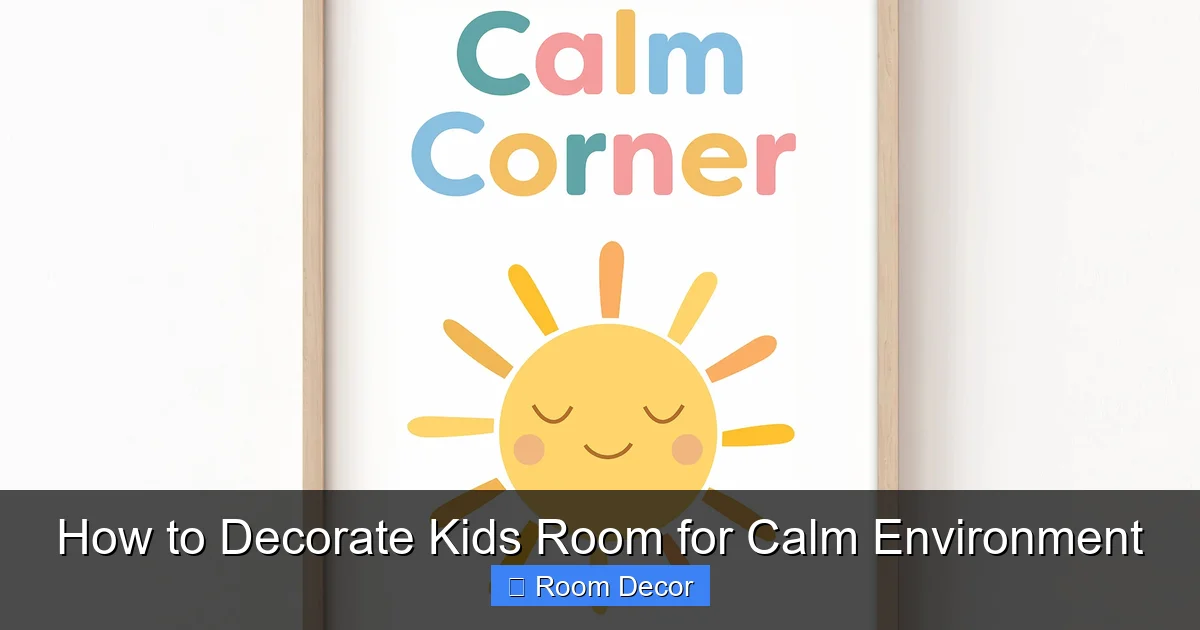
Visual guide about How to Decorate Kids Room for Calm Environment
Image source: i.etsystatic.com
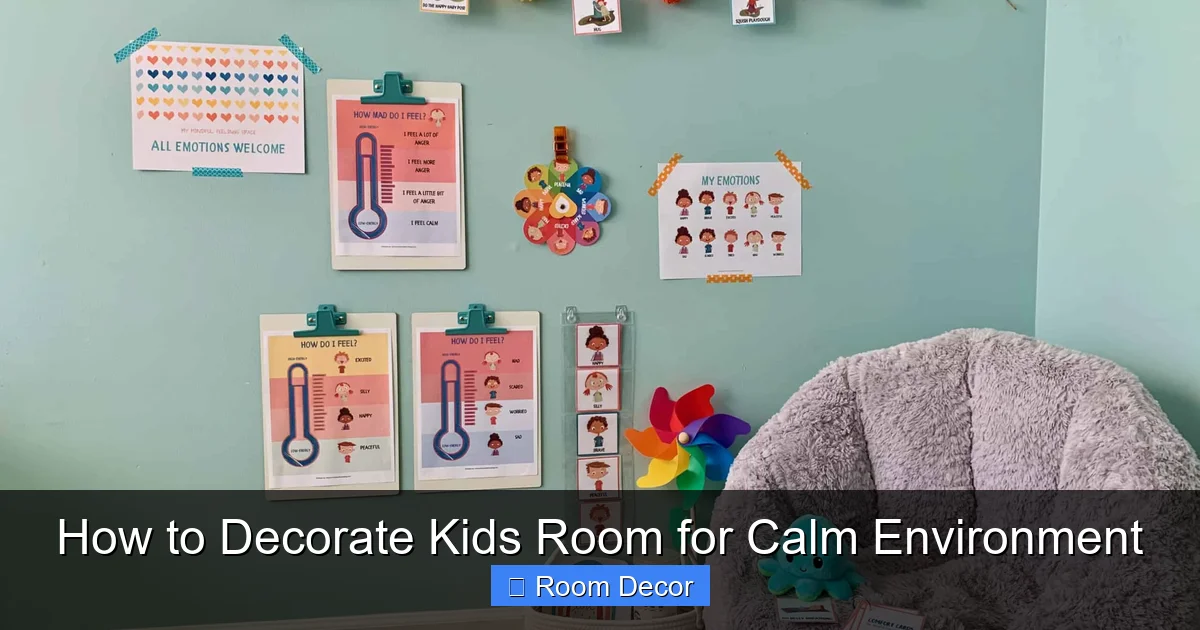
Visual guide about How to Decorate Kids Room for Calm Environment
Image source: nurtureandthriveblog.com
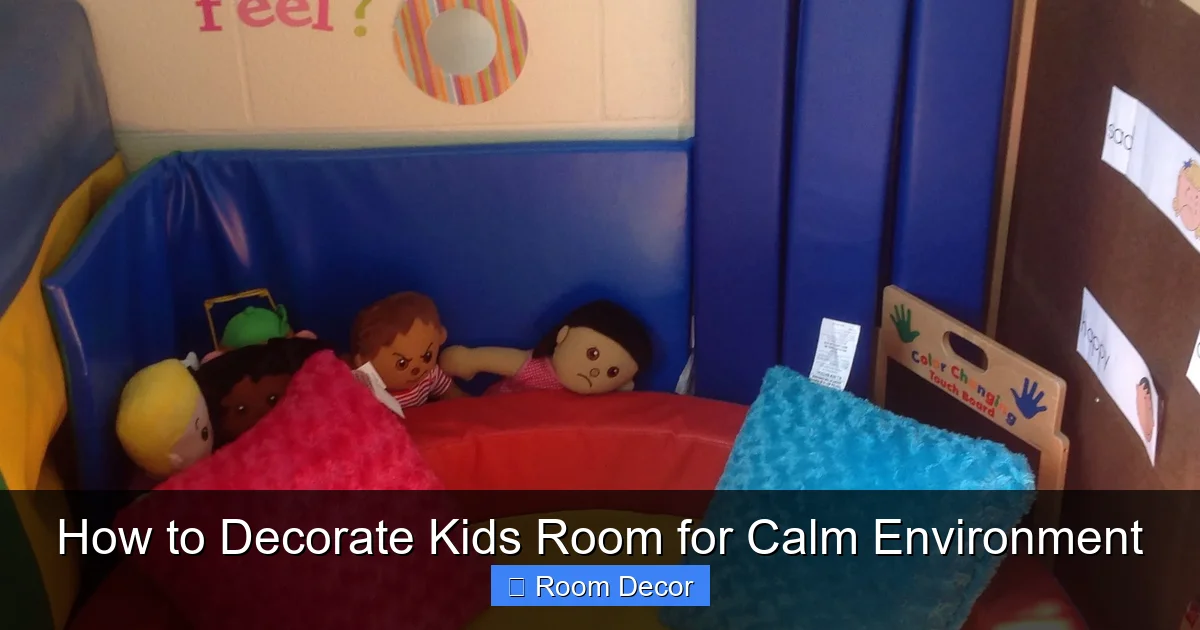
Visual guide about How to Decorate Kids Room for Calm Environment
Image source: i.pinimg.com
Maintaining the Calm
A calm room requires ongoing effort. Establish routines for tidying up at the end of the day. Make it a joint effort, turning cleaning into a fun, quick activity. Regularly review toys and belongings, decluttering as needed. The principles of the “one in, one out” rule and toy rotation will be your best allies in sustaining the peaceful atmosphere you’ve worked hard to create.
Dealing with Growth and Change
Children grow, and so do their needs and preferences. The beauty of a neutral base and simple decor is its adaptability. As your child ages, you can easily update accent colors, artwork, or bedding without a complete overhaul, ensuring the room remains a calm and age-appropriate sanctuary.
Conclusion
Learning how to decorate kids room for calm environment is a powerful gift you can give your child. By thoughtfully selecting colors, prioritizing organization, embracing calming lighting, and incorporating natural elements, you create more than just a beautifully designed space. You create a sanctuary where your child can feel safe, relax, recharge, and grow. This peaceful environment supports better sleep, fosters creativity, and encourages emotional balance. Start implementing these steps today, and watch your child’s room transform into a truly tranquil haven, benefiting their well-being for years to come.