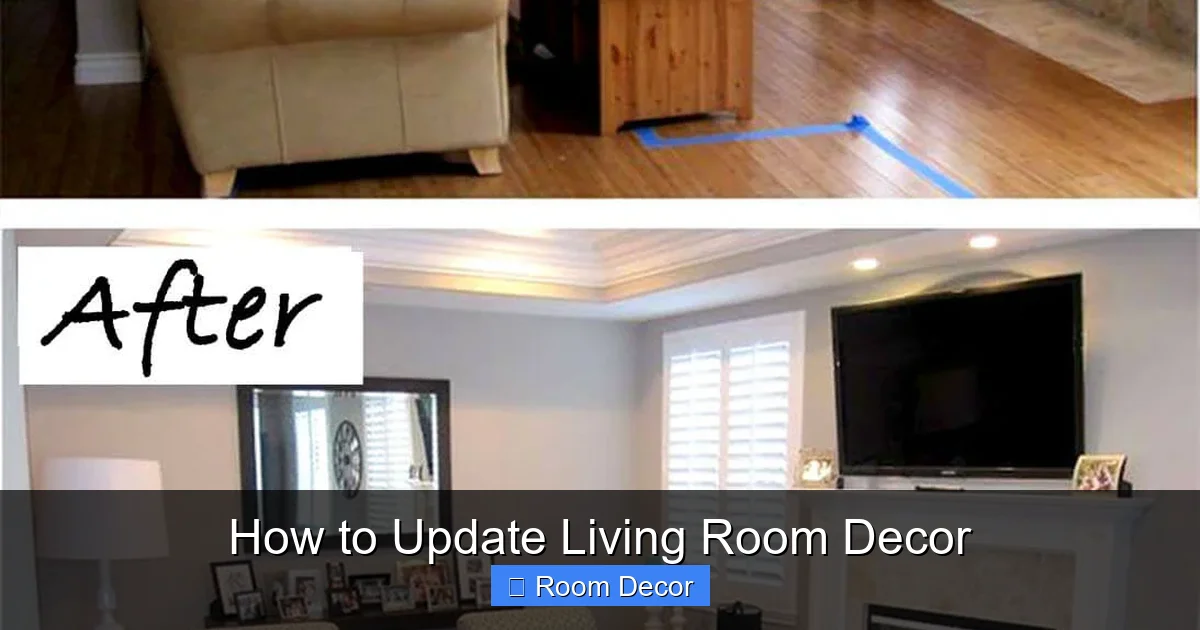
Transform your living room with this comprehensive guide! Discover how to update decor by assessing your current space, defining your style, and implementing budget-friendly changes. From refreshing paint colors to adding new accessories, learn practical tips for creating a comfortable and stylish haven you’ll love.
Are you ready to give your living room a much-needed makeover? Perhaps it feels a little stale, outdated, or just not quite “you” anymore. Updating your living room decor doesn’t have to be a daunting or expensive endeavor. With a little planning and some creative ideas, you can transform your space into a comfortable, stylish, and inviting haven that reflects your personality.
This guide will walk you through the entire process of updating your living room decor, from the initial assessment to the final touches. We’ll cover how to define your style, make smart color choices, rearrange furniture, and select the perfect accessories. We’ll also share budget-friendly tips to help you achieve a beautiful transformation without breaking the bank. Get ready to breathe new life into your favorite gathering spot!
Key Takeaways
- Assess Your Current Space: Before any changes, understand what works and what doesn’t in your living room. Identify clutter, dated elements, and areas lacking functionality.
- Define Your Style: Determine your desired aesthetic, whether it’s modern, bohemian, minimalist, or traditional. This guides all subsequent decor choices.
- Color Palette is Key: Consider a fresh coat of paint, accent walls, or new upholstery to dramatically alter the mood and feel of the room.
- Focus on Furniture Placement: Reorganizing your existing furniture can create better flow and make the space feel larger and more inviting.
- Accessorize Thoughtfully: Introduce new throw pillows, rugs, artwork, and decorative items to add personality and visual interest.
- Lighting Makes a Difference: Update light fixtures, lamps, and consider layering lighting to create ambiance and functionality.
- Budget-Friendly Strategies: Learn how to achieve a stylish update without breaking the bank through DIY projects, thrifting, and smart shopping.
Step 1: Assess Your Current Living Room
Before you start buying new things, take a good, hard look at your current living room. What are you happy with? What needs improvement? This initial assessment is crucial for a successful update.
Identify What’s Working
Think about the elements in your living room that you already love. Do you have a comfortable sofa that you want to keep? Is there a piece of artwork that brings you joy? Make a list of these items. They will be the foundation for your updated design. Keeping some existing pieces can also help you stay within budget.
Pinpoint Areas for Improvement
Now, identify the things that aren’t working. Is your furniture arrangement awkward? Does the room feel cluttered? Are there dated features like old curtains or worn-out rugs? Be honest with yourself. This will give you a clear direction for your updates. Think about functionality too. Does the room serve its purpose well?
Consider Your Lifestyle
How do you actually use your living room? Is it a place for quiet relaxation, lively family gatherings, or entertaining guests? Your lifestyle should dictate the decor choices. For example, if you have young children or pets, you’ll want durable and easy-to-clean fabrics. If you love to entertain, you might prioritize seating arrangements and conversation areas.
Step 2: Define Your Style and Vision
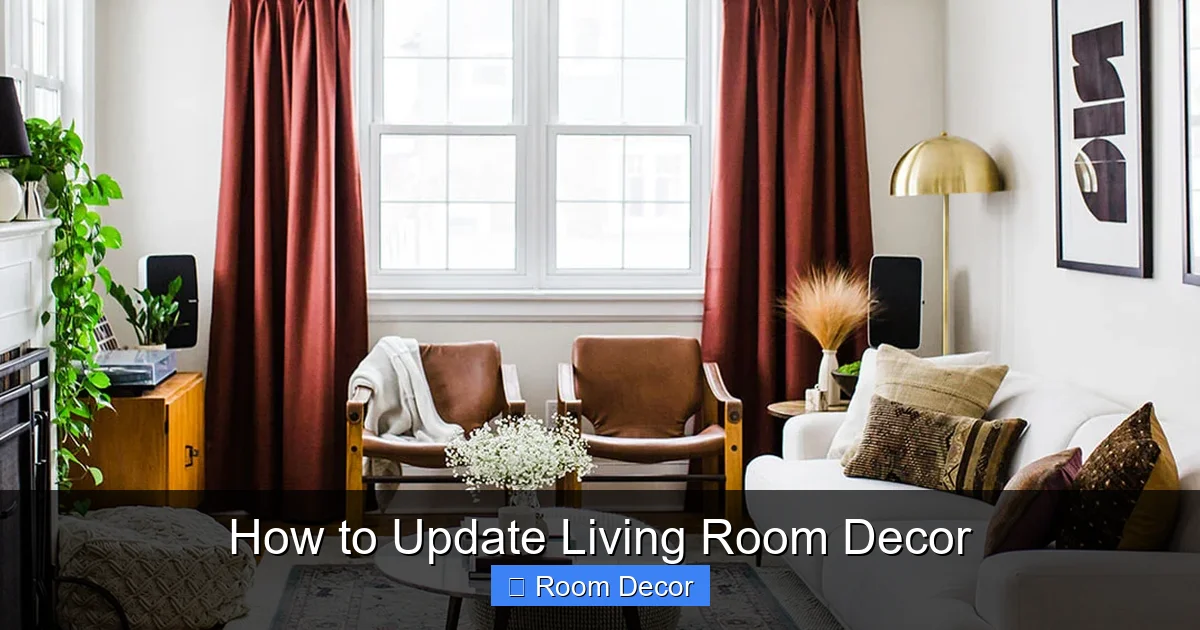
Visual guide about How to Update Living Room Decor
Image source: media.theeverygirl.com
This is where the fun really begins! What kind of atmosphere do you want to create in your living room? Defining your style will act as your compass throughout the entire decorating process.
Gather Inspiration
Look for inspiration everywhere! Browse interior design magazines, Pinterest, Instagram, and home decor websites. Save images of living rooms that you find appealing. Pay attention to the colors, furniture, textures, and overall vibe. What elements consistently catch your eye?
Identify Your Core Style
Based on your inspiration, try to identify a few key style words that describe your ideal living room. Are you drawn to:
- Modern: Clean lines, minimalist design, neutral colors, sleek materials.
- Bohemian (Boho): Eclectic, free-spirited, vibrant colors, natural textures, global influences.
- Minimalist: Simplicity, functionality, decluttered spaces, limited color palettes.
- Traditional: Classic furniture, rich colors, ornate details, timeless appeal.
- Farmhouse: Rustic charm, natural materials, cozy feel, vintage elements.
- Scandinavian: Light and airy, functional, simple, natural materials, neutral colors with pops of color.
You don’t have to stick to just one style. Many popular styles can be blended to create a unique look.
Create a Mood Board
A mood board is a visual representation of your style. You can create one digitally using tools like Canva or physically by cutting out magazine clippings and fabric swatches. Include images of furniture, color palettes, textures, and accessories that you love. This will help you visualize your updated living room and ensure that everything works together cohesively.
Step 3: Tackle the Walls and Color Palette
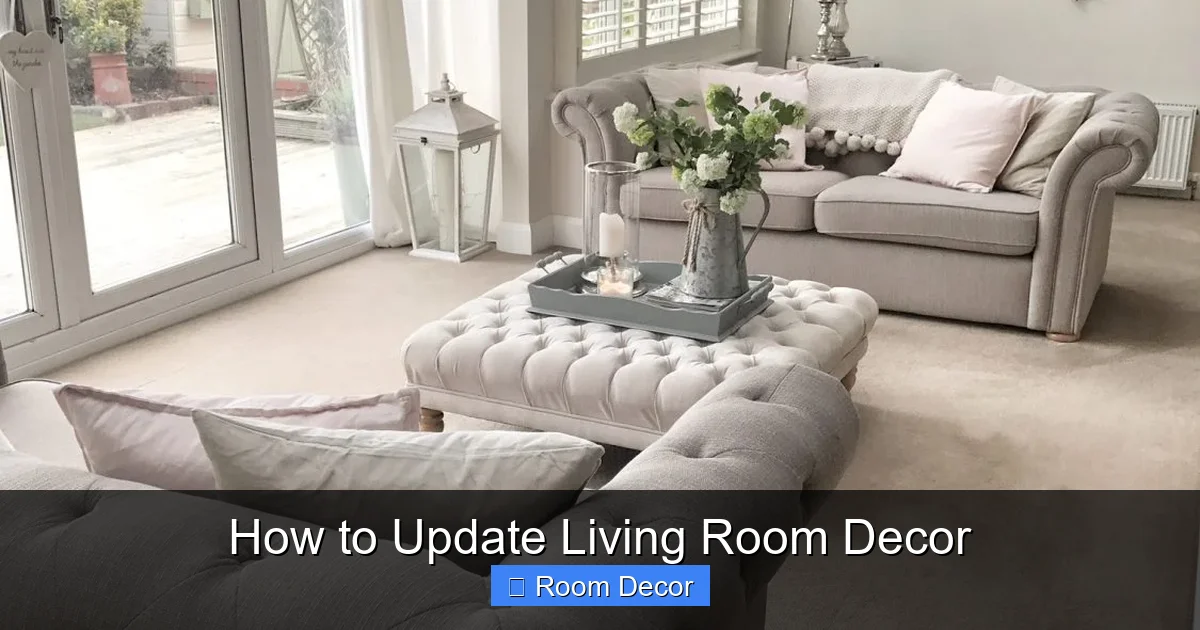
Visual guide about How to Update Living Room Decor
Image source: thehomethatmademe.com
The walls are a blank canvas, and the right color can completely transform the mood and feel of your living room.
Repaint for a Fresh Look
A fresh coat of paint is one of the most effective and budget-friendly ways to update a room.
- Choose Your Color Wisely: Consider the size of your room and the amount of natural light it receives. Lighter colors can make a small room feel larger and brighter, while darker colors can create a cozy and intimate atmosphere.
- Test Swatches: Always test paint colors on your walls before committing. Observe them at different times of day to see how the light affects them.
- Accent Walls: If you’re hesitant to paint the entire room, consider an accent wall. This can add a pop of color or a bold pattern without overwhelming the space.
Explore Wallpaper or Wall Treatments
For a more dramatic statement, consider wallpaper. There are countless patterns and textures available. Peel-and-stick wallpaper is a great option for renters or for those who like to change their decor frequently. Other wall treatments like shiplap or decorative molding can also add character and architectural interest.
Consider Artwork and Wall Decor
Even if you’re not painting, updating your artwork can make a big difference.
- Gallery Wall: Create a personalized gallery wall with a mix of prints, photos, and even decorative objects.
- Large Statement Piece: A single, large piece of art can become a focal point in the room.
- Mirrors: Mirrors can reflect light, making a room feel larger and more open.
Step 4: Rethink Furniture Arrangement and Selection
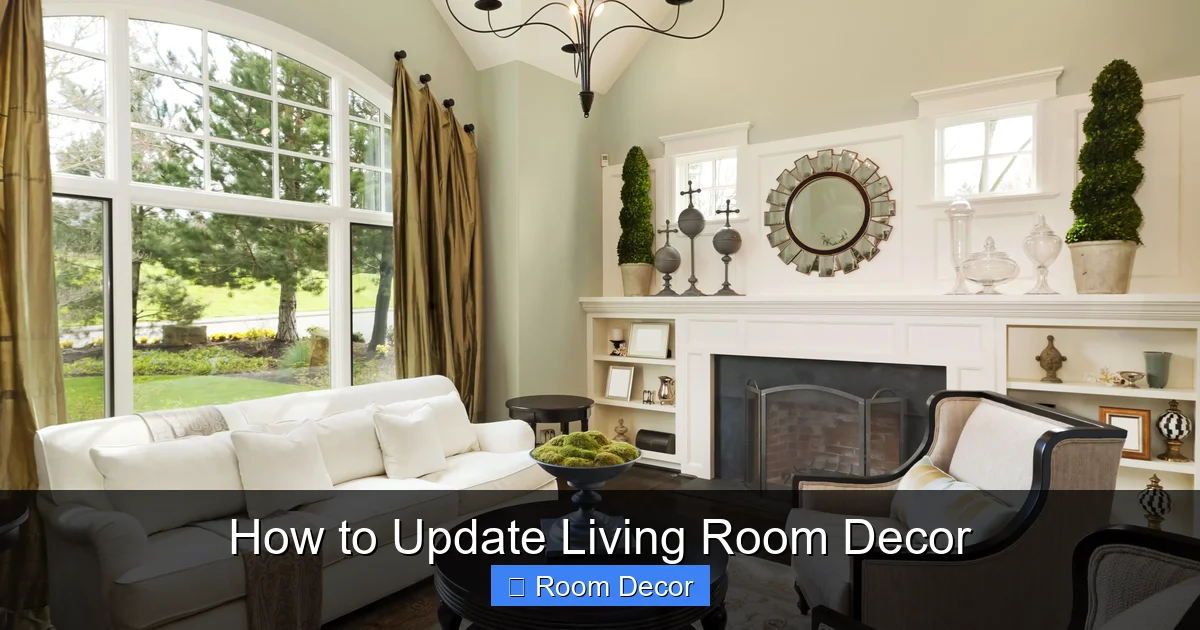
Visual guide about How to Update Living Room Decor
Image source: thespruce.com
Furniture is the backbone of your living room. Its placement and style have a huge impact on both aesthetics and functionality.
Optimize Furniture Layout
This is often the most overlooked step, but it can make a world of difference.
- Create Conversation Areas: Arrange seating so that people can easily talk to each other without shouting. Sofas and chairs should face each other or be angled towards a central point.
- Consider Flow: Ensure there’s enough space to walk comfortably around the furniture. Avoid blocking doorways or major walkways.
- Focal Point: Arrange furniture around a natural focal point, such as a fireplace, a television, or a large window.
- Measure Everything: Before rearranging, measure your space and your furniture to ensure everything will fit comfortably.
Evaluate Your Existing Furniture
Do you love your sofa? Is your coffee table functional? If your current furniture is in good condition but doesn’t fit your new style, consider reupholstering or painting it. This is a fantastic budget-friendly option. If you need to replace pieces, prioritize quality and timeless design over fleeting trends.
Add New Furniture Pieces
If your budget allows, consider adding new furniture to enhance your living room.
- Comfortable Seating: A plush armchair, a stylish accent chair, or a functional ottoman can add comfort and visual interest.
- Storage Solutions: Bookshelves, sideboards, or a new coffee table with storage can help keep your living room tidy.
- Multi-functional Furniture: Consider pieces like a storage ottoman or a sofa bed if you need to maximize space.
Step 5: Layer in Lighting
Lighting is crucial for setting the mood and functionality of your living room. Don’t rely on just one overhead light.
Update Fixtures
If your light fixtures are dated, consider replacing them. A stylish new pendant light, chandelier, or sconces can instantly elevate the room’s design.
Incorporate Different Light Sources
Layering light creates a warm and inviting atmosphere.
- Ambient Lighting: This is the general lighting for the room, usually from overhead fixtures.
- Task Lighting: This is focused light for specific activities, like reading. Think floor lamps or desk lamps.
- Accent Lighting: This highlights specific features, like artwork or architectural details. Spotlights or picture lights are good for this.
Consider Dimmer Switches
Dimmer switches are a game-changer! They allow you to control the intensity of the light, easily shifting the mood from bright and functional to soft and cozy.
Add Lamps
Table lamps and floor lamps are essential for creating a layered lighting scheme. Choose lamps with stylish bases and shades that complement your decor.
Step 6: Accessorize with Personality
Accessories are the finishing touches that bring your living room to life and showcase your personality.
Rugs to Define the Space
A rug can anchor your furniture, add warmth, and introduce color and pattern to the room.
- Size Matters: Ensure the rug is large enough to accommodate at least the front legs of your main seating furniture.
- Material and Texture: Consider the feel you want. Wool is soft and durable, while jute offers a natural, earthy vibe.
- Pattern and Color: A patterned rug can be a great way to introduce color and break up a monochromatic scheme.
Throw Pillows and Blankets
These are easy and affordable ways to add color, texture, and comfort. Mix and match patterns, colors, and fabrics for a layered look. Don’t be afraid to go bold!
Curtains and Window Treatments
Window treatments can dramatically change the look and feel of a room.
- Fabric and Color: Choose fabrics that complement your decor and colors that enhance the mood.
- Length: Floor-to-ceiling curtains can make a room feel taller and more luxurious.
- Functionality: Consider whether you need light-filtering, blackout, or decorative curtains.
Decorative Objects and Art
This is where you truly express yourself.
- Vases, Sculptures, and Figurines: Add decorative objects to shelves, coffee tables, and side tables.
- Plants: Bring life and freshness into the room with houseplants. They also improve air quality.
- Personal Touches: Display photos, souvenirs, or collections that are meaningful to you.
Step 7: Embrace Budget-Friendly Strategies
Updating your living room decor doesn’t require a huge budget. Here are some smart ways to save money.
Thrift and Secondhand Shopping
Flea markets, antique shops, and online marketplaces are treasure troves for unique and affordable decor. You can find everything from furniture to artwork to decorative accessories.
DIY Projects
Get creative and make some of your decor items yourself.
- Paint Furniture: A fresh coat of paint can transform an old piece of furniture.
- Update Lamp Shades: Cover an old lampshade with new fabric or trim.
- Create Your Own Art: Paint a canvas, frame some beautiful fabric, or create a photo collage.
- Sew Your Own Pillows: If you’re handy with a sewing machine, making your own pillow covers is a cost-effective way to update your look.
Shop Smart Sales and Discounts
Keep an eye out for sales at your favorite home decor stores. Sign up for email lists to be notified of promotions.
Focus on Impactful Changes
Prioritize your spending on items that will have the biggest visual impact, like a new rug, a coat of paint, or a comfortable accent chair.
Troubleshooting Common Decorating Challenges
Even with the best intentions, you might run into a few snags. Here’s how to navigate them.
My Room Still Feels Cluttered
Solution: Declutter ruthlessly. Everything needs a home. Invest in attractive storage solutions like baskets, bins, and cabinets. Consider furniture with built-in storage. Regularly revisit your decluttering efforts.
I’m Not Sure About the Color Scheme
Solution: Go back to your mood board. If you’re still unsure, stick to a neutral base and introduce color through accessories like throw pillows, rugs, and artwork. These are easier and cheaper to swap out if you change your mind.
My Furniture Doesn’t Fit Right
Solution: Reassess your furniture layout. Sometimes simply moving pieces around can solve the problem. If a piece is truly too large or too small, consider if it can be replaced or repurposed elsewhere in your home.
The Room Lacks Personality
Solution: Inject more of “you” into the space. Display personal items, photos, collections, and artwork that you love. Introduce textures and patterns that reflect your interests. Don’t be afraid to mix styles if it feels right.
Conclusion
Updating your living room decor is an exciting process that can significantly enhance your home’s comfort and style. By following these steps, you can approach the task with confidence, knowing how to assess your space, define your style, make smart choices about color, furniture, and lighting, and add those all-important personal touches. Remember, it’s not about buying the most expensive items, but about making thoughtful decisions that create a cohesive and inviting atmosphere.
Whether you’re aiming for a complete overhaul or just a few subtle refreshes, this guide provides a roadmap for creating a living room you’ll love spending time in. So, roll up your sleeves, get inspired, and start transforming your living room into a true reflection of your personal style.