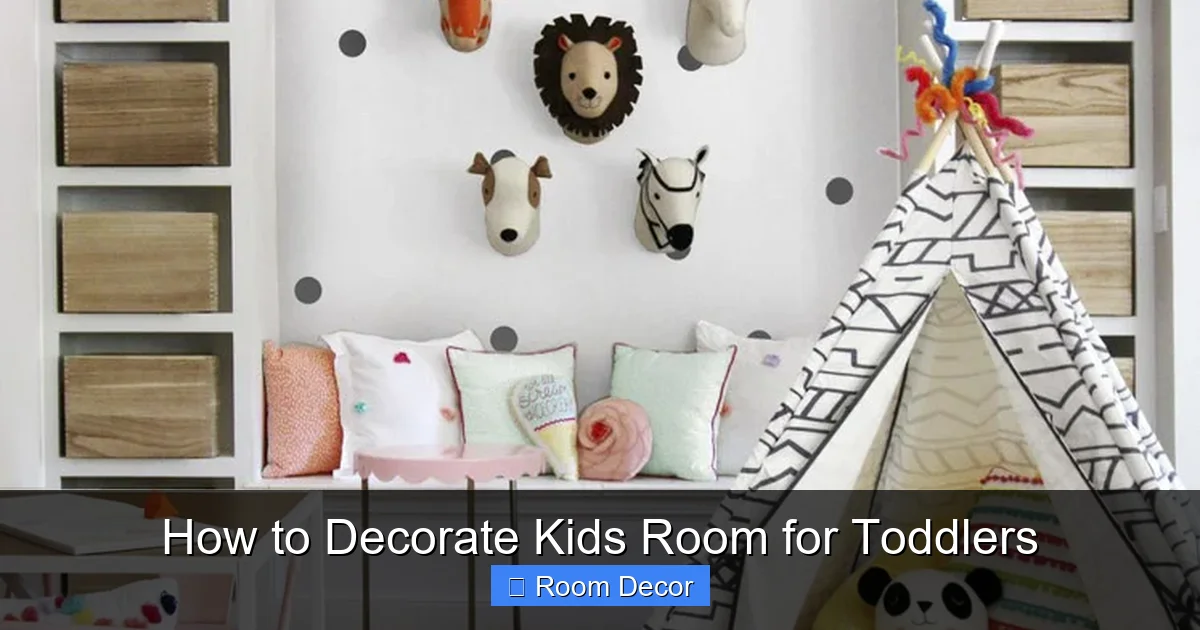
Decorating a toddler’s room is about creating a safe, stimulating, and functional space that grows with them. This guide offers practical, step-by-step advice on how to decorate kids room for toddlers, focusing on safety, adaptability, smart storage, and fostering imagination. You’ll learn how to choose the right furniture, colors, and decor to create a joyful and secure environment for your little one.
How to Decorate Kids Room for Toddlers
Welcome, parents and caregivers! Embarking on the journey to decorate kids room for toddlers is an exciting time. Your little one is rapidly exploring their world, developing new skills, and forming their own unique personality. Their room isn’t just a place to sleep; it’s a sanctuary for play, learning, imagination, and comfort. It’s a space where they’ll make countless memories, transition from babyhood to early childhood, and truly begin to express themselves.
This comprehensive guide is designed to walk you through every aspect of how to decorate a kids room for toddlers. We’ll cover everything from crucial safety considerations and functional design choices to creative decor ideas that spark joy and support their development. Our goal is to help you create a beautiful, safe, and highly functional space that your toddler will love, and one that can easily adapt as they grow. Get ready to transform their room into a delightful haven!
Key Takeaways
- Safety First: Always prioritize childproofing, securing furniture, and choosing non-toxic materials to create a secure environment for your active toddler.
- Plan for Growth: Design the room with flexibility in mind, selecting furniture and decor that can adapt as your toddler grows, avoiding overly specific themes that they might quickly outgrow.
- Foster Independence: Incorporate elements like accessible storage, low shelving, and a floor bed to encourage self-sufficiency and easy access to toys and books.
- Smart Storage is Key: Implement a variety of storage solutions, including open bins, baskets, and reachable shelves, to keep the room tidy and make clean-up an easy task.
- Engage the Senses: Use a thoughtful color palette, varied textures, and stimulating yet calming decor to create an environment that supports development and imaginative play.
- Create Defined Zones: Designate specific areas for sleeping, playing, reading, and dressing to help toddlers understand routines and make the most of their space.
Step 1: Prioritize Safety Above All Else
Before you even think about colors or themes, the absolute first step when you decorate kids room for toddlers is safety. Toddlers are curious, agile, and often fearless, making childproofing an essential part of the decorating process. A safe room is a happy room!
H3 Childproof the Entire Space
- Secure Furniture: Anchor all heavy furniture – dressers, bookshelves, changing tables, and wardrobes – to the wall using anti-tip kits. Toddlers love to climb, and unstable furniture poses a severe tipping hazard.
- Electrical Safety: Cover all unused electrical outlets with safety caps. Keep cords from lamps, blinds, and other electronics out of reach and secured.
- Window Safety: Install cordless blinds or shades. If you must use corded options, ensure cords are short and secured with safety tassels or cleat-style cord wraps to prevent strangulation. Consider window guards on upper-story windows.
- Door Safety: Use door stoppers to prevent pinched fingers and door locks to keep curious toddlers from wandering into unsafe areas.
- Corners and Edges: Apply soft corner guards to sharp furniture edges, especially on low tables or dressers.
- Toxic Substances: Ensure no toxic paints, finishes, or cleaning supplies are stored in the room or within reach. Choose low-VOC or zero-VOC paints.
H3 Choose Safe and Age-Appropriate Items
- Furniture Standards: When selecting furniture, especially beds, ensure it meets current safety standards.
- Toy Safety: Regularly check toys for broken parts, small pieces that could be choking hazards, and ensure they are age-appropriate. Store larger items safely.
- Rugs: Use non-slip pads under rugs to prevent slips and falls.
- Decor Placement: Place fragile decor, heavy wall art, or items with small parts well out of your toddler’s reach.
Step 2: Plan with Purpose: Functionality and Flexibility
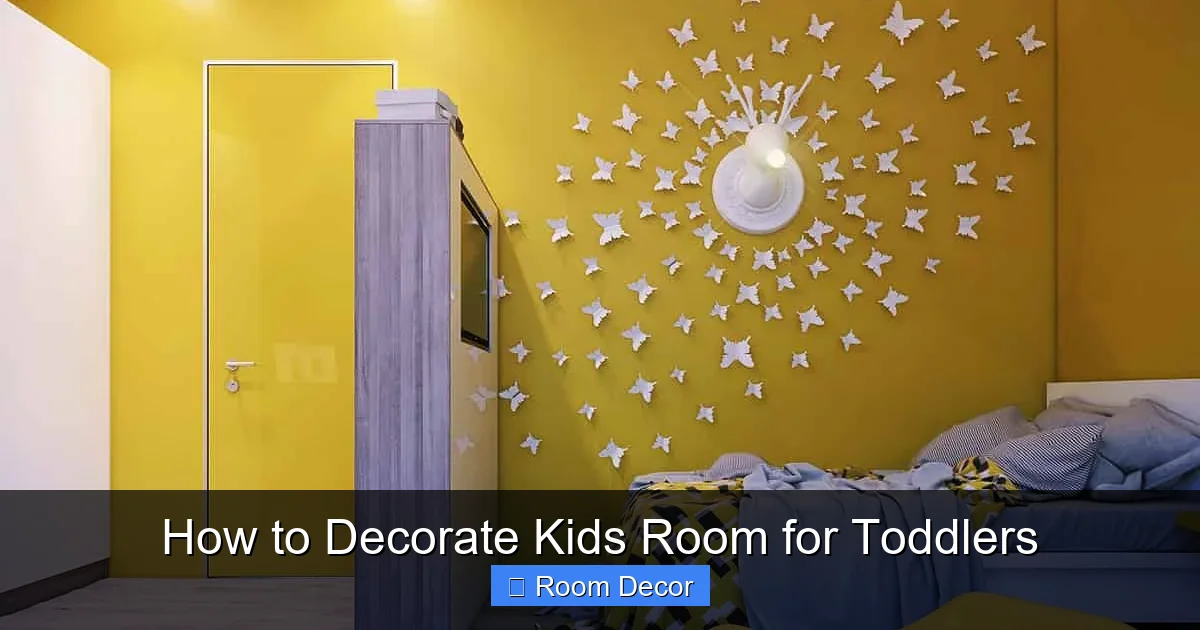
Visual guide about How to Decorate Kids Room for Toddlers
Image source: architectureartdesigns.com
A toddler’s needs change quickly, so when you decorate kids room for toddlers, think long-term. Designing a flexible space will save you time and money in the future.
H3 Create Multi-Functional Zones
Think about the different activities your toddler will do in their room and designate specific areas:
- Sleep Zone: This area should be calm and conducive to rest. Keep it clutter-free.
- Play Zone: Designate a bright, accessible area for toys and imaginative play.
- Reading Nook: A cozy corner with a comfortable seat and easily accessible books encourages a love for reading.
- Dressing/Changing Area: If still applicable, keep clothes and changing supplies organized and within easy reach.
H3 Opt for Adaptable Furniture
- Convertible Beds: Many cribs convert to toddler beds and then full-size beds, offering years of use. If transitioning from a crib, a toddler bed or even a floor bed promotes independence.
- Dressers/Storage: A sturdy dresser can serve as a changing table initially and then transition to clothes storage. Choose timeless pieces that won’t feel too “babyish” quickly.
- Open Shelving: Adjustable shelves can hold books, toys, and decor and be repositioned as needs change.
Step 3: Choose a Theme and Color Palette
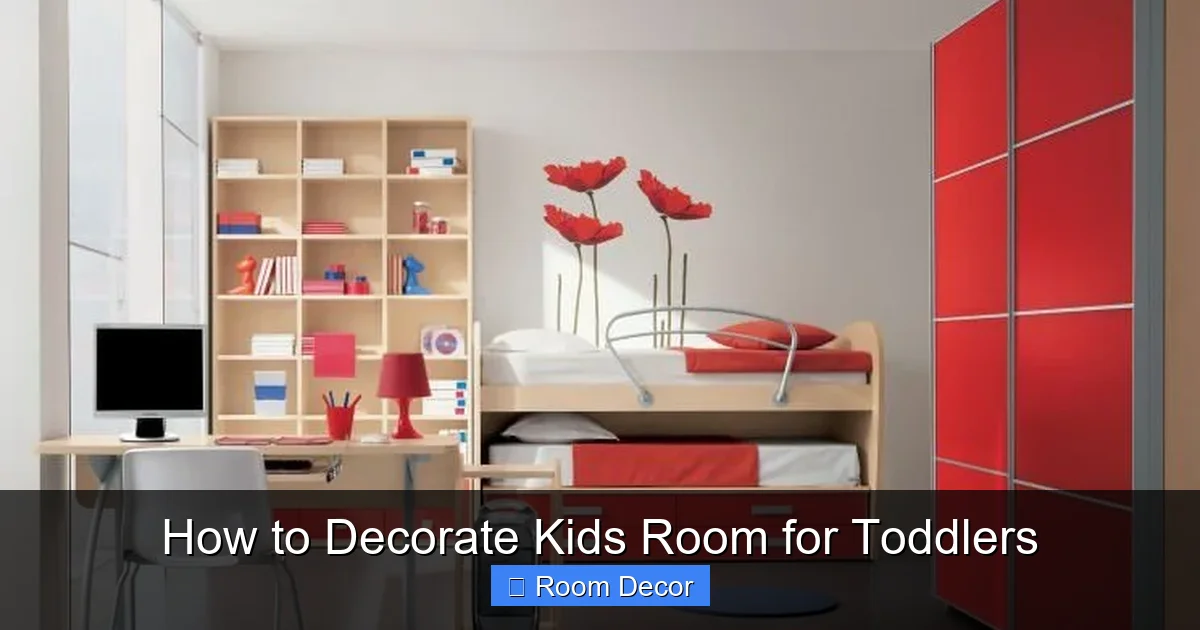
Visual guide about How to Decorate Kids Room for Toddlers
Image source: images.designtrends.com
This is where the fun really begins! When you decorate kids room for toddlers, selecting a theme and colors sets the mood for the entire space.
H3 Select an Engaging Yet Calming Color Palette
- Soft and Soothing: Gentle blues, greens, yellows, and warm neutrals create a calming atmosphere, perfect for sleep and relaxation.
- Pops of Brightness: Introduce brighter colors through accessories, art, or a single accent wall to stimulate interest without overwhelming.
- Avoid Overstimulation: While fun, too many bold colors or busy patterns can be overstimulating for a toddler, especially in their sleep space.
- Consider Longevity: Choose colors that can grow with your child, rather than colors they might quickly tire of.
H3 Pick a Fun and Flexible Theme
- Broad Themes: Instead of a very specific character, consider broader themes like “forest animals,” “under the sea,” “outer space,” “nature,” or “transportation.” These allow for more creativity and are easier to update.
- Involve Your Toddler: If they’re old enough, ask for their input on colors or animals they like. This helps them feel a sense of ownership over their space.
- Theme Through Accessories: You don’t need to paint murals. Introduce your theme through bedding, wall art, rugs, and select toys, which are easier and less expensive to change later.
Step 4: Select Toddler-Friendly Furniture
Visual guide about How to Decorate Kids Room for Toddlers
Image source: i.ytimg.com
The right furniture provides comfort, safety, and functionality. When you decorate kids room for toddlers, focus on pieces that are sturdy, appropriately sized, and designed for little ones.
H3 The Toddler Bed: A Big Step
- Floor Bed: A Montessori-inspired floor bed allows toddlers complete independence to get in and out of bed safely. It minimizes fall risks and fosters autonomy.
- Toddler Bed: A smaller bed often with built-in side rails, perfect for transitioning from a crib.
- Twin Bed with Rail: If space allows and you want longer-term use, a twin bed with a removable safety rail can be a great option.
H3 Essential Storage and Seating
- Dresser: A sturdy dresser (always anchored!) for clothes. Choose one with smooth-gliding drawers.
- Small Table and Chairs: A child-sized table and chairs are perfect for drawing, puzzles, and pretend play.
- Comfy Seating: A small armchair, beanbag, or floor cushion for reading or quiet play.
Step 5: Master Storage Solutions
Toddlers accumulate a lot of toys and books! Effective storage is crucial to keep the room organized and make clean-up manageable. This is a key part of how to decorate kids room for toddlers effectively.
H3 Accessible and Encouraging Storage
- Open Shelves and Bins: Place open shelves and reachable baskets/bins at your toddler’s height. This empowers them to choose their toys and put them away, fostering independence.
- Toy Rotation: Consider rotating toys. Keep some toys stored away and bring them out periodically to keep interest high and reduce clutter in the room.
- Book Bins/Front-Facing Shelves: These make it easy for toddlers to see and select books, promoting early literacy.
- Wall-Mounted Storage: Use wall pockets or low-mounted cubbies for smaller items, keeping floor space clear.
- Under-Bed Storage: Bins or drawers under the bed are excellent for storing seasonal clothes or less frequently used items.
Step 6: Ignite Imagination with Decor and Accessories
Decorating is about adding personality and creating a stimulating environment. When you decorate kids room for toddlers, think about items that are both charming and educational.
H3 Walls That Inspire
- Wall Art: Choose prints, posters, or canvases featuring animals, nature scenes, or abstract shapes. Consider personalized art with their name or initial.
- Decals: Removable wall decals are fantastic for adding themes without permanent commitment. They are easy to apply and change.
- Chalkboard or Whiteboard Wall: A dedicated section of a wall painted with chalkboard paint or covered with a peel-and-stick whiteboard provides a creative outlet.
- Photo Display: Hang photos of family, friends, and pets at your toddler’s eye level.
H3 Soft Furnishings and Textiles
- Rugs: A soft, washable rug adds warmth, defines play areas, and provides a comfortable surface for floor play. Look for non-slip options.
- Curtains/Blinds: Blackout curtains are excellent for naptime and early bedtimes, ensuring a dark environment for better sleep.
- Bedding: Choose soft, breathable, and machine-washable bedding. Fun patterns or colors can tie into the room’s theme.
- Pillows and Blankets: Add decorative pillows and cozy throws for a touch of comfort and style in reading nooks or play areas. Ensure they are safe and don’t pose a suffocation risk for very young toddlers.
Step 7: Create Engaging Play and Learning Zones
A toddler’s room should be a place of exploration and discovery. Thoughtful zoning can maximize this potential.
H3 A Nook for Every Activity
- Reading Nook: A soft rug, a comfy cushion or beanbag, and a small, front-facing bookshelf create an inviting space for stories.
- Art & Craft Station: A child-sized table and chairs, along with easily accessible crayons, paper, and playdough, encourages creativity. Use washable supplies!
- Building Block Area: A designated spot for blocks, trains, or other construction toys helps contain the mess and encourages imaginative building.
- Gross Motor Play (if space allows): A small tunnel, a soft mat for tumbling, or a balance beam can provide opportunities for physical activity indoors.
Step 8: Consider Lighting and Ambiance
Lighting plays a crucial role in setting the mood and ensuring safety.
H3 Smart Lighting Choices
- Natural Light: Maximize natural light during the day.
- Overhead Lighting: A main overhead light with a dimmer switch allows you to adjust brightness from bright play to soft comfort.
- Nightlights: A gentle nightlight provides comfort and helps navigate during nighttime wakings without fully waking the child.
- Task Lighting: A small lamp on a shelf or dresser can provide ambient light for reading or quiet play. Ensure all lamps are stable and cords are secured.
Step 9: Add Personal Touches and Adaptability
Make the room truly special and remember that change is constant with toddlers.
H3 Infuse Personality
- Display Their Art: Frame some of your toddler’s masterpieces or create a dedicated “art gallery” wall using clipboards or string and clothespins. This celebrates their creativity.
- Photos: As mentioned, family photos at their eye level help them feel connected and secure.
- Heirlooms: Incorporate special family items that are safe and appropriate for display.
H3 Plan for Evolution
- Easy-to-Change Decor: Stick to neutral larger pieces of furniture and use accessories, bedding, and wall art to introduce color and theme. These are inexpensive and easy to swap out as your toddler’s preferences change.
- “Grow With Me” Items: Invest in quality, adaptable pieces where possible.
Troubleshooting Common Challenges When You Decorate Kids Room for Toddlers
H3 Small Room Solutions
If you have limited space, don’t despair!
- Vertical Storage: Utilize walls with floating shelves, wall-mounted cubbies, and tall, slim bookcases.
- Under-Bed Storage: As mentioned, pull-out drawers or bins can hide a lot of clutter.
- Multi-Functional Furniture: A bench with built-in storage, or a dresser that doubles as a changing table.
- Clutter Control: Be ruthless with toy culling and rotation. Less is often more in a small space.
H3 Budget-Friendly Decorating
Decorating doesn’t have to break the bank.
- DIY Projects: Paint old furniture, create your own wall art, or sew simple curtains.
- Thrift Store Finds: Look for sturdy dressers, bookshelves, or small tables that can be repurposed with a fresh coat of paint.
- Hand-Me-Downs: Accept gently used furniture from friends or family, ensuring it meets current safety standards.
- Focus on Essentials: Invest in safe, good-quality core furniture, and save on accessories by opting for more affordable or DIY options.
H3 Involving Your Toddler
As they get older, involving your toddler can make the room more meaningful to them.
- Limited Choices: Offer two or three safe choices for a rug, a picture, or a bin color and let them pick. This gives them agency without overwhelming you.
- Cleaning Up: Make clean-up a game. Having accessible storage helps.
Conclusion
Learning how to decorate kids room for toddlers is a wonderful opportunity to create a space that nurtures your child’s growth, curiosity, and comfort. By prioritizing safety, planning for flexibility, choosing smart storage, and infusing personality through thoughtful decor, you can transform an ordinary room into an extraordinary haven. Remember, the goal is to create a functional, stimulating, and calming environment where your toddler feels secure, loved, and free to explore. Enjoy the process, and cherish the joy your little one finds in their beautifully decorated space!