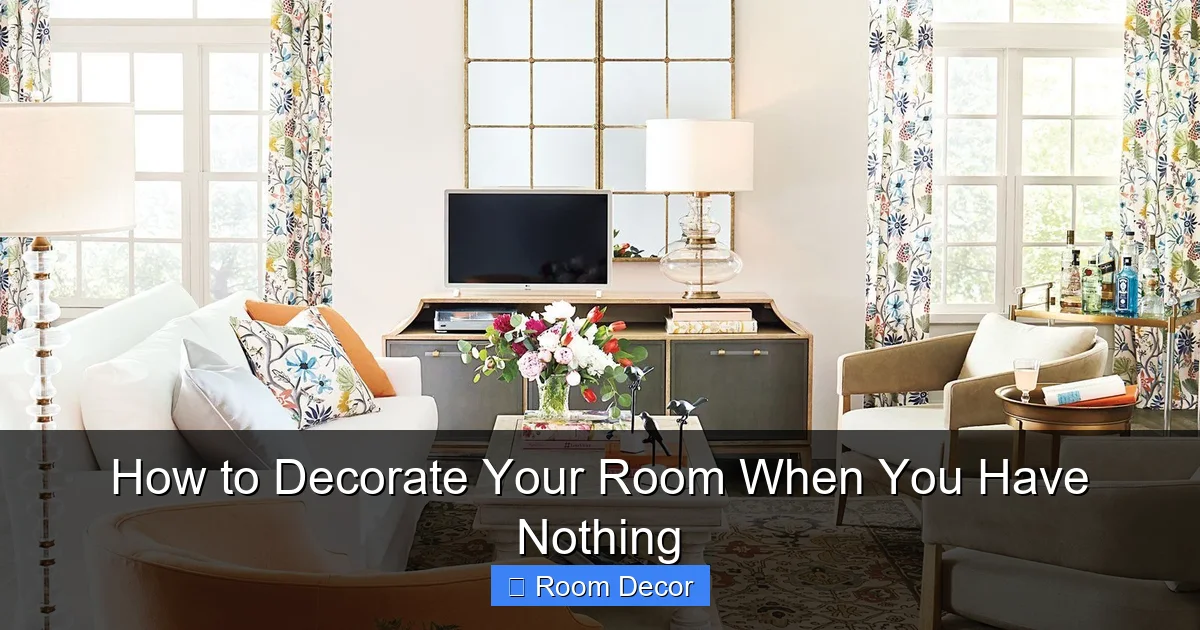
Don’t let a tight budget stop you from creating a beautiful room! This guide reveals ingenious ways to decorate your room when you have absolutely nothing. Discover the power of DIY, thrifting, and upcycling to transform your space. You’ll learn how to make the most of what you have, find free treasures, and create a personalized haven without breaking the bank.
How to Decorate Your Room When You Have Nothing
So, you’ve got a room that feels a little… bare. Maybe you’ve just moved into a new place, or perhaps your current space is in desperate need of a refresh, but your wallet is feeling lighter than a feather. The good news? You don’t need a huge budget or a truckload of fancy new items to create a room you love. Decorating your room when you have nothing is all about creativity, resourcefulness, and a little bit of elbow grease.
In this guide, we’ll walk you through how to transform your space from bland to brilliant, even if you’re starting from scratch. We’ll explore the magic of DIY, the thrill of thrifting, and how to find free decor that will make your room shine. Get ready to discover your inner decorator and create a personalized sanctuary that reflects your style!
Key Takeaways
- Embrace DIY & Upcycling: Transform everyday items into unique decor pieces with a little creativity and effort.
- The Power of Paint: A fresh coat of paint is one of the most impactful and affordable ways to revitalize a room.
- Thrifting & Secondhand Treasures: Explore thrift stores, flea markets, and online marketplaces for budget-friendly decor finds.
- Nature’s Decor: Utilize natural elements like plants, branches, and stones to bring life and texture into your room.
- Strategic Lighting: Smart lighting choices can dramatically change the mood and ambiance of your space.
- Declutter & Organize: A clean and organized room instantly feels more stylish and spacious, even with minimal decor.
Step 1: Assess Your Space & Set a Vision
Before you start grabbing anything, take a good look around. What’s the current state of your room? What are its strengths and weaknesses? What kind of vibe do you want to create? This initial assessment is crucial.
Understand Your Needs
- Functionality: How do you use the room? Is it primarily for sleeping, studying, relaxing, or a combination? Your decor should support these activities.
- Light: How much natural light does the room get? This will influence color choices and the need for artificial lighting.
- Size & Layout: A small room might benefit from light colors and mirrors, while a larger room can handle bolder statements.
Define Your Style
- Inspiration: Browse Pinterest, Instagram, or magazines for room decor ideas. What colors, textures, and styles catch your eye?
- Keywords: Try to define your style with a few words. Is it cozy, minimalist, bohemian, modern, eclectic?
- Color Palette: Choose a few colors you love and that work well together. This will be your guide when choosing or creating decor.
Step 2: The Power of a Clean Slate & Fresh Paint
Sometimes, the biggest impact comes from the simplest changes. A deep clean and a fresh coat of paint can work wonders.
Visual guide about How to Decorate Your Room When You Have Nothing
Image source: i.pinimg.com
Declutter and Deep Clean
- Purge Ruthlessly: Get rid of anything you don’t need or love. Less clutter equals more visual space and a calmer atmosphere.
- Scrub Everything: Clean walls, floors, windows, and any existing furniture until they sparkle. A clean room feels instantly better.
Embrace the Magic of Paint
- The Ultimate Transformation: If you can get your hands on some paint, even a small amount, it can completely change the feel of your room.
- Accent Walls: If a full room paint job isn’t possible, consider painting just one wall. This adds a focal point without using much paint.
- Creative Use: Don’t have enough for a whole wall? Paint a piece of cardboard or an old piece of furniture to create an instant art piece.
- Ask Around: Do you have friends or family who recently painted? They might have leftover paint they’re happy to give away.
Step 3: DIY Decor: Your Secret Weapon
When you have nothing, you become a master of invention. DIY projects are your best friend. You’d be surprised what you can create from everyday items.
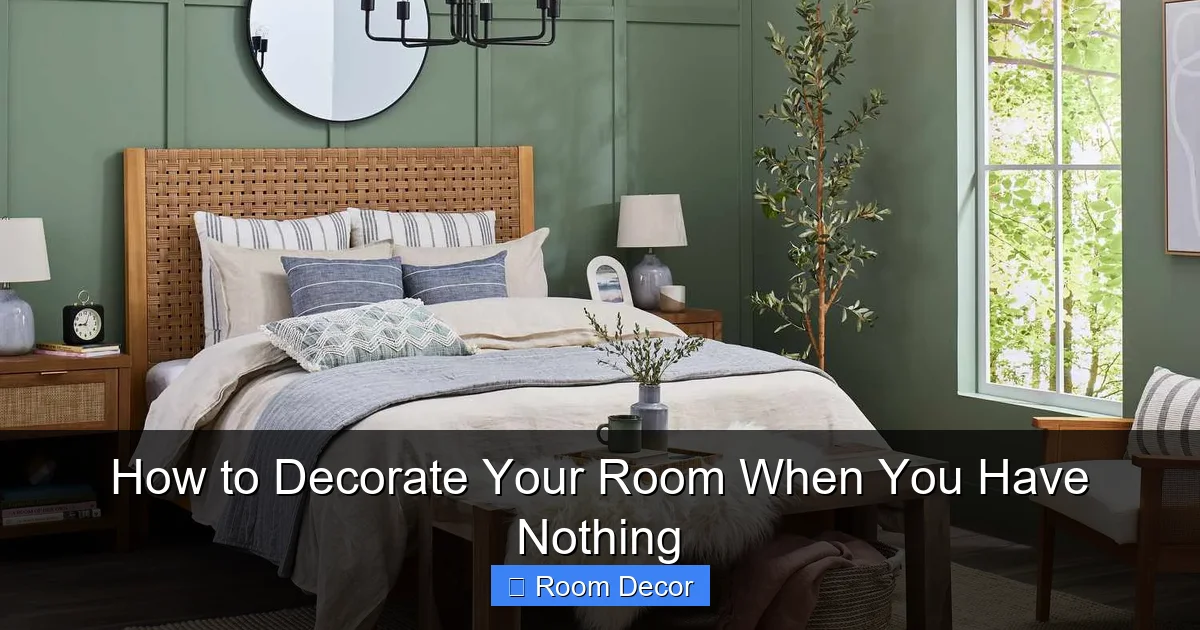
Visual guide about How to Decorate Your Room When You Have Nothing
Image source: thespruce.com
Repurpose and Upcycle
- Jars and Bottles: Clean glass jars and bottles can become vases, candle holders, or storage containers. Decorate them with paint, string, or fabric scraps.
- Cardboard Boxes: Large cardboard boxes can be painted and decorated to create stylish storage solutions, faux headboards, or even small shelving units.
- Old Clothing & Fabric Scraps:
- Pillows: Stuff old clothes with fabric scraps or old stuffing to make unique throw pillows.
- Wall Hangings: Cut fabric into strips and tie them onto a branch or dowel for a boho-chic tapestry.
- Coasters: Cut circles from old jeans or t-shirts and glue them together for durable coasters.
- Paper Power:
- Origami: Fold colorful paper or old magazine pages into decorative shapes for wall art or garlands.
- Paper Chains: A classic for a reason! Use old newspapers or patterned paper for a whimsical touch.
Create Your Own Art
- Abstract Masterpieces: Grab some paper (even newspaper or printer paper) and whatever coloring tools you have – pens, pencils, crayons, even coffee or tea stains can create interesting effects. Let your imagination run wild.
- Nature’s Canvas: Collect interesting leaves, pressed flowers, or small branches. Arrange them on a piece of cardboard or paper and frame it (or just hang it as is!).
- Textured Art: Mix flour and water to create a paste. Apply it to a canvas or sturdy cardboard and create interesting textures. Once dry, you can paint it.
DIY Lighting Solutions
- Fairy Light Magic: If you can find old fairy lights, string them in jars, around mirrors, or drape them from the ceiling for instant ambiance.
- Candle Holders: Decorate empty jars or cans to create unique candle holders.
- Paper Lanterns: Cut decorative shapes into paper bags and place a battery-operated LED light inside for a soft glow.
Step 4: Embrace the Thrill of Thrifting & Secondhand Finds
You don’t need to buy new to get great decor. Thrift stores, flea markets, and even online marketplaces are treasure troves.
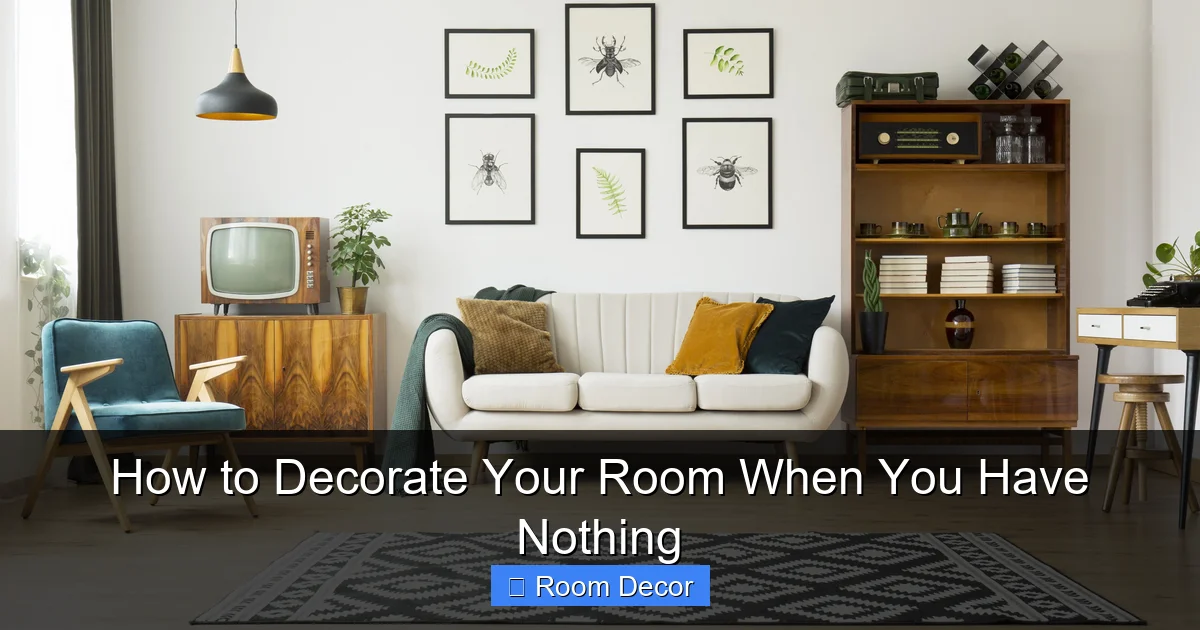
Visual guide about How to Decorate Your Room When You Have Nothing
Image source: thespruce.com
Where to Look
- Thrift Stores: Goodwill, Salvation Army, and local charity shops are goldmines for affordable decor.
- Flea Markets: Often have unique items and a bit more room for bargaining.
- Garage Sales: A fantastic way to find bargains, especially towards the end of the day.
- Online Marketplaces: Facebook Marketplace, Craigslist, and Freecycle often have people giving away items for free or very cheap.
What to Look For
- Picture Frames: Even if you don’t have pictures yet, empty frames can be decorative on their own, or you can fill them with fabric scraps or your own artwork.
- Vases & Pots: Look for unique shapes and sizes that can be used for plants, flowers, or simply as decorative objects.
- Mirrors: A mirror can make a room feel larger and brighter. Look for interesting frames.
- Textiles: Old scarves, tapestries, or even interesting fabric remnants can be used as wall hangings, tablecloths, or cushion covers.
- Books: Old books add character and can be stacked as decor or used as risers for other objects.
- Small Furniture Pieces: A small side table, stool, or chair can be repainted or reupholstered to fit your style.
Tips for Smart Thrifting
- Go Prepared: Bring a tape measure, cash, and a list of things you’re looking for.
- Inspect Carefully: Check for damage, stains, or missing parts.
- Envision the Potential: Look past the current state and imagine what the item could become with a little cleaning or a coat of paint.
- Negotiate (Politely): Especially at flea markets and garage sales.
Step 5: Nature’s Decor: Bringing the Outdoors In
Nature provides some of the most beautiful and free decor available. It adds life, texture, and a sense of calm to any space.
Plants, Glorious Plants
- Propagate from Friends: Ask friends or family if you can take cuttings from their houseplants. Most are easy to root in water and then plant in soil.
- Forage (Responsibly): Look for small, interesting plants in your garden or local parks. Be sure to only take what is allowed and not damage the environment.
- Seed Starting: You can grow herbs or small flowers from seeds, which are often very inexpensive.
- Air Plants: If you can find a single air plant, they require minimal care and look stunning.
Branches, Stones, and Shells
- Interesting Branches: Collect fallen branches of interesting shapes and sizes. They can be used as standalone decor, turned into a jewelry holder, or incorporated into DIY art.
- Smooth Stones: Clean pebbles or larger stones can be arranged in bowls, used as paperweights, or painted with small designs.
- Seashells: If you live near the coast, collect beautiful seashells to display in jars or bowls.
Dried Flowers & Foliage
- Pressing Flowers: Collect flowers and leaves and press them in heavy books. Once dried, they can be used in DIY artwork or to decorate jars.
- Dried Bouquets: If you receive a bouquet, let some of the flowers dry naturally. They can then be displayed as they are.
Step 6: Lighting: The Mood Maker
Lighting is one of the most powerful tools for transforming a room. It can create ambiance, highlight features, and make a space feel cozy or inviting.
Maximize Natural Light
- Keep Windows Clear: Avoid heavy curtains if possible. Use light, sheer fabrics if privacy is needed.
- Mirrors for Reflection: Strategically place mirrors opposite windows to bounce natural light around the room.
Creative Artificial Lighting
- Fairy Lights/String Lights: As mentioned in DIY, these are incredibly versatile and create a magical glow. Drape them over furniture, in jars, or along walls.
- Candles (Safely!): Use thrifted or recycled jars as candle holders. Battery-operated LED candles are a safe alternative.
- Task Lighting: Even a simple desk lamp can make a study area more functional and inviting. Look for one at a thrift store.
- Repurpose Existing Fixtures: If you have a bare light bulb hanging from the ceiling, consider adding a DIY lampshade made from fabric or paper.
Step 7: Textiles & Texture: Adding Warmth and Interest
Fabrics can add softness, color, and pattern, making a room feel much more lived-in and comfortable.
DIY Cushions and Throws
- Old T-shirts or Sweaters: Cut them up and sew them into simple cushion covers. Stuff with old rags or fabric scraps.
- Fabric Scraps: Patchwork is a great way to use up small pieces of fabric. Create a small rug, a wall hanging, or a patchwork cushion.
Curtains and Wall Hangings
- Sheets or Fabric: A simple, lightweight sheet can be hung as a curtain or a soft wall hanging. Look for interesting patterns at thrift stores.
- Scarves: Large, beautiful scarves can be draped over windows as temporary curtains or hung as decorative wall art.
Rugs and Floor Coverings
- Small Rags: If you’re crafty, you can braid or sew strips of old fabric together to create a simple rag rug.
- Natural Elements: A large, flat stone or a collection of smooth wood pieces can create an interesting natural element on the floor in a small area.
Step 8: Personal Touches: Making it Yours
The most important aspect of decorating your room is making it feel like *you*. Your personality should shine through.
Display What You Love
- Books: Stack them artfully, arrange them by color, or use them as risers for other decor.
- Photos: Print out favorite photos (even in black and white to save ink). Display them in DIY frames or clip them onto a string.
- Collections: If you have a small collection of anything – shells, stones, vintage keys – find a way to display them attractively.
Create Vignettes
A vignette is a small, pleasing arrangement of objects. Think of a few items grouped together on a shelf, a dresser, or a small table.
- Examples: A small plant, a pretty jar, and a stack of books. Or a thrifted vase with a single interesting branch.
- Vary Heights: Use books or small boxes to create different levels for your objects.
Troubleshooting Common Challenges
“I don’t have any tools!”
Solution: Get creative! Many DIY projects can be done with just scissors, glue, and tape. For more involved projects, see if friends or neighbors have tools you can borrow. If you find a great thrift store find that needs minor assembly, sometimes it can be held together with strong tape or ingenuity.
“Everything I find looks cheap or ugly.”
Solution: This is where vision comes in. Look for good *bones*. A piece of furniture might be worn, but if the shape is good, it can be transformed with paint. For smaller items, consider how they can be grouped or combined with other elements. Focus on texture and natural elements which always look good.
“I have no color inspiration.”
Solution: Look to nature! The colors of a sunset, a forest, or a single flower can be incredibly inspiring. Even the colors in a favorite book cover or a piece of clothing can spark an idea.
“My room is very small.”
Solution: Light colors, mirrors, and vertical space are your friends. Keep decor minimal but impactful. DIY wall art made from lightweight materials can add personality without taking up floor space.
Conclusion
Decorating your room when you have nothing is not about limitations; it’s about unlocking your creativity. By embracing DIY, thrifting, and the natural world, you can craft a space that is both stylish and deeply personal, all without spending a fortune. Remember, a room filled with intention and personality is far more valuable than one filled with expensive, generic items. So, get inspired, get resourceful, and start transforming your space today!