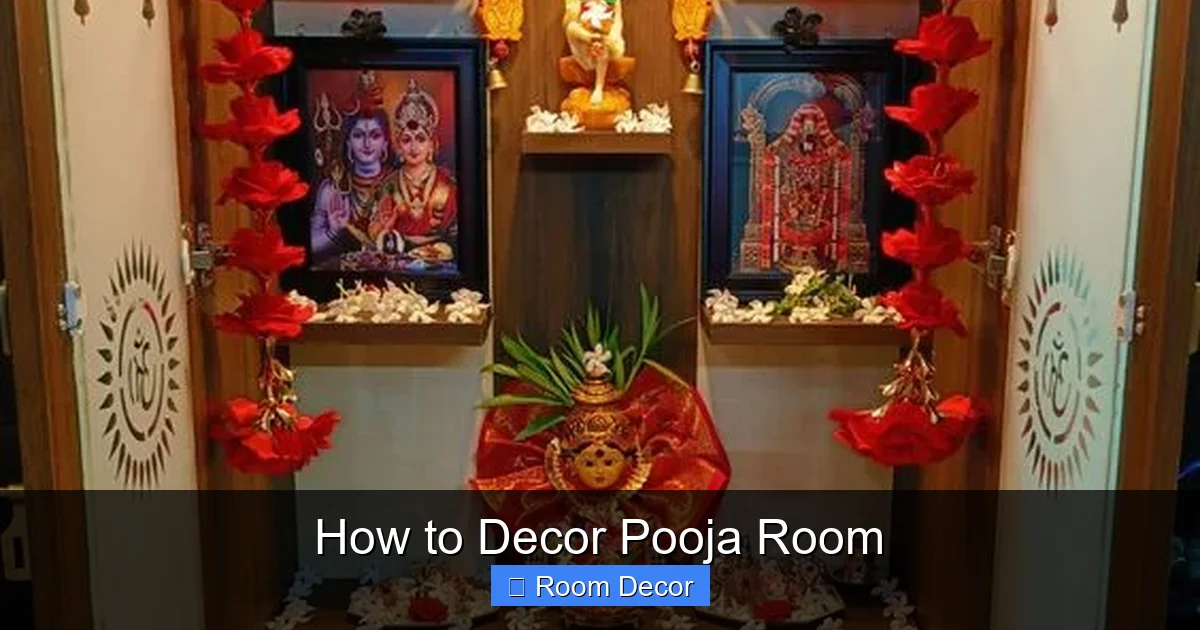
Transform your space into a tranquil pooja room with our easy-to-follow guide. Learn how to decor pooja room, from choosing idols and divine motifs to selecting appropriate lighting and colors. Embrace spirituality and peace by creating a personalized sacred haven that reflects your devotion.
How to Decor Pooja Room
Welcome to our comprehensive guide on how to decor pooja room! The pooja room, also known as a prayer room or mandir, is a sacred space within your home dedicated to prayer, meditation, and spiritual reflection. It’s a place where you connect with the divine, find peace, and seek blessings. Decorating this space is not just about aesthetics; it’s about creating an environment that fosters devotion, tranquility, and a sense of sanctity. Whether you have a dedicated room, a corner of your living area, or a small niche, this guide will walk you through every step of creating a beautiful and functional pooja room that resonates with your spiritual journey.
Key Takeaways
- Understand the Purpose: Recognize that a pooja room is a sacred space for prayer and reflection, influencing all decor choices.
- Idol Selection and Placement: Choose idols that resonate with you and place them thoughtfully, ensuring respect and accessibility.
- Color Palette Matters: Opt for calming and auspicious colors like white, yellow, red, and blue to create a serene atmosphere.
- Lighting for Ambiance: Utilize a mix of ambient, task, and accent lighting, including diyas and lanterns, to enhance the spiritual feel.
- Decorative Elements: Incorporate auspicious symbols, fresh flowers, rangoli, and religious texts to add beauty and divinity.
- Storage Solutions: Designate practical storage for pooja essentials to maintain an uncluttered and organized sacred space.
- Personalization is Key: Infuse your personality and devotion into the decor to make the pooja room truly your own.
Step 1: Define Your Space and Vision
Before you even think about buying decorative items, it’s crucial to define the space you have available and envision the atmosphere you want to create. This initial step sets the foundation for all your decor choices.
Assess Available Space
Your pooja room can be a separate, dedicated chamber, a corner of your living room, a repurposed closet, or even a wall niche. Measure the dimensions of your chosen area. This will help you determine the size of idols, shelves, and other decor elements you can accommodate. A larger space allows for more elaborate decor, while a smaller space requires a more minimalist and strategic approach to how to decor pooja room effectively.
Envision the Atmosphere
What feeling do you want your pooja room to evoke? Do you prefer a minimalist and serene ambiance, or a more traditional and ornate feel? Consider the deities you worship and the general spiritual vibe you wish to cultivate. Think about the colors, textures, and overall style that speak to your soul and enhance your prayer experience.
Step 2: Choose Your Divine Centerpiece – Idols and Deities
The heart of any pooja room is the representation of the divine. Selecting the right idols or images is a deeply personal and significant part of how to decor pooja room.
Selecting Idols or Images
Choose idols or images of the deities you worship. These can be made from various materials like brass, marble, wood, or even ceramic. Consider the size and proportion of the idol relative to your space. If you have limited space, a smaller idol or a beautiful religious print might be more suitable. Ensure the idol is crafted with reverence and represents the deity accurately.
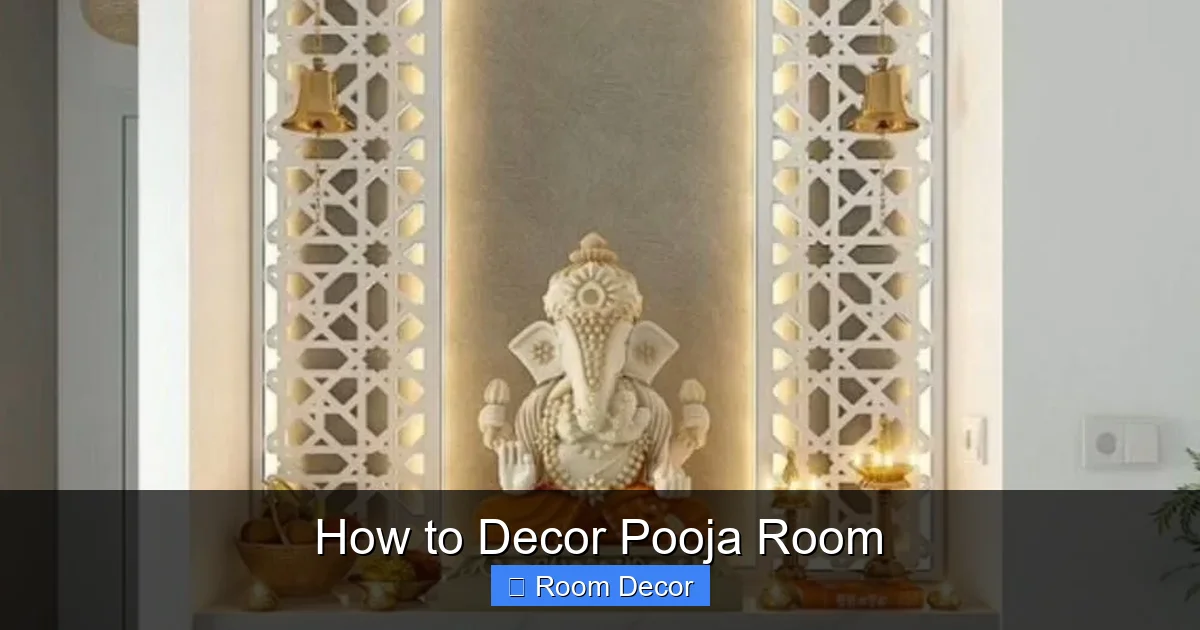
Visual guide about How to Decor Pooja Room
Image source: imgmedia.lbb.in
Practical Tip: Clean your idols regularly with a soft cloth. For metal idols, a mild polish can help maintain their shine.
Placement and Arrangement
The placement of idols is significant. Traditionally, deities are placed on a raised platform or a dedicated altar. Ensure there is enough space around the idols for offerings and to light lamps. Avoid placing them directly on the floor. If you have multiple deities, arrange them respectfully, with the main deity usually in the center or at a slightly higher position. Always ensure the idols are facing a direction that is considered auspicious, often east or north.
Example: For a small mandir, a single, beautifully crafted idol can be the focal point. For larger spaces, you might have a central idol with smaller idols or images of other deities arranged around it.
Step 3: Creating the Right Ambiance with Colors and Walls
The walls and color palette play a vital role in setting the mood and enhancing the spiritual atmosphere of your pooja room.
Choosing a Color Scheme
Colors have a profound impact on our emotions. For a pooja room, it’s best to opt for colors that promote calmness, serenity, and positivity.
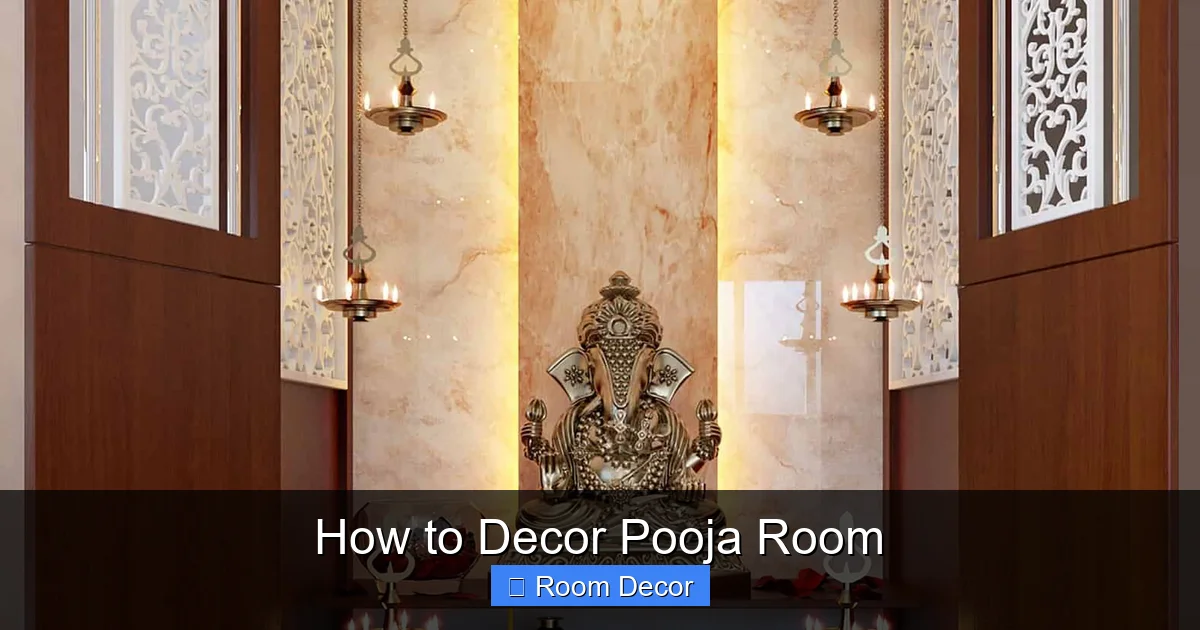
Visual guide about How to Decor Pooja Room
Image source: interioreradotin.files.wordpress.com
- White: Represents purity, peace, and divinity.
- Yellow: Symbolizes knowledge, happiness, and auspiciousness.
- Red: Associated with energy, devotion, and auspicious beginnings. Use sparingly or in deeper shades for a sophisticated look.
- Blue: Evokes calmness and tranquility.
- Pastel Shades: Soft greens, pinks, and oranges can create a gentle and inviting atmosphere.
Avoid overly bright or jarring colors that might disrupt the peaceful ambiance. You can choose a single color for the walls or use a combination of complementary shades.
Wall Treatments and Decor
Consider wall treatments that add to the sacred feel.
- Paint: A fresh coat of paint in your chosen auspicious color is the simplest way to transform the space.
- Wallpaper: Religious motifs, floral patterns, or subtle textured wallpapers can add depth and elegance.
- Wall Hangings: Beautiful religious tapestries, paintings of deities, or framed mantras can adorn your walls.
- Divine Motifs: Consider stenciling or painting auspicious symbols like Om, Swastik, or Lotus flowers on a prominent wall.
Tip: If you are painting yourself, ensure good ventilation and allow adequate drying time.
Step 4: Lighting the Sacred Space
Lighting is crucial for creating the right mood in your pooja room. It’s not just about illumination; it’s about creating an aura of divinity and peace.
Ambient Lighting
This is the general illumination for the room. Soft, warm lighting is preferred.
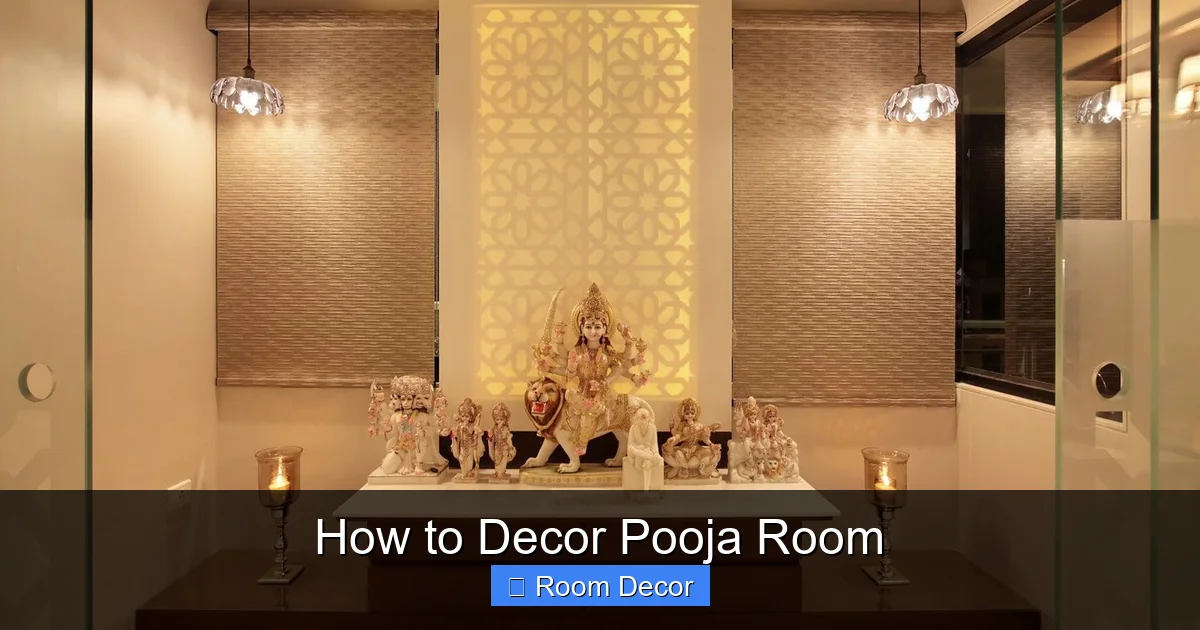
Visual guide about How to Decor Pooja Room
Image source: interioreradotin.files.wordpress.com
- Ceiling Lights: Opt for diffused ceiling lights or cove lighting that casts a soft glow rather than harsh, direct light.
- Wall Sconces: Beautifully designed wall sconces can add a touch of elegance and provide gentle illumination.
Task and Accent Lighting
These lights are functional and decorative.
- Diyas and Lamps: The traditional diya is a quintessential element. Oil lamps or ghee lamps create a warm, flickering glow that is deeply spiritual. Brass or earthen diyas are popular choices.
- Candles: Scented or unscented candles can add a serene and contemplative ambiance. Always use them safely in appropriate holders.
- Lanterns: Decorative lanterns, whether made of metal, wood, or paper, can cast beautiful patterns of light and shadow.
- Spotlights: Subtle spotlights can be used to highlight specific idols or decorative elements.
Safety First: Always place lamps and candles on heat-resistant surfaces and never leave them unattended.
Step 5: Flooring and Floor Coverings
The flooring of your pooja room contributes to its overall feel and comfort.
Traditional Flooring
Marble, granite, or polished tiles are common and easy to maintain. Wooden flooring can also lend a warm and traditional feel.
Adding Comfort and Aesthetics
- Rugs and Carpets: A beautiful rug or a prayer mat can add comfort, especially if you spend a lot of time sitting and meditating. Choose natural materials like cotton or wool.
- Rangoli: A rangoli, a traditional folk art made of colored powders, rice flour, or flower petals, is often created on the floor outside or inside the pooja room for auspicious occasions.
Maintenance: Regularly clean your flooring to maintain a hygienic and sacred space.
Step 6: Incorporating Decorative Elements and Accessories
This is where you add the details that truly personalize your pooja room and enhance its divine character.
Auspicious Symbols and Art
- Religious Idols and Statues: Apart from the main deities, you might include smaller statues of other divine figures or sacred animals.
- Divine Symbols: Incorporate symbols like Om, Swastik, Lotus, Kalash, or Trishul through wall hangings, carved panels, or small decorative pieces.
- Religious Texts: Keep sacred books like the Bhagavad Gita, Ramayana, or other scriptures accessible.
- Spiritual Artwork: Paintings or prints depicting mythological scenes or spiritual motifs can enhance the decor.
Floral Decorations
Fresh flowers are a symbol of purity, beauty, and life.
- Flower Garlands: Decorate the altar or hang garlands around the idols.
- Flower Bowls: Place bowls filled with fresh petals or water with floating flowers.
- Vases: Simple vases with a few fresh blooms can add a touch of elegance.
Tip: Choose flowers that are traditionally used in worship, such as marigolds, jasmine, roses, and lotus. Change them regularly to keep the space fresh.
Incense and Fragrance
A pleasant aroma can enhance the spiritual experience.
- Incense Sticks (Agarbatti): Choose soothing and traditional fragrances like sandalwood, rose, or jasmine.
- Dhoop: Dhoop cones or sticks offer a deeper, more traditional fragrance.
- Essential Oil Diffusers: Natural essential oils like sandalwood, lavender, or frankincense can be used for a subtle aroma.
Ventilation: Ensure good ventilation when using incense or diffusers to prevent the room from becoming too smoky or overpowering.
Other Decorative Touches
- Torans: Decorative door hangings, often made of mango leaves and marigold flowers, are traditionally used to welcome deities and guests.
- Bell: A small brass bell is often rung during prayer to signify the beginning and end of worship.
- Water Pot (Kalash): A decorated kalash filled with water and topped with mango leaves and a coconut is a sacred symbol of prosperity and auspiciousness.
Step 7: Ensuring Functionality and Organization
A beautifully decorated pooja room is also a functional one. Organization is key to maintaining a serene and uncluttered space.
Storage Solutions
Keep your pooja essentials organized and within reach.
- Shelves and Cabinets: Install shelves or a dedicated cabinet to store extra diyas, oils, incense, pooja samagri (worship materials), and religious books.
- Decorative Boxes: Use beautiful boxes or baskets to store smaller items like kumkum, haldi, rice, and cotton wicks.
- Drawer Space: If you have a mandir unit, drawers can be incredibly useful for discreet storage.
Maintaining Order
- Declutter Regularly: Remove old flowers, used incense sticks, and any items that are no longer needed.
- Designated Spots: Assign a specific place for everything so you can easily find what you need.
- Keep it Clean: Regularly dust surfaces, wipe down idols, and clean the flooring.
Example: A small, aesthetically pleasing drawer unit can house all your daily pooja needs, keeping the altar clear and serene.
Step 8: Personalization – Making it Your Own
While tradition and aesthetics are important, your pooja room should ultimately reflect your personal connection to the divine.
Infuse Your Spirituality
Consider what elements of faith are most important to you. This could be specific verses, symbols, or even colors that hold personal significance.
Adding Personal Touches
- Family Heirlooms: If you have a cherished family deity idol or a religious artifact, make it a prominent feature.
- Photographs: Small, tasteful framed photos of spiritual gurus or significant spiritual experiences can be added.
- Handmade Items: If you enjoy crafting, consider making some decor items yourself – a painted diyas, a hand-stitched prayer mat, or a devotional artwork.
Embrace your journey: The most beautiful pooja room is one that feels authentic to you and your spiritual path.
Troubleshooting Common Pooja Room Decor Challenges
Even with the best intentions, you might encounter a few challenges. Here’s how to address them:
Challenge 1: Limited Space
Solution: Go vertical! Utilize wall-mounted shelves, a corner unit, or a compact mandir that fits snugly into a niche. Choose smaller idols and focus on essential decorative items. A minimalist approach works best.
Challenge 2: Maintaining Cleanliness
Solution: Regular, small cleaning sessions are more effective than infrequent deep cleans. Dedicate 5-10 minutes daily or every other day to dust, remove old offerings, and tidy up. Use easy-to-clean materials for flooring and surfaces.
Challenge 3: Overcrowding Decor
Solution: Less is often more in a sacred space. Focus on a few key elements that have meaning. Rotate decorative items seasonally or for special occasions. Prioritize what brings you peace and devotion.
Challenge 4: Harsh Lighting
Solution: Install dimmer switches for overhead lights. Use lamps with shades to diffuse light. Rely more on the warm glow of diyas and candles for ambiance.
Conclusion
Decorating your pooja room is a rewarding journey that allows you to create a sacred sanctuary within your home. By thoughtfully considering your space, choosing your divine centerpieces, selecting calming colors, and incorporating elements that foster peace and devotion, you can transform any area into a place of spiritual solace. Remember, the most important aspect of how to decor pooja room is to imbue it with your personal faith and devotion. Let your pooja room be a reflection of your inner peace and a constant reminder of your connection to the divine. May your sacred space be filled with light, love, and serenity.