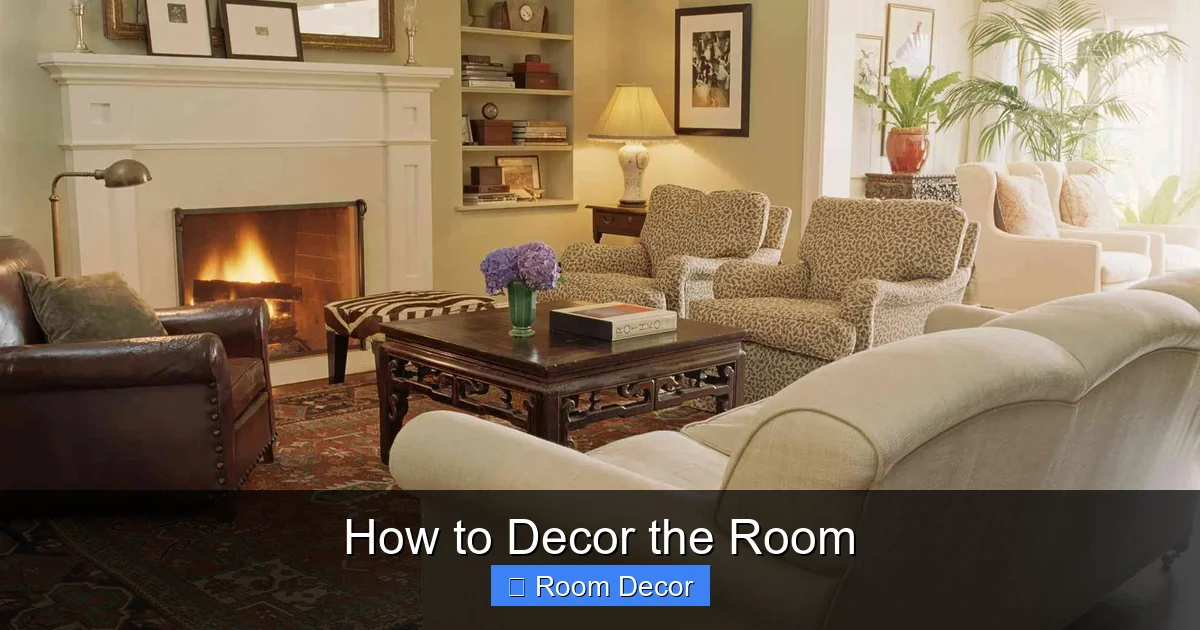
Ready to give your room a fresh look? This guide breaks down how to decorate your room into simple, actionable steps. We’ll cover everything from planning your style to choosing furniture and adding those perfect finishing touches. Transform your living space into a reflection of your personality with our expert advice.
How to Decor the Room
Feeling like your room needs a refresh? Maybe it’s a little drab, or perhaps it just doesn’t feel like “you.” Decorating a room can seem daunting, but it’s also an incredibly rewarding process. It’s your chance to create a space that’s not just functional but also a true reflection of your personality and taste. This comprehensive guide will walk you through every step, from the initial spark of inspiration to the final, perfect accent piece.
We’ll break down the art of decorating a room into manageable steps. You’ll learn how to define your style, plan your layout, choose the right colors, and select furniture and decor that work together beautifully. By the end of this guide, you’ll have the confidence and knowledge to transform any room into a space you absolutely love.
Key Takeaways
- Define Your Style: Before buying anything, decide on the overall aesthetic you want to achieve. This will guide all your decor choices.
- Create a Floor Plan: Map out your room’s layout to optimize furniture placement for both functionality and flow.
- Color Palette is Key: Choose a cohesive color scheme to create a harmonious and inviting atmosphere.
- Layer Your Lighting: Combine ambient, task, and accent lighting for a well-lit and inviting room.
- Don’t Forget Textiles: Rugs, curtains, and throw pillows add warmth, texture, and personality.
- Accessorize Thoughtfully: Select decorative items that are meaningful and enhance your chosen style.
- Embrace Personalization: Your room should be a reflection of you. Incorporate personal items that tell your story.
Step 1: Define Your Decor Style
The very first step in decorating any room is to figure out what kind of look and feel you’re going for. This is your style. Without a clear style, you might end up with a room that feels disjointed or doesn’t quite hit the mark. Think about what inspires you. What magazines do you flip through? What Pinterest boards do you save? What hotels or cafes have you visited that you loved the atmosphere of?
Explore Different Decor Styles
There are countless decor styles out there, and many can be blended. Here are a few popular ones to get you thinking:
- Modern: Clean lines, minimalist approach, neutral colors with pops of color, often uses materials like metal, glass, and polished wood.
- Bohemian (Boho): Eclectic, free-spirited, lots of textures, patterns, plants, and vintage finds. It’s about layers and a relaxed vibe.
- Farmhouse: Cozy, rustic, often features distressed wood, neutral colors, comfortable furniture, and a touch of vintage charm.
- Scandinavian: Light and airy, minimalist, functional, with a focus on natural materials like wood and light colors. Think cozy hygge.
- Industrial: Raw, unfinished elements like exposed brick, metal pipes, concrete, and reclaimed wood. Often has a masculine feel.
- Traditional: Classic, elegant, often uses rich colors, ornate furniture, symmetrical arrangements, and fine fabrics.
- Coastal: Light, breezy, inspired by the sea. Uses colors like blues, whites, and sandy beiges, with natural textures and nautical accents.
Create a Mood Board
Once you have a general idea, start collecting images. This can be a physical mood board with magazine clippings, fabric swatches, and paint chips, or a digital one using tools like Pinterest or Canva. This visual representation will help you see what elements work together and reinforce your chosen style.
Step 2: Plan Your Room Layout
Before you start buying furniture, you need to have a plan for how everything will fit. A well-thought-out layout makes a room functional and enhances its flow. Even the most beautiful furniture won’t look good if it’s crammed into a space or makes it difficult to move around.
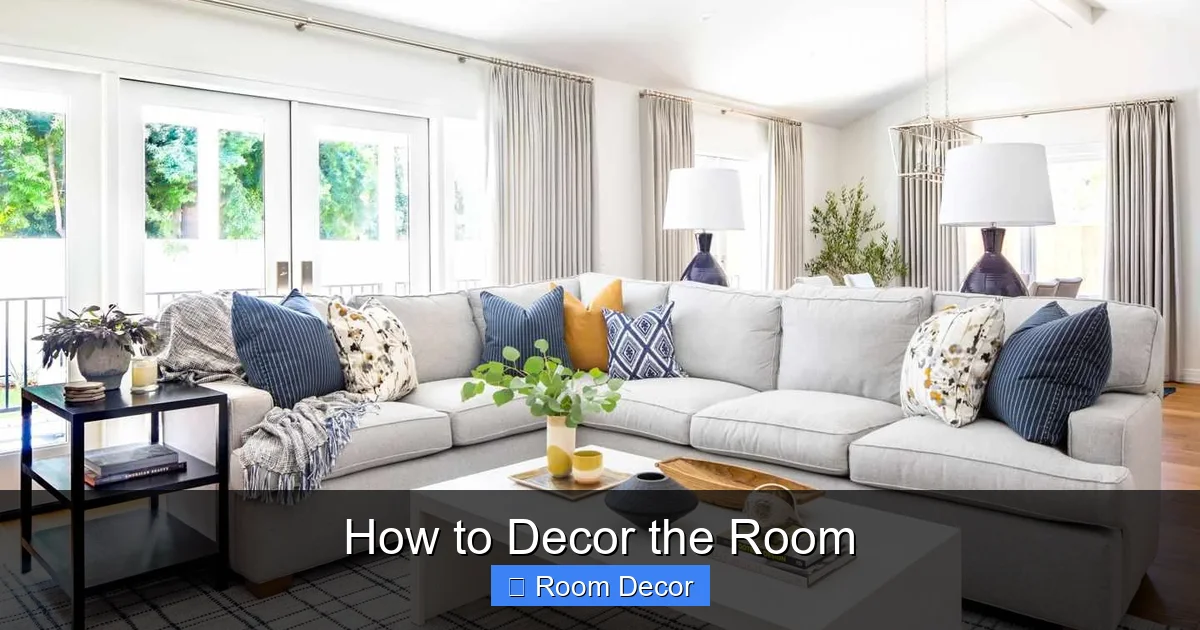
Visual guide about How to Decor the Room
Image source: thespruce.com
Measure Your Space
Grab a tape measure! Measure the length and width of your room. Also, note the location and size of any windows, doors, built-in features (like fireplaces or bookshelves), and electrical outlets. This information is crucial for choosing furniture that fits and for planning power for lamps and electronics.
Create a Floor Plan
You can do this the old-fashioned way with graph paper and a pencil, or use free online tools and apps designed for room planning. Draw your room to scale and then cut out scaled furniture shapes or use digital drag-and-drop tools. Experiment with different arrangements. Consider:
- Traffic Flow: Ensure there are clear paths to walk through the room without bumping into furniture. Aim for at least 2-3 feet of walking space.
- Focal Point: What’s the main thing you want people to notice when they enter? This could be a fireplace, a large window with a view, a striking piece of art, or a statement piece of furniture. Arrange other items to complement this.
- Conversation Areas: If it’s a living room, arrange seating so people can comfortably talk to each other without shouting.
- Functionality: How will you use the space? A bedroom needs space for a bed and often a dresser. A home office needs a desk and comfortable chair.
Step 3: Choose Your Color Palette
Color is one of the most powerful tools in interior design. It sets the mood and can make a room feel larger, cozier, brighter, or more dramatic. Think about the feeling you want to evoke in your room.
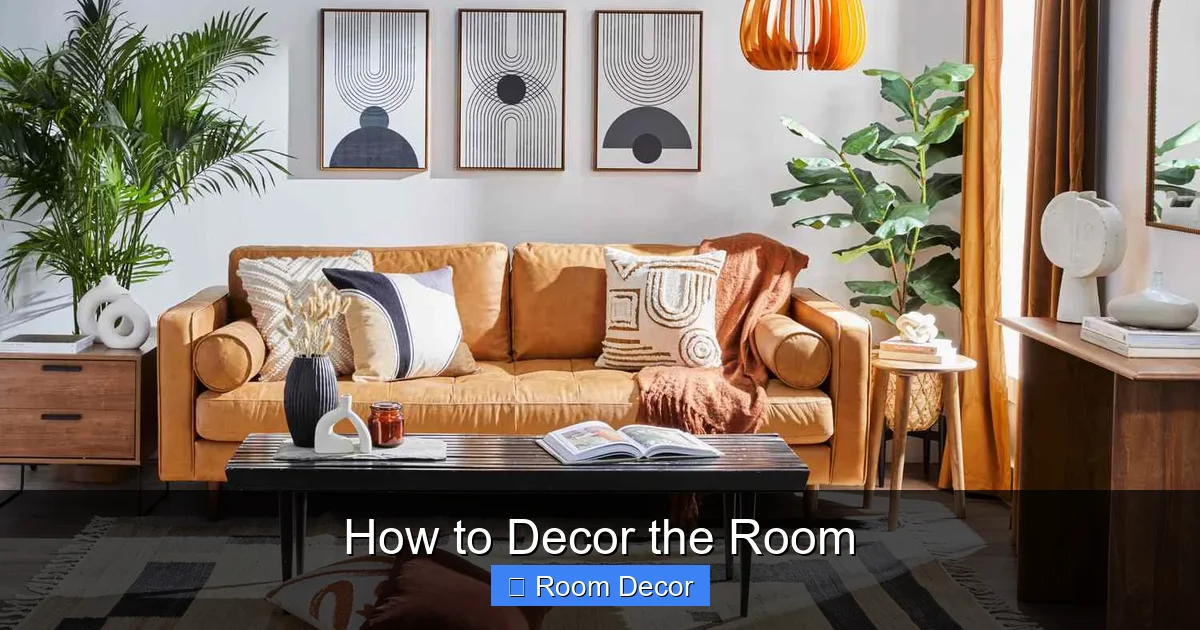
Visual guide about How to Decor the Room
Image source: thespruce.com
Understand the Color Wheel
The color wheel is a great starting point. It shows how colors relate to each other. You can use different color schemes:
- Monochromatic: Uses variations of a single color. This creates a serene and sophisticated look.
- Analogous: Uses colors that are next to each other on the color wheel (e.g., blue, blue-green, green). This creates a harmonious and calming feel.
- Complementary: Uses colors that are opposite each other on the color wheel (e.g., blue and orange, red and green). This creates high contrast and energy. Use with care!
- Triadic: Uses three colors evenly spaced on the color wheel. This is vibrant and balanced.
Consider the 60-30-10 Rule
A good rule of thumb for a balanced color scheme is the 60-30-10 rule:
- 60% Dominant Color: This is usually your wall color or a large piece of furniture. It sets the overall tone.
- 30% Secondary Color: This color supports the dominant color and is often used for furniture, curtains, or accent walls.
- 10% Accent Color: This is your pop color, used for small accessories like pillows, vases, or artwork. It adds interest and personality.
Test Paint Colors
Don’t just pick a paint color from a small chip. Buy sample pots and paint large swatches on different walls in your room. Look at them at different times of day, as natural light changes the way colors appear.
Step 4: Select Furniture
Furniture is the backbone of any room. It needs to be both functional and aesthetically pleasing, fitting within your chosen style and layout.
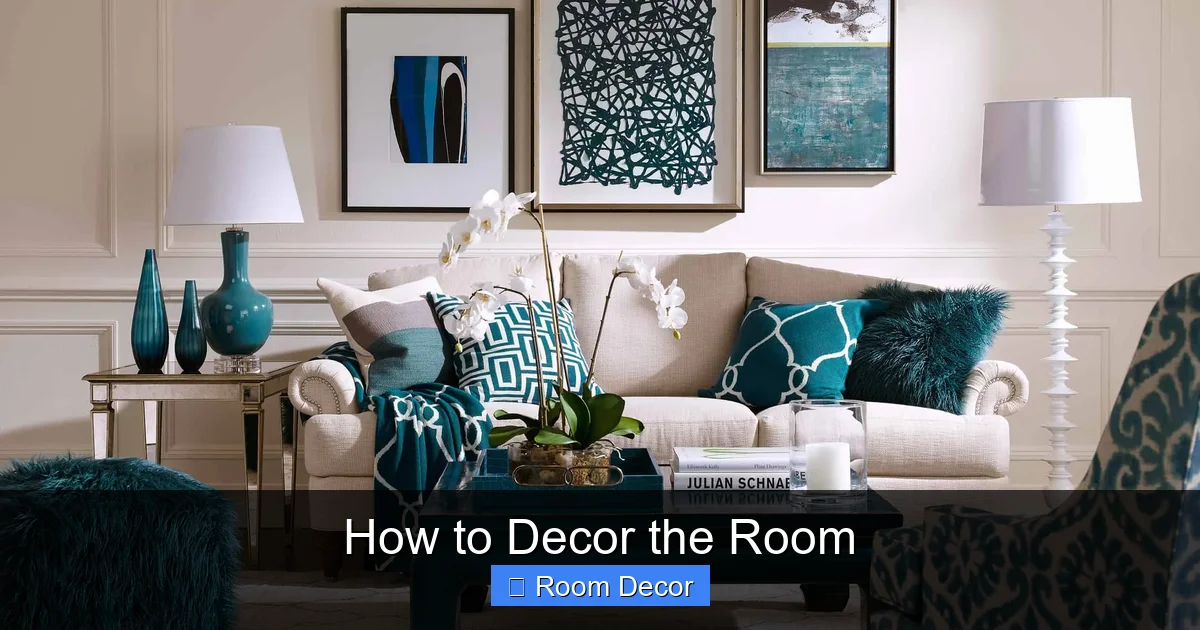
Visual guide about How to Decor the Room
Image source: cdn.thecoolist.com
Prioritize Functionality
Start with the essential pieces that your room needs to serve its purpose. For a bedroom, this is the bed. For a living room, it’s seating. For a dining room, it’s a table and chairs.
Choose Furniture That Fits the Scale
Make sure your furniture is proportionate to the size of your room. Oversized furniture in a small room will make it feel cramped. Too-small furniture in a large room can make it feel empty and awkward.
Consider Comfort and Durability
Especially for seating and beds, comfort is paramount. Look for quality materials and construction. If you have pets or children, consider durable fabrics that are easy to clean.
Mix and Match (Carefully!)
You don’t have to buy all your furniture from the same store or in the same style. Mixing pieces can add character. For example, a modern sofa can look great with a vintage armchair. The key is to tie them together with color, texture, or material.
Step 5: Layer Your Lighting
Good lighting can make or break a room’s ambiance. Don’t rely on just one overhead light. Layering different types of lighting creates a warm, inviting, and functional space.
Ambient Lighting
This is the general illumination of the room. It’s often provided by ceiling fixtures like chandeliers, flush mounts, or track lighting. It sets the overall brightness of the space.
Task Lighting
This type of lighting is focused on specific activities. Examples include reading lamps next to a chair or bed, desk lamps in a home office, or under-cabinet lighting in a kitchen. It provides concentrated light where you need it.
Accent Lighting
Accent lighting highlights specific features or objects, such as artwork, plants, or architectural details. This can be achieved with spotlights, picture lights, or uplighting. It adds depth and interest to the room.
Consider Dimmers
Installing dimmer switches on your lights is a game-changer. They allow you to adjust the brightness to suit the mood or time of day, making your room more versatile.
Step 6: Add Textiles and Soft Furnishings
Textiles add warmth, texture, color, and personality to a room. They make a space feel more comfortable and lived-in.
Rugs
A rug can define a space, anchor furniture, add color and pattern, and provide warmth and softness underfoot. Ensure the rug is the right size for your room. In a living room, the front legs of your sofa and chairs should sit on the rug.
Curtains and Blinds
Window treatments control light, provide privacy, and add a significant design element. Choose fabrics and styles that complement your overall decor. Consider the length – floor-to-ceiling curtains can make a room feel taller.
Throw Pillows and Blankets
These are the easiest way to add pops of color, pattern, and texture. Mix and match different sizes, shapes, and materials for a cozy and inviting feel. They’re also great for updating your look seasonally.
Step 7: Accessorize Thoughtfully
Accessories are the finishing touches that bring your room to life. They’re where you can really express your personality.
Wall Art
Art can be a major focal point. Choose pieces that you love and that fit your style. Consider the size of the wall and the furniture it will be near. You can create a gallery wall with multiple smaller pieces or hang one large statement piece.
Decorative Objects
Think about vases, sculptures, candles, trays, and other decorative items. Group them in odd numbers (e.g., three or five) for a more pleasing visual arrangement. Vary heights and textures within your groupings.
Plants
Plants bring life, color, and a sense of calm to any space. Choose plants that suit the light conditions in your room and your ability to care for them. They can be placed on shelves, tables, or the floor.
Personal Touches
Don’t forget to include items that are meaningful to you. This could be family photos, souvenirs from travels, or items that reflect your hobbies. These personal touches are what make a house a home.
Troubleshooting Common Decorating Challenges
Even with the best plans, you might encounter a few snags. Here’s how to tackle them:
Problem: The room feels too small.
Solutions: Use lighter paint colors on walls and ceilings. Opt for furniture with visible legs to create a sense of openness. Use mirrors strategically to reflect light and create an illusion of space. Avoid heavy, dark furniture. Ensure good lighting. Keep clutter to a minimum.
Problem: The room feels too bare or unfinished.
Solutions: Add more textiles like rugs, pillows, and throws. Introduce more artwork on the walls. Layer lighting with lamps. Bring in plants. Add decorative objects on surfaces. Ensure furniture is appropriately scaled and arranged.
Problem: My color palette feels off.
Solutions: Re-evaluate your 60-30-10 rule. Perhaps your accent color is too dominant, or your dominant color is too dull. Try swapping out some smaller accessories to change the accent color. Sometimes, adding a neutral element like a beige rug or cream pillows can help tie clashing colors together.
Problem: Furniture arrangement isn’t working.
Solutions: Go back to your floor plan. Consider traffic flow again. Could a smaller piece of furniture create better flow? Experiment with furniture placement. Sometimes, a slight shift can make a big difference. Don’t be afraid to move things around until it feels right.
Conclusion
Decorating a room is a journey, not a destination. It’s about creating a space that nurtures you, inspires you, and makes you feel comfortable and happy. By following these steps – defining your style, planning your layout, choosing colors, selecting furniture, layering lighting, adding textiles, and accessorizing thoughtfully – you’ll be well on your way to creating a room that is both beautiful and functional.
Remember to have fun with the process! Your home should be a reflection of your unique personality. Don’t be afraid to experiment, trust your instincts, and make the space your own. Happy decorating!