
Decorating a simple room doesn’t have to be overwhelming. This guide provides a step-by-step approach to creating a stylish and functional space. We’ll cover everything from decluttering and choosing a color palette to selecting furniture and adding personal touches, ensuring your room feels both beautiful and inviting. Embrace simplicity to create a room that reflects your personality and meets your needs.
Decorating a simple room can feel like a daunting task, especially if you’re unsure where to start. The good news is that creating a beautiful and functional space doesn’t require a huge budget or expert design skills. It’s all about thoughtful planning, strategic choices, and a touch of personal flair. This comprehensive guide will walk you through the process, step-by-step, transforming your basic room into a sanctuary you’ll love. We’ll cover everything from clearing the canvas to adding those final, personal touches. Get ready to discover how easy it is to decorate a simple room!
Key Takeaways
- Declutter and Simplify: Before decorating, remove unnecessary items to create a clean slate and a more spacious feel.
- Define Your Style: Identify your desired aesthetic (e.g., minimalist, bohemian, modern) to guide your decor choices.
- Choose a Color Palette: Select a cohesive set of colors to create a harmonious and visually pleasing atmosphere.
- Strategic Furniture Arrangement: Plan your furniture layout to maximize space, functionality, and flow within the room.
- Focus on Key Pieces: Invest in a few well-chosen furniture items and decor accents that make a statement.
- Layer Textures and Patterns: Add depth and interest to a simple room by incorporating various textures and subtle patterns.
- Personalize with Accents: Infuse your personality through artwork, photos, plants, and decorative objects.
Step 1: Start with a Blank Canvas: Declutter and Clean
Before you even think about paint colors or furniture, the most crucial first step is to declutter and clean your room. A cluttered space will always feel less appealing, no matter how well it’s decorated. Taking the time to clear out unnecessary items will not only make decorating easier but will also create a sense of calm and spaciousness.
H3: The Power of Purging
Go through every item in your room. Ask yourself:
- Do I use this regularly?
- Does it serve a purpose?
- Does it bring me joy?
If the answer to any of these is “no,” it’s likely time to donate, sell, or discard it. Be ruthless but realistic. Don’t get rid of things you genuinely need or cherish. The goal is to simplify, not to create a sterile environment.
H3: Deep Cleaning
Once you’ve decluttered, give the room a thorough cleaning. Wash windows, dust all surfaces, vacuum or mop the floors, and clean any existing fixtures. A clean room is a happy room, and it provides a fresh foundation for your decorating efforts.
Step 2: Define Your Vision: Style and Color
With your room decluttered and clean, it’s time to think about the overall look and feel you want to achieve. This is where you start to define your personal style and choose a color palette that will bring your vision to life.
H3: Discover Your Decor Style
What kind of atmosphere do you want to create? Consider these popular styles for inspiration:
- Minimalist: Clean lines, neutral colors, uncluttered surfaces, and functional furniture. Focus on quality over quantity.
- Bohemian (Boho): Eclectic, relaxed, and colorful. Think natural materials, layered textiles, plants, and globally inspired decor.
- Modern: Sleek, geometric shapes, neutral palettes with pops of color, and materials like metal, glass, and chrome.
- Scandinavian: Hygge-inspired, with a focus on light, natural materials (wood), cozy textiles, and a neutral color scheme.
- Farmhouse: Rustic charm with a modern twist. Features reclaimed wood, vintage-inspired pieces, and a cozy, welcoming feel.
Don’t feel pressured to stick to one strict style. You can mix and match elements to create something uniquely yours. Look at online platforms like Pinterest or Instagram for inspiration. Save images of rooms you love and try to identify common themes.
H3: Choosing a Color Palette
Color plays a significant role in setting the mood of a room. For a simple room, it’s often best to start with a neutral base. This provides a calming backdrop and makes it easier to introduce accent colors.
H4: The Power of Neutrals
Neutrals like white, cream, beige, gray, and muted earth tones are excellent choices for walls and larger furniture pieces. They create a sophisticated and timeless look.
H4: Introducing Accent Colors
Once you have your neutral base, you can introduce accent colors through smaller decor items like throw pillows, artwork, rugs, and accessories. A good rule of thumb is the 60-30-10 rule: 60% of your dominant color (neutral), 30% of your secondary color, and 10% of your accent color. This creates balance and visual interest without overwhelming the space.
Step 3: Layout and Furniture Arrangement
How you arrange your furniture is key to making a simple room feel both functional and spacious. A well-planned layout can dramatically improve the flow and usability of your space.
H3: Measure and Plan
Before moving any furniture, measure your room and your key furniture pieces. Sketch out a floor plan on paper or use an online room planner tool. This helps you visualize different arrangements and avoid costly mistakes.
H3: Prioritize Functionality
Think about how you use the room. What are the main activities that will take place there?
- Living Room: Ensure seating is arranged to encourage conversation. Place the largest piece of furniture (sofa) first, then build around it.
- Bedroom: The bed is usually the focal point. Consider its placement for optimal light and accessibility.
- Home Office: Place your desk to maximize natural light and minimize distractions. Ensure easy access to storage.
H3: Create Zones
Even in a small room, you can create distinct zones for different activities. For example, in a living room, you might have a cozy reading nook with an armchair and a lamp, separate from the main seating area.
H3: Leave Room to Breathe
Avoid pushing all your furniture against the walls. Pulling pieces slightly away from the walls can create a more intimate and inviting atmosphere. Ensure there’s enough space to walk around easily without feeling cramped.
Step 4: Selecting Key Furniture Pieces
When decorating a simple room, focus on selecting versatile and well-proportioned furniture. Quality over quantity is the mantra here.
H3: The Foundation: Sofa and Bed
Your main seating or sleeping area is the most significant investment. Choose pieces that are comfortable, stylish, and fit the scale of your room.
- For a living room: A comfortable sofa or sectional is essential. Consider a neutral color that can be easily updated with decorative pillows and throws.
- For a bedroom: A bed frame that complements your style is key. Opt for one with built-in storage if space is limited.
H3: Smart Storage Solutions
Storage is crucial for maintaining a simple and uncluttered aesthetic.
- Ottomans with storage: They serve as extra seating, a footrest, and hidden storage.
- Bookshelves: Choose slim, vertical shelves to maximize wall space.
- Baskets and bins: Use these to organize smaller items on shelves or under furniture.
H3: Versatile Accent Pieces
Think about furniture that can serve multiple purposes.
- Nesting tables: They can be pulled out when needed and tucked away to save space.
- A console table: Great for entryways or behind a sofa, it provides surface space for decor and lamps.
- A comfortable armchair: Adds extra seating and a cozy spot for reading.
Step 5: Layering Textures and Patterns
To add depth and visual interest to a simple room, focus on layering textures and subtle patterns. This is where you bring warmth and personality into your space without overwhelming it.
H3: Embrace Different Textures
Think about how different materials feel and look.
- Soft textiles: Cozy throw blankets, plush rugs, and decorative pillows in materials like wool, cotton, linen, or faux fur add warmth and comfort.
- Natural materials: Wood accents, rattan, bamboo, and stone can bring an organic feel to the room.
- Metallic finishes: Brass, gold, or brushed nickel accents in lighting fixtures, frames, or decorative objects add a touch of elegance.
H3: Introduce Subtle Patterns
Patterns can add personality without being too overpowering.
- Geometric prints: These can add a modern touch. Think subtle stripes, chevrons, or diamonds.
- Floral or botanical prints: These can add a touch of nature and softness.
- Abstract patterns: These can offer a unique artistic flair.
Incorporate patterns through smaller items like throw pillows, accent chairs, or rugs. If you’re feeling bold, consider a patterned accent wall or wallpaper.
Step 6: Adding Personal Touches
This is perhaps the most enjoyable part of decorating a simple room: infusing it with your personality. These are the elements that transform a house into a home.
H3: Artwork and Photos
Wall art can be a focal point and express your style.
- Gallery wall: A collection of framed photos, prints, or art pieces can tell your story. Mix sizes and frames for an eclectic look.
- A statement piece: A single, large artwork can anchor the room and draw the eye.
- Personal photos: Frame cherished memories to make the space feel truly yours.
H3: Plants Bring Life
Houseplants are a fantastic way to add color, life, and improve air quality.
- Variety: Choose plants that suit your light conditions and maintenance level.
- Placement: Place larger plants in corners or use them to soften the edges of furniture. Smaller plants can adorn shelves or tabletops.
H3: Decorative Objects
These are the smaller items that add character.
- Vases and bowls: Use them to display flowers or as standalone decorative pieces.
- Candles: They add ambiance and a pleasant scent.
- Books: Stacked art books or favorite novels can add a personal touch to shelves.
- Trinkets: Collectible items or souvenirs from your travels can add a unique narrative to your room.
Remember to group decorative objects in odd numbers (e.g., three items) for a more pleasing visual composition.
Troubleshooting Common Decorating Dilemmas
Even with the best intentions, you might encounter a few bumps along the road. Here are some common issues and how to solve them:
H3: My Room Feels Too Small
Solution: Opt for lighter paint colors on the walls. Use mirrors to reflect light and create an illusion of space. Choose furniture with legs to create a sense of airiness. Avoid over-accessorizing. Ensure good lighting.
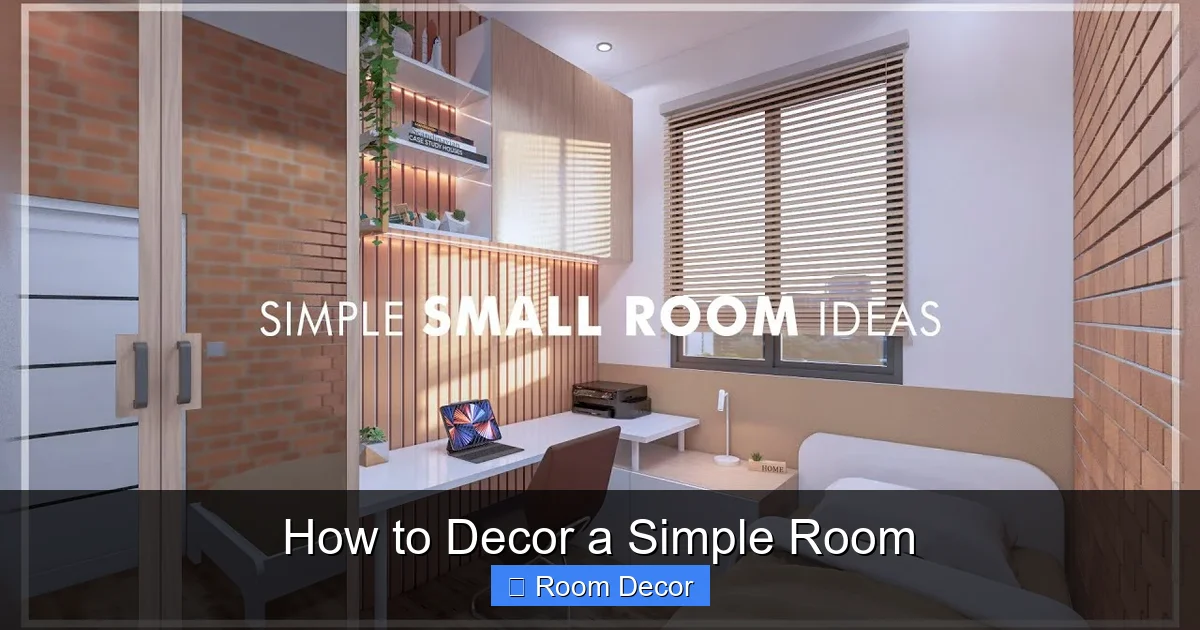
Visual guide about How to Decor a Simple Room
Image source: i.ytimg.com

Visual guide about How to Decor a Simple Room
Image source: mydomaine.com

Visual guide about How to Decor a Simple Room
Image source: thespruce.com
H3: The Room Feels Too Bland or Boring
Solution: Introduce accent colors through pillows, throws, or artwork. Add plants for a pop of life and color. Layer textures with different rugs and blankets. Consider a patterned accent piece, like a rug or an armchair.
H3: I Have Too Much Stuff
Solution: Revisit your decluttering process. Invest in stylish storage solutions like ottomans, baskets, and cabinets. Implement a “one in, one out” rule for new purchases.
H3: My Furniture Doesn’t Fit Well
Solution: Reassess your furniture layout. Sometimes rearranging can make a big difference. If a piece is truly too large, consider replacing it with a more appropriately scaled item or repurposing it in another room.
Conclusion
Decorating a simple room is a journey of creating a space that is both aesthetically pleasing and functional, reflecting your personal style and needs. By following these steps—from decluttering and defining your vision to thoughtfully selecting furniture, layering textures, and adding personal touches—you can transform any basic room into a comfortable and inviting haven. Embrace the process, experiment with what feels right for you, and remember that simplicity can be incredibly powerful. Your beautifully decorated, simple room awaits!