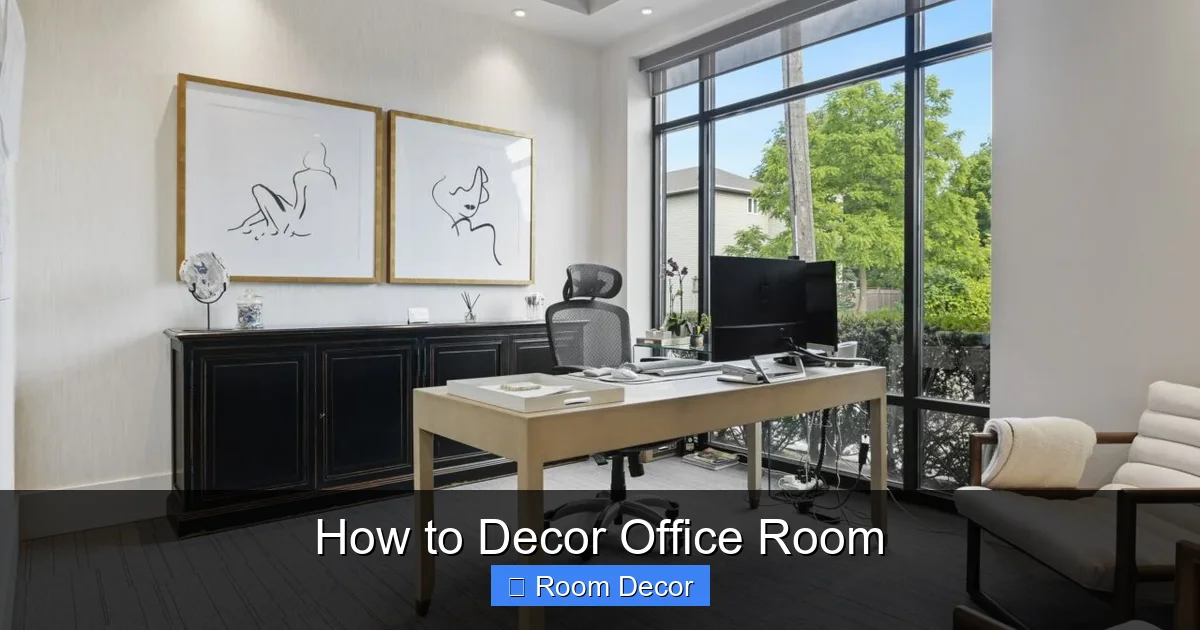
Ready to elevate your workspace? This guide will walk you through every step of how to decor office room, from planning your layout to adding the final decorative touches. Discover how to create a functional, inspiring, and personalized office that boosts your productivity and well-being. Get ready to love your home office!
Are you ready to transform your office space from drab to fab? Decorating an office room isn’t just about making it look pretty; it’s about creating an environment that fosters productivity, creativity, and well-being. Whether you work from home full-time, use your office for occasional tasks, or simply want a dedicated space for your hobbies, this comprehensive guide on how to decor office room will equip you with the knowledge and inspiration to create your dream workspace.
We’ll cover everything from the foundational elements like layout and furniture to the finer details that bring personality and polish to your room. Get ready to dive in and discover how to decor office room in a way that truly reflects you and supports your work.
Key Takeaways
- Assess Your Needs and Style: Before you start decorating, understand how you use your office and what aesthetic appeals to you to ensure a functional and personalized space.
- Optimize Layout and Furniture Placement: Strategic placement of your desk, chair, and storage maximizes workflow, comfort, and the overall feel of the room.
- Embrace Smart Storage Solutions: Effective organization is key to a clutter-free and productive office, so invest in shelving, drawers, and decorative containers.
- Prioritize Ergonomics and Comfort: A comfortable and ergonomically sound setup prevents strain and fatigue, allowing you to focus better.
- Infuse Personality with Decor: Personal touches like art, plants, and unique accessories make your office a more inviting and inspiring place to work.
- Master Lighting for Productivity: The right lighting can significantly impact mood and focus; layering natural, ambient, and task lighting is essential.
- Don’t Forget the Walls: Your walls offer a canvas for expression and can introduce color, texture, and visual interest to your office decor.
1. Plan Your Office Room Decor: The Foundation for Success
Before you even think about paint colors or desk accessories, it’s crucial to lay the groundwork. This initial planning phase ensures your office decor is not only aesthetically pleasing but also highly functional and tailored to your specific needs.
Define Your Office’s Purpose
Ask yourself: What will this room be used for?
- Primary Work Hub: If this is where you spend 8+ hours a day, focus on ergonomics, ample storage, and minimizing distractions.
- Creative Studio: Think about inspirational visuals, flexible furniture, and space for materials.
- Hobby Room: Consider specialized storage for your equipment and display areas for your creations.
- Guest Room/Office Combo: You’ll need versatile furniture and a way to easily transition between functions.
Determine Your Aesthetic Style
What look and feel do you want for your office?
- Minimalist: Clean lines, neutral colors, and essential furniture.
- Modern: Sleek designs, geometric shapes, and a mix of materials.
- Bohemian: Rich textures, vibrant colors, and eclectic decorative items.
- Industrial: Exposed elements, metal accents, and a raw, edgy feel.
- Traditional: Classic furniture, warm colors, and timeless decor.
Browse inspiration on Pinterest, Instagram, or home decor magazines to pinpoint styles that resonate with you.
Set a Budget
Be realistic about how much you can spend. This will help you prioritize purchases and make smart choices. You can often find stylish and affordable decor items if you know where to look.
2. Optimize Your Office Layout and Furniture
Visual guide about How to Decor Office Room
Image source: i.pinimg.com
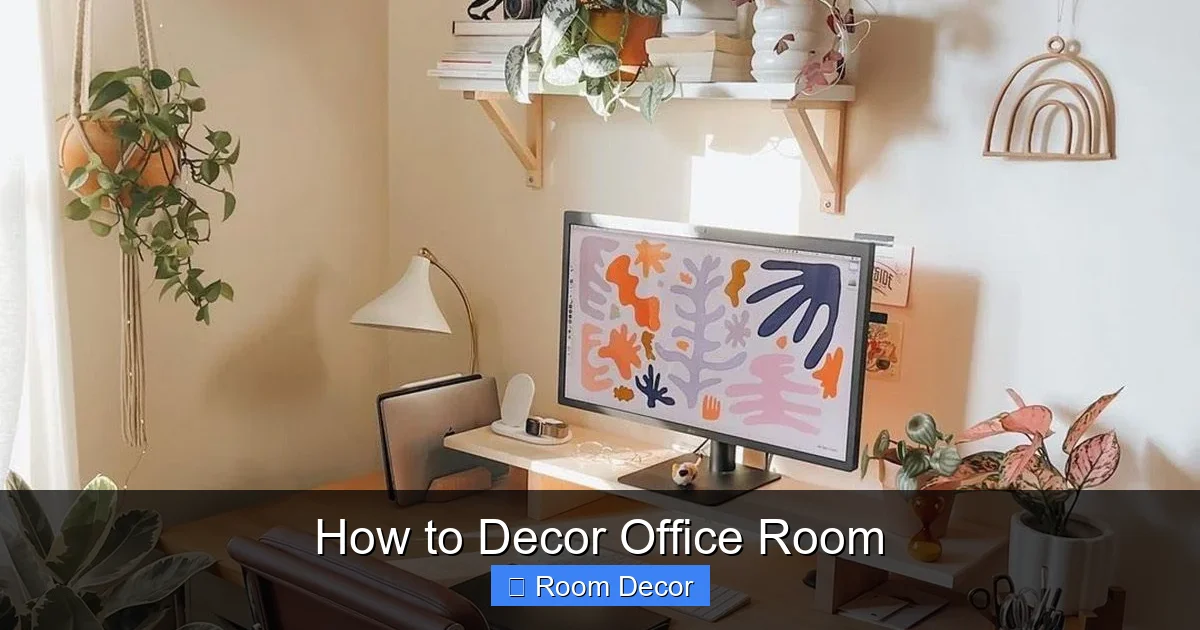
The arrangement of your furniture and the selection of the right pieces are paramount to an effective office. A well-planned layout enhances workflow and makes the room feel more spacious and inviting.
Desk Placement is Key
Your desk is the centerpiece of your office.
- Facing the Door: This position can provide a sense of control and awareness.
- Facing a Window: Natural light is a mood booster, but ensure the glare doesn’t disrupt your screen.
- Against a Wall: This can be good for concentration if you tend to get distracted.
Consider the flow of traffic in the room and avoid placing your desk in a direct line with the door if it makes you feel exposed.
Choose the Right Desk
Select a desk that suits your needs and space.
- Size: Ensure it’s large enough for your computer, paperwork, and other essentials, but not so large that it overwhelms the room.
- Type: Standing desks, L-shaped desks, and simple writing desks all offer different benefits.
- Storage: Built-in drawers or shelves can be incredibly useful.
Invest in an Ergonomic Chair
Comfort is non-negotiable for productivity.
- Adjustability: Look for a chair with adjustable height, armrests, and lumbar support.
- Comfort: Sit in it for a few minutes if possible to check for comfort and support.
- Style: While function comes first, there are many ergonomic chairs that also look great.
Consider Additional Furniture
Depending on your space and needs, you might add:
- Filing Cabinets: Essential for organized document storage.
- Bookcases: For books, decor items, and displaying awards.
- Accent Chairs: For a comfortable spot to read or take a break.
- Small Side Table: To hold a drink, a plant, or extra supplies.
3. Master Storage and Organization
Visual guide about How to Decor Office Room
Image source: 3.bp.blogspot.com
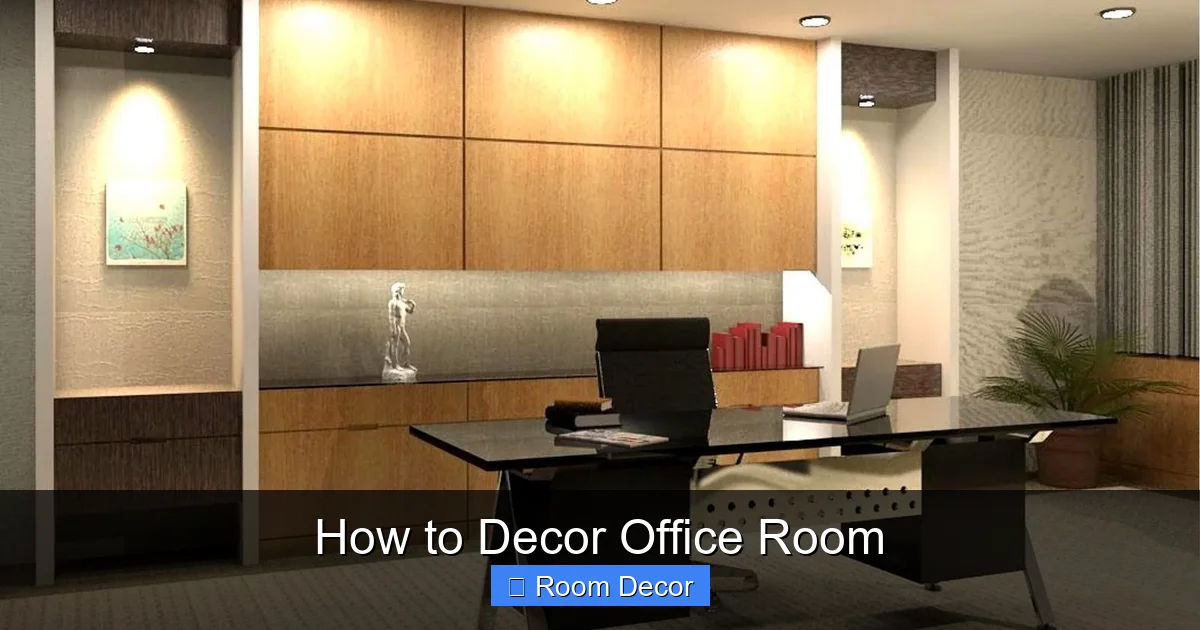
A cluttered office can be a major productivity killer. Smart storage solutions not only keep your space tidy but also contribute to the overall aesthetic of your office decor.
Utilize Vertical Space
Walls are your best friends when it comes to storage.
- Shelving Units: Open shelves can display decor and books, while closed cabinets hide less attractive items.
- Wall-Mounted Organizers: For smaller items like pens, mail, or charging cables.
- Pegboards: A versatile option for hanging tools, supplies, and even small decorative items.
Embrace Drawer and Cabinet Organizers
Don’t let your drawers become black holes.
- Drawer Dividers: Keep pens, paperclips, and other small supplies neatly separated.
- File Organizers: For important documents.
- Trays and Bins: Use these within cabinets or drawers to group similar items.
Decorative Storage Solutions
Storage doesn’t have to be boring!
- Stylish Baskets: Perfect for storing blankets, magazines, or even office supplies.
- Decorative Boxes: Use these to hide clutter on shelves or your desk.
- Magazine Holders: Keep your workspace tidy and stylish.
Keep Your Desk Clutter-Free
Your desk surface should be a calm zone.
- Minimize Desk Items: Only keep essentials within reach.
- Use a Monitor Stand: This can create extra space underneath for storage.
- Cable Management: Use clips or ties to keep cords tidy and out of sight.
4. Enhance Your Office Decor with Color and Texture
Visual guide about How to Decor Office Room
Image source: decoratingdenblog.com
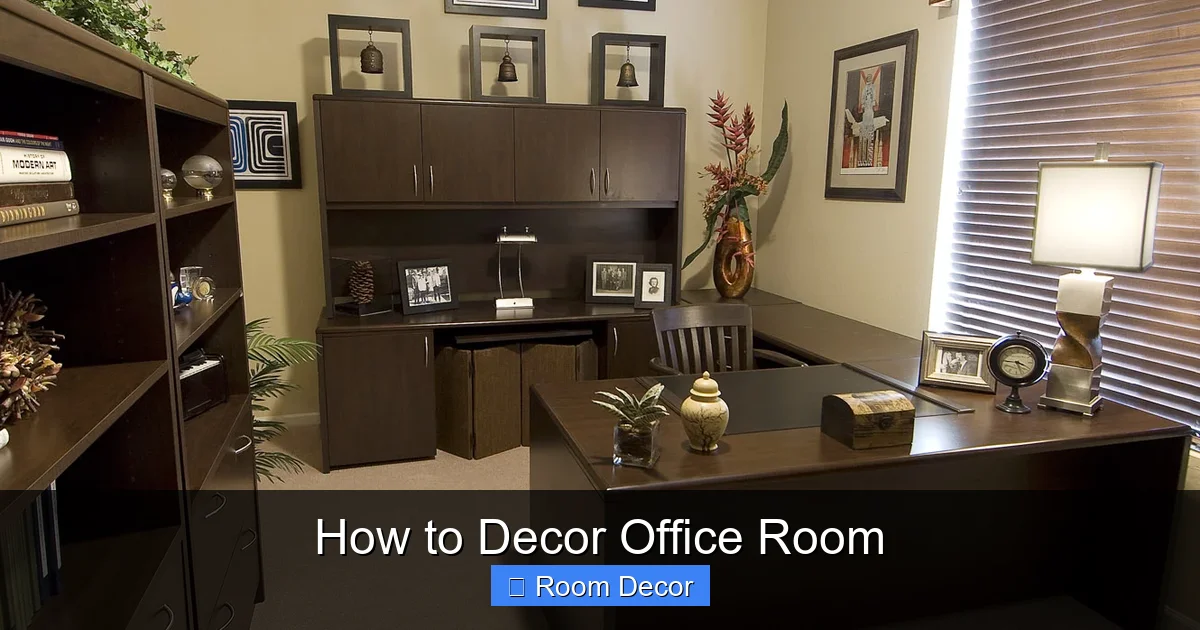
Color and texture play a significant role in the mood and feel of your office. They are powerful tools to express your personality and create an inspiring atmosphere.
The Psychology of Color
Different colors evoke different emotions.
- Blues and Greens: Known for their calming and focus-enhancing properties.
- Yellows: Can inspire creativity and optimism.
- Reds: Stimulating and energetic, but use sparingly to avoid overwhelming.
- Neutrals (Grays, Whites, Beiges): Provide a clean, sophisticated backdrop and promote a sense of calm.
Consider painting an accent wall in a bold color or opting for a more subtle approach with a neutral palette.
Introduce Texture
Texture adds depth and visual interest.
- Rugs: A soft rug under your desk can add warmth and absorb sound.
- Upholstery: Consider an upholstered chair or a throw pillow on an accent chair.
- Wall Hangings: Macrame, tapestries, or textured artwork.
- Natural Materials: Wood accents, woven baskets, or stone elements.
Don’t Forget Your Walls
Walls are prime real estate for decor.
- Artwork: Choose pieces that inspire you or reflect your interests.
- Photos: Personal photos can make your office feel more welcoming.
- Bulletin Boards or Whiteboards: Functional and can be decorated.
- Wallpaper or Wall Decals: For a bolder statement or a unique pattern.
5. Illuminate Your Office: The Power of Lighting
Good lighting is crucial for productivity, eye comfort, and overall mood. Layering different types of lighting ensures your office is well-lit for any task.
Maximize Natural Light
If possible, position your desk to take advantage of natural light.
- Positioning: Avoid direct glare on your screen. Side lighting is often ideal.
- Window Treatments: Use blinds or curtains to control the intensity of natural light. Sheer curtains can diffuse light beautifully.
Ambient Lighting
This is the general illumination of the room.
- Overhead Fixtures: A stylish ceiling light or pendant light can provide good general light.
- Floor Lamps: Can add a warm glow to corners of the room.
Task Lighting
Essential for focused work and reading.
- Desk Lamp: An adjustable desk lamp is a must-have for illuminating your immediate workspace.
- Consider LED: These are energy-efficient and offer various color temperatures.
Accent Lighting
Use this to highlight artwork or decorative features.
- Picture Lights: To illuminate wall art.
- Small Spotlights: To draw attention to a specific shelf or object.
6. Add Personal Touches and Greenery
This is where your office truly comes to life and becomes *your* space. These elements inject personality and make your office a more pleasant place to be.
Plants: Nature’s Boost
Plants are known to reduce stress and improve air quality.
- Low-Maintenance Options: Snake plants, ZZ plants, and Pothos are great for beginners.
- Placement: Consider shelves, desk corners, or floor space.
- Variety: Mix different sizes and types of plants for visual interest.
Personal Decor Items
What makes you happy?
- Artwork: As mentioned, art that speaks to you is invaluable.
- Collectibles: Display items you’ve collected from travels or hobbies.
- Inspirational Quotes: Frame your favorite motivational sayings.
- Photos: Family, friends, or cherished memories.
Desk Accessories with Flair
Elevate your desk essentials.
- Stylish Pen Holders: Instead of a plain plastic cup.
- Decorative Trays: For keys, mail, or small items.
- Notebooks and Planners: Choose designs you love.
- Aromatherapy: A pleasant-smelling diffuser can enhance your mood.
Troubleshooting Common Office Decor Challenges
Even with the best intentions, you might run into a few snags. Here’s how to tackle them:
Problem: The room feels too small.
Solution:
- Use light colors on walls and furniture.
- Employ vertical storage to draw the eye upward.
- Incorporate mirrors to create an illusion of space.
- Choose furniture with legs to make the room feel airier.
- Keep decor minimal to avoid clutter.
Problem: Too much glare from the window on my computer screen.
Solution:
- Use sheer curtains or blinds to diffuse light.
- Position your desk perpendicular to the window rather than directly facing it or with your back to it.
- Consider an anti-glare screen protector for your monitor.
Problem: My office feels sterile and impersonal.
Solution:
- Add pops of color through accessories, artwork, or a rug.
- Incorporate plants for life and vibrancy.
- Display personal photos and meaningful objects.
- Experiment with different textures like wood, fabric, or metal.
Problem: I have too much clutter, and it’s affecting my focus.
Solution:
- Implement a strict organization system (see Section 3).
- Schedule regular “decluttering” sessions.
- Be ruthless about what you keep on your desk.
- Utilize closed storage for items that aren’t visually appealing.
Conclusion
Decorating your office room is an exciting process that allows you to craft a space that is both beautiful and functional. By following these steps, you can move beyond a basic workspace and create an environment that inspires you, enhances your productivity, and brings you joy. Remember, your office is an extension of you, so don’t be afraid to inject your personality into every design choice. With a little planning and a dash of creativity, you can master how to decor office room into a sanctuary of work and well-being. Happy decorating!